


Are you puzzled by your cat’s quirky antics? You’re not alone.
Understanding cat behavior can feel like deciphering a mysterious code. Whether it’s the sudden zoomies at 3 AM, the persistent head-butting, or the curious way they knead on your lap, these feline actions have left many a cat owner scratching their heads.
But what if I told you that every purr, tail flick, and meow has a reason behind it? This article is your key to unlocking the secrets of your cat’s world, making your bond stronger and your life together more harmonious. Dive in, and let’s unravel the mysteries of your furry friend’s behavior together.

Credit: www.youtube.com
Cat Communication
Understanding how cats communicate can change the way you connect with your feline friend. Cats use a mix of sounds, body postures, and tail movements to share their feelings and intentions. Paying close attention to these signals helps you respond better and build trust.
Vocalizations And Their Meanings
Cats use different sounds to express a wide range of emotions and needs. A soft purr often means contentment, but it can also signal that your cat feels safe around you. On the other hand, a sharp hiss warns that your cat is scared or upset.
Have you noticed your cat’s meow changes depending on what they want? Some meows are short and demanding, asking for food or attention. Longer, drawn-out meows might mean your cat is lonely or wants to play.
Body Language Signals
Your cat’s body tells stories without a single sound. When your cat arches its back and fluffs up fur, it’s trying to look bigger and warn others to stay away. A relaxed cat lying on its side or back is showing trust and comfort.
Look at the ears and eyes too. Ears flattened backward usually mean fear or aggression, while slow blinking shows affection. Next time your cat stares quietly and blinks slowly, try blinking back to strengthen your bond.
Tail Movements And Their Messages
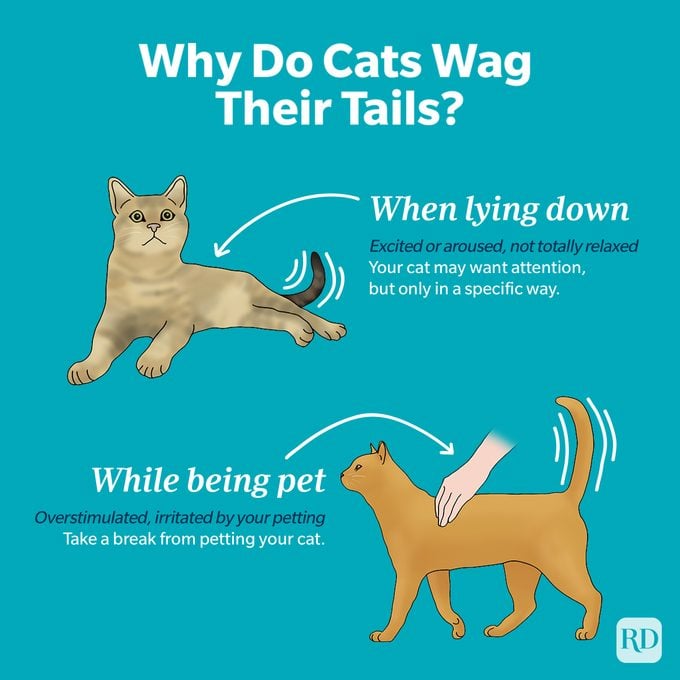
The tail is a powerful communication tool. A tail held high means your cat is confident and happy to see you. If the tail flicks quickly, your cat might be irritated or excited, so watch for other signs to understand the mood.
When the tail is low or tucked, your cat could be feeling anxious or submissive. Swishing tails often mean your cat is focused, possibly hunting or playing. Have you ever tried to guess what your cat’s tail was telling you? It’s a fun way to practice being more in tune with their feelings.
Common Cat Behaviors
Understanding common cat behaviors gives you a clearer window into your feline friend’s world. These behaviors aren’t random; they have deep roots in your cat’s instincts and daily needs. Recognizing what your cat is trying to communicate can improve your relationship and help you meet their needs better.
Scratching And Clawing
Scratching is more than just a way for cats to keep their claws sharp. It helps them mark their territory since scent glands in their paws leave a unique signature. If your cat scratches furniture, it’s not just bad manners—it’s a natural urge you need to manage.
You can redirect this behavior by providing scratching posts or pads placed in areas your cat frequents. Try different materials like sisal or cardboard to see what your cat prefers. Have you noticed your cat scratching more after naps or play sessions? That often signals a need to stretch and release energy.
Purring And Kneading
Purring is often linked to contentment, but it can also indicate stress or pain. Pay attention to the context to understand what your cat is trying to tell you. Kneading, where cats push their paws in and out on soft surfaces, is a comforting behavior rooted in kittenhood.
When your cat kneads you, it’s a sign they feel safe and relaxed around you. It’s like a silent compliment. Next time your cat starts purring and kneading, try to pause and enjoy the moment—they are showing trust in a very personal way.
Hunting And Play Patterns
Even indoor cats have strong hunting instincts. Playtime that mimics hunting keeps your cat mentally sharp and physically fit. Toys that move unpredictably, like feather wands or laser pointers, tap into these instincts and satisfy your cat’s natural drive.
Try observing when your cat is most active during the day and schedule play sessions accordingly. This can reduce unwanted behaviors caused by boredom. Have you noticed how your cat’s eyes widen or tail twitches before pouncing? That’s pure hunting excitement in action.
Emotional Expressions
Cats communicate a lot through their emotional expressions. Understanding these signals can deepen your bond and help you respond better to your furry friend’s needs. Their feelings often show up in body language and subtle behaviors you might overlook.
Signs Of Happiness And Contentment
A happy cat often shows relaxation and ease. Look for slow blinking—this is like a kitty “I trust you” signal. Purring is another classic sign, but did you know cats also purr when nervous? So, watch for the overall context.
Content cats stretch out comfortably and may knead with their paws. Tail position matters too—a gently curved tail or one held upright means they’re feeling good. Have you noticed your cat rubbing against you? That’s a clear way they mark you as safe and loved.
Stress And Anxiety Indicators
Stress in cats can be tricky to spot because they often hide it. Signs include excessive grooming or suddenly hiding in unusual places. You might also see changes in appetite or litter box habits.
Watch their ears and eyes closely—flattened ears and dilated pupils can signal anxiety. When your cat seems tense or restless, try offering a quiet space or some interactive play to ease their nerves. How often do you check in on your cat’s emotional state?
Fear And Aggression Triggers
Fear can make your cat defensive, and aggression might follow. Raised fur, hissing, or growling are clear warnings. However, some cats just freeze or try to escape instead of showing aggression.
Common triggers include loud noises, unfamiliar people, or other pets invading their territory. Identifying these triggers allows you to create a safer environment. Have you noticed patterns in what sets off your cat’s fear or aggression?

Credit: www.seemour.ai
Social Interactions
Understanding your cat’s social interactions can change the way you connect with them. Cats communicate in subtle ways that often go unnoticed. Paying close attention to these interactions reveals their true feelings and needs.
Bonding With Humans
Cats show affection differently than dogs, but they do form strong bonds with their humans. You might notice your cat rubbing against you or softly kneading your lap. These actions are signs of trust and comfort.
Sometimes, a cat will bring you “gifts” like toys or even small prey. This behavior isn’t just random; it’s a way to include you in their social group. Have you ever wondered why your cat chooses your lap as their favorite spot? It’s because they see you as a safe and warm companion.
Cat-to-cat Relationships
When cats interact with each other, their behavior can range from playful to territorial. You might see gentle grooming between cats that share a close bond. This social grooming strengthens their friendship and reduces tension.
However, cats also use body language to establish boundaries. A flick of the tail, a hiss, or flattened ears often serve as warnings before a conflict. Watching these signals helps you understand when your cats are comfortable or stressed around each other.
Territorial Behavior
Cats are naturally territorial animals, and they mark their space in various ways. Scratching furniture, rubbing their cheeks on objects, or spraying are all methods cats use to claim ownership. This behavior helps them feel secure in their environment.
If you notice your cat suddenly becoming more aggressive or anxious, it might be due to a perceived threat in their territory. Changes like new pets, visitors, or even rearranged furniture can trigger this response. How do you manage your cat’s space to keep them calm and confident?
Environmental Influences
Cats respond deeply to their surroundings. Their environment shapes how they behave daily. Small changes can affect their mood and actions.
Understanding these environmental influences helps create a peaceful home for your cat. It also supports their natural instincts and happiness.
Impact Of Home Setup
The layout of your home matters a lot to cats. They like spaces where they can hide and watch safely. High perches, cozy corners, and quiet spots make them feel secure.
Clutter or loud areas may cause stress. Cats prefer calm and order around their eating and sleeping places. A well-planned space keeps them calm and confident.
Role Of Routine And Habits
Cats thrive on routine. Feeding, playtime, and rest at regular hours provide comfort. Changes in daily habits can confuse or upset them.
Simple routines build trust. Cats feel safe knowing what to expect next. This helps reduce anxiety and unwanted behaviors.
Effect Of Changes And New Additions
New pets, people, or furniture can unsettle cats. They may hide or act out at first. Patience is key during these times.
Slow introductions and keeping familiar smells help cats adjust. Gradual changes lower stress and help them feel at home again.
Training And Behavior Modification
Training and behavior modification help cats live happily with their owners. These techniques improve communication and reduce stress for both cats and humans. Consistency and patience are key to success. Understanding cat behavior helps shape better habits and fix unwanted actions.
Encouraging Positive Habits
Start by creating a calm and safe environment for your cat. Provide toys and scratching posts to keep them busy. Praise your cat gently when they use these items. Regular playtime builds trust and encourages good behavior. Set clear boundaries by gently redirecting your cat from unwanted spots.
Addressing Problem Behaviors
Identify the cause of problem behaviors like scratching furniture or biting. Avoid punishment; it can increase fear and aggression. Instead, use redirection to guide your cat to acceptable activities. Be patient and consistent with corrections. Watch for stress signs and adjust the environment to reduce triggers.
Using Rewards And Reinforcement
Use treats and affection to reward good behavior immediately. Positive reinforcement helps cats understand what actions please you. Keep rewards small and given right after the desired action. Praise your cat’s efforts with a soft voice and gentle petting. Avoid using food rewards too often to maintain their value.
Credit: www.rd.com
Frequently Asked Questions
Why Do Cats Purr When Happy Or Scared?
Cats purr to communicate comfort or self-soothe when scared. Purring can signal contentment or help cats calm down during stress.
What Does A Cat’s Tail Position Indicate?
A cat’s tail position reveals its mood. Upright tails show happiness, while low or tucked tails indicate fear or submission.
How Can I Tell If My Cat Is Stressed?
Signs of stress include hiding, excessive grooming, and loss of appetite. Watch for changes in behavior or litter box habits.
Why Do Cats Knead With Their Paws?
Cats knead to mark territory using scent glands in their paws. It also comforts them and mimics nursing behavior from kittenhood.
Conclusion
Cats show their feelings in many small ways. Watching their actions helps you understand them better. Each cat has its own unique habits and moods. Respect their space and enjoy their company. Learning about cat behavior makes living with them easier.
It builds a stronger bond between you and your cat. Small changes in their actions can tell big stories. Stay patient and kind to see their true nature. Caring for a cat means knowing what they need. This knowledge brings more joy to your home.
