

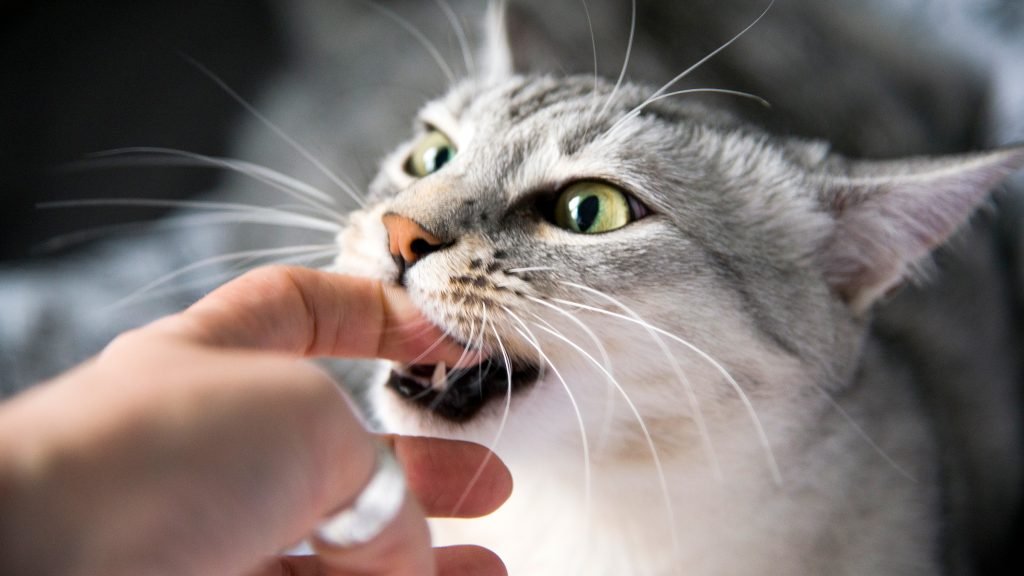
Ever been puzzled by your cat’s biting behavior? You’re not alone.
Many cat owners experience this baffling behavior and find themselves wondering what it means. Whether it’s a gentle nibble or a sudden chomp, understanding why your feline friend bites can unlock a whole new level of communication between you and your pet.
Imagine knowing precisely what your cat is trying to say with that nip. This knowledge could be the key to a happier, more harmonious relationship with your furry companion. Dive in to discover the reasons behind your cat’s biting, and learn how to respond in a way that strengthens your bond. Are you ready to turn confusion into clarity? Keep reading to find out more!
Credit: animals.howstuffworks.com
Reasons Cats Bite
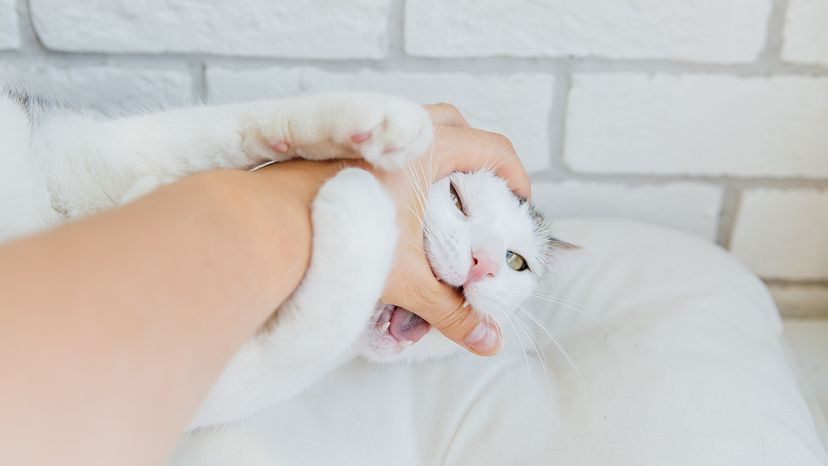
Cats bite for many reasons, and understanding why your cat bites can help you respond better and improve your relationship. Biting is a form of communication for cats, whether they’re playing, scared, or trying to protect themselves. Recognizing these reasons helps you avoid misunderstandings and keeps both you and your cat safe.
Playful Biting
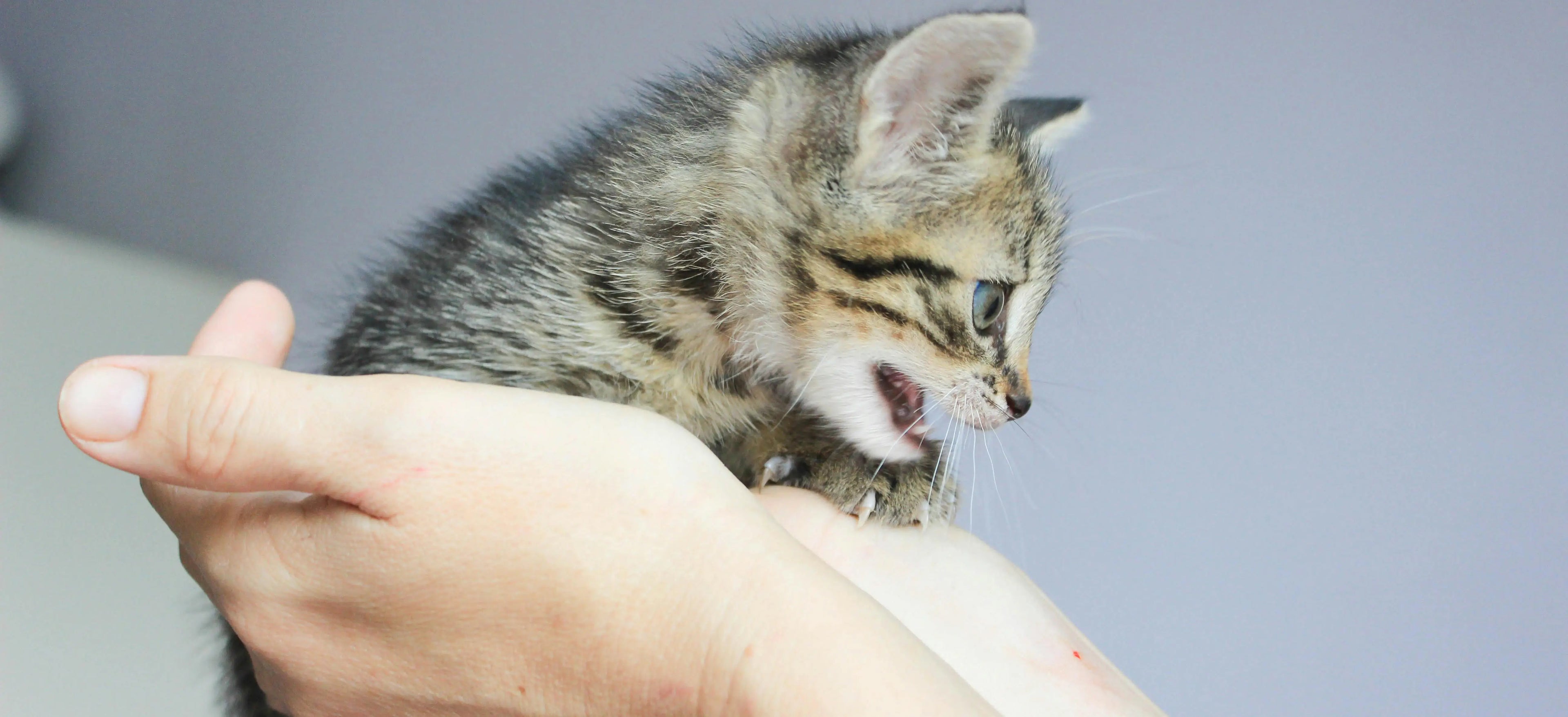
Playful biting is common in kittens and young cats. They use their mouths to explore and interact, much like children do with their hands. You might notice gentle nibbles during play, but if you encourage this, it can become a habit that’s harder to break later.
If your cat bites during play, try offering toys instead of your hands. This teaches them where biting is acceptable and keeps playtime fun for both of you.
Fear And Anxiety
When a cat feels threatened or scared, biting can be a defense mechanism. You might see this if your cat is cornered or startled suddenly. Watch for signs like flattened ears, dilated pupils, or a twitching tail before a bite happens.
Giving your cat space and avoiding sudden movements can reduce fear-based biting. Have you noticed your cat’s body language before biting? Recognizing these signs can save you from unexpected nips.
Overstimulation
Sometimes, petting your cat too much can cause them to bite. Cats have a limit to how much touch they tolerate before becoming overstimulated. This can happen quickly during what seems like a calm petting session.
Look for tail flicks or skin twitching as warning signs. If you sense your cat is getting overstimulated, stop petting immediately to prevent a bite.
Territorial Aggression
Cats can bite to defend their territory from other animals or even unfamiliar people. This behavior is especially noticeable if your cat suddenly encounters a new pet or guest at home. Territorial aggression is a way to assert dominance and protect their space.
To ease territorial aggression, introduce new pets slowly and create safe zones for your cat. Have you tried giving your cat a quiet area to retreat to during stressful introductions?
Redirected Aggression
Redirected aggression happens when a cat can’t attack the real target and bites something else instead. For example, if your cat sees a bird outside but can’t reach it, they might bite your hand if you try to pet them afterward. This type of biting is confusing but understandable.
When your cat shows signs of agitation, like staring or tail twitching, avoid touching them. Instead, distract them with a toy to help release their energy safely.
Signs Of Aggressive Biting
Recognizing signs of aggressive biting in cats helps prevent injuries. Cats rarely bite without warning. They often show clear signals before biting. Understanding these signs keeps you and your cat safe. Watch carefully for these behaviors.
Body Language Cues
- Stiff body posture shows tension and readiness to bite.
- Raised fur along the back or tail signals fear or anger.
- Swatting with paws often precedes a bite.
- Direct staring without blinking means the cat feels threatened.
- Backing away may turn into sudden lunging and biting.
Vocalizations
- Hissing warns of discomfort and possible attack.
- Growling indicates the cat feels cornered or upset.
- Low-pitched yowls often come just before a bite.
- Sudden loud meows or screams may signal pain or fear.
Tail And Ear Positions
- Tail twitching or lashing shows irritation or agitation.
- Flattened ears pressed against the head warn of aggression.
- Quick flicking of the tail tip often precedes biting.
- Ears turned sideways or backward mean the cat is upset.
Preventing Biting Episodes
Preventing biting episodes in cats helps keep both you and your pet safe. Biting often signals stress, fear, or over-stimulation. Learning how to reduce these triggers improves your cat’s behavior. Patience and understanding play a big role in stopping biting before it starts.
Safe Play Techniques
Use toys instead of hands for playtime. Wand toys and balls keep your fingers safe. Avoid roughhousing that encourages biting. Short play sessions help prevent over-excitement. Give your cat breaks if they get too wild.
Recognizing Warning Signs
Watch for tail flicking or ears going back. A sudden stare or growl means your cat feels uneasy. Quick movements or skin twitching can signal a bite is near. Respect these signs by stopping interaction immediately. This prevents bites and builds trust.
Creating A Calm Environment
Provide quiet spaces where your cat can relax. Soft bedding and hiding spots reduce stress. Keep loud noises and sudden changes to a minimum. Consistent daily routines help your cat feel secure. Calm cats are less likely to bite.
Training To Reduce Aggression
Training your cat to reduce aggressive biting takes patience and consistency. Understanding why your cat bites is important, but knowing how to respond effectively makes all the difference. You have the power to shape your cat’s behavior with the right techniques.
Positive Reinforcement
Reward your cat whenever it behaves calmly around you. Use treats, gentle petting, or soothing words to reinforce good behavior.
Ignore biting attempts instead of punishing them. This teaches your cat that biting doesn’t get attention or rewards.
Have you noticed how quickly your cat learns to associate gentle play with treats? This connection is key to reducing aggression.
Redirecting Behavior
If your cat starts to bite, redirect its attention to something appropriate. For example, offer a toy or move away calmly to signal biting is unacceptable.
Consistency matters. Always redirect biting to a toy or quiet time so your cat understands what is okay and what is not.
Think about how easily you can change your cat’s focus with a simple gesture or sound. Are you ready to use that power?
Using Toys Effectively
Choose interactive toys that encourage your cat to hunt and pounce safely. Wand toys, feather teasers, and laser pointers work well.
Play sessions should be frequent and timed before your cat becomes overstimulated and bites out of frustration.
Try ending playtime with a toy your cat can chew. This helps satisfy biting urges without harming your skin or furniture.
When To Seek Veterinary Help
Biting is a natural behavior for cats, but sudden changes in this habit need attention. Persistent or aggressive biting may signal health or emotional problems. Knowing when to seek veterinary help protects your cat and your home. Early intervention can prevent serious issues and improve your cat’s quality of life.
Medical Causes
Some cats bite due to pain or illness. Dental problems, infections, or injuries cause discomfort. Conditions like arthritis or neurological issues may increase irritability. A vet exam helps find hidden medical problems. Treating these issues often reduces biting behavior.
Behavioral Consultation
Frequent biting might come from stress or anxiety. Cats under pressure can act out aggressively. A vet can recommend a behavior specialist. Experts analyze triggers and suggest training or environment changes. This support helps calm your cat and reduce biting.
Medication Options
In some cases, medication supports behavior management. Drugs can ease anxiety or mood disorders in cats. A vet prescribes the right medicine after evaluation. Medication is often combined with behavior therapy. It helps make your cat more relaxed and less likely to bite.
Credit: tryfurgo.com
Tips For Owners And Caregivers
Understanding how to manage your cat’s biting behavior is key to building a trusting and happy relationship. Your approach as an owner or caregiver can either calm or escalate the issue. Here are some practical tips to help you handle biting effectively and create a peaceful environment for both you and your feline friend.
Consistent Routine
Cats thrive on predictability. Establishing a daily routine for playtime, feeding, and rest helps your cat feel secure and reduces anxiety-driven biting.
Set specific times for interactive play to channel your cat’s energy positively. Use toys like feather wands or laser pointers instead of your hands to prevent confusing play with biting.
Consistency in your responses to biting is crucial. If you suddenly allow biting sometimes but not others, your cat can get mixed signals, which makes training harder.
Avoiding Punishment
It’s tempting to scold or push your cat away when bitten, but punishment often worsens behavior. Cats don’t associate punishment with their actions like humans do.
Instead of punishment, redirect your cat’s biting to a toy or engage them in a different activity. This teaches them what is acceptable without fear or stress.
Have you noticed that yelling makes your cat hide or become more aggressive? That’s a sign that punishment isn’t helping and might damage your bond.
Patience And Understanding
Changing biting behavior takes time. Your cat might test boundaries repeatedly before learning what is okay.
Observe what triggers the biting—are they overstimulated, scared, or just playful? Recognizing these signs helps you respond appropriately.
Remember, your calm and patient attitude reassures your cat. How you handle each moment teaches them how to behave next time.

Credit: www.catschool.co
Frequently Asked Questions
Why Do Cats Bite During Play?
Cats bite during play to practice hunting skills. It’s a natural behavior but can be controlled with toys. Biting shows excitement but shouldn’t hurt humans. Redirecting their energy to toys helps reduce unwanted biting.
How Can I Stop My Cat From Biting?
To stop biting, avoid using hands as toys. Use interactive toys and reward gentle behavior. Consistent training and positive reinforcement teach cats appropriate play. Avoid punishment, as it may cause fear or aggression.
Is Cat Biting A Sign Of Aggression?
Not always. Cats bite out of fear, pain, or overstimulation. Understanding body language helps identify aggressive bites. Calm environments and gentle handling reduce aggressive behavior. Seek vet advice if biting worsens or is frequent.
When Do Kittens Start Biting Behavior?
Kittens start biting around 3 to 4 weeks old. It’s part of learning social skills with siblings and humans. Proper socialization helps control biting as they grow. Early gentle play encourages good biting habits.
Conclusion
Understanding why cats bite helps improve your bond with them. Cats may bite from play, fear, or stress. Watch their body language to spot warning signs early. Offer toys for safe biting and avoid using your hands. Patience and gentle training reduce biting over time.
Remember, biting is a form of communication for cats. Respect their signals to keep both safe and happy. Small changes in your behavior make a big difference. Your cat will trust you more and bite less. Keep learning and enjoy a peaceful relationship with your pet.
