

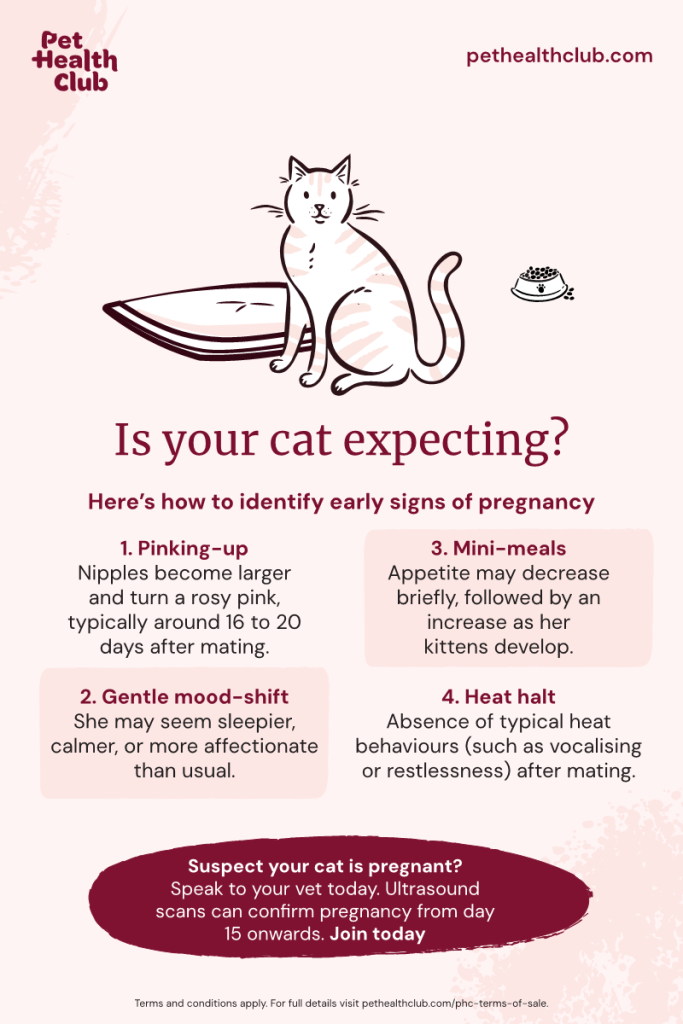
Are you eagerly anticipating the arrival of a new litter of kittens? As a cat owner, witnessing the miracle of birth can be a magical yet nerve-wracking experience.
Understanding your cat’s behavior before labor can ease your worries and help you prepare for this special moment. You might notice changes in your feline friend that leave you curious or even concerned. Does she seem restless, or is she seeking more attention than usual?
These behaviors could be her way of signaling that the big day is near. By recognizing these signs, you can ensure your cat is comfortable and ready for a smooth delivery. Stick around to discover the key indicators of feline labor, so you can be the best support for your furry friend during this extraordinary time.
Early Nesting Actions
Before giving birth, cats show clear signs of preparing their nest. These early nesting actions are important for the safety and comfort of the mother and her kittens. Cats become more focused and restless. They seek a quiet, secure place to welcome their new babies.
Searching For A Safe Spot
Cats look for a hidden and quiet location. This spot is often small and away from noise or foot traffic. It can be under furniture, inside a closet, or a secluded corner. The area must feel safe and warm. This helps the mother feel calm and ready for labour.
Gathering Soft Materials
Once the spot is chosen, cats start collecting soft items. They use blankets, towels, or pieces of cloth. Sometimes, they pull fur from their bodies to add extra softness. This creates a cozy bed to keep the kittens warm and comfortable. The soft nest also protects the newborns from cold floors.

Credit: medium.com
Changes In Appetite
Changes in appetite are common signs that a cat is nearing labor. These shifts help prepare her body for the birthing process. Owners should watch closely for any noticeable differences in eating and drinking habits.
Reduced Food Intake
Many cats eat less before labor. This drop in appetite can start a day or two before delivery. The cat’s body focuses energy on giving birth rather than digestion. Some cats may refuse food completely. Others might nibble small amounts. This behavior is normal and shows her body’s natural preparation.
Hydration Habits
Hydration needs may change as labor approaches. Some cats drink more water to stay hydrated. Others might drink less due to discomfort. Providing fresh water nearby is important. Watch if your cat drinks frequently or avoids water. Both can indicate how she feels before labor.
Restlessness And Pacing
Before a cat goes into labor, you might notice a shift in her behavior marked by restlessness and pacing. This change can be subtle or quite obvious, depending on your cat’s personality. Observing these signs closely helps you prepare for her delivery and provide the right support when she needs it most.
Frequent Position Changes
Your cat may keep shifting her position, unable to settle comfortably. She might lie down, then sit up, or move from one cozy spot to another repeatedly. This behavior shows she’s trying to find the perfect place to give birth, signaling that labor could start soon.
If you see her constantly adjusting, check her nesting area. Is it quiet, warm, and safe? Sometimes just improving her environment can help her relax and feel more secure.
Increased Vocalization
Many cats become more vocal right before labor begins. You might hear unusual meows, growls, or even yowls that seem out of character. This vocalization can indicate discomfort or anxiety as her body prepares for delivery.
Try to stay calm and speak softly to her during these moments. Your presence and gentle reassurance can ease her stress and make her feel less alone.
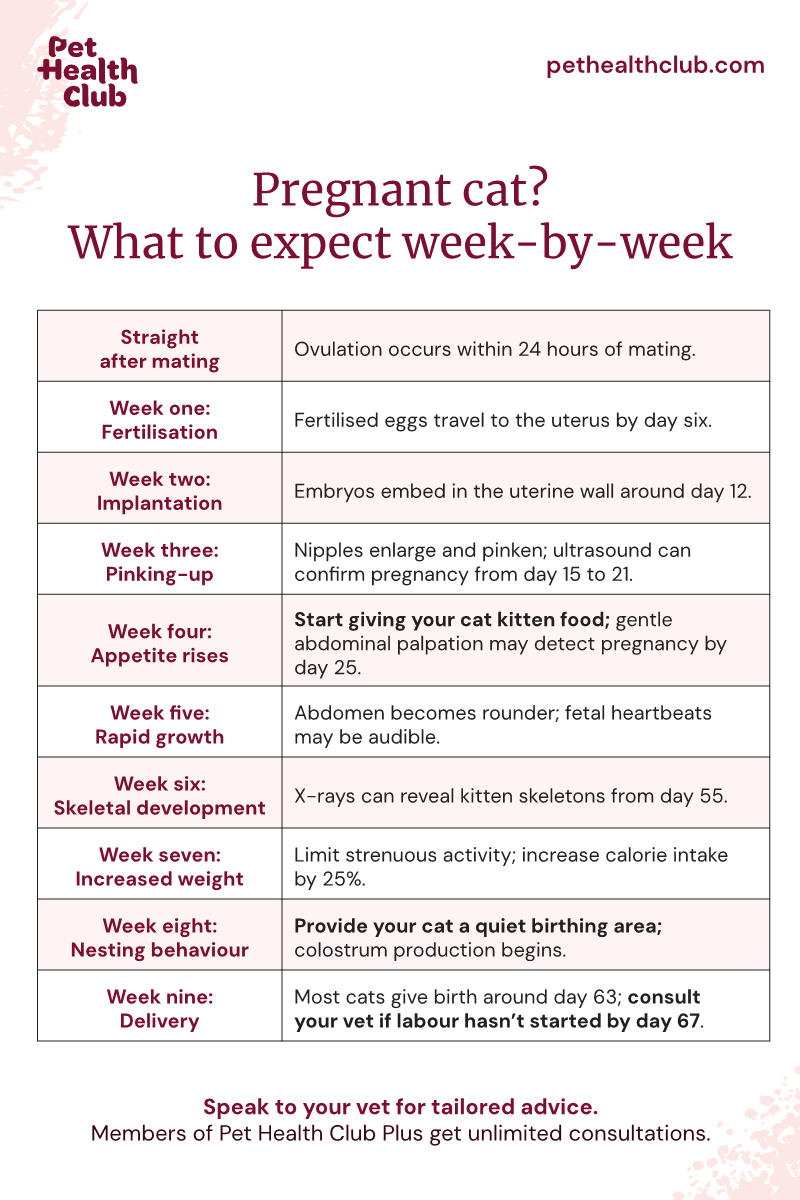
Credit: www.pethealthclub.com
Physical Signs
Recognizing the physical signs your cat exhibits before labour can help you prepare for her arrival and ensure she gets the right care at the right time. These signs are often subtle but clear once you know what to look for. Paying close attention to these changes gives you the chance to create a calm and safe space for your cat as she gets ready to give birth.
Swollen Mammary Glands
One of the earliest physical signs is the swelling of your cat’s mammary glands. These glands become enlarged and may feel warm to the touch as they prepare to produce milk. You might notice the nipples becoming more prominent and slightly pinker than usual.
This change can start several days before labour, so it’s a good indicator that your cat is nearing delivery. Have you checked your cat’s belly recently? Noticing these changes early lets you monitor her comfort and health closely.
Body Temperature Drop
A sudden drop in your cat’s body temperature is a clear sign that labour is approaching. Normally, a cat’s temperature ranges between 100.5°F and 102.5°F (38°C to 39.2°C). When it dips below 99°F (37.2°C), labour usually begins within 24 hours.
You can easily check this with a digital rectal thermometer for accuracy. This simple step can alert you to the start of labour well before any visible contractions begin. How often do you check your cat’s temperature during the final days of pregnancy?
Behavior Towards Humans
Cats show clear signs in how they behave around humans before giving birth. Their actions often change as they prepare for labour. Understanding these behaviors helps pet owners provide the right care and comfort at this critical time. Cats may either seek closeness or prefer to be alone.
Seeking Comfort
Pregnant cats often look for a safe and quiet place near their owners. They want to feel calm and protected. Cats may follow their humans around more than usual. They enjoy gentle petting and soft voices. This closeness helps them feel less stressed. Providing a cozy spot nearby can make them feel secure.
Avoiding Interaction
Some cats prefer to stay away from people as labour nears. They may hide in quiet corners or under furniture. This behavior is natural and shows they want privacy. Avoid forcing contact or loud noises near them. Respect their space so they can rest peacefully. Giving them time alone is important for their well-being.
Timing And Duration
Understanding the timing and duration of your cat’s labour can make a big difference in how prepared and calm you feel. Cats don’t always follow a strict schedule, but knowing the signs and typical timelines helps you spot when things are moving forward. This knowledge is crucial for providing the right support at the right moment.
When Labour Begins
Labour usually starts with noticeable behavior changes. Your cat may become restless, pace around, or repeatedly visit her nesting spot. Some cats hide away, while others seek more attention from their owners.
Physical signs include a drop in body temperature, often below 100°F (37.8°C), which can happen 12 to 24 hours before labour starts. You might also see mild contractions or your cat licking her genital area frequently.
Have you noticed your cat’s routine shifting? These subtle clues often mean the big event is just hours away.
How Long Pre-labour Lasts
Pre-labour can last anywhere from a few hours to a full day. During this phase, contractions might be irregular and mild, and your cat may seem a bit uncomfortable but not in full distress.
It’s normal for some cats to take longer, especially if it’s their first litter. However, if pre-labour extends beyond 24 hours without progress, or if your cat shows signs of severe pain or distress, it’s time to consult your vet.
Keeping a close eye on your cat’s behavior and timing these phases can help you know when to step in and when to let nature take its course.
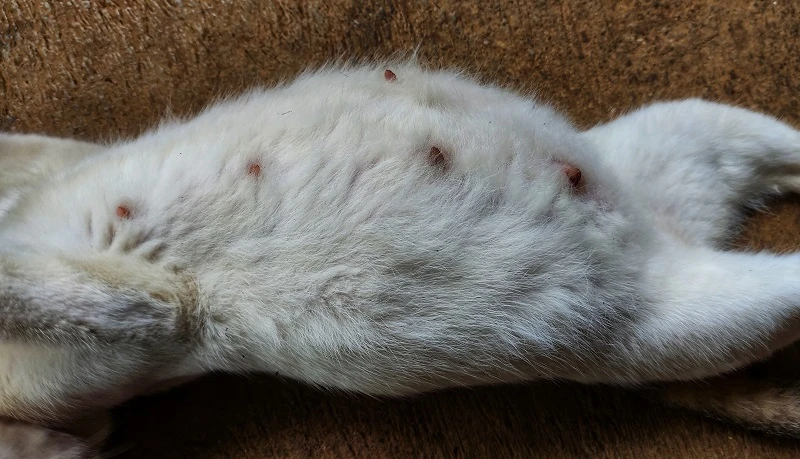
Credit: www.pethealthclub.com
Frequently Asked Questions
What Are Common Signs Of Cat Labour Approaching?
Cats often become restless, hide away, and groom excessively. They may stop eating and show nesting behavior before labour starts.
How Does A Cat’s Behaviour Change Just Before Birth?
A pregnant cat may pace, meow more, and seem anxious. She often seeks a quiet, safe place to deliver kittens.
When Should I Be Concerned About My Cat’s Labour Signs?
If labour lasts more than 24 hours or shows distress signs, contact a vet immediately. Prolonged pain or no kitten delivery needs attention.
How Can I Prepare For My Cat’s Labour At Home?
Provide a quiet, warm nesting box with clean towels. Keep the area calm, free from loud noises and interruptions for comfort.
Conclusion
Watching your cat’s behavior before labor helps you prepare well. Signs like restlessness and nesting show the birth is near. Knowing these signals reduces stress for both you and your cat. Stay calm and provide a quiet, safe space for her.
Remember, each cat may act a little differently. Being patient and observant is key. This way, you can support your cat through a smooth, natural birth process. Caring for her needs before labor strengthens your bond. Keep learning and stay ready for the big moment.
