


Are you curious about how your beloved feline friend will change after spaying? Understanding cat behavior after this common procedure can ease your worries and help you care better for your pet.
You might have noticed changes in your cat’s habits, mood, or even energy levels. But what do these changes mean, and how can you ensure your cat remains healthy and happy? In this blog post, you’ll uncover the surprising ways spaying can impact your cat’s behavior.
You’ll gain insights that not only satisfy your curiosity but also equip you with the knowledge to support your furry companion through this transition. Get ready to discover the fascinating changes that could transform your cat’s life—and yours!
Changes In Activity Levels
Spaying causes noticeable changes in a cat’s activity levels. After the surgery, cats tend to slow down. Their playfulness may decrease, and they might rest more. Understanding these changes helps owners support their pets better during recovery.
Reduced Energy And Playfulness
Many cats show less energy after spaying. They may stop chasing toys as often. Their interest in running and jumping can drop. This shift is normal and temporary. Cats need time to heal and adjust to their new state. Giving them quiet spaces helps them feel safe and calm.
Adjusting To Lowered Hormones
Spaying lowers hormone levels, which affects behavior. Hormones like estrogen influence activity and mood. Without them, cats may become calmer and less active. This hormonal change can reduce restlessness and aggression. Owners may notice their cats spending more time sleeping. Patience is key as cats adapt to these changes.
Appetite And Weight Shifts
After spaying, many cat owners notice changes in their pet’s eating habits and body weight. These shifts can be surprising, especially if your feline suddenly seems hungrier or starts gaining weight without any obvious change in diet. Understanding these changes can help you manage your cat’s health more effectively.
Increased Hunger Signals
Your cat may act like she’s starving after surgery, even if she’s had a full meal. This happens because spaying lowers certain hormones that affect appetite, making your cat feel hungrier than usual.
Don’t let this extra begging fool you into overfeeding. Instead, watch for signs that she’s truly hungry, like sniffing around her food bowl or eating at regular times. Sometimes, offering smaller, more frequent meals can satisfy her without adding extra calories.
Preventing Post-surgery Weight Gain
Weight gain is a common side effect after spaying, but it’s not inevitable. You can help your cat stay fit by adjusting her diet and activity level.
- Measure food portions carefully to avoid accidental overfeeding.
- Choose a balanced diet formulated for spayed or less active cats.
- Encourage playtime with toys or interactive activities to burn calories.
Have you noticed your cat’s energy level drop after surgery? This could mean she’s less active, so matching her calorie intake to her activity is crucial. Regular weigh-ins at home can catch weight gain early, making it easier to manage.
Mood And Temperament
Spaying your cat brings changes beyond just the physical. One of the most noticeable shifts often happens in her mood and temperament. Understanding these changes can help you support your feline friend through her recovery and beyond.
Calmer Behavior Patterns
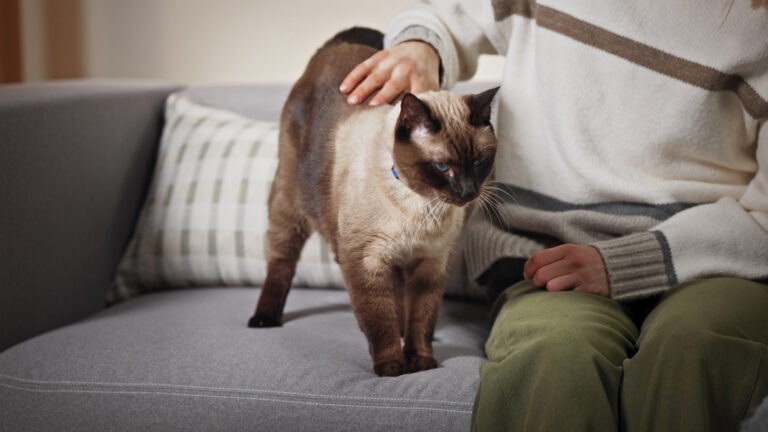
Many cat owners notice their pets become more relaxed after spaying. This is because the removal of hormones like estrogen can reduce restless or aggressive tendencies.
Your cat might be less prone to roaming or marking territory, which often means fewer stressful moments for both of you. You may also see her enjoy more quiet time, curling up in cozy spots rather than pacing or vocalizing.
Have you observed your cat becoming more affectionate or simply more at ease around family members? These calmer behaviors often strengthen your bond and make daily interactions more pleasant.
Handling Possible Irritability
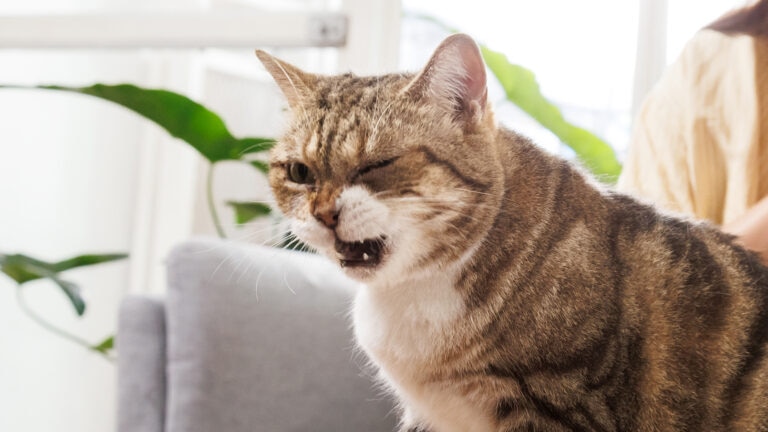
Not every cat responds the same way. Some may show signs of irritability or mood swings shortly after surgery.
This can be due to pain, discomfort, or the adjustment to hormonal changes. Watch for behaviors like growling, hiding, or sudden aggression, which could signal distress.
Helping your cat through this phase means providing a quiet, safe environment and gentle reassurance. You might try:
- Offering soft bedding in a secluded area
- Maintaining a consistent routine to reduce stress
- Using pheromone diffusers to create a calming atmosphere
Have you noticed any triggers that upset your cat during this time? Identifying and minimizing these can ease her mood and promote healing.

Credit: www.reddit.com
Recovery And Healing
Spaying is a common surgery for cats that helps control the pet population. After the surgery, a cat needs time to heal and recover. This phase is important for her health and comfort. Watching your cat closely helps ensure she heals well and stays happy.
Post-surgery Care Tips
- Keep your cat indoors and quiet for at least a week.
- Place her in a warm, comfortable spot away from noise.
- Check the surgery site daily for swelling or redness.
- Prevent licking by using an Elizabethan collar if needed.
- Offer small amounts of water and food at first.
- Follow the vet’s instructions on giving pain medicine.
- Limit jumping and running to avoid pulling stitches.
- Keep litter boxes clean and easy to access.
- Give extra love and gentle petting to soothe her.
Recognizing Complications
- Watch for heavy bleeding or discharge from the incision.
- Notice if your cat shows signs of pain or distress.
- Look for swelling that gets bigger instead of smaller.
- Check if your cat refuses to eat or drink for over 24 hours.
- Observe unusual behavior like hiding or constant crying.
- Be alert for fever or shaking chills.
- Contact the vet immediately if any of these happen.
Litter Box Habits
After spaying, cats may show changes in their litter box habits. These changes are often temporary and linked to the healing process. Understanding what to expect helps reduce worries about your cat’s behavior. Keeping the litter box clean and accessible encourages your cat to use it properly. Monitoring your cat closely during recovery supports healthy habits and prevents accidents.
Temporary Changes To Expect
Some cats might avoid the litter box for a short time after surgery. This behavior can happen because of discomfort or soreness near the incision. Your cat may also urinate or defecate outside the box if the litter feels rough or irritating. Mild changes in bathroom habits usually last a few days. Watch for signs of pain or infection around the spay site.
Encouraging Normal Use
Keep the litter box clean and easy to reach. Choose soft, unscented litter to avoid irritation. Place the box in a quiet, low-traffic area where your cat feels safe. Gently guide your cat to the box after meals or naps. Praise your cat calmly when it uses the litter box correctly. If accidents occur, clean the area thoroughly to remove odors. This helps prevent repeat accidents in the same spot.
Supporting Emotional Well-being
Supporting a cat’s emotional well-being after spaying is vital for a smooth recovery. Cats may feel confused or anxious due to changes in their bodies and routines. Creating a calm and safe environment helps them adjust faster. Simple actions by owners can ease stress and promote healing.
Providing Comfort And Security
Offer a quiet and cozy space for rest. Use soft bedding in a low-traffic area. Keep the room temperature comfortable, not too hot or cold. Speak softly around your cat to avoid startling her. Keep food and water nearby to reduce movement. Let your cat approach you on her own terms. Avoid loud noises and sudden changes in the environment. Gentle petting can soothe, but watch for signs of discomfort. Your calm presence reassures your cat she is safe.
Engaging In Gentle Play
Light play helps reduce anxiety and boredom. Use soft toys that do not require vigorous movement. Short, slow play sessions prevent overexertion. Interactive toys like feather wands encourage gentle chasing. Observe your cat’s energy levels carefully. Stop play if she seems tired or stressed. Play also strengthens the bond between you and your pet. It provides mental stimulation without risking injury. Keep playtime calm and positive to build confidence.
Long-term Health Benefits
Spaying your cat offers more than just immediate relief from unwanted litters. It sets the stage for a healthier future by significantly lowering health risks and encouraging better behavior over time. Understanding these long-term benefits can help you appreciate the positive impact spaying has on your cat’s life and wellbeing.
Reduced Risk Of Certain Diseases
Spaying drastically cuts down the chances of your cat developing uterine infections and breast tumors, especially if done before her first heat cycle. These health issues can be painful and expensive to treat, but spaying acts as a powerful preventive measure. Have you noticed how your cat seems more energetic and comfortable months after spaying? That’s often because her body is free from the stress and risks associated with reproductive health problems.
Additionally, spayed cats rarely face ovarian or uterine cancers, diseases that can severely affect quality of life. This means fewer trips to the vet and more years of happy companionship. If you want your cat to avoid these serious illnesses, spaying is a step you shouldn’t overlook.
Behavioral Improvements Over Time
Spaying also influences your cat’s behavior in ways that benefit both of you. Over time, many owners notice a decrease in yowling, roaming, and marking territory with urine—behaviors commonly linked to heat cycles. Imagine your home without the stress of your cat’s loud calls and frantic pacing during heat; spaying makes this possible.
These behavioral changes don’t happen overnight but develop gradually, reinforcing a calmer and more affectionate personality. You may find your cat more focused on play and cuddling rather than searching for a mate. How would a quieter, more relaxed cat change your daily life?
Credit: www.chewy.com
Credit: www.chewy.com
Frequently Asked Questions
How Does Spaying Affect A Cat’s Behavior?
Spaying reduces hormone-driven behaviors like spraying and yowling. Cats often become calmer and less aggressive. It also lowers roaming tendencies, making them safer indoors and more affectionate towards owners.
When Do Behavior Changes Appear After Spaying?
Behavior changes usually begin within a week post-surgery. Hormonal shifts start quickly, influencing mood and activity. Full adjustment may take a few weeks as your cat heals and settles.
Will Spaying Make My Cat Less Active?
Spayed cats may have slightly reduced activity due to hormonal changes. However, most cats remain playful and lively with proper exercise and care. Diet management is important to prevent weight gain.
Can Spaying Affect My Cat’s Mood Or Temperament?
Yes, spaying can lead to a calmer, more even-tempered cat. Reduced hormone levels decrease irritability and aggression. Most owners notice increased affection and contentment in their cats after recovery.
Conclusion
Spaying changes a cat’s behavior in many gentle ways. Most cats become calmer and less restless after surgery. They may show less desire to roam or mark territory. Some cats gain a little weight, so watch their food intake. Always give your cat time to heal and adjust.
Remember, each cat reacts in its own way. Understanding these changes helps you care for your pet better. Keep loving your cat, and enjoy the new calm moments together.
