

Are you struggling to understand why your cat acts a certain way? Do you wish your furry friend would listen better and behave more calmly at home?
Cat behavior training can help you build a stronger bond with your pet and make daily life more enjoyable for both of you. You’ll discover simple, practical tips to guide your cat’s behavior without stress or frustration. Keep reading to unlock the secrets that will transform your relationship with your cat for good.
:strip_icc()/spruce-pets-cat-clicker-training-5594c453bd7f499aa8e7cf756d485afc.png)
Credit: www.thesprucepets.com
Common Cat Behaviors
Understanding common cat behaviors is key to building a strong bond with your feline friend. Cats communicate in subtle ways, and recognizing their actions helps you respond appropriately. Sometimes, what seems like a problem is just normal cat behavior waiting for you to understand it better.
Normal Vs Problematic Actions
Not every behavior from your cat needs fixing. Scratching furniture is normal because cats need to sharpen their claws and mark territory. However, if your cat scratches everywhere and shows aggression, it could signal stress or boredom.
Pay attention to frequency and intensity. Excessive meowing or sudden changes might point to health issues or anxiety. Ask yourself: Is this behavior new, or has it always been part of your cat’s routine?
Body Language Signals
Cats use body language to express feelings clearly. A flicking tail often means irritation, while a slow blink is a sign of trust. You might notice your cat’s ears flatten when scared or angry—watch closely to avoid unwanted scratches.
Learning these signals helps you respect their space and build trust. Have you noticed how your cat’s eyes, whiskers, and posture change during interaction? These clues reveal what your cat wants or needs.
Play And Hunting Instincts
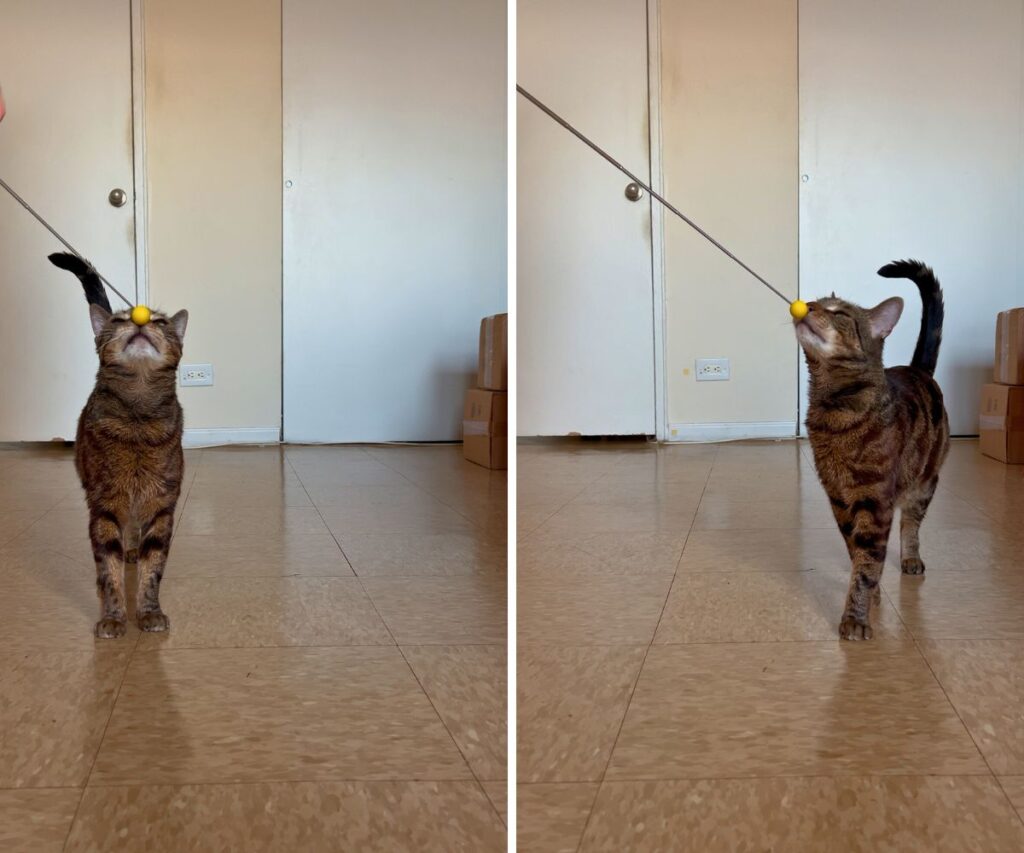
Your cat’s play mimics hunting behavior, which is natural and necessary. Toys that move like prey help satisfy this instinct and keep your cat active. Ignoring this need can lead to destructive behavior or obesity.
Try interactive play sessions daily to keep your cat engaged. Does your cat chase laser pointers or prefer pouncing on feather toys? Observing preferences lets you customize playtime and strengthen your connection.
Credit: caticles.com
Identifying Behavior Issues
Recognizing behavior issues in your cat early can save you from frustration and help build a stronger bond. Sometimes, what seems like bad behavior is your cat trying to communicate a need or discomfort. Paying close attention to changes in how your cat acts will guide you toward the right training or intervention.
Aggression And Fear
Aggression in cats often signals fear, pain, or stress rather than just a bad attitude. You might notice hissing, swatting, or biting when your cat feels cornered or threatened.
Observe when and where the aggression happens. Does your cat lash out during play, or only when strangers approach? This helps you understand the root cause.
Fear-based aggression can be reduced by creating safe spaces and using gentle, consistent interactions. Have you tried letting your cat approach you on its own terms instead of forcing contact?
Litter Box Problems
When your cat stops using the litter box, it’s not just a cleanliness issue. It often points to medical problems, stress, or dissatisfaction with the box setup.
Check for changes like new household members, different litter types, or dirty boxes that might upset your cat. Sometimes, placing multiple litter boxes in quiet, accessible spots makes a big difference.
Have you noticed your cat avoiding the box after a recent change? That could be a key clue to solve the problem quickly.
Excessive Meowing
Excessive meowing can be your cat’s way of asking for attention, expressing discomfort, or signaling boredom. Some breeds are naturally more vocal, but sudden increases in noise should raise a flag.
Try to identify patterns: Is the meowing louder at night or during your absence? Recording these moments can help you pinpoint triggers.
Have you considered enriching your cat’s environment with toys or interactive play to reduce demand for attention through meowing?
Positive Reinforcement Techniques
Positive reinforcement techniques help shape your cat’s behavior by rewarding good actions. This approach encourages cats to repeat behaviors you want to see. It builds trust and makes training fun for both you and your pet.
Using rewards motivates your cat and creates a strong bond. Patience and consistency are key. Each positive action should be followed by a reward right away.
Using Treats Effectively
Treats are powerful tools for training cats. Choose small, tasty treats your cat loves. Too many treats can cause health problems. Use treats only as a reward, not as regular snacks.
- Offer treats immediately after the desired behavior.
- Keep treats small to avoid overfeeding.
- Use high-value treats for new or difficult behaviors.
- Mix treats with praise and petting for extra motivation.
Clicker Training Basics
Clicker training uses a small sound device to mark good behavior. The click tells your cat exactly what action earned the reward. This method helps cats learn faster and reduces confusion.
- Start by clicking and giving a treat to create a positive link.
- Use the click sound only when your cat does the right action.
- Practice short sessions for better focus and results.
- Gradually reduce treats, keeping the click as the main signal.
Reward Timing Tips
Timing is crucial in positive reinforcement. The reward must come immediately after the behavior. Delays confuse your cat and weaken the training effect.
- Watch closely for the exact moment of the behavior.
- Give the treat or click within one second of the action.
- Practice often to improve your timing skills.
- Consistency helps your cat understand which actions earn rewards.
Redirecting Unwanted Actions
Redirecting unwanted actions in cats is about guiding their natural instincts toward behaviors that are acceptable in your home. Instead of punishing your cat, which can create fear or confusion, you help them understand what’s okay to do. This approach strengthens your bond and keeps your cat happy and your belongings safe.
Safe Alternatives For Scratching
Cats need to scratch to keep their claws healthy and mark their territory. Providing safe alternatives, like scratching posts or pads, satisfies this urge without damaging your furniture.
- Place scratching posts near favorite resting spots or windows.
- Use different materials, such as sisal or cardboard, to find what your cat prefers.
- Encourage use by rubbing catnip on posts or dangling toys nearby.
Have you noticed your cat ignoring certain posts? Try moving them or changing textures until you find the perfect match.
Discouraging Biting And Clawing
Biting and clawing often happen during play, but it’s important to teach your cat that your skin isn’t a toy. Redirect their energy to appropriate toys instead of your hands or feet.
- Stop play immediately if your cat bites or claws you.
- Offer a toy to bite or claw instead, like a wand or plush mouse.
- Reward gentle play with treats or praise to reinforce good behavior.
Does your cat get overly excited during play? Shorter, more frequent play sessions can help reduce aggressive behaviors.
Managing Nighttime Activity
Many cats become lively at night, which can disrupt your sleep. Redirect this energy to daytime hours to help everyone rest better.
- Increase active playtime during the day, especially before your bedtime.
- Feed your cat a small meal right before you go to bed to encourage sleep.
- Create a cozy sleeping area that feels safe and inviting.
Have you tried adjusting your cat’s schedule to match yours? It can take patience, but your nights will become much calmer.
Environmental Enrichment
Environmental enrichment plays a crucial role in shaping your cat’s behavior. It keeps them active, reduces stress, and prevents boredom. By changing their surroundings and adding stimulating elements, you help your cat stay happy and healthy.
Interactive Toys And Games
Interactive toys engage your cat’s natural hunting instincts. Toys that move, make noise, or hide treats challenge your cat mentally and physically. Think about puzzle feeders or laser pointers that encourage movement and problem-solving.
Have you noticed how your cat’s eyes light up when chasing a feather wand? That instant burst of excitement shows how much they enjoy interactive play. Try rotating toys regularly to keep things fresh and interesting for your feline friend.
Creating Vertical Spaces
Cats love to climb and perch up high. Vertical spaces like cat trees, shelves, or window perches provide safe spots for observation and relaxation. These elevated areas help your cat feel secure and in control of their environment.
Adding vertical elements can reduce conflicts if you have multiple cats. Each one can claim their own territory without feeling threatened. Consider placing these spaces near sunny windows or quiet corners to create cozy retreats.
Stimulating Senses
Engage your cat’s senses to keep their mind sharp. Use catnip, different textures, or scented toys to provide new experiences. Changing the environment with sounds like gentle music or nature noises can also have a calming effect.
What new scent or texture could you introduce to spark your cat’s curiosity? Even simple changes, like a crinkly paper ball or a fresh piece of cardboard, can delight your pet. Sensory stimulation encourages exploration and reduces destructive behavior.
Consistency And Patience
Training a cat requires steady effort and calm persistence. Cats learn best when actions stay the same every day. Sudden changes confuse them and slow progress. Patience helps owners stay calm during slow or tough moments.
Consistency builds trust between you and your cat. It also helps your cat understand what you want. Training becomes easier when both follow a clear plan. This section explains how to stay steady and patient.
Setting Realistic Goals
Set small, clear goals for your cat’s training. Avoid expecting big changes too fast. Cats need time to learn new habits. Goals like “sit for a treat” or “use the litter box” work well.
Track progress in simple steps. Celebrate little wins to stay motivated. Realistic goals help avoid frustration for both you and your cat.
Maintaining Routine
Keep training sessions at the same time each day. Cats respond well to regular schedules. A quiet, calm place helps your cat focus. Use the same commands and rewards every time.
Consistent routines make learning easier. Your cat knows what to expect and feels safe. This reduces stress and improves behavior.
Handling Setbacks
Setbacks happen and do not mean failure. Your cat might forget or resist new commands sometimes. Stay calm and do not punish. Gentle reminders and short breaks help.
Look for small signs of progress, even during setbacks. Adjust your methods if needed, but keep routines steady. Patience helps your cat try again with confidence.
When To Seek Professional Help
Sometimes, cat behavior challenges need more than home training. Professional help can guide you through tough situations. Early support can improve your cat’s well-being and your bond. Watch for signs that suggest expert advice is necessary. Persistent issues or sudden changes in behavior often require professional care.
Behavioral Therapy Options
Certified cat behaviorists offer tailored plans for common problems. They assess your cat’s environment and routines. Therapy may include:
- Positive reinforcement techniques
- Environmental enrichment
- Stress reduction strategies
These methods help reduce anxiety and unwanted actions. Behaviorists also teach owners how to maintain progress.
Veterinary Consultation
Veterinarians check for health problems behind behavior changes. They perform exams and diagnostic tests. Some behaviors stem from pain or discomfort. Treatment might involve medication or lifestyle adjustments. Regular vet visits ensure your cat’s overall health.
Recognizing Medical Causes
Illnesses can cause aggression, hiding, or litter box issues. Common medical causes include:
- Urinary tract infections
- Thyroid problems
- Dental pain
- Neurological disorders
Identifying these issues early prevents worsening symptoms. Professional diagnosis is key to proper care and recovery.

Credit: petsittersinternational.teachable.com
Frequently Asked Questions
What Are The Basics Of Cat Behavior Training?
Cat behavior training focuses on positive reinforcement, consistency, and patience. It helps cats learn desired actions and reduce unwanted behaviors.
How Can I Stop My Cat From Scratching Furniture?
Provide scratching posts and reward use. Use deterrents on furniture and redirect scratching to approved areas consistently.
Why Is Understanding Cat Body Language Important?
Understanding cat body language helps in interpreting their moods and needs. It improves communication and strengthens the human-cat bond.
Can I Train My Cat To Use The Litter Box?
Yes, most cats learn litter box use naturally. Keep the box clean, accessible, and reward successful use promptly.
Conclusion
Training your cat helps build a strong bond and trust. Consistency and patience bring the best results. Each cat learns at its own pace. Simple steps make behavior training easier and more fun. Understanding your cat’s needs reduces problems and stress.
Small efforts every day create lasting good habits. Enjoy the process and celebrate each success. Your cat will feel happier and more confident. Training is a gift for both you and your pet. Keep practicing, and watch your cat grow calm and well-behaved.
