

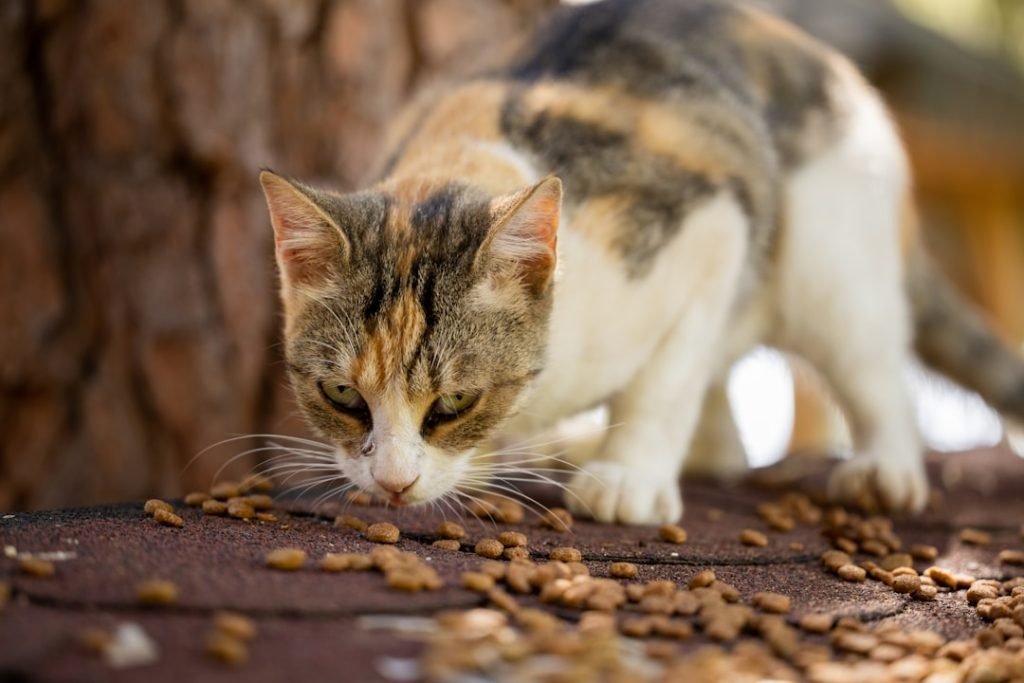
Are you struggling to keep your cat happy while managing your own allergies? Finding the right cat food can make a big difference for both you and your furry friend.
Imagine a solution that helps reduce allergy symptoms without compromising your cat’s health and taste preferences. You’ll discover how the right cat food can ease your cat allergy challenges and keep your bond strong. Keep reading to find out what ingredients to look for, which brands stand out, and how to make allergy-friendly choices that work for you and your pet.
Credit: www.purina.com
Causes Of Cat Allergies
Understanding the causes of cat allergies is essential if you want to keep your feline friend healthy and comfortable. Allergies in cats often stem from their environment or what they eat. Identifying the triggers can help you make better choices about your cat’s food and surroundings.
Common Allergens In Cats
Cats can develop allergies to various substances, but certain allergens are more common than others. Many cats react to specific proteins found in their food, such as:
- Beef
- Chicken
- Fish
- Dairy products
Environmental factors also play a role. Dust mites, pollen, mold spores, and flea bites are frequent offenders that might cause allergic reactions.
Have you noticed if your cat’s symptoms flare up after exposure to certain foods or places? Tracking this can be a useful step toward identifying the culprit.
Symptoms To Watch For
Allergic reactions in cats can show up in many ways. Common signs include:
- Itchy skin or excessive scratching
- Red or inflamed skin patches
- Hair loss in certain areas
- Frequent sneezing or coughing
- Digestive issues like vomiting or diarrhea
Keep an eye on your cat’s behavior and appearance. Sometimes subtle changes like persistent licking or head shaking can signal an allergy.
Do you know what symptoms your cat is showing? Noticing these early can help you act quickly and consult your vet for the right allergy-friendly cat food.
How Cat Food Triggers Allergies
Cat food can sometimes cause allergic reactions in cats. Allergies happen when a cat’s immune system reacts to certain proteins or ingredients. These reactions can cause itching, digestive problems, and other health issues. Understanding how cat food triggers allergies helps pet owners choose the right diet.
Ingredients That Cause Reactions
Some ingredients in cat food can trigger allergies more often than others. Common culprits include:
- Beef
- Chicken
- Fish
- Dairy products
- Eggs
- Grains like wheat and corn
Proteins from these ingredients can cause an immune response. Cats may develop symptoms like itchy skin, hair loss, or vomiting. Some cats react to artificial additives and preservatives too.
Food Intolerance Vs. Allergy
Food intolerance is different from an allergy. Intolerance means the cat has trouble digesting certain foods. It usually causes stomach upset or diarrhea. An allergy involves the immune system and can affect skin, breathing, and other areas.
Allergies are often more serious and require special diets. Intolerance might improve by changing the food type or brand. Knowing the difference helps in managing your cat’s health better.
Choosing Allergy-friendly Cat Food
Choosing the right food for a cat with allergies can ease discomfort and improve health. Allergy-friendly cat food reduces the chances of reactions. It focuses on simple, safe ingredients that support sensitive tummies and skin. Understanding the types of allergy-friendly food helps in making the best choice for your cat’s needs.
Hypoallergenic Formulas
Hypoallergenic cat food contains proteins broken down into tiny parts. These small protein pieces are less likely to trigger allergies. This food type is designed for cats with severe food sensitivities. It helps reduce itching, redness, and digestive upset. These formulas often avoid common allergens like beef, dairy, and wheat.
Limited Ingredient Diets
Limited ingredient diets use a few simple ingredients. This reduces the chance of allergic reactions. They often include one protein and one carbohydrate source. These diets make it easier to spot the cause of allergies. Such diets help cats with food intolerances or sensitivities.
Novel Protein Sources
Novel proteins come from animals your cat has not eaten before. Examples include duck, rabbit, or venison. These proteins lower allergy risks because the cat’s body is not used to them. Novel protein foods offer variety and are gentle on the stomach. They support cats with common protein allergies.
Homemade Diets For Sensitive Cats
Feeding a cat with allergies can feel like walking through a minefield. Commercial foods often contain ingredients that trigger reactions, leaving you worried about your furry friend’s health. Creating homemade diets tailored to your sensitive cat’s needs can give you control and peace of mind.
Benefits Of Homemade Meals
Making meals at home allows you to carefully select every ingredient, reducing the chance of allergens. You know exactly what’s going into your cat’s bowl, which helps avoid mystery additives. Many cat owners find their pets’ symptoms improve significantly when switching to homemade food.
Homemade diets also let you adjust portions and textures to suit your cat’s preferences and digestive needs. Plus, it’s an opportunity to bond with your pet through the care and attention you put into their meals. Have you noticed your cat’s energy or coat quality improve after trying homemade food?
Essential Nutrients To Include
It’s crucial to ensure your cat’s homemade diet covers all the basics to keep them healthy and happy. Protein is the foundation, so include high-quality sources like cooked chicken, turkey, or fish. Avoid raw meat to prevent bacterial risks unless you have veterinary guidance.
Don’t forget taurine, an amino acid essential for cats that isn’t found in plant-based foods. You can add taurine supplements or include animal organs like heart or liver in small amounts. Fat is also important for energy and skin health, so add a bit of fish oil or chicken fat.
Calcium and phosphorus must be balanced, often through ground eggshells or specific supplements. A multivitamin designed for cats can fill in any gaps. Would you consider consulting your vet or a pet nutritionist to tailor a recipe that fits your cat’s unique needs?
Supplements And Additives
Supplements and additives play a vital role in cat allergy cat food. They help improve your cat’s health and comfort. These extra ingredients support the immune system and reduce allergic reactions. Choosing the right supplements makes a big difference in managing allergies.
Omega Fatty Acids
Omega fatty acids are essential for skin and coat health. They reduce inflammation and itching caused by allergies. These fats help repair the skin barrier, preventing allergens from entering. Fish oil and flaxseed oil are common sources of omega fatty acids in cat food.
Regular intake of omega fatty acids can soothe irritated skin. It also promotes a shiny, soft coat. Cats with allergies often show improvement with omega supplementation.
Probiotics For Digestive Health
Probiotics support a healthy gut by balancing good bacteria. A strong digestive system helps reduce allergic reactions. Probiotics improve nutrient absorption and boost the immune system.
Adding probiotics to allergy cat food can ease digestive upset. They help prevent diarrhea and other stomach problems. Healthy digestion also means better overall health for your cat.
Credit: www.purina.com
Tips For Managing Cat Allergies
Managing cat allergies requires careful attention and daily effort. Understanding the key steps helps reduce allergic reactions. Small changes can improve your cat’s health and comfort.
Regular Vet Checkups
Schedule vet visits frequently to monitor your cat’s condition. The vet can detect allergies early and suggest treatments. Regular checkups help track any changes in symptoms or health. Your vet may recommend allergy tests or special diets.
Environmental Control
Keep your home clean to lower allergens. Vacuum carpets and furniture often to remove dust and dander. Use air purifiers to improve air quality. Wash your cat’s bedding weekly in hot water. Limit your cat’s access to dusty or moldy areas.
Monitoring Food Reactions
Observe your cat’s response to new foods carefully. Introduce new cat food slowly to spot any problems. Look for signs like itching, vomiting, or diarrhea. Keep a food diary to track what your cat eats and any reactions. Choose hypoallergenic cat food recommended by your vet.

Credit: www.amazon.com
Frequently Asked Questions
What Causes Cat Allergies Related To Cat Food?
Cat allergies often stem from proteins in cat food. Common allergens include fish, chicken, and dairy. These proteins trigger immune responses, causing itching and skin issues in sensitive cats. Identifying and avoiding these ingredients can help manage the allergy effectively.
Can Hypoallergenic Cat Food Reduce Allergy Symptoms?
Yes, hypoallergenic cat food contains limited ingredients to minimize allergens. These foods use novel proteins or hydrolyzed proteins. They help reduce immune reactions and improve skin health. Consult your vet to choose the best hypoallergenic option for your cat.
How To Identify If Cat Food Triggers Allergies?
Watch for symptoms like itching, redness, and hair loss after feeding. Digestive issues like vomiting or diarrhea may also occur. Conduct an elimination diet under vet guidance, removing suspected allergens and reintroducing foods slowly to pinpoint triggers.
Are Grain-free Cat Foods Better For Allergic Cats?
Grain-free cat foods can help if your cat is allergic to grains. However, not all allergies are grain-related. Some cats react to proteins instead. Always consult a vet to choose appropriate food based on your cat’s specific allergy.
Conclusion
Choosing the right cat allergy cat food helps keep your pet healthy and happy. It reduces allergy symptoms and improves digestion. Always check ingredient lists carefully. Consult your vet for the best options. Feeding allergy-friendly food supports your cat’s overall well-being.
Small changes can make a big difference. Your cat deserves comfort and good health every day. Trust the process and watch your pet thrive. Simple steps lead to a happier, allergy-free cat.
