

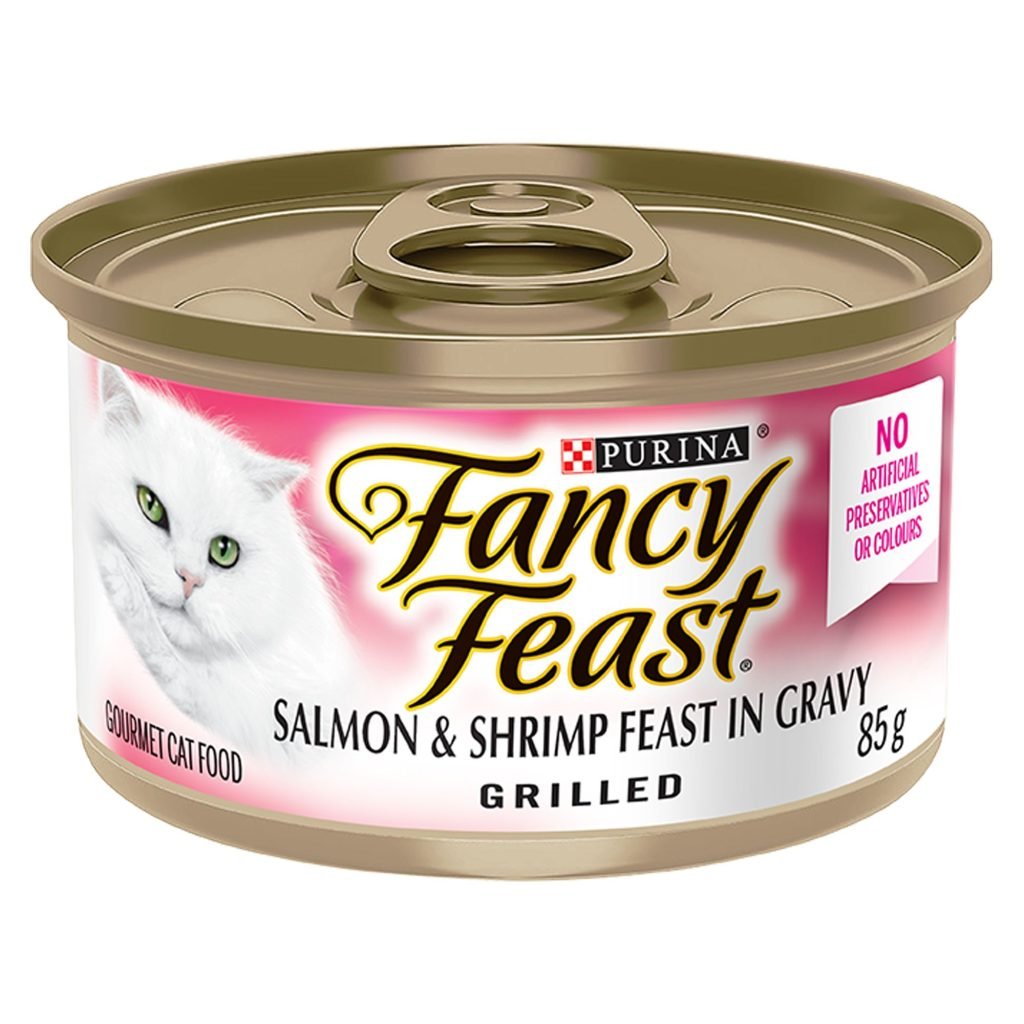
If you want the best for your cat, choosing the right food is key. Canned cat food offers many benefits that dry kibble just can’t match.
You might wonder if it’s worth the extra cost or if your cat will even like it. You’ll discover why canned cat food could be the perfect choice for your furry friend’s health and happiness. Keep reading to find out how it can make a real difference in your cat’s life—and yours.
Benefits Of Canned Cat Food
Canned cat food offers many benefits that support your cat’s health. It provides essential nutrients in a form cats find tasty and easy to eat. Choosing canned food can help keep your cat hydrated and satisfied.
Higher Moisture Content
Canned cat food contains a lot of water, which helps keep cats hydrated. Many cats do not drink enough water on their own. The moisture in canned food supports kidney health and aids digestion. It is especially good for cats prone to urinary issues.
Improved Palatability
Cats often find canned food more appealing than dry kibble. The texture and aroma are closer to a cat’s natural diet. This makes canned food a good choice for picky eaters or cats with poor appetite. It encourages cats to eat enough every day.
Nutrient Density
Canned cat food is rich in essential nutrients packed into smaller portions. It provides proteins, fats, and vitamins necessary for your cat’s energy and growth. The balanced nutrition supports healthy skin, coat, and overall well-being. This makes it a convenient and effective feeding option.
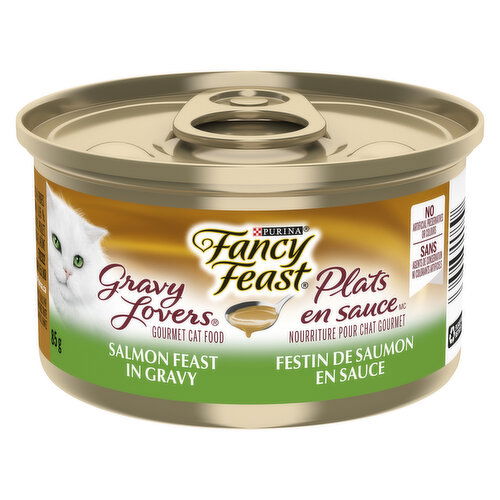
Credit: www.saveonfoods.com
Key Nutrients In Canned Cat Food
Canned cat food offers a rich source of essential nutrients that keep your feline friend healthy and energetic. Understanding the key nutrients in these foods helps you make better choices for your cat’s diet. Let’s take a closer look at the main components that make canned cat food a great option.
Protein Sources
Protein is the foundation of any cat’s diet since cats are obligate carnivores. Canned cat food typically contains high-quality animal proteins like chicken, turkey, beef, and fish. These proteins provide essential amino acids that support muscle growth, repair, and overall health.
Have you noticed how your cat stays more active and playful after switching to a protein-rich canned food? That’s because protein fuels their energy and maintains lean body mass. Avoid foods with vague protein sources like “meat by-products,” as they may lack important nutrients.
Fats And Fatty Acids
Fats are another crucial nutrient in canned cat food. They supply energy and help absorb fat-soluble vitamins such as A, D, E, and K. Look for sources like chicken fat, fish oil, or flaxseed oil, which provide healthy fatty acids.
Omega-3 and Omega-6 fatty acids play a big role in keeping your cat’s skin and coat shiny and healthy. You might have seen how a good fatty acid balance reduces shedding and itching in your cat. Does your cat’s food list include these healthy fats?
Vitamins And Minerals
Vitamins and minerals keep your cat’s body systems running smoothly. Important vitamins include B-complex for energy metabolism and vitamin E for immune support. Minerals like calcium, phosphorus, and taurine are essential for bones, teeth, and heart health.
Since cats cannot produce taurine on their own, it must come from their diet. A deficiency here can lead to serious health problems. Always check if the canned food meets AAFCO standards for complete and balanced nutrition.
Reading Labels Effectively
Reading labels on canned cat food helps you choose the best option for your pet. Labels show important details about what is inside the can. Understanding these details keeps your cat healthy and happy. It also helps avoid harmful ingredients.
Ingredients To Look For
- Real meat or fish listed as the first ingredient
- Named animal proteins like chicken, beef, or salmon
- Essential nutrients such as taurine, vitamins, and minerals
- Natural preservatives like mixed tocopherols (vitamin E)
- High moisture content to support hydration
Ingredients To Avoid
- By-products or unnamed meat sources
- Artificial colors, flavors, or preservatives
- Excess fillers such as corn, wheat, or soy
- Sugar or sweeteners added to the formula
- Excess salt or sodium nitrate
Understanding Guaranteed Analysis
The guaranteed analysis lists nutrient percentages in the food. It shows crude protein, fat, fiber, and moisture levels. Protein and fat are vital for energy and growth. Fiber supports digestion, while moisture helps keep cats hydrated.
Compare these numbers between brands for better quality. High protein and moderate fat usually mean better nutrition. Avoid foods with too many fillers or low protein content.
Choosing The Right Formula
Choosing the right canned cat food formula is key for your cat’s health. Cats need different nutrients based on their life stage and health conditions. The right formula supports their energy, growth, and overall well-being. Understanding the options helps you pick food that fits your cat’s needs perfectly.
Age-specific Formulas
Kittens, adults, and senior cats have unique nutritional needs. Kitten formulas are rich in protein and calories to support growth. Adult formulas maintain weight and energy levels. Senior cat food often includes joint support and easy-to-digest ingredients. Feeding the correct age-specific formula keeps cats healthy at every stage.
Special Dietary Needs
Cats with health issues need special diets. Some require low-protein or low-phosphorus food for kidney health. Others need hypoallergenic formulas for food sensitivities. Weight management formulas help overweight cats maintain a healthy size. Always consider your cat’s health when choosing canned food.
Grain-free Vs. Grain-inclusive
Grain-free formulas avoid wheat, corn, and soy. Some cats digest grain-free food better and may have fewer allergies. Grain-inclusive formulas contain grains and often cost less. Grains provide fiber and nutrients that some cats benefit from. Choose based on your cat’s digestion and preference.
Common Myths About Canned Cat Food
Canned cat food often faces a lot of misconceptions that can make pet owners hesitant to choose it for their furry friends. These myths can cloud your judgment and prevent you from providing the best nutrition. Let’s clear up some common misunderstandings so you can make informed choices for your cat’s diet.
Canned Food And Dental Health
Many believe that canned cat food harms dental health because it’s soft and doesn’t clean teeth like dry kibble. However, soft food doesn’t cause dental problems by itself. Dental health depends more on regular teeth cleaning and veterinary care than on the texture of the food.
If you worry about your cat’s teeth, consider brushing them or using dental treats designed to reduce plaque. Canned food can actually be beneficial for cats with dental pain who struggle to chew hard food.
Weight Gain Concerns
Some owners think canned food leads to weight gain because it’s richer and tastier. The truth is, weight gain is about the total calories your cat consumes, not just the food type. Canned food often has fewer calories per serving than dry food due to its high moisture content.
Controlling portion sizes and feeding schedules is key. Have you noticed how your cat responds to portion changes? Observing your cat’s body condition regularly helps you adjust feeding amounts effectively.
Preservatives And Additives
There’s a fear that canned cat food is full of harmful preservatives and additives. Most commercial canned foods use safe preservatives to maintain freshness and prevent spoilage. These ingredients undergo strict safety evaluations before approval.
You can check labels for natural preservatives like vitamin E (mixed tocopherols) or vitamin C. If additives concern you, look for brands that highlight minimal or natural ingredients. How often do you read ingredient lists before buying your cat’s food?

Credit: www.amazon.ca
Feeding Tips And Storage
Feeding your cat canned food requires more than just opening a can and serving it. Proper feeding and storage habits ensure your cat stays healthy and enjoys every meal. Small adjustments in how you feed and store canned food can make a big difference in your cat’s wellbeing and your convenience.
Portion Control
Overfeeding canned cat food can lead to weight gain and digestive issues. Use the feeding guidelines on the label as a starting point, but observe your cat’s weight and activity level to adjust portions accordingly.
Try dividing a can into multiple smaller meals instead of one large serving. This keeps the food fresh and helps your cat digest better. Have you noticed your cat begging for more after a meal? It might be time to tweak portion sizes.
Transitioning From Dry To Wet Food
Switching your cat from dry kibble to canned food should be done gradually. Mix a small amount of wet food with their usual dry food and slowly increase the wet portion over 7 to 10 days.
This slow change helps your cat’s digestive system adapt and reduces the risk of upset stomach. If your cat shows reluctance, try warming the wet food slightly to enhance its aroma and appeal.
Proper Storage Techniques
Once opened, canned cat food needs to be stored carefully to maintain freshness and prevent spoilage. Transfer unused portions into an airtight container or cover the can tightly with plastic wrap.
Keep the food refrigerated and use it within 2 to 3 days to avoid bacterial growth. Have you ever noticed your cat turning away from food that’s been sitting out too long? Proper storage keeps every bite tasty and safe.
Top Brands And Products
Choosing the right canned cat food can be overwhelming with so many brands and products available. Knowing which options offer quality nutrition, fit your budget, and come highly recommended by experts helps you make the best decision for your cat’s health. Let’s look at some top brands and products that stand out in different categories.
Premium Options
Premium canned cat foods focus on high-quality ingredients and balanced nutrition. Brands like Weruvaand Blue Buffalouse real meat and avoid fillers, which supports your cat’s overall wellbeing. These options often include grain-free recipes and added vitamins to keep your furry friend energetic and healthy.
Have you noticed how your cat reacts to tastier, fresher meals? Many cat owners report better coat shine and more enthusiasm when switching to premium products. Although the price is higher, the benefits can outweigh the cost for cats with sensitive diets or special needs.
Budget-friendly Choices
Not every cat owner can splurge on premium food, and that’s okay. Brands like Friskiesand 9Livesoffer affordable canned food that still meets basic nutritional standards. These products are widely available and come in a variety of flavors to keep your cat interested.
Even on a budget, you can find canned food that your cat enjoys without compromising nutrition completely. Look for options with recognizable ingredients and avoid those with excessive fillers and by-products. What’s your cat’s favorite flavor from the budget range?
Veterinarian Recommended
Some canned cat foods receive endorsements from veterinarians for their balanced formulas and health benefits. Brands like Hill’s Science Dietand Royal Caninfocus on specific health issues such as urinary tract health or weight management. These foods often come with research-backed ingredients that support long-term wellness.
If your cat has a medical condition or you want to prevent one, consulting your vet about these options is wise. Have you ever tried a vet-recommended brand and noticed improvements in your cat’s health? These products can make a significant difference when chosen carefully.
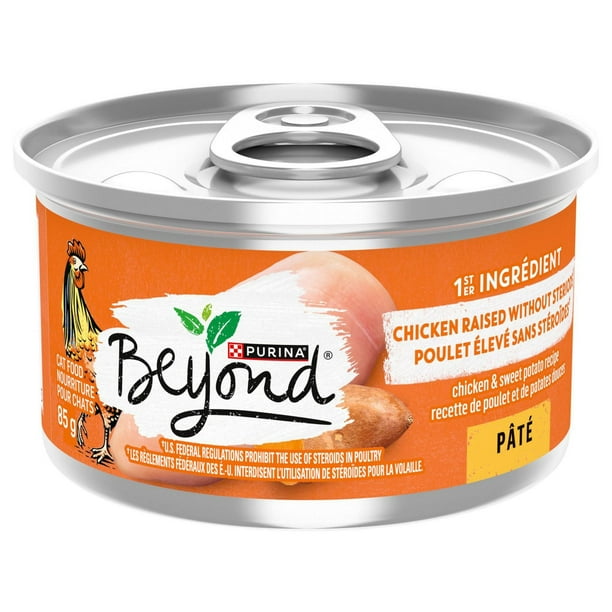
Credit: www.walmart.ca
Frequently Asked Questions
What Are The Benefits Of Canned Cat Food?
Canned cat food offers high moisture content, aiding in hydration. It’s typically more palatable and digestible for cats. The variety of flavors and textures can satisfy picky eaters. Additionally, it’s often rich in protein and essential nutrients, supporting overall feline health and well-being.
How Often Should I Feed Canned Cat Food?
It’s recommended to feed canned cat food twice daily. Portion sizes vary based on your cat’s age, weight, and activity level. Always consult your veterinarian to ensure your cat receives balanced nutrition. Monitor your cat’s weight and adjust feeding amounts as necessary to maintain a healthy weight.
Can Kittens Eat Canned Cat Food?
Yes, kittens can eat canned cat food. It’s essential for their growth and development due to its high protein content. Choose a formula specifically designed for kittens. These formulas provide the necessary nutrients and energy. Always transition gradually when introducing new foods to avoid digestive upsets.
Is Canned Cat Food Better Than Dry Food?
Canned cat food often contains higher moisture, which benefits hydration. It’s usually more palatable and can be easier to digest. However, dry food is convenient and helps maintain dental health. A balanced diet incorporating both types may provide optimal nutrition.
Consult your veterinarian for personalized advice.
Conclusion
Canned cat food offers many benefits for your pet’s health. It provides moisture, which helps with hydration. The taste and texture often please picky eaters. You can find many options to suit your cat’s needs. Always check the label for quality ingredients.
Feeding your cat well supports their energy and happiness. Choose canned food that fits your budget and your cat’s preferences. Healthy meals lead to a happy, active cat. Simple choices make a big difference in your cat’s life.
