

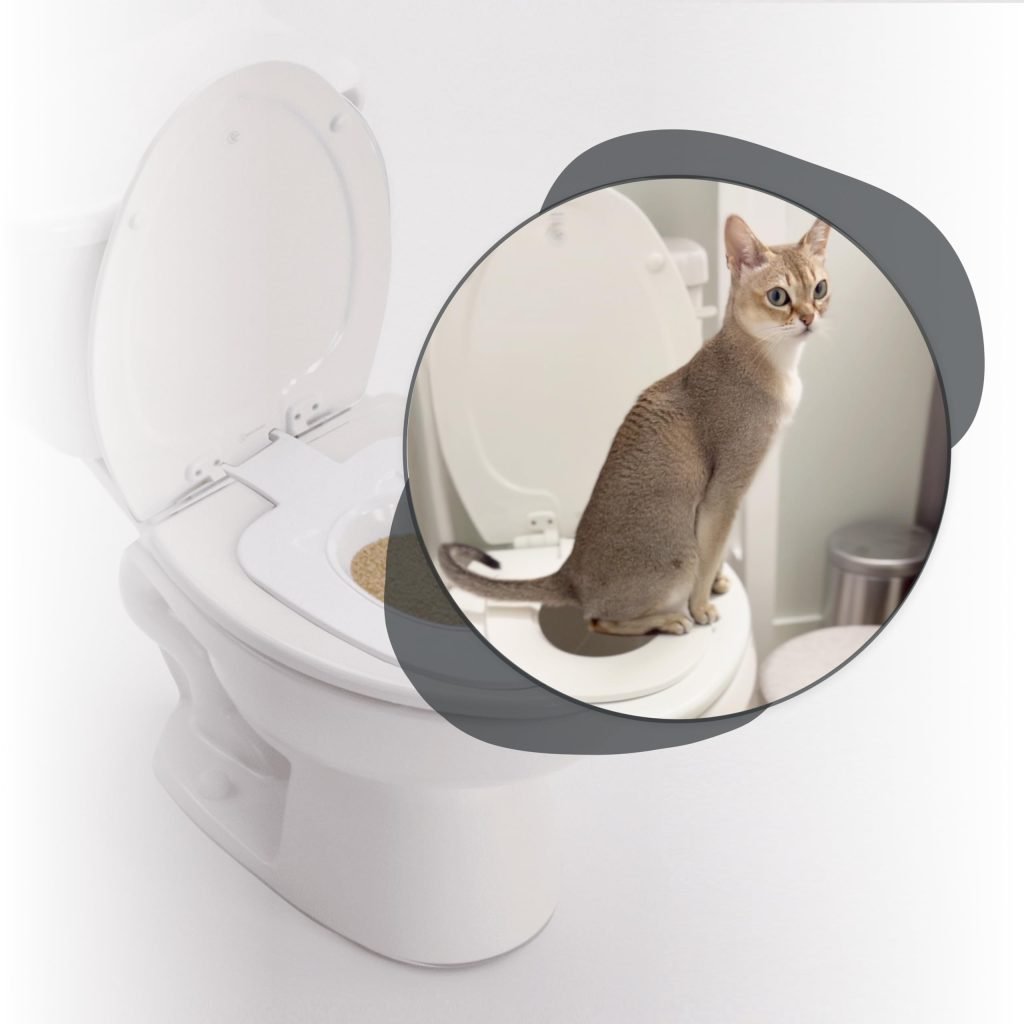
Have you ever wondered if your cat could ditch the litter box for good? Imagine the freedom of not dealing with messy litter or unpleasant odors in your home.
Training your cat to use the toilet might sound impossible, but it’s closer to reality than you think. If you’re tired of constant cleaning and want a cleaner, fresher home, this article is for you. Keep reading to discover if toilet training your cat is something you and your furry friend can achieve together.
Credit: kmccberwick.ca
Benefits Of Toilet Training Cats
Training your cat to use the toilet might sound unusual, but it brings several clear benefits that can improve both your life and your pet’s. It’s not just about convenience; toilet training can save you money, reduce odors, and keep your home cleaner. Plus, it can create a unique bond between you and your cat through patience and communication.
Saving Money On Litter And Supplies
One of the biggest perks is the cost savings. Cat litter can add up quickly, especially if you have multiple cats or use premium brands. By teaching your cat to use the toilet, you eliminate the need for litter entirely, which means fewer trips to the store and more money in your pocket.
Think about how much you currently spend on litter each month. Could those funds be better used elsewhere?
Reducing Odors And Mess
Cat litter boxes can sometimes cause unpleasant odors that linger in your home. Even with regular cleaning, smells can be hard to control. Toilet training your cat eliminates the litter box, reducing these odors significantly.
Plus, no more scattered litter on the floor means a cleaner, tidier living space. You’ll spend less time sweeping and more time enjoying your home.
Improving Hygiene And Cleanliness
Toilet-trained cats contribute to a more hygienic environment. Litter boxes often harbor bacteria if not cleaned regularly, which can affect both your cat’s health and yours. Using the toilet directly minimizes this risk.
This training encourages your cat to adopt a natural bathroom routine that keeps waste contained and your home healthier.
Strengthening The Bond With Your Cat
Training your cat requires patience and consistent effort, which can deepen your relationship. Teaching your pet a skill like toilet use shows your cat that you’re attentive and caring. It also provides mental stimulation that many cats crave.
Have you noticed how your cat responds when you teach them something new? This process can be rewarding for both of you.
Choosing The Right Cat For Training
Choosing the right cat for toilet training can make the entire process smoother and more enjoyable for both you and your feline friend. Not every cat will take to this unique skill with the same enthusiasm or ease. Understanding which cats are most likely to succeed can save you time and frustration.
Age And Temperament Matter
Young cats and kittens are often more adaptable to new routines, making them better candidates for toilet training. Older cats might resist change, but a calm and patient temperament can still make training possible.
Is your cat naturally curious and willing to explore new things? Those traits can significantly increase their chances of learning to use the toilet. Shy or anxious cats may struggle with the transition, so consider their personality carefully.
Health And Physical Ability
Before starting, ensure your cat is in good health. Cats with mobility issues or certain medical conditions might find it difficult or uncomfortable to balance on a toilet seat.
Check for any signs of arthritis or joint pain, especially in older cats. A physically fit cat will handle the balance and movements required for toilet use with less stress.
Previous Training Experience
Cats already trained to use a litter box are more likely to pick up toilet training faster. They understand the concept of designated bathroom spots, which is a big advantage.
If your cat frequently eliminates outside the litter box or shows inconsistent habits, toilet training might not be the best option. You want a cat that shows a clear preference for a specific bathroom spot to build on.
Bond And Patience Level
Your relationship with your cat plays a huge role. Cats that trust you and respond well to your guidance will cooperate more during training sessions.
Are you prepared to invest time and patience? Toilet training can be a lengthy process requiring consistency. Your dedication can make or break the success of training your cat.
Essential Supplies For Toilet Training
Training your cat to use the toilet is not just about patience and consistency; having the right supplies makes the process smoother and more successful. These essentials help your feline friend transition comfortably from a litter box to the toilet seat. Without them, both you and your cat might face unnecessary frustration.
Toilet Training Seat For Cats
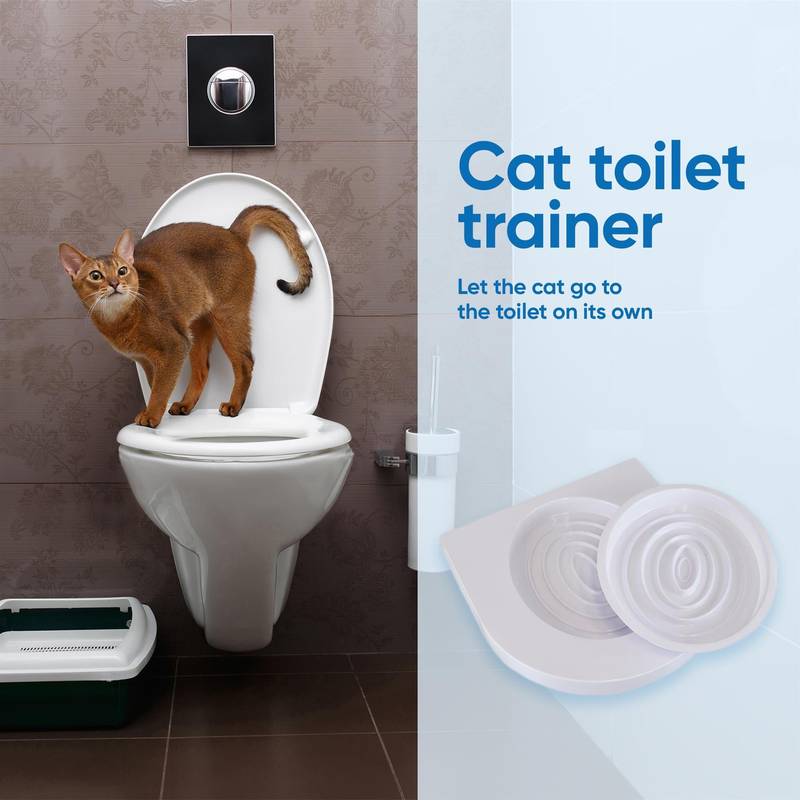
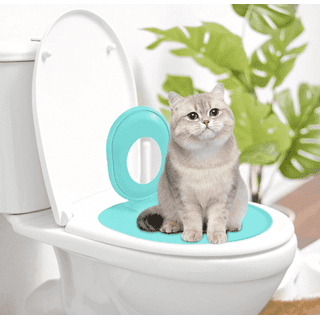
A specially designed cat toilet training seat is key. It fits securely over your toilet bowl, providing a safe and stable spot for your cat to sit. Many come with removable inserts that let you gradually reduce litter as your cat gets used to the new setup.
Have you noticed how your cat is more confident when they have a dedicated place? This seat mimics the feel of their litter box but on a new surface, making the change less intimidating.
Flushable Cat Litter
Switching from traditional clumping litter to flushable litter is a smart move during training. It keeps the toilet clean and avoids plumbing issues. Plus, it lets your cat get used to the texture without the mess of regular litter.
Choosing a litter that’s safe for both your cat and your plumbing shows you’re thinking ahead. It’s a small change that can make a big difference in maintaining hygiene.
Step Stool Or Ladder
Your cat needs easy access to the toilet seat, especially if they’re small or older. A step stool or a small ladder placed beside the toilet helps them climb up without stress. This encourages independence and reduces accidents.
Consider where your cat naturally likes to jump or climb. Adding a familiar textured step can make this new route feel more natural.
Cleaning Supplies
Keeping the training area clean is crucial for your cat’s health and comfort. Have pet-safe disinfectant sprays, wipes, and paper towels handy. You’ll want to clean both the toilet and the training seat regularly to avoid odors that might deter your cat.
How often you clean can influence your cat’s willingness to use the toilet. A fresh, odor-free environment encourages consistent use.
Patience And Treats
While not a physical supply, patience and treats are essential tools. Reward your cat with their favorite treats to reinforce positive behavior. This builds trust and makes the training process a bonding experience.
Think about how small rewards changed your own habits. Your cat responds similarly, making treats a powerful motivator.

Credit: www.youtube.com
Step-by-step Toilet Training Process
Training a cat to use the toilet takes patience and clear steps. Each stage helps your cat adjust and feel comfortable. The process involves introducing the toilet, changing from the litter box, using special training seats, and slowly removing the litter. Follow these steps carefully for the best results.
Introducing The Toilet
Start by placing the litter box near the toilet. Let your cat explore this new spot for a few days. Then, raise the litter box height gradually. Use sturdy books or boxes to lift it higher each day. This helps your cat get used to the toilet’s height and location.
Transitioning From Litter Box
Move the litter box onto the closed toilet seat. Keep the litter box stable and safe. Allow your cat to use it there for several days. Your cat will learn to jump onto the toilet seat. This step links the familiar litter box with the new toilet area.
Using Training Seats
Replace the litter box with a toilet training seat. These seats fit inside the toilet bowl. Fill the seat with a small amount of litter. Your cat will learn to balance and use the seat. Gradually, reduce the litter inside the training seat over time.
Gradual Removal Of Litter
Slowly decrease the litter amount in the training seat. This encourages your cat to use the toilet water. Watch your cat’s behavior closely. If they show signs of stress, slow down the process. Eventually, remove the training seat completely. Your cat will then use the toilet like a pro.
Common Challenges And Solutions
Training a cat to use the toilet sounds like a neat trick, but it comes with its own set of challenges. Understanding these hurdles and how to tackle them can save you time and frustration. Let’s look at some common issues you might face and practical ways to overcome them.
Reluctance To Use The Toilet
Many cats hesitate to switch from their litter box to the toilet. The new setup feels unfamiliar and sometimes intimidating to them.
Try making the transition gradual. Start by moving the litter box closer to the toilet each day. Then, introduce a training seat that fits over the toilet bowl, allowing your cat to get used to the location and feel.
Have you noticed your cat avoiding the training seat? Patience is key here. Some cats take weeks to adjust, so keep the experience positive with treats and praise.
Accidents And Setbacks
Accidents are common during toilet training, and they can discourage both you and your cat. Expect some mishaps as your feline learns the new routine.
Clean accidents promptly with an enzymatic cleaner to remove odors that might attract your cat back to the wrong spot. Avoid punishment, as it can create fear and resistance.
Consider keeping the litter box accessible for a while, even after your cat starts using the toilet. This backup option can reduce stress and prevent accidents.
Behavioral Issues
Some cats develop behavioral problems like urinating outside the toilet due to stress or discomfort. This can be linked to medical issues or anxiety about the training process.
If you notice sudden changes in behavior, consult a vet to rule out health problems. Also, provide a calm environment and avoid rushing the training.
Remember, every cat is different. Watch your cat’s reactions closely and adjust your approach. Sometimes, switching back to a traditional litter box is the best choice for your pet’s well-being.
Safety Tips For Toilet Training
Training your cat to use the toilet can be a convenient way to manage litter, but safety should be your top priority throughout the process. Cats are creatures of habit and can be sensitive to changes in their environment. Ensuring their comfort and well-being is essential to avoid stress or injury.
Monitor Your Cat’s Comfort Level
Watch your cat closely during training. If you notice signs of stress like hiding, refusing to use the toilet, or aggressive behavior, pause the training. Your cat’s emotional health matters just as much as physical safety.
Use Secure And Stable Equipment
Make sure the toilet seat and any training aids are sturdy and won’t slip. A wobbly seat can scare your cat or cause falls. Personally, I once saw a cat jump off mid-training because the seat moved unexpectedly—this can be avoided with proper setup.
Maintain Hygiene To Prevent Illness
Clean the toilet and training devices regularly. Cats are very clean animals, and a dirty environment can lead to infections or refusal to use the toilet. Using mild, pet-safe cleaners helps keep everything sanitary without harmful chemicals.
Ensure Easy Access At All Times
Your cat should always be able to reach the toilet when needed. Locking bathroom doors or restricting access can cause accidents elsewhere in the house. Think about your cat’s natural bathroom schedule and accommodate it.
Be Patient And Avoid Rushing The Process
Rushing toilet training can lead to accidents and frustration for both you and your cat. Allow your cat to progress at their own pace. Remember, some cats may never fully adapt, and that’s okay.
When Toilet Training Might Not Be Suitable
Toilet training cats is not always the right choice for every pet or owner. Some cats may find the process stressful, while others might not adapt well to the change. Understanding when toilet training might not suit your cat can save time and prevent frustration for both of you.
Consider your cat’s personality, health, and environment before starting toilet training. Some situations make the training difficult or harmful.
Older Cats And Health Issues
Older cats often struggle to learn new habits. Health problems like arthritis or urinary tract infections can make toilet training painful or uncomfortable. Cats with mobility or health issues should avoid toilet training.
Multiple Cat Households
Homes with more than one cat can face challenges. Not all cats will use the toilet the same way. Some may feel stressed by sharing the bathroom space, causing accidents or conflicts.
Cats With Anxious Or Timid Behavior
Shy or anxious cats may resist toilet training. The new routine can cause fear or stress. These cats might hide or avoid the toilet area, making training ineffective.
Limited Access To Bathroom
Some homes restrict bathroom access for safety or privacy. Cats need free, easy access to the toilet. Limited access can confuse or frustrate them during training.
Unstable Living Situations
Frequent moves or changes in the home environment disrupt training. Cats need consistency to learn toilet use. Unstable living conditions can cause setbacks or failure in training.
Alternative Methods To Toilet Training
If toilet training your cat feels too challenging or just not right for your furry friend, there are several alternative ways to manage their bathroom needs effectively. These options can save you time and stress while keeping your home clean and your cat comfortable.
Each cat has its own personality and preferences, so trying different methods might help you find the best fit. Have you noticed your cat’s behavior around their litter box? That can give you clues about what alternative might work well.
Using Traditional Litter Boxes With Upgrades
Simple doesn’t mean boring. Upgrading your cat’s litter box can make a big difference in cleanliness and odor control. Consider covered litter boxes or ones with high sides to reduce spills.
Self-cleaning litter boxes are another great option. They save you from daily scooping and keep the area fresher for longer. Cats often appreciate a clean space, so this can encourage better bathroom habits.
Training To Use A Specific Outdoor Spot
Some cats enjoy going outside to do their business. If you have a safe yard, you can train your cat to use a particular spot outdoors. This method reduces indoor mess and keeps litter smells outside.
Start by placing some of your cat’s used litter or waste in the chosen area. Cats use scent to find their bathroom spots, so this helps guide them. How would your cat react to outdoor bathroom breaks?
Using Alternative Substrates
If traditional litter is causing issues, try different materials like shredded paper, wood pellets, or even sand. Cats can be picky about texture, and switching substrates might improve their willingness to use the box.
Experiment with small amounts and watch your cat’s reaction. Sometimes, a simple change like this can prevent accidents and make your cat happier.
Employing Training Aids And Positive Reinforcement
Training aids such as pheromone sprays or mats can encourage your cat to stick to their designated bathroom area. Pair these tools with praise or treats whenever your cat uses the box correctly.
Consistency is key here. Do you reward your cat enough for good habits? Small positive reinforcements can speed up the learning process and reduce stress for both of you.
Credit: www.walmart.com
Frequently Asked Questions
Can All Cats Learn To Use The Toilet?
Not all cats adapt to toilet training. Success depends on your cat’s age, temperament, and patience during training.
How Long Does Toilet Training A Cat Take?
Toilet training usually takes 4 to 8 weeks. Consistent practice and gradual steps improve training speed and success.
What Are The Benefits Of Toilet Training Cats?
Toilet training reduces litter box odor, saves space, and cuts down on litter costs. It also keeps your home cleaner.
Is Toilet Training Safe For Cats?
Yes, if done gradually and carefully. Avoid forcing your cat, and ensure the toilet seat is stable and comfortable.
Conclusion
Training cats to use the toilet is possible with patience. This process requires consistency and understanding of your cat’s behavior. Some cats adapt quickly, while others take time. Not every cat will succeed in this training. It’s important to be patient and supportive.
Always prioritize your cat’s comfort and well-being. Celebrate small successes and remain patient. Toilet training can reduce litter box mess, but it’s not for all cats. Consider your lifestyle and your cat’s personality before starting. Happy training to you and your feline friend!
