

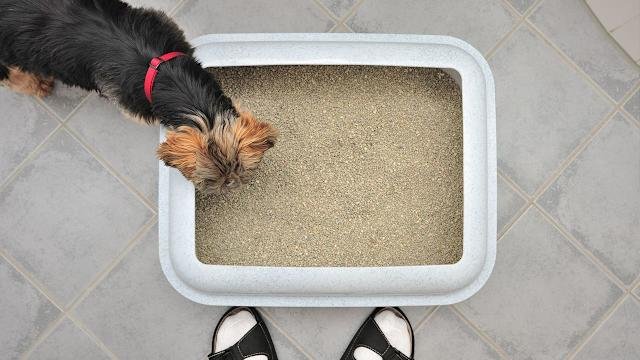
Have you ever wished your dog could use a litter box like a cat? Imagine the convenience of not having to rush outside every time your dog needs to go.
Training your dog to use cat litter might sound unusual, but it’s possible—and it could change your daily routine for the better. If you’re tired of accidents in the house or want an easier way to manage your pet’s needs, keep reading.
This guide will show you simple steps to help your dog learn this surprising skill. You might just discover a new way to make life with your furry friend easier and cleaner.
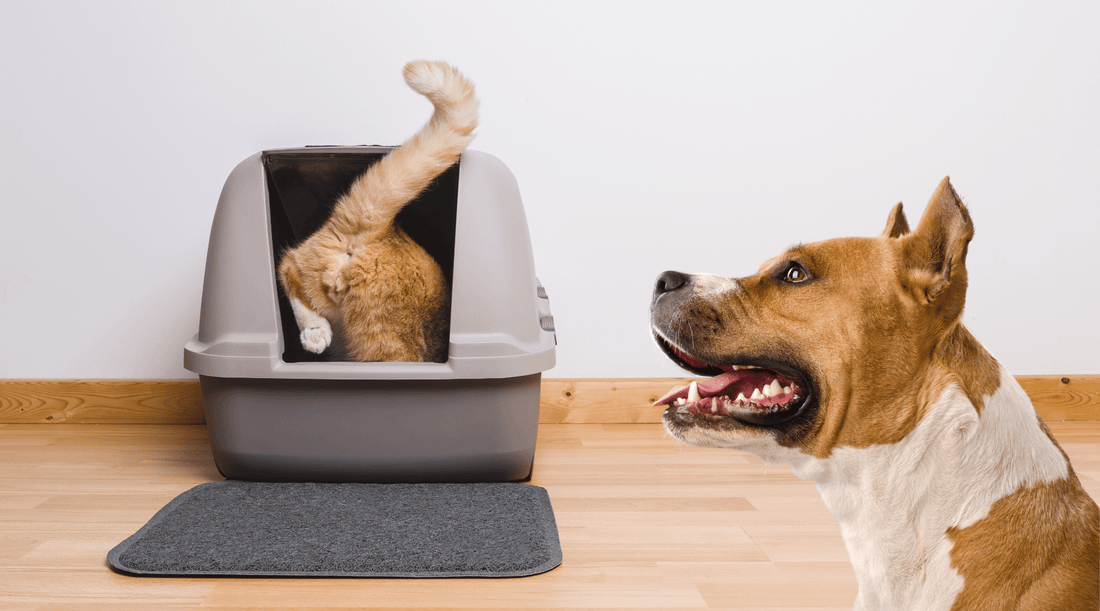
Credit: k9connoisseur.com
Dog Litter Training Basics
Training your dog to use a cat litter box can seem unusual, but it’s possible with the right basics. Understanding these fundamentals will make the process smoother for both you and your furry friend. Let’s break down the essentials to get started on dog litter training.
Choosing The Right Litter Box
Not all litter boxes are created equal, especially when it comes to dogs. Look for a box that is larger and sturdier than a typical cat litter box to accommodate your dog’s size and weight. A low-entry design helps dogs step in and out easily without hesitation.
Consider boxes made from durable materials that can withstand scratching and digging. Some pet owners have found success using storage bins with cut-out entrances as custom litter boxes. Have you noticed your dog’s preferred bathroom spots? Matching the box size to that can encourage use.
Selecting Safe Litter Types
Choosing the right litter is critical for your dog’s health and comfort. Avoid clumping litters or those with strong fragrances, as they can irritate your dog’s paws or respiratory system. Instead, opt for natural, dust-free options like paper pellets, wood-based litters, or corn-based types.
These litters are less likely to cause allergies or discomfort. You might want to test a few safe varieties to see which one your dog prefers. Have you ever noticed your dog’s reaction to certain textures? That can guide your choice here.
Setting Up The Training Area
Place the litter box in a quiet, low-traffic area where your dog feels safe and undisturbed. Consistency in location helps your dog associate the spot with bathroom habits. Make sure the area is easy for you to access for cleaning and monitoring.
Keep the training zone free of distractions and maintain a regular schedule for bathroom breaks. You could add a mat underneath to catch stray litter and protect your floors. How does your dog respond to new spaces? Observing this can improve setup success.

Credit: www.chewy.com
Step-by-step Training Process
Training a dog to use a cat litter box takes patience and consistency, but it can be done with the right approach. You need to help your dog get comfortable with the new setup and encourage good habits along the way. Here’s how you can guide your dog through this process step-by-step.
Introducing The Litter Box To Your Dog
Start by placing the litter box in a quiet, accessible area where your dog already feels comfortable. Let your dog explore the box without any pressure or commands. You might even sit nearby and offer treats when your dog shows curiosity about the box to create a positive association.
Use a litter type that’s safe and comfortable for dogs—avoid clumping cat litters as they can be harmful if ingested. Consider using non-toxic, natural materials like paper-based or wood pellet litter instead. Watch your dog’s reaction closely and adjust the placement or type of litter if needed.
Encouraging Proper Use
Once your dog is comfortable around the litter box, encourage them to use it by guiding them there after meals, naps, or playtime. Use consistent verbal cues like “go potty” near the box to build a connection between the command and the action.
Reward your dog immediately with praise or treats whenever they use the box correctly. Dogs learn quickly through positive reinforcement, so make these moments count. If your dog seems confused, try gently placing them in the box after they show signs of needing to go.
Managing Accidents Effectively
Accidents are part of the learning curve, so stay calm and avoid punishment. Clean the area thoroughly with an enzymatic cleaner to remove any lingering smells that might encourage repeat accidents. Your reaction can make a big difference—stay patient and consistent.
If accidents happen repeatedly, reassess factors like the litter box location, type of litter, or your dog’s health. Sometimes, medical issues or anxiety can interfere with training. Ask yourself: Are you rewarding good behavior enough? Is the box easy for your dog to access?
Common Challenges And Fixes
Training a dog to use a cat litter box can be tricky. Dogs are not naturally inclined to use litter like cats. Challenges often arise during training. Recognizing these issues helps you find the right solutions. Below are common challenges and ways to fix them.
Dealing With Resistance
Dogs may resist using cat litter because it feels strange. The texture and smell can deter them. Patience and gradual introduction are key. Start by placing the litter box near their usual potty spot. Let the dog sniff and explore it without pressure.
Use positive reinforcement. Praise or reward the dog for showing interest. If the dog avoids the box, try different litter types. Some dogs prefer unscented or softer litter. Keep the box clean to prevent bad smells.
Handling Size And Breed Differences
Small dogs may find cat litter boxes easy to use. Large dogs might struggle with size and space. Choose a bigger litter box or a shallow tray for bigger breeds. The box should be sturdy and stable to hold the dog’s weight.
Some breeds dislike confined spaces. Open litter trays work better for them. Adjust the litter depth based on the dog’s size. Too much litter can be uncomfortable. Tailor the setup to fit your dog’s breed and size.
Avoiding Litter Box Aversion
Dogs can develop aversion if the litter box is dirty or uncomfortable. Clean the box daily to avoid odors. Place it in a quiet, low-traffic area to reduce stress. Avoid moving the box frequently.
Watch for signs of discomfort or fear. If the dog barks or runs away, pause training. Return to earlier, easier steps. Slowly build positive experiences with the box. Consistency and calmness reduce aversion risks.
Benefits Of Litter Training Dogs
Litter training dogs offers several practical benefits for pet owners. It provides a clean and controlled way for dogs to relieve themselves indoors. This method suits small apartments or homes without easy outdoor access. Training dogs to use cat litter can save time and reduce stress for busy owners.
Dogs that use litter boxes learn to manage their bathroom habits better. This helps avoid accidents on floors and carpets. It also supports hygiene and keeps living spaces fresh. Litter training can be a helpful option in many household situations.
Indoor Convenience
Dogs trained to use litter boxes can relieve themselves inside the home. This is especially useful during bad weather or late at night. It makes bathroom breaks easier without needing to go outside. Indoor convenience helps maintain a calm routine for both dogs and owners.
Reducing Outdoor Trips
Litter training reduces the need for frequent outdoor walks. This benefits owners with limited mobility or busy schedules. Dogs can take care of their needs without extra time outdoors. It also lowers the chance of dogs running off or facing dangers outside.
Maintaining Cleanliness
Litter boxes help keep the home clean and odor-free. They confine messes to one spot, making cleanup easier. Using litter reduces stains and damp spots on floors. This creates a healthier environment for families and pets alike.
When Litter Training Might Not Work
Training a dog to use cat litter can seem like a smart idea. It saves time and keeps the house clean. Still, it does not always work well. Some dogs may struggle with this training. Understanding when litter training might not work helps avoid frustration and stress.
Behavioral Limitations
Dogs have different habits and instincts from cats. Many dogs prefer to go outside or on specific surfaces. Some dogs feel uncomfortable using litter boxes. Anxiety or fear can stop them from adapting. Age and breed also affect their ability to learn this.
Health Considerations
Certain health problems can make litter training difficult. Dogs with arthritis may find it hard to step into a litter box. Urinary tract infections or bladder issues can cause accidents. Digestive problems may confuse their bathroom habits. Always check a vet if issues arise during training.
Alternative Solutions
Other options work better for many dogs. Potty pads offer a softer, more dog-friendly spot. Outdoor training suits dogs that enjoy fresh air. Designated indoor potty areas with grass mats can help. Consistent routines and positive reinforcement remain key to success.
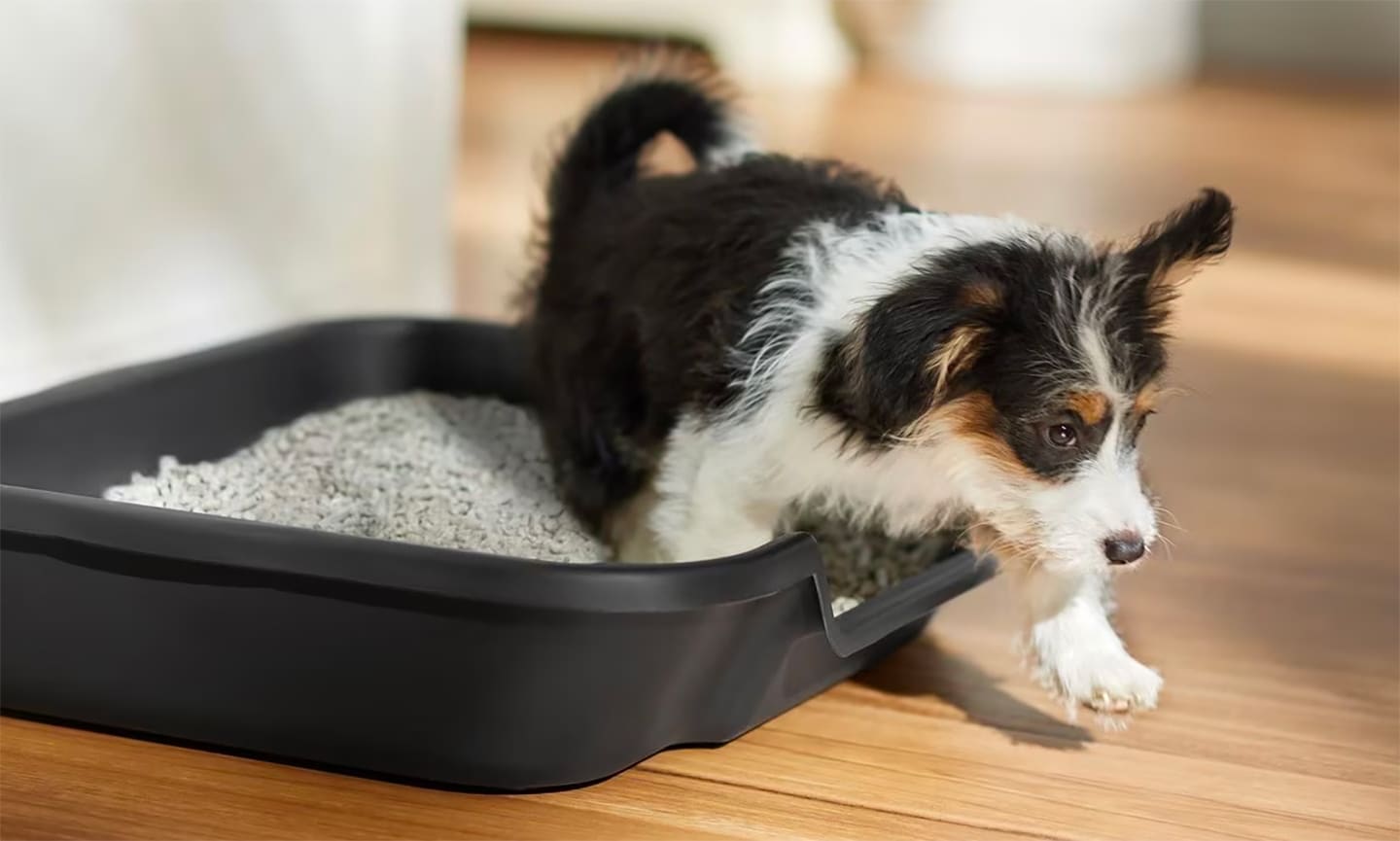
Credit: greensafaris.com
Frequently Asked Questions
Can Dogs Be Trained To Use Cat Litter Boxes?
Yes, dogs can be trained to use cat litter boxes with patience and consistency. Smaller dogs adapt more easily. Proper training involves positive reinforcement and supervision.
What Type Of Litter Is Safe For Dogs?
Use non-toxic, dust-free, and unscented litter for dogs. Avoid clumping or clay-based litters, as they may cause health issues if ingested.
How Long Does It Take To Train A Dog To Use Litter?
Training duration varies, usually taking a few weeks. Consistent routines and rewards speed up the process. Patience is essential for success.
Are Litter Boxes Hygienic For Dogs?
Litter boxes can be hygienic if cleaned daily. Regular maintenance prevents odors and bacteria buildup. Proper cleaning protects your dog’s health.
Conclusion
Training a dog to use cat litter takes time and patience. Not all dogs will learn this habit. Small dogs may find it easier than large ones. Clean the litter box often to keep dogs interested. Praise your dog for any progress they make.
Remember, every dog is different and learns at their own pace. With gentle guidance, some dogs can adapt to this new routine. Try and see if it fits your pet’s needs and lifestyle.
