

Have you ever wondered if your cat could skip the litter box altogether and use the toilet instead? Imagine the convenience of no more scooping, no more odors, and a cleaner home.
It sounds almost too good to be true, right? But what if you could actually train your cat to do just that? You’ll discover how possible it is to teach your furry friend this surprising skill, what challenges you might face, and the simple steps to get started.
Keep reading, because what you learn here could change the way you care for your cat forever.

Credit: www.amazon.com.au
Benefits Of Toilet Training Cats
Training a cat to use the toilet offers several practical benefits. It changes daily routines and can improve life for both pets and owners. Many cat owners find it a smart option for cleaner, easier home care.
Hygiene Improvements
Toilet training keeps your home cleaner. There is no litter tracking across floors. It reduces dust and odors from litter boxes. Your cat’s waste is flushed away immediately. This helps maintain a fresher environment for everyone.
Cost Savings
Toilet training cuts down on litter expenses. You no longer need to buy litter regularly. It also reduces the need for litter box replacements. Over time, these savings add up. This makes it a budget-friendly choice.
Convenience Factors
Using the toilet means less cleaning work. No daily scooping or litter changes are required. It frees up time for other activities. Travel becomes easier without worrying about pet care. Toilet-trained cats help simplify your daily routine.

Credit: www.walmart.com
Challenges To Expect
Training a cat to use the toilet sounds convenient, but it comes with its own set of challenges. Understanding these hurdles can help you stay patient and realistic throughout the process. Let’s dive into what you should expect when attempting this unusual but interesting training goal.
Cat Behavior Traits
Cats are creatures of habit who value routine and comfort. You might find that some cats resist change, especially when it involves their bathroom habits. Unlike dogs, cats don’t naturally seek to please their owners, so motivation can be tricky.
For example, a cat that loves digging in litter might avoid the toilet because it lacks that familiar texture. You need to consider your cat’s personality—some are more adventurous, while others are very cautious. Observing how your cat reacts to new experiences will give you clues on how to proceed.
Training Timeframe
This isn’t a quick fix. Toilet training a cat can take weeks or even months, depending on your cat’s adaptability. Expect to spend time gradually moving the litter box closer to the toilet before switching to a training seat.
Consistency is key, but so is flexibility. If your cat shows signs of stress or confusion, slowing down the pace helps. Have you set aside enough time to manage daily training sessions without rushing?
Potential Setbacks
Accidents are part of the journey. Even with the best training, some cats might regress or refuse to use the toilet altogether. You could face problems like your cat falling into the toilet or avoiding the bathroom space.
Another common issue is that cats may not cover their waste properly, leading to hygiene concerns. Also, if your cat is older or has health problems, toilet training might not be suitable. Are you prepared to handle these setbacks without frustration?
Required Supplies
Training a cat to use the toilet requires a few key supplies. These tools help make the process smoother for both you and your pet. Having the right items ready can reduce stress and improve success.
Each supply plays an important role during different training stages. Some help your cat get used to the toilet seat. Others keep the area clean and safe. Rewards motivate your cat to learn new habits.
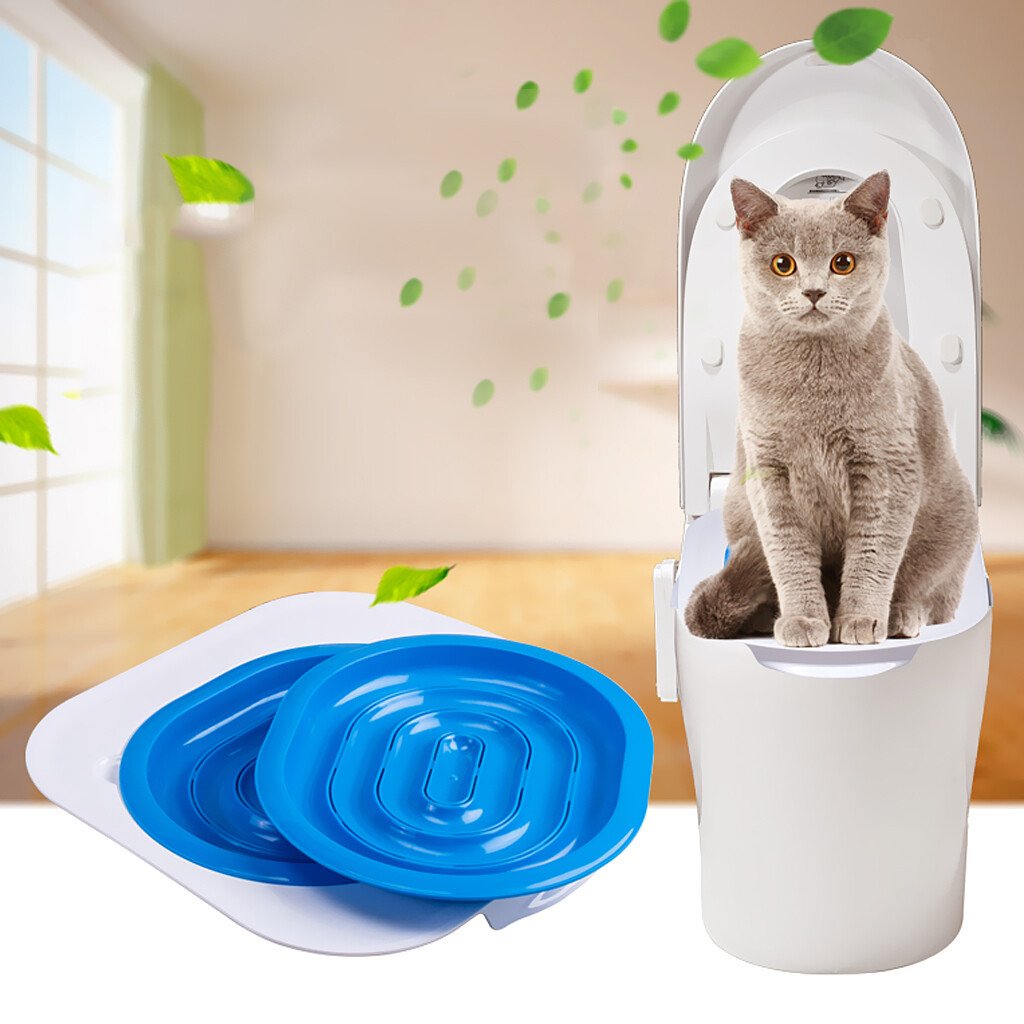
Specialized Training Seats
Specialized training seats fit over the toilet bowl. They are designed to hold litter while your cat adjusts. These seats often have holes that increase in size over time. This helps the cat move from litter to the open toilet.
These seats are safer and more stable than regular litter boxes. They also help your cat feel secure on the toilet. Many training seats come with step-by-step guides for best use.
Cleaning Materials
Cleaning is important to keep the toilet hygienic. Use pet-safe cleaners to avoid harmful chemicals. Regular cleaning prevents odors and bacteria buildup. Keep paper towels or cloths nearby for quick messes.
Disinfect the area often to maintain a fresh environment. Clean the toilet seat and surrounding floor every day. This keeps your cat comfortable and reduces accidents.
Reward Systems
Rewards encourage your cat to repeat good behavior. Use small treats that your cat likes. Praise your cat gently with a calm voice. Petting and playtime also work as rewards.
Timing is key. Give rewards immediately after your cat uses the toilet. This helps your cat connect the action with the reward. Consistent rewards build positive habits faster.
Step-by-step Training Process
Training a cat to use the toilet takes patience and careful steps. The process breaks down into clear phases that help your cat adjust slowly. Each phase builds on the last, making the change easier for your pet.
Litter Box Placement
Start by moving the litter box closer to the toilet. Do this over several days. This helps your cat get used to the new location. Make sure the area is quiet and safe. Your cat should still feel comfortable using the box.
Gradual Seat Introduction
Place a training seat on the toilet. It should hold some litter at first. This seat is designed to fit inside the toilet bowl. Let your cat explore it without pressure. Keep the litter box nearby for backup.
Encouraging Balance
Help your cat balance on the toilet seat. Use treats or gentle encouragement. The goal is for your cat to sit comfortably. Practice this step daily. Your cat will build confidence and skill.
Removing Litter Box
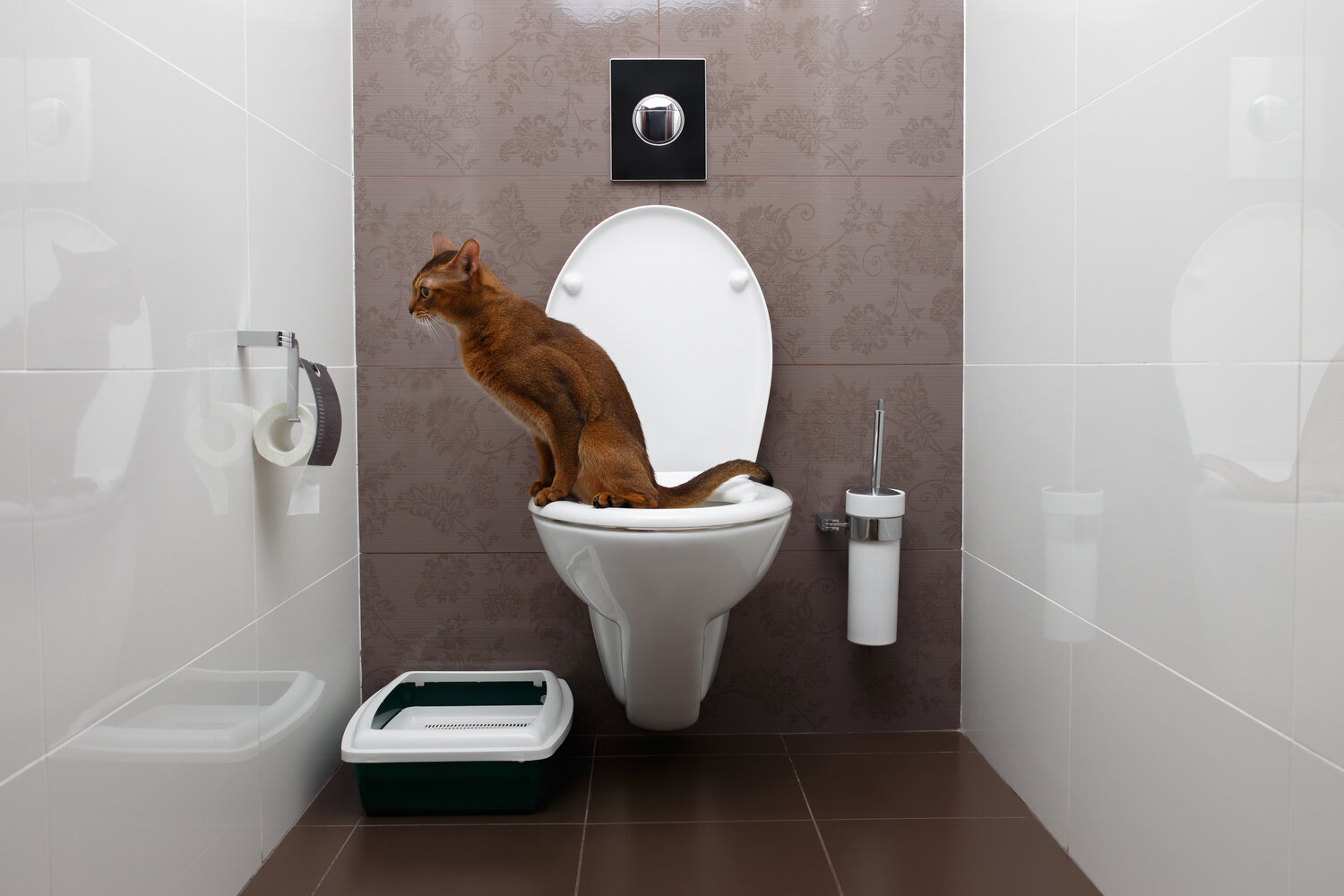
Slowly reduce the litter inside the training seat. Gradually make the hole in the seat bigger. This teaches your cat to balance on the toilet without litter. Finally, remove the training seat. Your cat will use the toilet bowl directly.
Tips For Success
Training a cat to use the toilet takes time and effort. Success depends on following the right tips. These help your cat learn comfortably and safely. Focus on patience, rewards, and health checks. This approach makes the process smoother for both of you.
Patience And Consistency
Training can take weeks or even months. Stay calm and keep a steady routine. Cats need time to adjust to new habits. Repeat the training steps every day. Avoid rushing or forcing your cat. Consistent practice helps build trust and understanding.
Positive Reinforcement
Use treats and praise to encourage your cat. Reward them right after they use the toilet. This makes the behavior clear and appealing. Avoid punishment or scolding. Positive feedback strengthens good habits and reduces stress.
Monitoring Health Signs
Watch for changes in your cat’s bathroom habits. Toilet training may hide signs of illness. Look for discomfort, unusual urine color, or frequent attempts. Early detection of problems keeps your cat healthy. Consult a vet if anything seems wrong.
When To Seek Professional Help
Training a cat to use the toilet can be a rewarding challenge. Some cats adapt quickly, while others struggle. Sometimes, problems arise that need expert advice. Knowing when to seek professional help saves stress and ensures your cat’s wellbeing.
Behavioral Issues
Cats may refuse toilet training due to stress or fear. Aggression, hiding, or urinating outside the toilet are signs of deeper issues. A cat behaviorist can identify causes and suggest solutions. Persistent problems need timely attention to avoid worsening behavior.
Health Concerns
Sudden changes in bathroom habits can signal health problems. Urinary tract infections or kidney issues cause discomfort during training. A vet checkup is essential if your cat shows pain or blood in urine. Early diagnosis helps prevent serious illness and supports successful training.
Alternative Solutions
Toilet training is not for every cat. Some cats prefer a litter box or other options. Professionals can recommend alternatives that suit your cat’s needs. They help create a comfortable environment and maintain hygiene without stress.
Credit: www.amanalawyers.com
Frequently Asked Questions
Can Cats Really Learn To Use The Toilet?
Yes, cats can learn to use the toilet with patience and proper training. It requires gradual steps and consistency.
How Long Does Toilet Training Take For Cats?
Toilet training a cat usually takes 4 to 8 weeks. Progress depends on the cat’s age and temperament.
What Are The Benefits Of Toilet Training A Cat?
Toilet training reduces litter box mess and odor. It saves money on litter and simplifies cleaning routines.
Are There Any Risks In Toilet Training Cats?
Some cats may resist or develop stress. Improper training can cause accidents or disrupt natural elimination habits.
Conclusion
Training a cat to use the toilet takes time and patience. Not every cat will learn, so be ready for challenges. Some cats prefer their litter boxes, and that’s okay. Toilet training may save space and reduce odors at home.
Always watch your cat’s comfort and health during training. Small steps and positive rewards help your cat understand. Remember, every cat is different and learns at its own pace. Try it only if you feel ready to commit. Your cat’s happiness matters most in any training process.
