

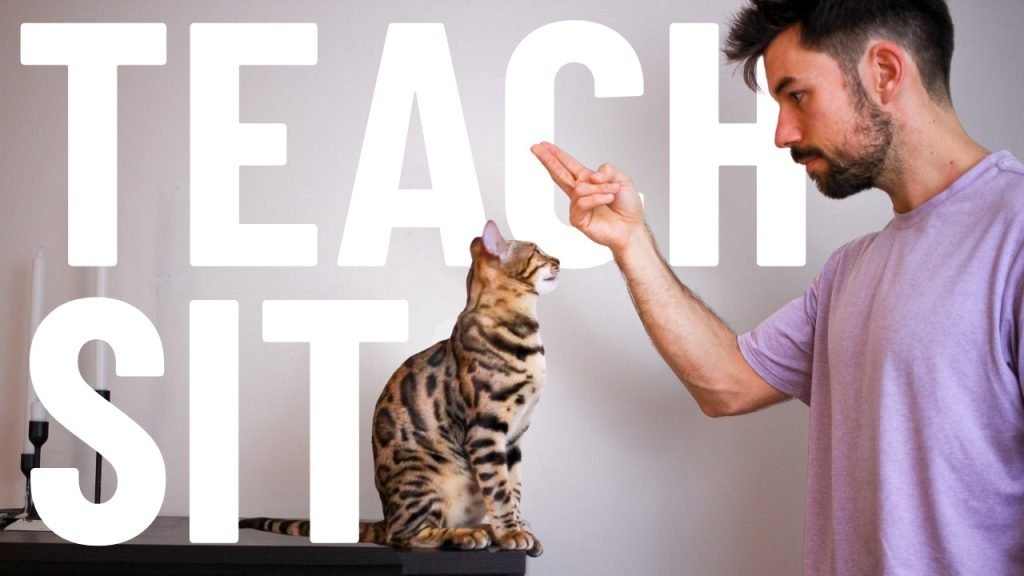
Have you ever wished your cat would just sit on command like a well-trained dog? It might sound impossible, but training your cat to sit is actually doable—and it can strengthen the bond between you and your furry friend.
Imagine the pride you’ll feel when your cat responds to your voice with a simple, obedient sit. You’ll discover easy steps to teach your cat this trick, why it works, and how it can make your life more fun and stress-free.
Ready to unlock your cat’s hidden potential? Let’s dive in!
:strip_icc()/spruce-pets-cat-clicker-training-5594c453bd7f499aa8e7cf756d485afc.png)
Credit: www.thesprucepets.com
Why Train Your Cat
Training a cat to sit might sound unusual, but it has real benefits. Teaching your cat simple commands makes daily life easier. It helps your cat behave better and stay safe. Training also gives your cat mental exercise and keeps them active. It builds trust and understanding between you both. Even cats, known for independence, can learn with patience and rewards.
Benefits Of Sitting Command
- Makes vet visits less stressful for your cat
- Helps control your cat in busy or unsafe places
- Prevents unwanted jumping on furniture or people
- Encourages calmness during feeding or playtime
- Provides mental stimulation and reduces boredom
Improving Cat-human Bond
Training sessions create quality time with your cat. They strengthen trust and communication between you. Your cat learns to respond to your voice and signals. Positive reinforcement makes your cat enjoy being with you. This shared activity deepens your connection and makes your cat happier. It shows your cat they can rely on you.
Cat Behavior Basics
Understanding your cat’s behavior is the first step toward teaching it to sit. Cats are unique creatures with instincts and learning abilities that differ greatly from dogs. Knowing these basics helps you set realistic expectations and use the right training methods.
Natural Instincts And Learning
Cats rely heavily on their natural instincts. Sitting isn’t a behavior they use often in the wild, so it’s not something they naturally do on command. However, they are capable learners. They observe and mimic actions that bring rewards or comfort.
Think about how your cat reacts when you open a can of food—this shows they connect actions and outcomes. Training your cat to sit means linking this natural curiosity with a clear signal and reward. Have you noticed your cat’s response to new commands or tricks before?
Motivation And Attention Span
Cats have short attention spans, usually just a few minutes for focused activity. This means training sessions should be brief but frequent. You’ll get better results if you use something your cat truly values, like a favorite treat or toy, as motivation.
Unlike dogs, cats won’t respond to praise alone. You need to tap into what excites your cat. Does your cat respond more to playtime or food? Using the right motivator helps keep their attention and makes learning enjoyable for both of you.
Preparing For Training
Training your cat to sit requires more than just patience; it demands thoughtful preparation. Setting the stage correctly can make a huge difference in how quickly your cat learns. Before you start, consider the environment and the rewards you’ll use to keep your cat motivated.
Choosing The Right Environment
Pick a quiet, comfortable space free from distractions. Cats are easily startled by loud noises or busy activity, which can interrupt their focus.
Try to train in the same spot each time to build a sense of routine. Consistency helps your cat understand when it’s time to learn and when it’s time to play.
Have you noticed how your cat behaves in different rooms? Choose a place where they feel safe and relaxed—that’s where they’ll be more willing to cooperate.
Selecting Treats And Rewards
Not all treats are created equal. Find small, soft snacks your cat loves and can eat quickly to keep the training flowing smoothly.
Some cats respond better to playtime or affection instead of food. Pay attention to what truly excites your cat and use that as motivation.
Keep treats handy but don’t overdo it—too many can distract or spoil your cat. Balance is key to maintaining interest without overwhelming them.

Credit: www.catschool.co
Step-by-step Sitting Training
Training a cat to sit requires patience and clear communication. The process involves getting your cat’s attention, using consistent signals, and rewarding the behavior. This step-by-step guide breaks down these actions into simple parts. Each step builds trust and understanding between you and your cat.
Getting Your Cat’s Attention
Start by choosing a quiet place with few distractions. Use your cat’s favorite treat or toy to catch their eye. Hold the treat close to their nose so they focus on it. Speak softly to keep their interest without startling them. Wait for your cat to look at you and stay calm. This focus is key before asking them to sit.
Using Hand Signals And Commands
Use a clear hand signal to indicate the sit command. Hold your hand palm-up, then slowly move it above your cat’s head. This movement encourages your cat to lower its body and sit. Say a simple word like “sit” at the same time. Repeat this action consistently so your cat connects the word and signal. Keep your voice calm and friendly to encourage learning.
Reinforcing The Sitting Action
The moment your cat sits, reward them immediately with a treat or gentle petting. Positive reinforcement helps your cat remember the behavior. Repeat the training in short sessions daily for best results. Avoid scolding or pushing your cat into sitting. Celebrate small progress to build confidence and make training fun.
Overcoming Common Challenges
Training a cat to sit can be tricky. Cats have their own minds and habits. Challenges arise, but patience helps. Understanding common obstacles makes training easier. Focus on steady progress and small wins.
Dealing With Distractions
Cats notice everything around them. Noise, movement, or toys can pull their attention away. Choose a quiet spot for training. Remove items that might distract your cat. Keep sessions short to maintain focus. Reward your cat immediately after sitting. This links the action to a positive outcome.
Handling Stubbornness
Cats may refuse to follow commands at times. They do not respond like dogs. Use gentle encouragement without pressure. Try different treats to find what motivates your cat. Be consistent with your commands and timing. Celebrate small steps, not just full sits. Patience turns stubbornness into cooperation over time.
Advanced Training Tips
Once your cat has mastered the basic “sit” command, you might wonder how to take the training further. Advanced training tips help deepen your cat’s understanding and keep them mentally engaged. These strategies require patience but can significantly enhance your bond and your cat’s responsiveness.
Increasing Training Duration
Start by gradually extending the time your cat stays in the sitting position. Begin with just a second or two, then slowly add more seconds as your cat gets comfortable.
Use a calm voice and gentle praise to keep your cat motivated. If you notice your cat getting restless, shorten the duration and build up more slowly next time.
Have you tried timing your sessions to your cat’s energy levels? Cats respond better when they aren’t too tired or too hyper. Observing your cat’s mood can make a big difference in training success.
Combining Commands
Once “sit” is solid, try adding a second command like “stay” or “paw.” This challenges your cat to think and respond to multiple cues.
- Start by asking your cat to sit, then immediately give the new command.
- Reward your cat only when both commands are followed correctly.
- Keep sessions short and fun to avoid confusion or frustration.
During my own training sessions, I noticed my cat learned faster when commands were linked to clear rewards. This approach makes the learning process feel like a game for your cat, encouraging them to participate actively.
Are you ready to see how many commands your cat can learn at once? Combining commands can turn training into an exciting challenge for both of you.
Tools And Resources
Training a cat to sit takes patience and the right tools. These tools help make learning clear and fun for your cat. Using effective resources speeds up the training process. It also keeps your cat motivated and interested.
Training Aids And Clickers
Clickers are small devices that make a clicking sound. They mark the exact moment your cat does something right. This helps your cat understand what behavior you want. Treats are often used alongside clickers to reward the cat.
Other aids include target sticks and training mats. Target sticks guide your cat’s movement. Training mats help your cat learn where to sit. These aids keep training sessions short and focused.
Recommended Books And Videos
Books on cat behavior and training provide step-by-step instructions. They explain how cats learn and respond to commands. Videos offer visual examples that are easy to follow. Watching real training sessions helps you copy effective techniques.
Choose books and videos made by animal trainers or vets. They give reliable and safe advice. Keep learning from trusted sources to improve your training skills.
Signs Of Progress
Training a cat to sit can be a rewarding experience, but how do you know if you’re making real progress? Watching for clear signs of improvement helps keep you motivated and on track. Recognizing these signs also deepens your understanding of your cat’s learning pace and style.
Recognizing Successful Training
One key sign is your cat responding consistently to the sit command. If your cat begins to sit immediately when you say the word or use a hand signal, you’re seeing success. Pay attention to the speed and enthusiasm of their response—quick, eager sits mean they’re getting it.
Look for subtle clues too. Does your cat glance at you expectantly after the command? Are they holding the sit position longer than before? These small changes show growing comprehension and willingness.
Celebrating Milestones
Every little victory deserves recognition. Maybe your cat sat on command once without a treat, or held the position for a few seconds longer. Celebrate these moments to encourage yourself and your feline friend.
- Mark the first time your cat sits without hesitation.
- Notice when your cat sits in different rooms or situations.
- Appreciate when your cat voluntarily sits even without being prompted.
How do you reward your cat for these milestones? Finding the right treat or praise can make a huge difference. What small win will you celebrate today?

Credit: www.outdoorbengal.com
Frequently Asked Questions
Can Cats Learn To Sit On Command?
Yes, cats can learn to sit on command with patience and consistent training. Use treats and positive reinforcement.
How Long Does It Take To Train A Cat To Sit?
Training duration varies but usually takes a few weeks of daily sessions. Consistency and rewards speed up learning.
What Is The Best Method To Train A Cat To Sit?
Clicker training combined with treats works best. Reward your cat immediately after it sits to reinforce behavior.
Are Some Cats Easier To Train Than Others?
Yes, personality and breed influence trainability. Social and food-motivated cats generally learn commands faster and more easily.
Conclusion
Training a cat to sit takes time and patience. Cats learn best with gentle rewards and short sessions. Each cat is different; some catch on quickly, others need more practice. Consistency helps your cat understand what you want. Keep training fun and stress-free for your pet.
Small steps lead to big progress. Enjoy bonding with your cat during training. Remember, patience makes all the difference. You can teach your cat to sit with love and care.
