


Have you ever wondered if your cat can learn tricks like a dog? Maybe you’ve seen dogs sitting, rolling over, or fetching, and asked yourself, “Can my cat do that too?”
The good news is, yes—you can train your cat, but it takes a different approach. If you want to build a stronger bond with your furry friend and enjoy watching them respond to your commands, keep reading. By the end of this article, you’ll discover simple, effective ways to train your cat and unlock a new level of fun and connection.
Ready to see what your cat can really do? Let’s dive in.
Cat Vs Dog Training
Training cats and dogs involves very different approaches. Their natural behaviors and instincts shape how they respond to commands. Understanding these differences helps set realistic expectations for cat training. Dogs often seek to please their owners, while cats act more independently. This section explores how their behavior, motivation, and learning styles affect training success.
Differences In Behavior
Dogs are pack animals. They follow a clear social hierarchy and enjoy teamwork. This makes dogs eager to follow orders and routines.
Cats are solitary hunters. They value independence and often work alone. Cats respond less to commands and more to their own interests.
Dogs show excitement to please, while cats stay cautious and curious. These traits change how each animal learns new skills.
Motivation Factors
Dogs respond well to praise, treats, and playtime. Rewards motivate them to repeat good behavior quickly.
Cats prefer food rewards but only if hungry or interested. They dislike forced training and need gentle encouragement.
Dogs seek social approval. Cats focus on personal comfort and safety. This affects how trainers encourage learning.
Learning Styles
Dogs learn through repetition and clear commands. They quickly associate actions with rewards or consequences.
Cats learn best through short, positive sessions. They remember experiences linked to their own benefit.
Dogs adapt to structured training easily. Cats prefer flexible, low-pressure learning environments.

Credit: theoreticallyteddy.com
Basics Of Cat Training
Training a cat requires patience and understanding. Cats learn differently than dogs. They respond better to gentle guidance and clear cues. Knowing the basics helps create a strong bond with your pet. Start with simple steps and build trust over time.
Essential Commands
Teaching basic commands helps control your cat’s behavior. Simple words like “sit,” “come,” and “stay” work well. Use short, clear commands each time. Cats recognize consistent sounds faster. Keep commands easy to remember and repeat them often.
Using Positive Reinforcement
Reward good behavior immediately. Treats, petting, or praise work well. Positive reinforcement encourages cats to repeat actions. Avoid punishment, as it can scare cats. Praise helps build confidence and trust. Rewards must come right after the correct action.
Timing And Consistency
Timing is key for effective training. Reward or correct behaviors within seconds. Consistent training sessions make learning faster. Use the same commands and rewards every time. Keep sessions short to hold your cat’s attention. Daily practice strengthens habits and understanding.
Techniques That Work
Training a cat requires patience and the right approach. Unlike dogs, cats respond best to gentle encouragement rather than strict commands. Using techniques that respect their natural instincts can lead to surprising results.
Clicker Training
Clicker training uses a small device that makes a distinct sound to mark desired behavior. The sound tells your cat exactly when they’ve done something right. This clarity helps your cat learn faster because they associate the click with a reward.
Start by clicking and immediately giving a treat. Then, click only when your cat performs the action you want, like sitting or coming. It’s a simple way to communicate without confusion.
Treat-based Rewards
Treats are powerful motivators for cats. Using tasty, small treats encourages your cat to repeat good behavior. Keep treats ready and offer them right after your cat follows a command to strengthen the connection.
Be careful not to overfeed. Use treats sparingly and balance with their regular diet. This keeps your cat eager and prevents them from losing interest.
Play As Motivation
Many cats love play more than food. Toys like feather wands or laser pointers can be rewards that make training fun. After your cat completes a task, engage them in a quick play session to celebrate their success.
This technique taps into your cat’s natural hunting instincts. You’ll notice your cat becoming more responsive when training feels like a game instead of a chore.
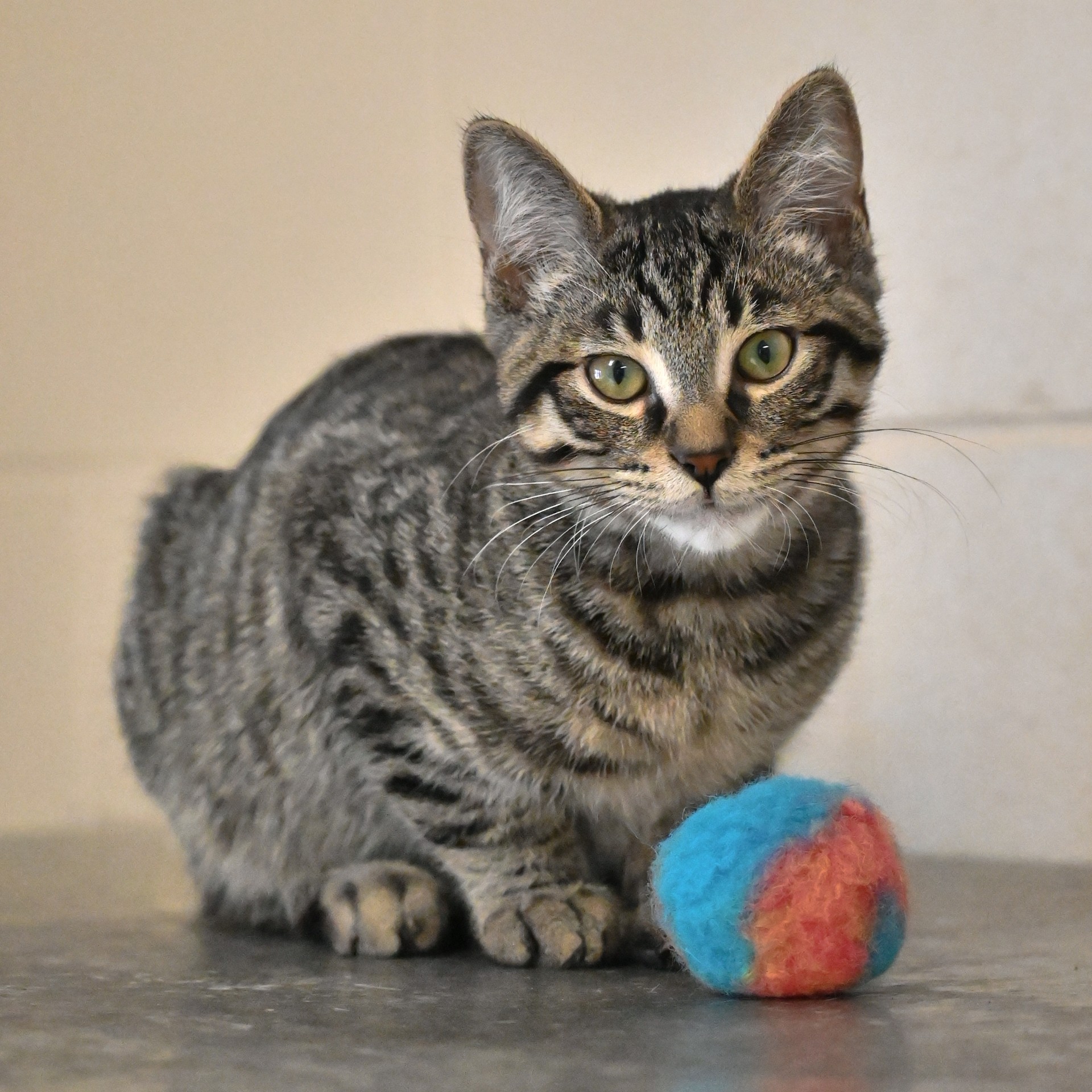
Credit: ontariospca.ca
Common Challenges
Training a cat can be rewarding, but it comes with its own set of challenges. Unlike dogs, cats have distinct personalities and behaviors that can make the training process feel like a puzzle. Understanding these common hurdles will help you stay patient and adjust your approach effectively.
Short Attention Span
Cats rarely focus on a single task for long. Their attention can shift quickly from your commands to a sudden noise or a fluttering shadow. This makes traditional training sessions tricky.
Try keeping sessions very short—just a few minutes at a time. Use high-value treats or toys to grab and hold their interest. Have you noticed how your cat suddenly loses focus just as you’re about to reward them? That’s normal, so be ready to adapt.
Independent Nature
Cats are naturally independent animals. They don’t feel the same urge to please you as dogs do. This means they might not respond to training commands just because you ask.
Instead, connect training with your cat’s desires. For example, train them to come when called by offering their favorite snack or a fun toy immediately. Have you ever seen your cat ignore you until there’s something in it for them?
Overcoming Fear And Distrust
Some cats may be wary of new experiences or people, making training even harder. Fear can cause them to freeze, hide, or act defensively.
Building trust is key. Approach training gently and reward any small progress. Speak softly and avoid forcing interactions. Think about your cat’s past—have they had negative experiences that make them cautious? Patience and consistency can help break down those barriers.
Training Tips From Experts
Training a cat requires a special approach. Experts say it takes time and understanding. Cats learn differently than dogs. Their training needs patience and respect for their nature.
Successful cat training depends on clear goals and adapting to your cat’s unique traits. Using the right techniques helps build trust. It makes training a positive experience for both you and your cat.
Patience And Persistence
Patience is key to training cats. Cats might not respond quickly. They need repeated gentle guidance. Persistence helps them learn over time. Short sessions work best to keep their interest. Avoid rushing or forcing them. Celebrate small progress to encourage your cat.
Setting Realistic Goals
Set simple and clear goals for training. Cats learn basic commands better than complex tricks. Focus on behaviors like sitting, coming when called, or using a scratching post. Break tasks into small steps. Reward each step with treats or praise. Realistic goals keep training fun and stress-free.
Adapting To Your Cat’s Personality
Every cat is different. Some are shy, others more curious or playful. Tailor your training style to your cat’s personality. Use gentle tones for shy cats. Playful cats respond well to games and toys. Notice what motivates your cat and use it as a reward. This personal touch makes training easier and more enjoyable.

Credit: vocal.media
Benefits Of Training Cats
Training cats brings many rewards for both the cat and the owner. It helps shape good habits and makes daily life easier. Cats that learn commands or tricks can live happier and healthier lives. Training also opens a new way to communicate and understand each other.
Improved Behavior
Training teaches cats what is allowed and what is not. It reduces unwanted actions like scratching furniture or jumping on counters. Cats learn to follow simple rules, making the home more peaceful. This creates a better environment for everyone.
Stronger Bond
Training time builds trust between cats and owners. It shows care and attention, which cats appreciate. Working together on tasks makes the relationship closer. A trained cat often feels more secure and loved.
Mental Stimulation
Training exercises a cat’s brain and keeps it sharp. Learning new commands or tricks challenges their mind. This helps prevent boredom, which can cause stress or bad behavior. A stimulated cat stays active and curious.
Frequently Asked Questions
Can Cats Learn Tricks Like Dogs Do?
Yes, cats can learn tricks through positive reinforcement. Patience and consistency are key. Use treats and praise to encourage behaviors like sitting or high-fiving.
How Long Does Cat Training Usually Take?
Training time varies by cat’s personality and the trick. Some cats learn simple commands in days, while complex behaviors may take weeks. Regular short sessions improve progress.
Are Cats As Trainable As Dogs?
Cats are trainable but differ from dogs. They are more independent and less motivated by social rewards. Training requires understanding feline behavior and using appropriate rewards.
What Is The Best Method To Train A Cat?
Positive reinforcement with treats and praise works best. Avoid punishment; it harms trust and slows learning. Use clicker training or simple commands to shape behavior effectively.
Conclusion
Cats can learn many things, but training differs from dogs. Patience matters most for success with cats. Treats and praise help motivate your feline friend. Training should be short and fun for cats. Remember, each cat has its own personality and limits.
Enjoy the process and celebrate small wins. Training a cat is possible, just takes time. Stay consistent and kind to build trust. Your cat will appreciate gentle guidance and attention. Training brings you closer and creates a strong bond.
