

Have you ever wondered if your cat could use the toilet instead of a litter box? It sounds like a dream come true—no more scooping or dealing with messy litter.
But is toilet training a cat really possible? If you’re tired of the daily hassle and want a cleaner, fresher home, this guide is made just for you. Keep reading, and you’ll discover the surprising truth, practical tips, and what to expect on the path to toilet training your feline friend.
Your cat’s bathroom habits might change forever!
Credit: www.amazon.com
Cat Toilet Training Basics
Toilet training a cat might sound unusual, but many pet owners have successfully made the switch from litter box to toilet. Understanding the basics of cat toilet training can help you decide if this approach fits your lifestyle and your feline friend’s personality. It’s important to know the benefits and challenges before you start this journey.
Benefits Of Toilet Training
One big advantage is saving money on litter. No more frequent trips to the store or messy litter tracking around the house.
It also reduces odors significantly since waste goes directly into the toilet and flushes away.
Think about the convenience too—cleaning a litter box daily can be time-consuming. Toilet training cuts that chore out completely.
Some cats enjoy the new challenge and stimulation that comes with learning to use the toilet. It can strengthen your bond as you work together on this unique skill.
Challenges To Expect
Not all cats take to toilet training easily. Some may resist the change and prefer their familiar litter box.
You’ll need patience and consistency. The process usually takes weeks or even months, and rushing can confuse your cat.
Accidents are normal. Your cat might fall into the toilet or avoid it at times, which means extra cleanup and reassurance.
Also, consider your cat’s age and health. Older cats or those with mobility issues might find toilet training stressful or difficult.
Have you thought about how you’ll manage guests or multiple cats? Sharing a toilet might not work well for every household.
Preparing Your Cat
Getting your cat ready for toilet training is a crucial step that sets the foundation for success. Cats are creatures of habit, so preparing them thoughtfully can make the transition smoother. Understanding your cat’s preferences and comfort needs will help you guide them confidently through this new routine.
Choosing The Right Litter Box
Start by selecting a litter box that matches your cat’s size and habits. A box that’s too small might make your cat uncomfortable, while one that’s too large can be intimidating. Observe how your cat uses their current litter box — do they like high sides for privacy or an open one for easy access?
Consider these points when choosing the right box:
- Material: Plastic boxes are common, but some cats prefer metal or ceramic.
- Shape: Rectangular boxes offer more space than round ones.
- Depth: Ensure the sides aren’t too high, especially for kittens or older cats.
Have you noticed your cat avoiding the litter box at times? That could be a sign it’s not the right fit. Matching the box to their preferences can make toilet training less stressful.
Creating A Comfortable Environment
Your cat’s environment plays a big role in their willingness to learn. Place the litter box in a quiet, low-traffic area where your cat feels safe. Avoid noisy spots or places near their food and water bowls, as cats generally don’t like to eliminate near their eating areas.
Think about lighting and temperature too. Cats often prefer dim, cozy spots for their bathroom breaks. You might have noticed your cat choosing a particular corner of the house — mimicking this environment near the toilet can help them adjust.
Have you tried spending time with your cat near the new training spot? Your calm presence reassures them that this is a safe, acceptable place. Small adjustments like soft rugs or gentle scents can make the space more inviting and encourage your cat to explore the new routine.
Step-by-step Training Process
Training your cat to use the toilet is a gradual process that requires patience and consistency. Each stage builds on the previous one, helping your cat adjust comfortably and confidently. Let’s break down the key phases that make this possible.
Gradual Litter Box Elevation
Start by slowly raising your cat’s litter box a few inches every few days. Use sturdy objects like phone books or small boxes to create a stable platform. This helps your cat get used to an elevated surface without stress.
Keep an eye on your cat’s behavior—if they seem uneasy, hold the height steady for a few extra days. This step is crucial because sudden changes can confuse your cat and slow progress.
Transition To Toilet Seat
Once the litter box reaches the height of the toilet seat, place it directly on the seat. This familiar setup encourages your cat to continue their routine in the new spot. Make sure the toilet lid is always up and the seat is down to avoid accidents.
Your cat may hesitate at first. Encourage them gently by rewarding any interest shown toward the toilet area with treats or praise. This positive reinforcement speeds up adaptation.
Using Training Seats
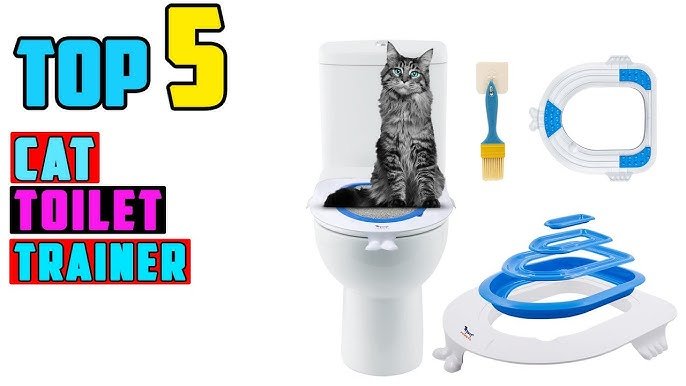
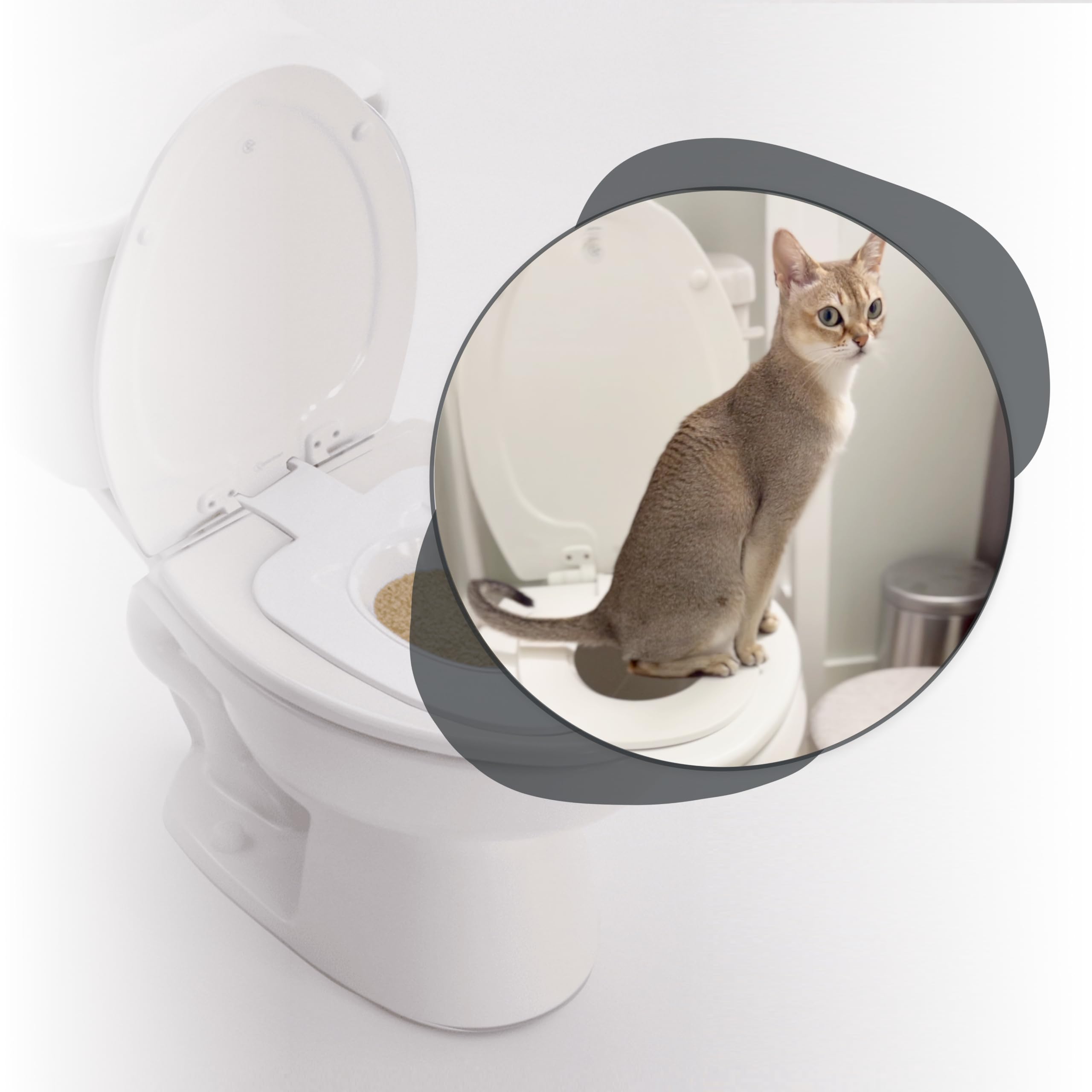
Replace the litter box with a special cat toilet training seat. These seats fit inside the toilet bowl and often come with removable inserts to hold litter initially. Gradually reduce the litter amount over time, allowing your cat to get used to balancing on the seat.
Monitor your cat closely during this stage to prevent falls or discomfort. The training seat is your bridge to full toilet use, so patience here pays off. Have you noticed how your cat reacts to new objects in their space? Use that insight to guide your pace.
Common Mistakes To Avoid
Toilet training a cat can be tricky. Many owners make common mistakes that slow progress or upset their pets. Avoiding these errors helps your cat feel safe and learn faster. Patience and attention to your cat’s behavior are key.
Rushing The Process
Training takes time. Cats need days or weeks to adjust to each step. Moving too fast causes stress and confusion. Your cat might stop using the toilet altogether. Let your cat get comfortable before changing anything.
Slowly reduce the litter in the box. Wait until your cat uses the toilet confidently. Watch for signs of stress. If your cat resists, pause and give more time.
Ignoring Your Cat’s Signals
Every cat shows how they feel differently. Some hide, some meow, some avoid the toilet. Ignoring these signs can hurt training. Watch your cat closely. Look for discomfort or fear.
If your cat avoids the toilet or seems nervous, stop. Give extra comfort and try again later. Respecting your cat’s feelings makes training easier and safer.
Maintaining Hygiene And Safety
Maintaining hygiene and safety is crucial when toilet training a cat. Clean surroundings keep both your cat and home healthy. Proper care prevents infections and unpleasant odors. It also helps your cat feel comfortable using the toilet consistently.
Cleaning Tips
- Clean the toilet seat regularly with pet-safe disinfectants.
- Remove any litter or waste immediately after use.
- Rinse the toilet bowl to avoid residue buildup.
- Keep the bathroom dry to prevent mold and bacteria growth.
- Wash your hands thoroughly after cleaning to avoid germs.
Preventing Accidents
- Supervise your cat during the training phase to guide them.
- Place a stable step or stool near the toilet for easy access.
- Ensure the toilet seat stays securely up or down as needed.
- Keep the bathroom door open to allow easy entry.
- Use positive reinforcement to encourage proper toilet use.

Credit: www.youtube.com
Alternative Solutions
Toilet training a cat isn’t the only path to a clean and convenient home. Many cat owners find alternative solutions that suit both their lifestyle and their pet’s comfort better. These options can save you time and stress while keeping your cat happy and healthy.
Indoor Litter Options
Choosing the right indoor litter box can make a huge difference. There are self-cleaning litter boxes that reduce odor and mess, saving you daily scooping. Covered litter boxes offer privacy for shy cats and help contain litter scatter.
Try different types of litter too—clumping, crystal, or natural materials like corn or pine. Cats have preferences, and finding the right texture can encourage consistent use. Have you noticed your cat avoiding the box? Switching litter could be the simple fix.
- Place litter boxes in quiet, accessible spots.
- Use multiple boxes if you have more than one cat.
- Keep boxes clean to prevent accidents outside.
Professional Training Help
If you feel stuck, don’t hesitate to ask for professional help. Animal behaviorists and cat trainers can provide personalized advice tailored to your cat’s unique habits. They can spot underlying issues like anxiety or health problems that you might miss.
These experts often use positive reinforcement techniques to teach good bathroom habits without stress. Have you tried rewarding your cat with treats or praise when it uses the litter box? Trainers can show you how to make those moments count.
Consider consulting a vet if your cat suddenly changes bathroom habits. Sometimes, medical issues are the root cause. Professional guidance can save you frustration and keep your cat comfortable.

Credit: raleighncvet.com
Frequently Asked Questions
Can All Cats Be Toilet Trained Successfully?
Not all cats adapt to toilet training. Success depends on the cat’s personality and patience during training. Some cats prefer traditional litter boxes.
How Long Does It Take To Toilet Train A Cat?
Toilet training a cat usually takes 4 to 6 weeks. Consistency and gradual steps are key for effective training.
What Are The Benefits Of Toilet Training A Cat?
Toilet training reduces litter box mess and odor. It saves money on litter and is environmentally friendly.
Are There Risks In Toilet Training Cats?
Yes, toilet training can cause stress or accidents. Some cats may develop behavioral or health issues.
Conclusion
Toilet training a cat takes time and patience. Not every cat will like it or succeed. Some cats prefer their litter box. Be gentle and watch your cat’s behavior. Celebrate small progress and stay consistent. Cleanliness matters for both you and your pet.
Remember, your cat’s comfort is the top priority. Training can work, but it’s not for all cats. Try it only if you feel ready to commit. Your cat will thank you with trust and love.
