

If you have a ferret at home, you might be wondering if it’s okay to feed it cat food. After all, both pets are carnivores, and cat food is easy to find and store.
But is cat food really safe or healthy for your ferret? Making the right choice for your furry friend’s diet is important for its happiness and health. Keep reading to discover the truth about feeding ferrets cat food and what you should know before making that decision.
Your ferret’s well-being depends on it!
Ferret Dietary Needs
Understanding what your ferret truly needs in its diet is essential before considering if cat food is a suitable option. Ferrets have unique dietary requirements that differ significantly from many other pets. Knowing these needs helps you make the best choices for your ferret’s health and happiness.
High Protein And Fat Requirements
Ferrets are obligate carnivores, which means they need a diet rich in animal protein and fat. Their digestive systems are designed to process meat, not plant-based ingredients or grains. Protein levels in their food should be at least 30-40%, and fat should be around 15-20% to keep them energetic and healthy.
If you feed your ferret anything less than this, such as foods heavy in carbohydrates or fiber, you risk causing digestive issues or nutrient deficiencies. Have you ever noticed how your ferret acts after eating something off-limits? It’s often a sign that their diet wasn’t right.
Low Carbohydrate And Fiber Needs
Unlike dogs or cats, ferrets have very short digestive tracts that don’t handle fiber or carbs well. Too many carbohydrates can lead to weight gain, diarrhea, or even insulinoma, a serious health problem. This is why you want to avoid foods with fillers like corn, wheat, or soy.
Think about your ferret’s natural diet in the wild, which consists mostly of small animals with little to no plant matter. This natural diet helps you understand why ferrets need minimal carbs and fiber in their food.
Essential Nutrients And Vitamins
Ferrets need certain vitamins and nutrients that support their metabolism and immune system. Taurine, an amino acid found in meat, is critical for their heart and eye health. Many cat foods contain taurine, but not all have the right balance of other nutrients ferrets need.
Other important nutrients include vitamin A and certain B vitamins. A diet lacking these can cause serious health problems over time, so it’s crucial to check ingredient lists carefully.
Water And Feeding Frequency
Ferrets have fast metabolisms and need to eat multiple times a day, usually three to four small meals. Fresh water should always be available, as dehydration can quickly lead to serious issues.
Unlike cats, ferrets don’t drink much water naturally, so you might notice them eating more wet food or licking water droplets around their cage. Are you providing meals often enough to keep your ferret’s energy levels steady?

Credit: www.reddit.com
Cat Food Composition
Understanding the composition of cat food is crucial before deciding if it’s suitable for your ferret. Cat food is designed to meet the nutritional needs of cats, which differ significantly from those of ferrets. Let’s break down what cat food typically contains and why that matters for your furry friend.
Proteins And Animal Fats
Cat food usually contains high levels of protein and animal fats because cats are obligate carnivores. This means they require meat-based protein to stay healthy. Ferrets also need animal protein, but their digestive systems are more sensitive to the types and amounts of fats and proteins found in cat food.
Carbohydrates And Fillers
Many commercial cat foods include carbohydrates like corn, wheat, or rice as fillers. These are added to reduce costs but offer little nutritional value to carnivores. Ferrets have very short digestive tracts and cannot efficiently process carbs, which may lead to digestive upset or health problems if fed cat food regularly.
Vitamins And Minerals
Cat foods are fortified with vitamins and minerals like taurine, essential for cats’ heart and eye health. Ferrets also need taurine, but the balance of vitamins and minerals in cat food may not be ideal for them. Over time, feeding your ferret cat food could result in nutrient imbalances, affecting their overall health.
Moisture Content
Dry cat food tends to have low moisture content, while wet cat food contains more water. Ferrets get most of their hydration from their food in the wild, so moisture content is important. Feeding dry cat food exclusively might require you to increase your ferret’s water intake to prevent dehydration.
Have you ever checked the ingredient list on your cat’s food package to see what’s really inside? Doing so can help you decide if it’s worth sharing with your ferret or if you should stick to foods made specifically for them.
Benefits Of Cat Food For Ferrets
Ferrets have specific dietary needs that cat food can sometimes meet well. Cat food offers certain benefits that can support a ferret’s health and energy levels. It is important to understand these benefits before feeding cat food to ferrets.
Nutritional Similarities
Ferrets and cats are both carnivores. They require high protein and fat in their diets. Cat food usually contains high animal protein and fat levels. This matches the ferret’s natural diet needs. Cat food also has fewer carbohydrates, which suits ferrets better than many other pet foods. Some cat foods include essential nutrients like taurine, important for ferret health. This similarity makes cat food a reasonable option in some cases.
Convenience And Availability
Cat food is easy to find in most stores. It comes in many varieties and forms, like dry kibble and canned food. This availability makes feeding ferrets easier, especially in emergencies. Cat food is also affordable compared to specialized ferret food. Having cat food on hand can help when ferret food is unavailable. It offers a practical, quick solution for feeding ferrets when needed.
Credit: www.petsupermarket.com
Risks Of Feeding Cat Food To Ferrets
Feeding cat food to ferrets may seem convenient but carries several risks. Ferrets have unique dietary needs that differ from cats. Regular cat food can harm their health over time. Understanding these risks helps keep ferrets safe and healthy.
Imbalanced Nutrients
Ferrets need a diet high in animal protein and fat. Cat food often contains ingredients that do not match these needs. It may have too many fillers like grains and carbohydrates. These fillers provide little energy for ferrets.
Cat food lacks certain nutrients essential for ferrets. For example, taurine levels may not be sufficient. Taurine is vital for ferret heart and eye health. Feeding cat food regularly can cause nutrient deficiencies.
Potential Health Issues
Feeding cat food to ferrets can lead to digestive problems. Ferrets have a short digestive tract designed for meat only. Ingredients in cat food may cause diarrhea or bloating. Long-term feeding can increase the risk of obesity.
Other health issues include liver and kidney strain. Cat food may have additives and preservatives harmful to ferrets. These substances can cause allergic reactions or toxic buildup. Avoiding cat food reduces the chance of serious illnesses.
Expert Tips For Feeding Ferrets
Feeding ferrets correctly ensures they stay healthy and active. Ferrets need a diet rich in protein and fat. Their digestive systems differ from cats, so careful food choices matter. Experts suggest knowing how to choose cat food for ferrets and ways to add extra nutrients. This section shares expert tips for feeding ferrets the right way.
Choosing The Right Cat Food
Not all cat foods suit ferrets. Pick cat food with high animal protein. Look for:
- Protein content above 30%
- Fat content around 15-20%
- No grains or fillers like corn or wheat
- Minimal carbohydrates
Dry food is okay, but wet food often has more protein. Check ingredients carefully. Avoid fish-based cat food, as it can cause health problems in ferrets.
Supplementing Ferret Diets
Cat food alone might not meet all ferret needs. Adding supplements helps balance nutrition. Consider these options:
- Raw or cooked meat like chicken or turkey
- Ferret-specific vitamins or minerals
- Small amounts of organ meat, such as liver
- Fresh water always available
Keep treats to a minimum. Fruits and vegetables are not good for ferrets. Regularly monitor your ferret’s weight and energy to adjust food and supplements.

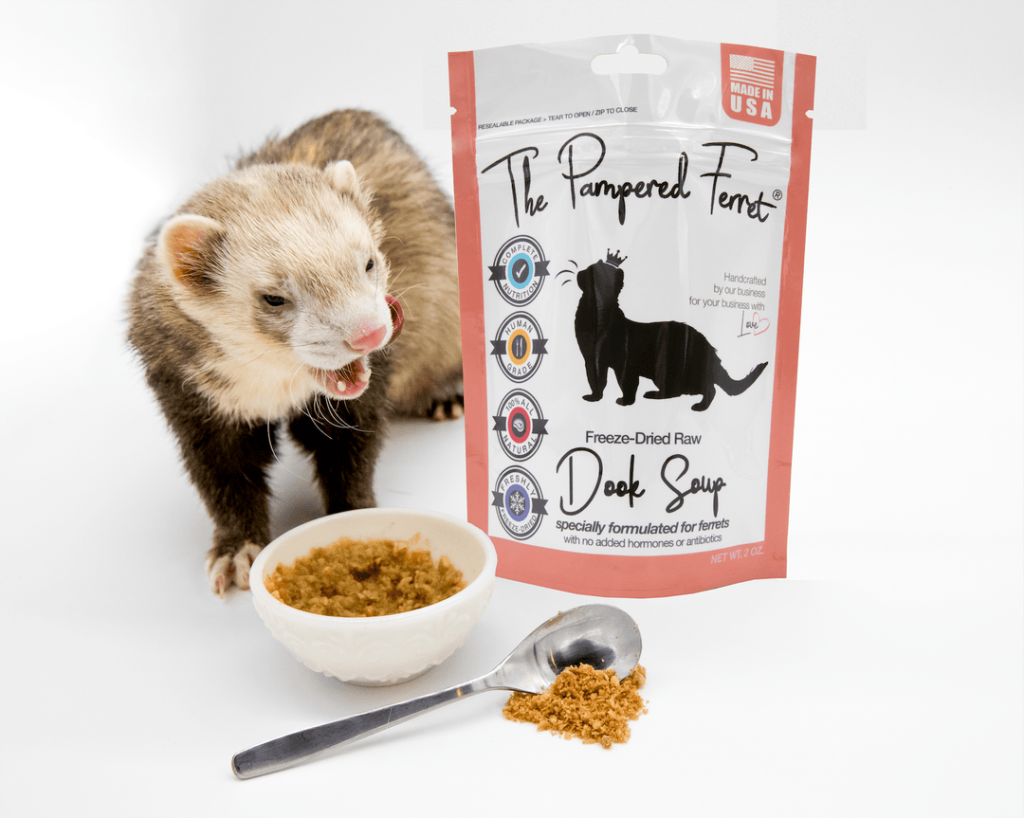
Credit: www.thepamperedferret.com
Alternatives To Cat Food
Ferrets need a diet that fits their unique nutritional needs. Cat food is not always the best option. There are better choices that support ferret health and energy. These alternatives provide proper nutrients and improve their wellbeing.
Ferret-specific Foods
Special ferret foods are made to meet their dietary needs. These products have high protein and fat levels. They contain low carbohydrates, which is important for ferrets. Many brands offer dry kibble and wet food options. These foods help maintain a healthy weight and strong muscles.
- High protein content from animal sources
- Essential fats for energy and coat health
- Low carbohydrates to prevent digestive issues
- Vitamins and minerals for overall health
Homemade Diet Options
Homemade meals give control over ingredients and quality. Fresh meats like chicken, turkey, or rabbit work well. Avoid grains, fruits, and vegetables that ferrets cannot digest. Add organ meats for important nutrients. Always consult a vet to ensure a balanced diet.
- Lean meats cooked without seasoning
- Small amounts of liver or kidney
- Supplements for vitamins and minerals
- Fresh water available at all times
Signs Of Dietary Problems In Ferrets
Noticing signs of dietary problems in your ferret early can save them from serious health issues. Since ferrets have specific nutritional needs, feeding them inappropriate food like cat food might cause subtle yet worrying symptoms. Watching how your ferret behaves and looks can give you clues about their diet’s impact on their health.
Behavioral Changes
One of the first signs that your ferret’s diet might be off is a shift in behavior. You may see your ferret becoming unusually lethargic or less playful than usual. Ferrets are naturally curious and active, so if yours starts hiding more or shows less interest in toys, it could indicate discomfort or nutritional imbalance.
Another behavior to watch is their eating habits. If your ferret suddenly refuses food or eats less, it might be reacting to digestive distress. Have you noticed your ferret scratching around its mouth or pawing at its face? These can be subtle signals of oral discomfort related to diet.
Physical Symptoms
Physical signs often follow behavioral changes and can be more alarming. Weight loss or a dull, patchy coat can indicate poor nutrition. Your ferret’s fur should be shiny and soft; any changes in texture or excessive shedding warrant attention.
Look closely for signs like diarrhea, vomiting, or unusual stools, which may point to digestive problems caused by an inappropriate diet. Swollen abdomen or excessive gas can also signal that your ferret’s body is struggling to process the food you provide. Have you checked your ferret’s teeth and gums lately? Redness or swelling there might be linked to dietary issues as well.
Consulting Veterinarians
Consulting veterinarians is essential before feeding ferrets cat food. Experts understand the unique dietary needs of ferrets. Their guidance helps prevent health problems and ensures proper nutrition. Veterinarians can provide tailored advice based on your ferret’s age, health, and lifestyle.
Seeking Professional Advice
Always ask a vet before changing your ferret’s diet. Cat food often lacks some nutrients ferrets need. Vets can recommend the best food options and supplements. They identify risks linked to feeding cat food to ferrets. Professional advice ensures your pet stays healthy and happy.
Regular Health Checkups
Schedule regular vet visits for your ferret’s health. Checkups detect issues caused by improper diets early. Vets monitor weight, coat condition, and overall health. Routine exams allow quick action if problems arise. Healthy ferrets need consistent care and monitoring.
Frequently Asked Questions
Can Ferrets Eat Cat Food Regularly?
Ferrets can eat cat food occasionally, but it’s not ideal for daily feeding. Cat food lacks essential nutrients specific to ferrets. Long-term feeding may cause health issues like obesity or nutrient deficiencies. Always choose ferret-specific food for balanced nutrition and better health.
Is Cat Food Safe For Ferret Puppies?
Cat food is not safe for ferret kits (puppies). They require higher protein and fat levels than cat food provides. Feeding cat food to young ferrets can stunt their growth and weaken their immune system. Use specially formulated ferret food for their needs.
What Are The Risks Of Feeding Ferrets Cat Food?
Feeding ferrets cat food regularly can lead to nutrient imbalances. Cat food often contains plant-based ingredients harmful to ferrets. It may cause digestive problems, obesity, or dental issues. To ensure your ferret’s health, use high-quality ferret food designed for their carnivorous diet.
Can Ferrets Eat Wet Cat Food?
Ferrets can eat wet cat food occasionally, but it’s not ideal daily. Wet cat food may lack the right nutrient balance for ferrets. It can also cause dental problems if fed exclusively. Use wet ferret food or mix it with dry ferret kibble for variety.
Conclusion
Ferrets need food made just for them. Cat food lacks some nutrients ferrets require. Feeding cat food often can cause health problems. Always choose a diet made for ferrets. This keeps your pet happy and healthy. Watch your ferret’s behavior and energy closely.
Talk to a vet for the best advice. Your ferret deserves the right nutrition every day. Small changes can make a big difference. Keep learning to care well for your furry friend.
