

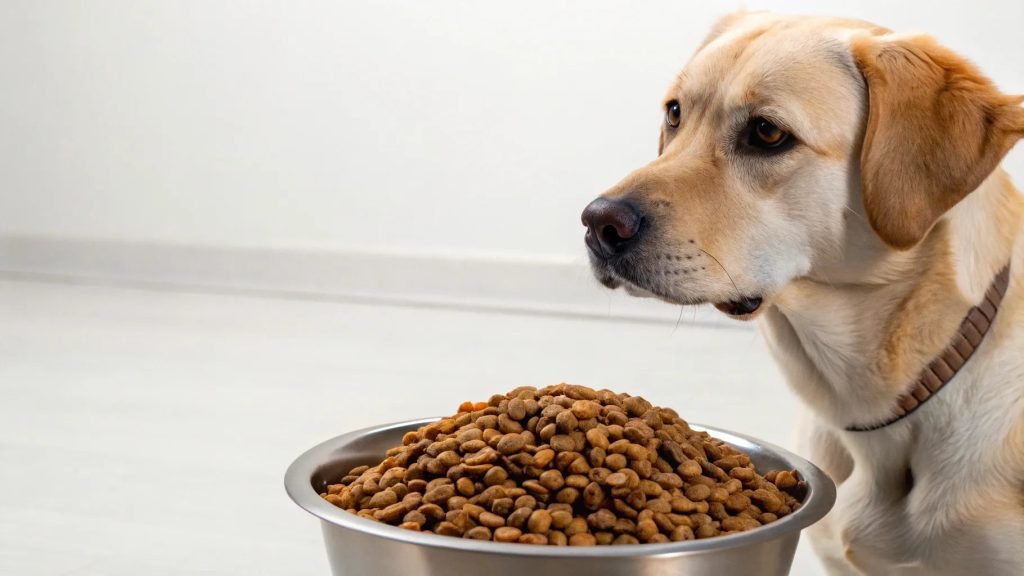
Have you ever caught your dog sneaking a bite of your cat’s dry food and wondered if it’s safe? It’s a common question for many pet owners like you.
You want to make sure your furry friend stays healthy, but the difference between dog and cat food can be confusing. Keep reading to discover the surprising facts about dogs eating dry cat food—and what you should really be feeding your pet to keep their tail wagging happily.
Nutritional Differences
Dogs and cats have different dietary needs. Their foods reflect these differences. Understanding these nutritional variations helps explain if dogs can eat dry cat food safely.
Protein And Fat Content
Cat food usually has more protein than dog food. Cats need higher protein for their energy and body functions. Dry cat food often contains around 30-40% protein, while dog food has about 18-25%.
Fat levels are also higher in cat food. This supports cats’ energy needs and healthy skin. Dog food has less fat to prevent obesity and maintain health. Feeding dogs cat food regularly can lead to weight gain.
Vitamin And Mineral Levels
Cat food contains more taurine, an essential amino acid for cats. Dogs make taurine naturally, so they don’t need extra in their diet. Too much taurine in dog diets is unnecessary.
Vitamin A is added in higher amounts in cat food. Cats cannot convert beta-carotene to vitamin A, unlike dogs. This makes cat food richer in preformed vitamin A.
Mineral content also differs. Cat food often has more phosphorus and calcium. These support cats’ bone and muscle health but may not suit dogs well.
Credit: www.houndsy.com
Potential Benefits For Dogs
Dry cat food isn’t designed for dogs, but there are moments when it might offer some benefits. Understanding these benefits can help you decide if sharing a bit of your cat’s kibble is okay for your dog. Let’s look at some situations where dry cat food might work well for dogs.
Occasional Treats
Giving your dog dry cat food as an occasional treat can be safe in small amounts. It’s high in protein and fats, which dogs usually enjoy. If your dog shows interest in your cat’s food, offering a few pieces now and then won’t harm them.
However, watch how your dog reacts. Some dogs might get an upset stomach if they eat too much cat food. Have you ever noticed your dog begging for cat food during meal times? That curiosity can sometimes be harmless fun.
High Energy Needs
Dogs with high energy demands, like working dogs or very active breeds, might benefit from the extra calories in dry cat food. Cat food often contains more protein and fat than dog food, which can help fuel intense activity.
If your dog is burning a lot of energy, adding small amounts of dry cat food could provide a quick calorie boost. Still, it’s important to balance this with a dog-specific diet to ensure they get all the right nutrients. Could a bit of cat kibble be a handy energy snack for your busy dog?
Risks Of Feeding Dry Cat Food
Feeding dry cat food to dogs may seem harmless, but it carries several risks. Cat food is designed to meet feline needs, which differ from canine nutrition. Dogs eating cat food regularly can face health problems that affect their well-being. Understanding these risks helps keep pets safe and healthy.
Digestive Issues
Dogs have different digestive systems than cats. Cat food contains more fat and protein, which can upset a dog’s stomach. Eating dry cat food may cause vomiting, diarrhea, or constipation. These symptoms show the dog’s body struggles to handle the food.
Obesity And Weight Gain
Cat food has more calories than dog food. Regular consumption can lead to rapid weight gain in dogs. Excess weight stresses joints and organs, reducing a dog’s quality of life. Obesity also increases the risk of diabetes and heart disease.
Taurine Overload
Cat food contains taurine, an amino acid essential for cats. Dogs produce taurine naturally and need less of it. High taurine intake from cat food can cause health problems in dogs. Over time, taurine overload may harm the heart and kidneys.
When It Might Be Harmful
Feeding your dog dry cat food might seem like a harmless snack or a quick fix when their regular food runs out. But there are times when it could actually cause harm rather than help. Understanding these situations can save your furry friend from discomfort and health issues.
Puppies And Senior Dogs
Puppies and senior dogs have very different nutritional needs compared to adult dogs. Dry cat food is rich in protein and fat, which can be too intense for puppies still developing their organs and digestion.
Senior dogs, on the other hand, often require a diet tailored to support joint health and maintain a healthy weight. Feeding them cat food might lead to weight gain or digestive upset because it’s not balanced for their aging bodies.
Have you noticed your puppy or senior dog showing signs of stomach upset after eating cat food? It could be a warning sign that their diet needs closer attention.
Dogs With Health Conditions
If your dog has health problems like kidney disease, pancreatitis, or obesity, cat food can worsen these conditions. The higher fat and protein content in cat food puts extra strain on organs already under stress.
For dogs with pancreatitis, even a small amount of cat food can trigger painful flare-ups. Kidney disease patients need diets lower in protein and phosphorus, which cat food usually doesn’t provide.
Always consult your vet before letting your dog try cat food, especially if they have ongoing health issues. Your dog’s diet should support their condition, not make it worse.
Alternatives To Dry Cat Food
Finding alternatives to dry cat food for your dog is important if you want to keep their diet safe and healthy. Dry cat food often contains higher protein and fat levels that aren’t ideal for dogs. Luckily, there are many options that suit your dog’s nutritional needs without compromising their health.
Dog-specific Treats
Dog-specific treats are designed with your pet’s dietary requirements in mind. They come in various flavors and textures that dogs love, such as chicken bites or dental chews. Choosing treats labeled for dogs ensures they get the right balance of nutrients without the excess fat or protein found in cat food.
Have you noticed how your dog reacts to treats made just for them? Many owners find that switching to dog-specific treats improves digestion and energy levels. These treats also help avoid potential issues like obesity or upset stomachs caused by inappropriate snacks.
Balanced Homemade Meals
Preparing balanced homemade meals lets you control exactly what your dog eats. You can include lean meats, vegetables, and grains, adjusting portions based on your dog’s size and activity level. This approach gives you the flexibility to cater to special dietary needs or allergies.
It might seem daunting at first, but simple recipes can make meal prep manageable. For example, boiled chicken with carrots and rice can be a nutritious and tasty meal. Have you tried making your dog’s meals? Many pet owners find it rewarding and notice a positive change in their dog’s health.

Credit: www.lilyskitchen.co.uk
Guidelines For Safe Feeding
Feeding your dog dry cat food occasionally might seem harmless, but it requires careful attention to keep your pet safe and healthy. Understanding how to feed this alternative diet correctly can prevent nutritional imbalances and digestive issues. Let’s look at practical ways to handle portion sizes and watch for any health changes when offering dry cat food to your dog.
Portion Control
Cat food is richer in calories and fat compared to dog food. Giving your dog the same amount as their regular food can quickly lead to weight gain. Start by offering smaller portions—about half or less of your dog’s usual meal size.
Use a measuring cup to avoid guessing. Divide the dry cat food into smaller servings throughout the day instead of one big meal. This helps reduce the chance of upset stomach or diarrhea.
Have you noticed your dog’s energy levels changing after switching foods? Adjust the portion sizes accordingly to keep their weight and activity balanced.
Monitoring Health Changes
Keep a close eye on your dog’s behavior and body after feeding dry cat food. Look for signs like vomiting, diarrhea, or changes in appetite that could indicate digestive trouble.
Regularly check their coat condition and energy levels. A dull coat or lethargy might signal nutritional issues. If you spot these signs, stop feeding cat food and consult your vet.
Tracking your dog’s health daily can feel overwhelming, but it’s crucial. Have you tried keeping a simple log of their meals and symptoms? It can help you spot patterns early and make better choices for your pet’s diet.

Credit: www.youtube.com
Frequently Asked Questions
Can Dogs Eat Dry Cat Food Occasionally?
Dogs can eat dry cat food occasionally, but it is not ideal. Cat food is richer in protein and fat. Regular feeding may cause digestive issues or obesity in dogs.
What Are The Risks Of Feeding Dogs Cat Food?
Feeding dogs cat food risks include nutrient imbalance, obesity, and digestive upset. Cat food lacks essential nutrients dogs need. Prolonged feeding can lead to health problems.
Is Dry Cat Food Toxic To Dogs?
Dry cat food is not toxic to dogs. However, its high protein and fat content can cause stomach upset. Avoid feeding cat food regularly to keep dogs healthy.
Can Dry Cat Food Replace Dog Food?
Dry cat food should not replace dog food. Dogs require a balanced diet with specific nutrients. Cat food does not meet all canine nutritional needs.
Conclusion
Dogs can eat dry cat food sometimes, but not daily. Cat food has more fat and protein than dogs need. Eating it often can cause health problems for dogs. Always choose food made just for your dog’s needs. Keep your pets healthy by feeding them the right diet.
If unsure, ask a vet for advice. Your dog will thank you with good health and energy. Careful feeding keeps pets happy and strong. Simple choices make a big difference.
