

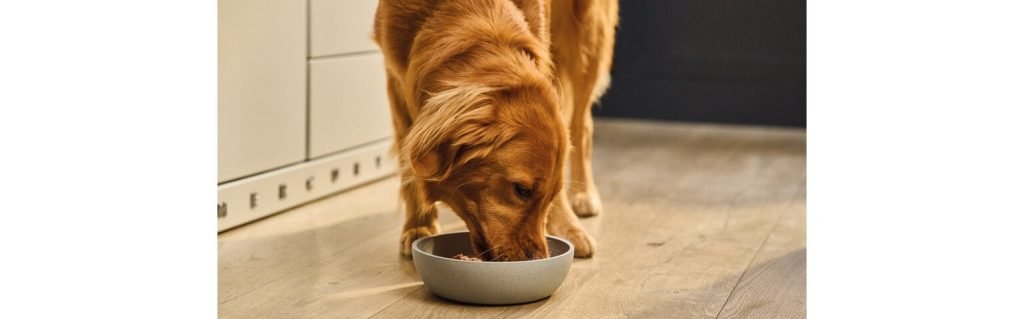
Have you ever caught your dog sneaking a bite of your cat’s food and wondered, “Is this safe?” You’re not alone. Many pet owners worry about what’s okay for their furry friends to eat.
Understanding whether dogs can eat cat food isn’t just about curiosity—it’s about keeping your dog healthy and happy. You’ll discover the surprising facts behind dog and cat diets, what happens when dogs eat cat food, and how to make the best choices for your pet’s wellbeing.
Keep reading to protect your four-legged friend from hidden risks you might not know about.
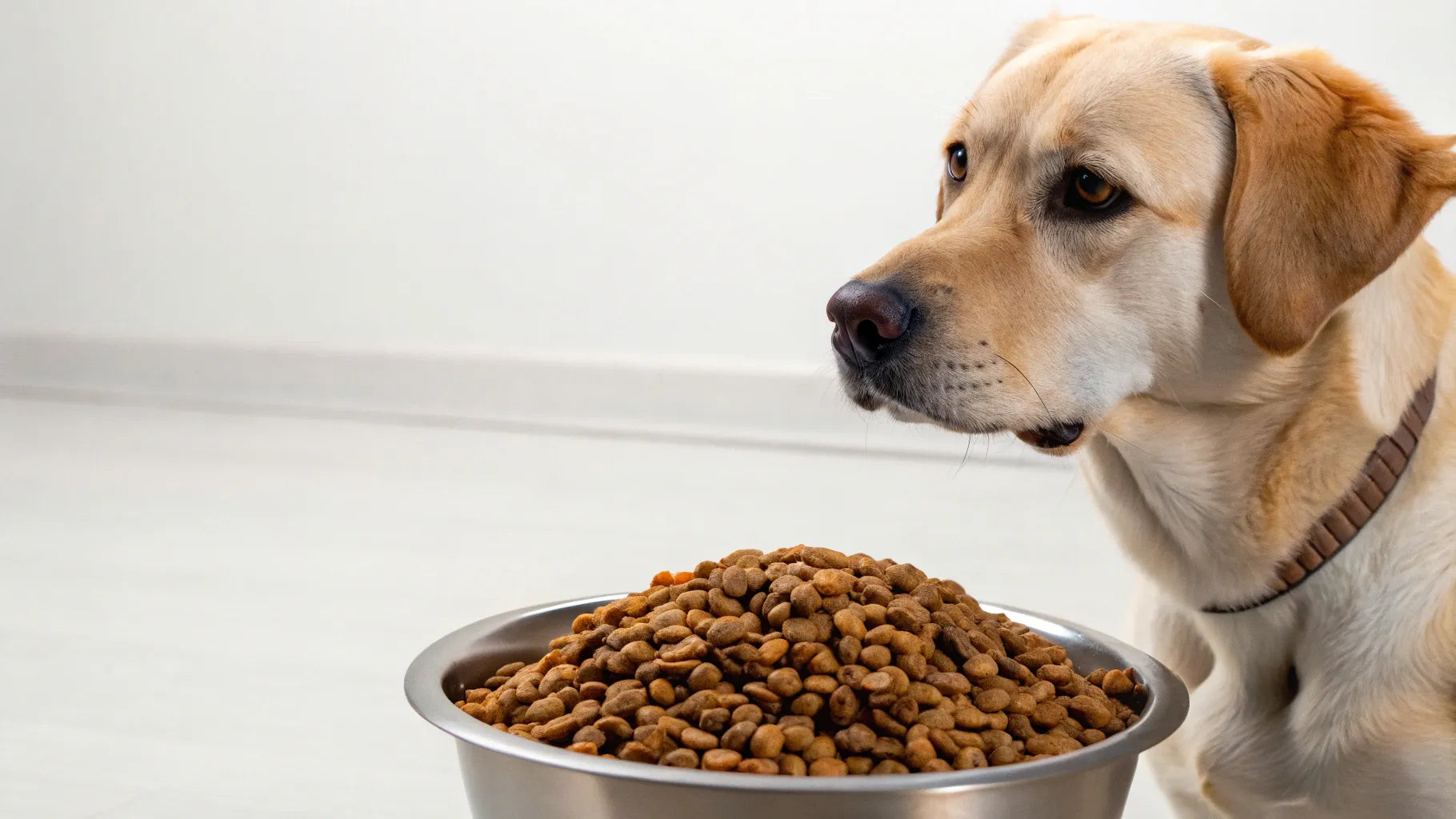
Credit: www.houndsy.com
Nutritional Differences
Understanding the nutritional differences between dog food and cat food is crucial before feeding your dog cat food. These differences can affect your dog’s health in ways you might not expect. Let’s break down the main nutritional factors that set cat food apart from dog food.
Protein And Fat Levels
Cat food generally contains higher protein and fat levels than dog food. Cats need more protein because they are obligate carnivores, meaning their bodies require nutrients found only in meat. Dogs, on the other hand, are more omnivorous and can handle lower protein amounts.
Feeding your dog cat food occasionally might not cause harm, but regular consumption can lead to excessive protein and fat intake. This might cause digestive upset or weight gain in dogs. Have you noticed your dog getting extra energetic or gaining weight after sneaking some cat food?
Essential Vitamins And Minerals
Cat food is enriched with certain vitamins and minerals that dogs don’t need in such high amounts, like taurine and vitamin A. Taurine is essential for cats’ heart and eye health but dogs produce it naturally. Too much vitamin A from cat food can lead to toxicity in dogs over time.
Additionally, cat food often contains higher levels of niacin and arachidonic acid, nutrients vital for cats but not required in large doses for dogs. Feeding your dog cat food regularly may unbalance their nutrient intake and cause health issues.
Knowing these nutritional differences helps you decide if and when it’s okay to share cat food with your dog. Would you want to risk your dog’s health just for a few bites?
Potential Risks For Dogs
Feeding your dog cat food might seem harmless at first, but it carries several potential risks that you should consider carefully. Dogs and cats have different nutritional needs, and cat food is formulated with higher protein and fat levels that can affect your dog’s health. Understanding these risks helps you protect your furry friend from unexpected problems.
Digestive Issues
Dogs eating cat food often face upset stomachs, including vomiting and diarrhea. Cat food is richer and harder for dogs to digest, especially if they eat it regularly or in large amounts. You might notice your dog feeling uncomfortable or less energetic after sneaking some cat food from the bowl.
Have you ever seen your dog refuse their own food after tasting something tastier? This can lead to picky eating habits and nutritional imbalance. If your dog’s digestive system struggles frequently, it’s a sign to keep those cat food treats out of reach.
Long-term Health Concerns
Feeding cat food to dogs over a long period can cause serious health problems. The high fat content may lead to obesity and pancreatitis, a painful inflammation of the pancreas that requires veterinary care. Excess protein can strain your dog’s kidneys, especially in older dogs or those with pre-existing conditions.
Have you considered the impact on your dog’s heart health? Cat food contains more taurine, which is essential for cats but can disrupt your dog’s balance of nutrients. This imbalance might increase the risk of heart disease or other chronic conditions down the line.
It’s worth asking yourself: is a quick snack worth the potential health risks? Monitoring what your dog eats ensures they stay happy and healthy for years to come.
When Dogs Eat Cat Food
Dogs are curious creatures and sometimes they sneak a bite of cat food when given the chance. But what actually happens when dogs eat cat food? Understanding the effects helps you keep your pet safe and healthy.
Occasional Consumption
It’s quite common for dogs to nibble on cat food occasionally, especially if they share the same feeding area. A small amount here and there usually isn’t harmful, but it shouldn’t become a regular habit.
Cat food is richer in protein and fat because cats have different dietary needs. This extra richness can upset your dog’s stomach if they eat too much.
Have you noticed your dog sneaking some cat food? Try offering their own tasty meal right after to discourage this habit.
Signs Of Discomfort
If your dog eats cat food often or in large quantities, watch for signs like vomiting, diarrhea, or lethargy. These symptoms indicate their digestive system is struggling with the richer food.
Other signs might include excessive thirst or changes in appetite. These clues tell you it’s time to consult your vet.
Remember, your dog’s health depends on the right balance of nutrients, not just what tastes good. Are you ready to keep a closer eye on their eating habits?

Credit: www.lilyskitchen.co.uk
Safe Feeding Practices
Feeding your dog safely is crucial, especially when considering cat food. Dogs and cats have different nutritional needs, so understanding what’s safe can protect your pet’s health. Careful choices and expert advice help you avoid common pitfalls and keep your dog thriving.
Choosing The Right Food
Cat food is richer in protein and fat than dog food because cats need more of these nutrients. If your dog eats cat food regularly, it might lead to weight gain or digestive issues. Use dog food as the main diet and reserve cat food for very occasional treats only.
Look for dog foods labeled “complete and balanced” by AAFCO. These foods meet all your dog’s nutritional needs. If your dog shows interest in cat food, try distracting them with a tasty dog-safe treat instead.
Consulting A Veterinarian
Your vet is the best guide for your dog’s diet. They can tell you if a small amount of cat food is okay or if it might cause problems based on your dog’s age, size, and health. Sometimes, vets recommend special diets that meet unique needs, which may explain why your dog is attracted to cat food.
Have you noticed your dog consistently preferring cat food? Mention this during your next vet visit. It might reveal underlying issues like nutrient deficiencies or behavioral habits that need attention.
Alternatives To Cat Food
Feeding your dog cat food occasionally might seem harmless, but it’s not a good habit to get into. Dogs have different nutritional needs, and cat food often contains higher protein and fat levels that can upset your dog’s digestion or lead to weight gain. If you’re looking for alternatives to cat food, there are plenty of options that will keep your dog healthy and happy.
High-quality Dog Food Options
Choosing a high-quality dog food is one of the best ways to ensure your pet gets the right nutrients. Look for brands that list meat as the first ingredient and avoid those with fillers like corn, wheat, or soy. Grain-free formulas can be a good choice if your dog has allergies or sensitivities.
Consider dog foods enriched with essential fatty acids, vitamins, and minerals. These support your dog’s coat, joints, and immune system. Have you checked your dog’s label lately? Sometimes switching to a premium brand can make a noticeable difference in energy and overall health.
Homemade Dog Food Ideas
Making dog food at home can be rewarding and allows you to control exactly what your pet eats. A simple meal might include boiled chicken, rice, and steamed vegetables like carrots or green beans. Adding a little fish oil or plain yogurt can boost omega-3s and aid digestion.
Keep in mind dogs need balanced nutrition—protein, carbohydrates, fats, and some vitamins and minerals. Avoid onions, garlic, grapes, and chocolate as they are toxic to dogs. Have you ever tried cooking for your dog? It’s easier than you think and your dog will love the fresh flavors.
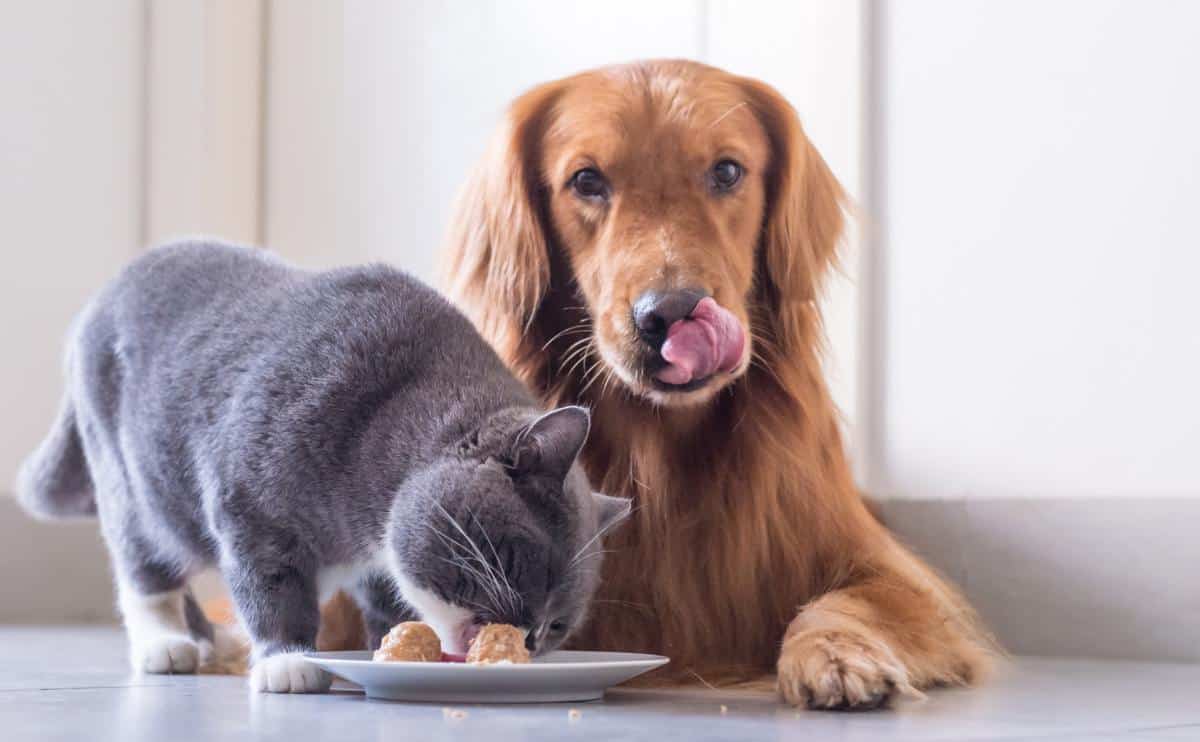
Credit: www.caninejournal.com
Frequently Asked Questions
Can Dogs Eat Cat Food Regularly?
Dogs can eat cat food occasionally but not regularly. Cat food is high in protein and fat, which may upset a dog’s digestive system over time. Feeding dog-specific food ensures balanced nutrients for their health and well-being.
Is Cat Food Toxic To Dogs?
Cat food is not toxic to dogs, but it is not ideal. The nutrient content differs, and too much cat food can cause digestive upset or obesity in dogs. Always provide appropriate dog food for optimal health.
What Happens If Dogs Eat Cat Food Often?
Frequent consumption of cat food can lead to obesity and nutrient imbalance in dogs. Cat food is richer in fats and proteins, which can strain a dog’s organs. Long-term feeding may cause health problems like pancreatitis or digestive issues.
Can Puppies Eat Cat Food Instead Of Dog Food?
Puppies should not eat cat food as their nutritional needs differ. Cat food lacks essential nutrients required for healthy puppy growth. Always provide specially formulated puppy food to support proper development.
Conclusion
Dogs should not eat cat food regularly. Cat food has more protein and fat than dogs need. Eating cat food often can cause health problems for dogs. Occasional small bites might not harm, but it’s best to avoid it. Always feed your dog food made just for dogs.
Keep your pets healthy with the right diet. Watch what your pets eat every day. Taking care of their food helps them live longer. Remember, a balanced diet is key for happy pets.
