

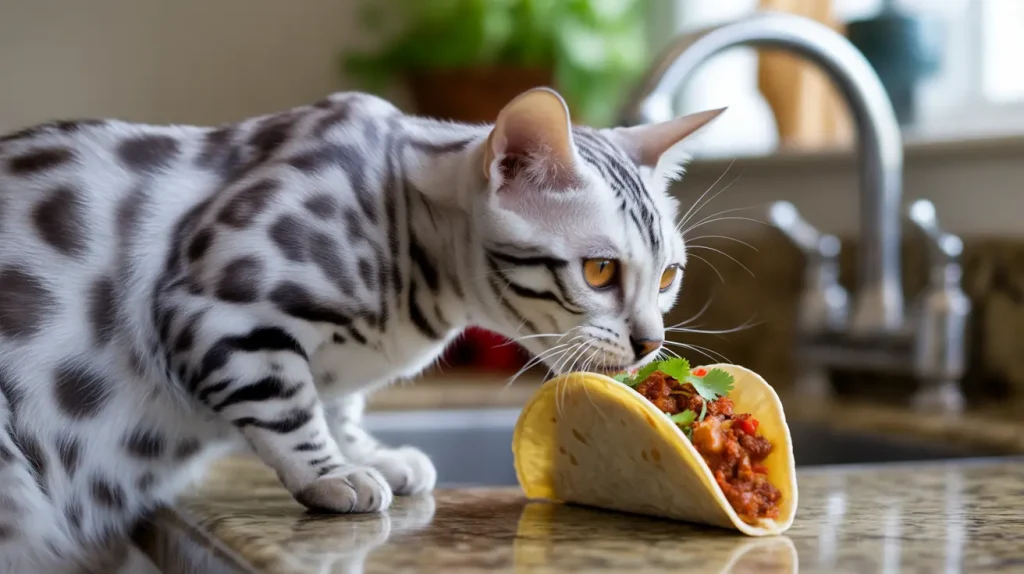
Have you ever wondered if your cat can enjoy the spicy flavors you love? You might be curious whether those hot and zesty foods can excite your furry friend’s taste buds—or if they simply don’t register them at all.
Understanding how cats perceive spicy food can help you make better choices for their diet and keep them safe. Keep reading to discover the surprising truth about your cat’s taste buds and why spicy food might not be what you think for them.

Credit: meoww.co
Cat Taste Buds Compared To Humans
Cats experience taste differently than humans. Their taste buds are specialized to detect flavors important for their survival and diet. Understanding how cat taste buds compare to yours helps explain why spicy foods are not just unappealing but potentially harmful to them.
Number Of Taste Buds In Cats
Cats have about 470 taste buds, while humans have roughly 9,000. This significant difference means cats have a less complex ability to taste flavors. Your cat’s tongue is more focused on detecting meat-related tastes rather than a wide variety of flavors.
Because of fewer taste buds, cats are less likely to notice subtle flavors like sweetness or spiciness. Have you ever wondered why your cat ignores some foods you find delicious? Their limited taste buds play a major role in that behavior.
Sensitivity To Different Flavors
Cats are highly sensitive to bitter and sour flavors, which often signal toxicity in nature. However, they lack taste receptors for sweetness, so sugary or spicy flavors don’t register the same way they do for you. This explains why cats don’t crave sugary treats and avoid spicy foods.
Your spicy dinner smells intense to you, but your cat likely perceives it as a strong, possibly unpleasant smell without the same flavor kick. This sensitivity makes spicy food not only unappealing but potentially irritating to their mouths and digestive systems.
Next time you’re tempted to share your spicy snack, ask yourself if your cat’s taste buds can handle it. Protecting their sensitive palate helps keep them safe and comfortable.
Cats And Spicy Food Sensation
Cats have a unique way of sensing flavors, but spicy food is not part of their taste world. Unlike humans, cats lack taste receptors for many flavors. Spicy heat mainly comes from a chemical that cats cannot detect as we do. Understanding how cats respond to spicy food helps us protect them from discomfort.
Role Of Capsaicin In Spiciness
Capsaicin is the chemical that makes chili peppers hot. It activates heat sensors in the mouth. These sensors send pain and heat signals to the brain. Humans feel a burning sensation from capsaicin. This sensation is what we call “spicy.”
Cats do not have the same receptors to sense capsaicin. Their tongues do not detect this chemical as spicy or hot. This means cats cannot taste spiciness like humans do.
Cats’ Reaction To Spicy Compounds
Even though cats cannot taste spiciness, they may still react to spicy food. Spicy foods can irritate their mouths and stomachs. This irritation can cause discomfort or upset stomach.
Cats usually avoid spicy food because of its strong smell and taste. Their sense of smell is very sensitive. Strong spices may smell unpleasant or strange to them. This natural avoidance helps keep cats safe from spicy food.
Common Myths About Cats And Spicy Food
Many people believe strange things about cats and spicy food. These myths can lead to confusion about what cats like or can eat. Understanding the truth helps keep cats safe and healthy.
Myth: Cats Enjoy Spicy Flavors
Some think cats like spicy food just like humans. Cats actually do not seek out spicy tastes. Their taste buds are very different from ours. Spicy food can irritate a cat’s mouth and stomach. Most cats avoid spicy foods naturally.
Myth: Cats Can Taste Spicy Like Humans
Cats cannot taste spicy flavors as humans do. They lack the receptors that detect spicy heat. Capsaicin, the compound in chili peppers, triggers a burning sensation in people. Cats do not have the same receptors, so they do not feel heat from spicy foods. Spicy taste is not part of a cat’s flavor world.

Credit: www.youtube.com
Health Effects Of Spicy Food On Cats
Cats have a different sense of taste than humans. They lack receptors for spicy flavors. Spicy food can cause discomfort and harm to cats. Understanding the health effects of spicy food on cats helps keep them safe.
Potential Risks And Symptoms
Spicy food contains capsaicin, which irritates a cat’s mouth and digestive system. Eating spicy food may cause:
- Vomiting
- Diarrhea
- Excessive drooling
- Stomach pain
- Loss of appetite
- Breathing difficulties in severe cases
These symptoms can lead to dehydration and more serious health problems. Cats should avoid spicy foods to prevent these risks.
Safe Foods For Cats’ Diet
Cats thrive on a diet rich in proteins and fats. Safe foods include:
- Cooked chicken or turkey
- Plain fish without seasoning
- Boiled eggs
- Special cat food with balanced nutrients
- Small amounts of cooked vegetables like carrots or peas
Avoid feeding cats onions, garlic, chocolate, and spicy or salty foods. Always consult a vet for proper diet advice.
How Cats Experience Flavor
Cats experience flavor in a way that is quite different from humans. Their taste buds are designed to detect specific types of flavors that align with their carnivorous nature. Understanding how cats perceive taste can help you better cater to their dietary needs and avoid offering foods that might be unpleasant or harmful.
Preference For Meat And Umami
Cats have a strong preference for meat flavors, which are rich in umami. Umami signals the presence of amino acids, essential for a cat’s protein-based diet. Unlike humans, cats rely heavily on this savory taste to identify nutritious food.
For example, when I offered my cat a small piece of cooked chicken, she eagerly ate it, showing clear excitement. However, when I tried giving her a bite of spicy sausage, she quickly turned away. This reaction highlights how cats are wired to seek out pure meat flavors rather than complex or spicy ones.
Limited Sweet Taste Perception
Cats have very few taste receptors for sweetness, making them indifferent to sugary flavors. This is because their natural diet contains little to no carbohydrates, so they do not need to detect sugars. You won’t find your cat begging for desserts or sweet treats like some dogs might.
Have you ever noticed your cat ignoring fruit or candy? This lack of interest is due to their limited ability to taste sweet flavors. It’s a good reminder to avoid offering sugary human foods, as they won’t satisfy your cat and could cause health problems.
Tips For Feeding Cats Safely
Feeding your cat safely is more than just providing regular meals. It’s about understanding what ingredients can harm them and recognizing when they might be uncomfortable. Knowing these tips helps you protect your feline friend from unnecessary risks while keeping their diet enjoyable and healthy.
Avoiding Harmful Ingredients
Spicy foods often contain ingredients that can upset your cat’s stomach or even be toxic. Ingredients like garlic, onions, and chili peppers are dangerous for cats and should never be offered, even in small amounts.
Always check labels if you’re sharing human food. Even a tiny bit of spice or seasoning can cause digestive issues or worse. Instead, stick to plain, unseasoned foods that you know are safe.
Have you ever wondered why your cat sniffs but refuses to eat certain foods? It’s their natural way of avoiding harmful substances. Trust their instincts and avoid pushing foods they don’t like.
Recognizing Signs Of Discomfort
After feeding something new, watch your cat closely for any signs of distress. Symptoms like drooling, vomiting, diarrhea, or excessive pawing at the mouth indicate discomfort.
Some cats may also become lethargic or show changes in behavior. If you notice any of these signs, stop the new food immediately and consult your vet.
Remember, cats cannot tell you what’s wrong, so your attention is key. Have you noticed subtle changes in your cat’s mood after trying different foods? That could be a warning sign.
Credit: www.petscare.com
Frequently Asked Questions
Can Cats Taste Spicy Food Like Humans?
Cats lack receptors for spicy flavors, so they cannot taste spiciness like humans. Their taste buds detect fewer flavor types, focusing on meat flavors.
Why Don’t Cats Like Spicy Food?
Cats’ taste buds are not designed to sense spicy compounds. Spicy foods can irritate their mouth and digestive system, so they avoid it naturally.
What Happens If A Cat Eats Spicy Food?
Eating spicy food can cause cats discomfort, including mouth irritation, vomiting, or diarrhea. It is best to keep spicy foods away from cats.
Do Cats Prefer Bland Or Spicy Flavors?
Cats prefer bland, meaty flavors over spicy ones. Their diet is naturally focused on protein, so spicy flavors do not appeal to them.
Conclusion
Cats do not really taste spicy food like humans do. Their taste buds do not sense heat from spices. Spicy flavors can even upset their stomachs. It is best to avoid giving cats spicy treats. Stick to food made just for cats.
This keeps them healthy and happy. Remember, their bodies are different from ours. Caring for a cat means knowing what foods suit them. Keep your furry friend safe by choosing proper meals. They will thank you with purrs and love.
