


Are you curious about adding nutritional yeast to your cat’s diet? You’ve probably heard about its health benefits for humans, but what about your furry friend?
Before you sprinkle that golden powder on your cat’s food, it’s important to know if it’s safe and truly helpful. Keep reading to discover everything you need to know about nutritional yeast for cats—so you can make the best choice for your pet’s health and happiness.
Credit: cattime.com
What Is Nutritional Yeast
Nutritional yeast is a popular ingredient among health-conscious people and pet owners alike. It’s known for its cheesy flavor and impressive nutrient profile. But what exactly is nutritional yeast, and why do some cat owners consider adding it to their pet’s diet?
What Nutritional Yeast Actually Is
Nutritional yeast is a type of deactivated yeast, usually from the species Saccharomyces cerevisiae. Unlike baking or brewer’s yeast, it’s grown specifically for its nutritional benefits and then harvested, washed, and dried. This process kills the yeast, so it doesn’t have the leavening power of active yeasts.
How Nutritional Yeast Is Made
The yeast is grown on a sugar-rich medium like molasses. After it reaches the right growth, it’s collected and heated to deactivate it. This ensures it won’t ferment or cause digestive issues when consumed.
Key Nutrients Found In Nutritional Yeast
- B vitamins:Especially B12, which is rare in plant-based foods.
- Protein:Contains all nine essential amino acids.
- Fiber:Helps with digestion.
- Minerals:Zinc, selenium, and magnesium among others.
Why People Use Nutritional Yeast
It’s often added to vegan diets as a source of B12 and protein. Many use it to give a cheesy flavor to foods without dairy. Pet owners sometimes consider it as a supplement to boost their cat’s nutrient intake naturally.
Have you ever wondered if your cat could enjoy the same benefits? Understanding what nutritional yeast is will help you decide if it’s a suitable addition to their diet.
Nutritional Yeast And Cats
Nutritional yeast has gained popularity as a health supplement for humans, but you might wonder if it’s safe or beneficial for your cat. This naturally deactivated yeast is packed with vitamins and minerals, but cats have very different dietary needs than we do. Understanding how nutritional yeast interacts with your feline friend’s health can help you make informed choices.
Nutritional Benefits Of Nutritional Yeast For Cats
Nutritional yeast contains B vitamins, protein, and fiber, which are essential for overall health. Cats specifically benefit from vitamin B12, which supports their nervous system and energy levels. However, cats are obligate carnivores, meaning they require nutrients primarily from meat sources.
Adding a small pinch of nutritional yeast occasionally could provide some nutrients, but it should never replace meat-based protein. Always check the label to ensure it doesn’t contain added ingredients like garlic or onion powder, which are toxic to cats.
Potential Risks And Side Effects
While nutritional yeast is generally safe in small amounts, overfeeding can cause digestive upset such as gas, bloating, or diarrhea. Cats with yeast allergies or sensitivities might experience itching or skin irritation. Watch your cat closely after introducing any new supplement and stop use if you notice any adverse reactions.
Have you ever noticed your cat scratching more after trying a new food? This could be a sign of intolerance that should not be ignored.
How To Safely Introduce Nutritional Yeast To Your Cat’s Diet
- Start with a tiny amount, less than ¼ teaspoon mixed into their regular food.
- Observe your cat’s behavior and digestion for a few days.
- Consult your vet before making nutritional yeast a regular part of your cat’s diet, especially if they have health conditions.
Remember, moderation is key. Even a healthy supplement can cause problems if overused.
Health Benefits For Cats
Nutritional yeast offers several health benefits for cats. It is rich in essential nutrients that support overall well-being. Including small amounts in your cat’s diet may help improve different body functions. Always consult a vet before introducing new supplements.
Boosting Immune System
Nutritional yeast contains beta-glucans, which help strengthen the immune system. These compounds encourage the body to fight infections more effectively. A strong immune system keeps cats healthier and reduces illness risks.
Improving Coat And Skin
This yeast is high in B vitamins, especially biotin, which promotes healthy skin. It helps reduce dryness and irritation. A shiny, soft coat is a sign of good health and proper nutrition.
Supporting Digestion
Nutritional yeast has fiber that aids digestion. It helps maintain a healthy gut environment and regular bowel movements. Proper digestion ensures better nutrient absorption and overall comfort for your cat.
Potential Risks For Cats
While nutritional yeast is often praised for its benefits in human diets, giving it to your cat isn’t without risks. Understanding these potential dangers helps you make safer choices for your furry friend. Let’s look at some common concerns you should watch for.
Allergic Reactions
Cats can develop allergies to new foods, and nutritional yeast is no exception. Signs like itching, redness, or swelling around the face and paws may indicate an allergic reaction. If your cat suddenly starts scratching more or shows unusual behavior after trying nutritional yeast, stop giving it and consult your vet.
Digestive Issues
Introducing nutritional yeast can upset your cat’s stomach. Symptoms such as vomiting, diarrhea, or gas often appear if their digestive system struggles to handle it. Cats have sensitive tummies, so it’s best to offer tiny amounts first and monitor their reaction closely.
Excessive Intake Concerns
Too much nutritional yeast can cause imbalances in your cat’s diet. It’s high in certain nutrients like B vitamins, but overdosing on these can lead to health problems like nervous system issues. Always control the portion size and avoid using it as a main food source to keep your cat safe.
Safe Ways To Feed Nutritional Yeast
Feeding nutritional yeast to cats requires care and knowledge. It is important to introduce it safely to avoid any health issues. Nutritional yeast can be a helpful supplement if given correctly. Understanding the right dosage, product quality, and veterinary advice ensures your cat benefits without harm.
Recommended Dosage
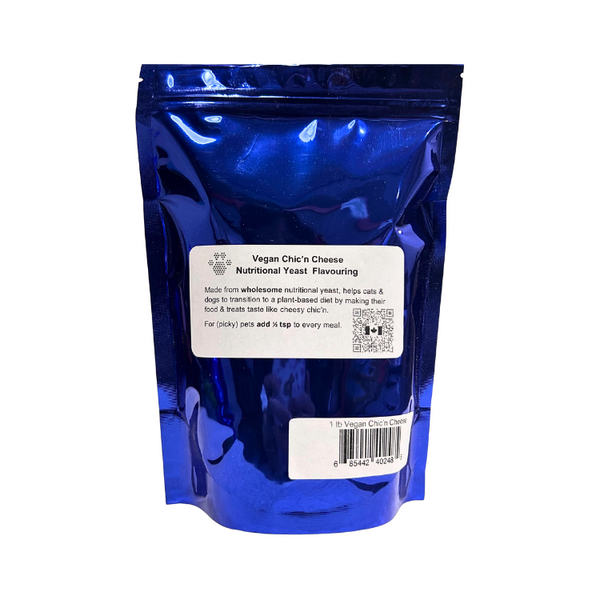
Start with a small amount to see how your cat reacts. A pinch or 1/4 teaspoon mixed into food is enough. Do not exceed this amount daily. Overfeeding can cause digestive upset or other problems. Monitor your cat’s behavior and health after feeding.
Choosing Quality Products
Select nutritional yeast made specifically for human or pet use. Avoid products with added flavors, salts, or preservatives. Look for organic or non-GMO labels for better safety. Check the ingredient list to ensure pure nutritional yeast. Store it in a cool, dry place to keep freshness.
Consulting A Veterinarian
Talk to your vet before adding nutritional yeast to your cat’s diet. Your vet can advise if it suits your cat’s health needs. They can suggest the right amount and frequency. This step helps avoid allergic reactions or nutrient imbalances. Always follow professional advice for your cat’s safety.

Credit: www.reddit.com
Alternatives To Nutritional Yeast
Finding safe and healthy alternatives to nutritional yeast for cats matters. Some cats may not tolerate nutritional yeast well. Others might need different nutrients or flavors in their diet. These alternatives provide similar benefits without risks. They help keep your cat happy and healthy.
Brewer’s Yeast
Brewer’s yeast is a common substitute. It offers B vitamins and protein. Many cats enjoy its taste. Use it in small amounts to avoid stomach upset. Always choose a product made specifically for pets.
Fish Oil Supplements
Fish oil provides omega-3 fatty acids. It supports skin, coat, and brain health. You can add liquid fish oil to your cat’s food. Use a dose recommended by your vet.
Chicken Liver Powder
Chicken liver powder is rich in vitamins A and B. It adds flavor and nutrition. Sprinkle a small amount over your cat’s meals. It makes food more appealing and nutritious.
Egg Yolk
Egg yolk contains essential vitamins and healthy fats. It supports a shiny coat and strong muscles. Offer cooked egg yolk occasionally. Avoid raw eggs due to bacteria risk.
Commercial Vitamin Supplements
Vitamin supplements designed for cats provide balanced nutrients. They cover gaps in your cat’s diet. Consult your vet before starting any supplement. Follow the dosage instructions carefully.
Credit: vegansupply.ca
Frequently Asked Questions
Can Cats Safely Eat Nutritional Yeast?
Yes, cats can eat nutritional yeast in small amounts. It provides vitamins and protein but should not replace a balanced diet.
What Are The Benefits Of Nutritional Yeast For Cats?
Nutritional yeast offers B vitamins and antioxidants. It may support skin, coat health, and boost the immune system in cats.
How Much Nutritional Yeast Can I Give My Cat?
Limit to a pinch or 1/4 teaspoon occasionally. Too much can cause digestive upset or allergic reactions in cats.
Is Nutritional Yeast Toxic To Cats?
No, nutritional yeast is generally safe and non-toxic. Avoid versions with added garlic or onion powder, which are harmful to cats.
Conclusion
Cats can enjoy nutritional yeast in small amounts safely. It provides vitamins and protein that may benefit them. Always introduce it slowly and watch for any signs of allergy. Avoid giving large quantities to prevent stomach upset. Consult your vet before adding new foods to your cat’s diet.
Nutritional yeast is not a must-have but can be a healthy treat. Keep your cat’s diet balanced and varied for best health. Simple steps keep your furry friend happy and strong.
