

Have you ever wondered if your cat really needs a trip to the groomer? You might think grooming is just for dogs, but cats can benefit too.
Whether your furry friend struggles with mats, sheds constantly, or just seems uncomfortable, a professional groomer could be the answer. You’ll discover everything you need to know about taking your cat to the groomer—how it helps, what to expect, and how to make the experience stress-free for both of you.
Keep reading to learn how to keep your cat looking and feeling their best!
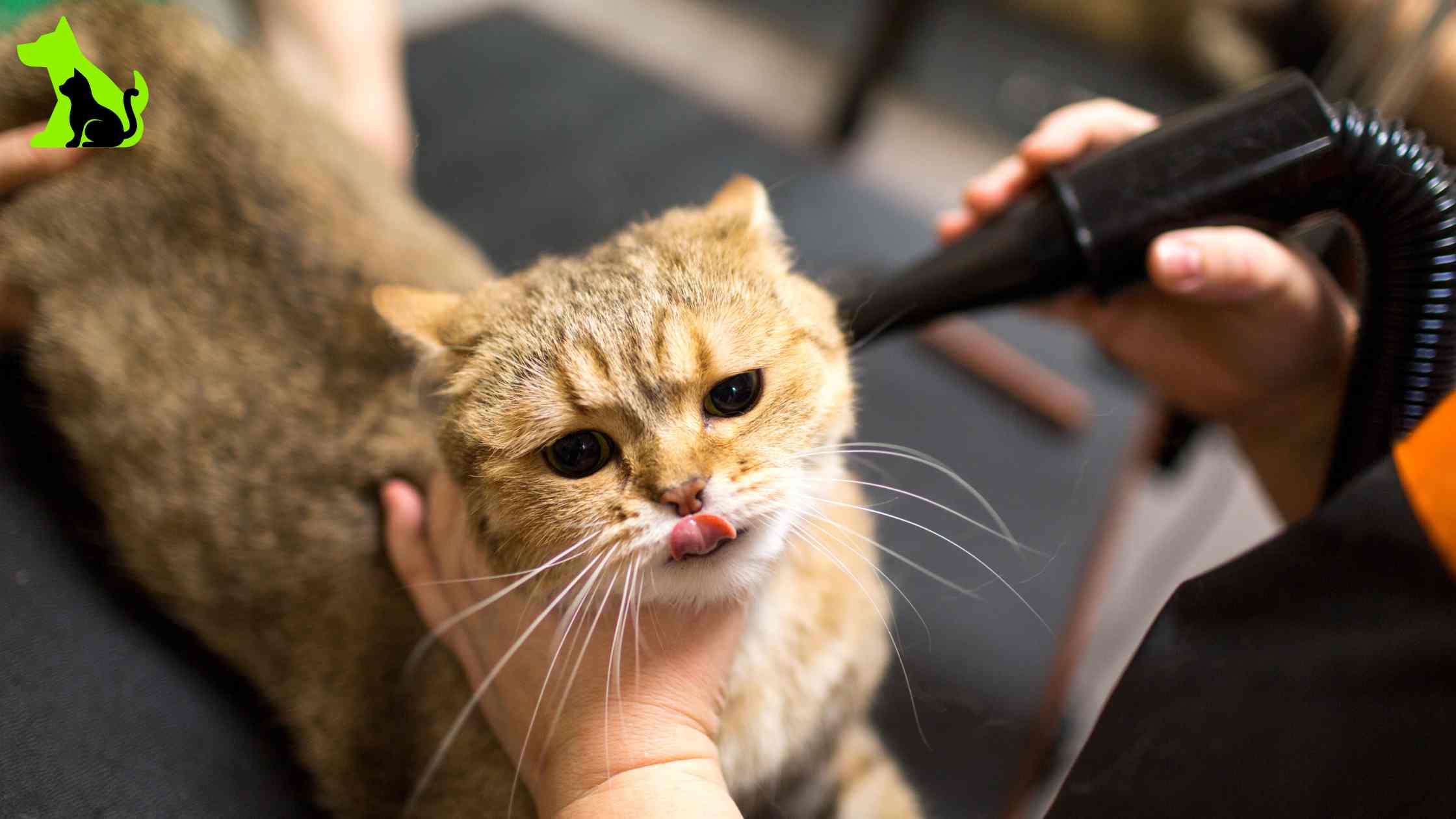
Credit: hellopetsinc.com
Benefits Of Grooming For Cats
Grooming is more than just making your cat look good. It plays a vital role in their overall well-being. Understanding the benefits of grooming can help you decide if taking your cat to a professional groomer is right for you and your furry friend.
Health Improvements
Regular grooming helps spot health issues early. A groomer can notice skin problems, lumps, or parasites that you might miss. This early detection can lead to quicker treatment and better health outcomes.
Grooming also reduces hairballs by removing loose fur. This can prevent digestive issues and discomfort. Have you ever considered how much shedding affects your cat’s health?
Enhanced Appearance
Professional grooming keeps your cat’s coat shiny and smooth. It removes dirt, mats, and dead skin that can dull their fur. You’ll notice a fresher, cleaner look that highlights your cat’s natural beauty.
Groomers can also trim nails and clean ears, adding to your cat’s neat appearance. This attention to detail can make your cat more comfortable and boost their confidence around others.
Behavioral Advantages
Grooming sessions can help cats get used to handling and reduce anxiety. Regular visits to the groomer can make vet trips and other handling less stressful. Your cat may even become more social and relaxed over time.
Many cats enjoy the focused attention during grooming. It can strengthen your bond with your pet and improve their trust in people. Have you noticed how your cat’s mood changes after a good grooming session?

Credit: www.youtube.com
When To Visit A Groomer
Knowing when to take your cat to a groomer helps keep your pet healthy and happy. Cats groom themselves, but some need extra care from professionals. Regular visits can prevent matting, skin problems, and discomfort. Watch your cat closely for signs that grooming is needed. Scheduling grooming at the right time keeps their coat shiny and clean.
Signs Your Cat Needs Grooming
- Mattes or tangles in fur that your cat cannot remove
- Excessive shedding or fur clumps around the house
- Strong odor or greasy feeling on the coat
- Visible dirt or debris stuck in fur
- Overgrown nails causing discomfort or injury
- Skin redness, irritation, or dandruff
- Difficulty cleaning themselves due to age or illness
Frequency Of Grooming Sessions
The number of grooming visits depends on your cat’s breed and coat type. Long-haired cats often need grooming every 4 to 6 weeks. Short-haired cats may require fewer visits, about every 8 to 12 weeks. Older cats or those with health problems might need more regular care. Discuss your cat’s specific needs with a groomer for the best schedule.
Choosing The Right Groomer
Choosing the right groomer for your cat matters a lot. Cats are delicate and need gentle care. A skilled groomer knows how to handle cats without stress. The right groomer keeps your cat safe and comfortable during grooming. This choice affects your cat’s health and happiness. Take time to find a groomer with proper skills and good experience.
Qualifications To Look For
- Formal training in pet grooming or animal care
- Experience with cats specifically
- Certification from recognized grooming organizations
- Knowledge of cat behavior and handling techniques
- Clean and safe grooming environment
- Positive reviews from other cat owners
Questions To Ask The Groomer
- How do you handle anxious or aggressive cats?
- What grooming services do you offer for cats?
- Are you trained in cat first aid or emergency care?
- Can you provide references from other cat owners?
- How do you keep cats calm during grooming?
- What products do you use on cats?
- Do you have experience with long-haired or special-needs cats?
Preparing Your Cat For Grooming
Getting your cat ready for a grooming session can make all the difference in how smoothly the experience goes. Cats are sensitive creatures, and sudden changes can stress them out. Preparing your cat properly helps reduce anxiety and ensures the groomer can do their job effectively.
At-home Practices
Start by gently brushing your cat at home a few days before the grooming appointment. This familiarizes them with the sensation and helps remove loose fur. Pay attention to areas like the belly and under the legs, which can be tricky during grooming.
Try handling your cat’s paws, ears, and tail regularly. These are spots groomers often touch, so your cat will be less surprised. If your cat resists, keep sessions short and positive, offering treats or praise.
Check your cat’s nails and trim them if you can do it safely. Shorter nails reduce the risk of scratches during grooming. If you feel unsure, ask your groomer for advice on nail care.
Calming Techniques
Creating a calm environment before the appointment helps your cat stay relaxed. Use a quiet room with familiar toys or blankets that carry their scent. This gives your cat a safe space to settle down.
Consider using calming pheromone sprays or diffusers designed for cats. These products can ease stress and are easy to apply at home or in the carrier. Have you noticed how your cat reacts to soft music or gentle petting? These simple comforts can help too.
Try to keep your own energy calm and steady. Cats pick up on your feelings, so staying relaxed can reassure them. A calm cat is easier to groom and less likely to resist.
What To Expect During Grooming
Taking your cat to the groomer can feel like a big step, especially if it’s their first time. Knowing what happens during grooming helps you feel more confident and prepares your cat for a smooth experience. Let’s look at what typically goes on and how groomers keep your furry friend safe.
Typical Grooming Procedures
Grooming usually starts with a thorough check-up. The groomer looks for skin issues, mats, or anything unusual. This helps decide the best approach for your cat’s coat and health.
Next, the coat is brushed to remove loose fur and untangle mats. Some cats need special attention to avoid hurting sensitive areas. After brushing, a bath might follow, using gentle, cat-safe shampoo.
If your cat is comfortable, the groomer trims nails and cleans ears. These steps prevent common problems like infections and scratches. Finally, your cat’s fur is dried and styled if requested.
Safety Measures
Your cat’s safety is the groomer’s top priority. Groomers use calming techniques like soft voices and gentle handling to reduce stress. They often work in quiet, controlled environments to avoid startling your cat.
Special tools designed for cats help prevent injury. For example, clippers with safety guards stop hair from being cut too close to the skin. Groomers are also trained to recognize signs of distress and pause if your cat becomes anxious.
Have you ever wondered how groomers handle a cat that hates water or nail trims? Many use slow, patient steps and sometimes breaks to keep the experience positive. You can ask your groomer about their methods to ensure your cat feels safe and cared for.
Handling Common Grooming Challenges
Handling common grooming challenges is important for a smooth experience at the groomer. Cats often feel uneasy or scared during grooming sessions. They may also have tangled fur or shed a lot, which needs special care. Understanding these challenges helps make grooming easier and safer for your cat.
Dealing With Nervous Cats
Nervous cats may hide or resist grooming. They need a calm and gentle approach. Groomers use soft voices and slow movements to reduce stress. Sometimes, short breaks during grooming help cats relax. Familiar toys or blankets can provide comfort. Patience and kindness make nervous cats feel safe.
Managing Matting And Shedding
Matting happens when fur tangles tightly and pulls on the skin. It can cause pain and skin problems. Groomers carefully cut or brush out mats to avoid hurting the cat. Regular brushing helps prevent mats from forming. Shedding is normal, but heavy shedding needs extra attention. Groomers use special tools to remove loose fur. This keeps your cat’s coat healthy and clean.
Alternatives To Professional Grooming
If you’re wondering whether professional grooming is the only way to keep your cat looking sharp, think again. There are plenty of alternatives that you can try at home to maintain your feline’s coat and hygiene. These options can save you time, money, and the stress your cat might feel during a grooming appointment.
Diy Grooming Tips
Grooming your cat yourself can be a rewarding experience that strengthens your bond. Start by setting a calm environment—choose a quiet room and use gentle, soothing tones. Your cat will be more relaxed and cooperative if the mood is peaceful.
Begin with small sessions to let your cat get used to being handled. Focus on brushing their fur, checking for mats, and cleaning sensitive areas like the ears and eyes carefully. Have treats ready to reward your cat’s patience and make grooming a positive experience.
Ask yourself, how well do you know your cat’s comfort zones? Respecting their limits is key. If your cat resists, take breaks and try again later. Over time, you’ll learn what works best for both of you.
Using Grooming Tools At Home
Using the right tools makes a big difference when grooming your cat at home. Invest in brushes designed for your cat’s fur type—slicker brushes work well for long-haired cats, while rubber brushes suit short-haired breeds.
Don’t forget essentials like nail clippers, a fine-toothed comb for detangling, and pet-safe wipes for quick cleanups. Having these tools handy can help you tackle grooming tasks efficiently and safely.
Here’s a quick checklist of useful grooming tools:
- Slicker brush or rubber brush
- Fine-toothed comb
- Nail clippers designed for cats
- Pet-safe grooming wipes
- Styptic powder for accidental nail snips
Do you notice certain tools make your cat more comfortable? Pay attention to their reactions and adjust your approach. Grooming doesn’t have to be a chore—it can become a part of your routine that your cat actually enjoys.

Credit: www.reddit.com
Frequently Asked Questions
Can Cats Safely Visit Professional Groomers?
Yes, cats can safely visit professional groomers. Groomers use cat-friendly techniques and tools to ensure comfort and safety during grooming sessions.
How Often Should Cats Be Groomed Professionally?
Cats should be groomed professionally every 4 to 8 weeks. Regular grooming helps maintain coat health and prevents matting, especially for long-haired breeds.
What Services Do Cat Groomers Typically Offer?
Cat groomers offer services like bathing, brushing, nail trimming, ear cleaning, and hair trimming. These services promote hygiene and keep cats comfortable.
Are Groomers Trained To Handle Anxious Cats?
Yes, professional groomers are trained to handle anxious cats gently. They use calming methods to reduce stress and ensure a positive grooming experience.
Conclusion
Cats can benefit from groomers for cleaner fur and less shedding. Regular grooming helps keep their skin healthy and reduces matting. Some cats enjoy the extra attention and gentle care. Choose a groomer who understands cats’ unique needs and behavior.
Always watch your cat’s comfort and stress levels during grooming. A calm, safe experience makes grooming easier for both pet and owner. Trust your instincts and your cat’s reactions to decide on grooming visits. Clean, well-groomed cats are happier and more comfortable every day.
