

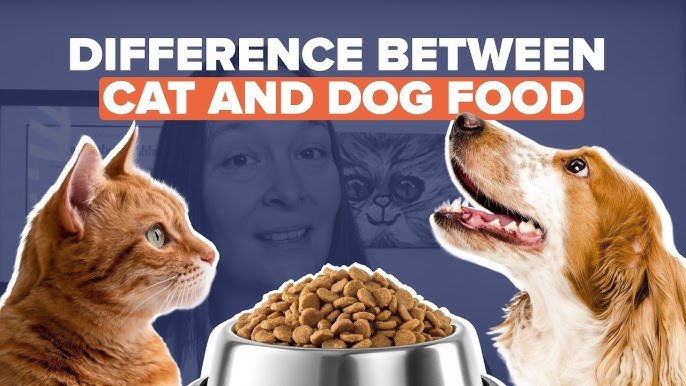
If you’ve ever caught your cat eyeing your dog’s wet food, you might be wondering: can cats eat wet dog food? It’s a common question for pet owners like you who want to keep their furry friends safe and healthy.
You want to make sure your cat gets the right nutrition without risking any harm. You’ll discover the truth about feeding your cat wet dog food and learn what’s best for your pet’s diet. Keep reading to find out what you need to know to protect your cat’s health.
Nutritional Differences
Cats and dogs have different nutritional needs. Their foods reflect these differences. Wet dog food and wet cat food vary in key nutrients. These variations affect a cat’s health if it eats dog food. Understanding these differences is important for pet owners.
Protein And Fat Content
Cats need more protein than dogs. Cat food usually contains higher protein levels. Dog food often has less protein and fat. Cats rely on protein for energy and muscle health. Low protein in dog food may not meet a cat’s needs. Fat content in dog food is also lower than in cat food.
Essential Vitamins And Minerals
Cat food has vitamins and minerals tailored for cats. These include vitamin A, niacin, and calcium. Dog food may lack enough of these nutrients. Cats cannot make some vitamins on their own. Deficiencies can lead to health problems over time. Dog food is not designed to support a cat’s vitamin needs.
Taurine Requirements
Taurine is an amino acid vital for cats. Cats cannot produce enough taurine by themselves. Cat food contains added taurine to prevent deficiencies. Dog food usually does not have added taurine. Taurine deficiency can cause heart and eye issues in cats. Feeding cat food ensures adequate taurine intake for cats.

Credit: www.purina.com
Potential Risks For Cats
Feeding your cat wet dog food might seem harmless, especially if you’re out of cat food or your cat is a picky eater. But it’s important to understand the potential risks involved. Cats have very different nutritional needs than dogs, and giving them dog food regularly can lead to serious health problems.
Digestive Issues
Your cat’s digestive system is finely tuned to process specific nutrients found in cat food. Wet dog food often lacks sufficient taurine, an essential amino acid for cats, which can upset their digestion and cause stomach discomfort.
You might notice vomiting, diarrhea, or a lack of appetite if your cat eats dog food. These signs indicate that their body is struggling to process the unfamiliar ingredients.
Allergic Reactions
Dogs and cats can react differently to certain ingredients. Dog food may contain additives or proteins that trigger allergies in cats.
Watch for symptoms like itching, redness, swelling, or excessive grooming after your cat consumes dog food. If you see these signs, it’s a clear signal to avoid dog food entirely.
Long-term Health Effects
Regularly feeding your cat wet dog food can cause nutritional imbalances over time. Cats need higher levels of protein, fats, and certain vitamins, which dog food usually lacks.
Ignoring these needs can lead to serious conditions such as heart disease, vision problems, or weakened immune function. Have you considered how a simple dietary choice could affect your cat’s lifespan?
When Wet Dog Food Is Safe
Knowing when wet dog food is safe for cats helps prevent health issues. Cats have different nutritional needs. Dog food lacks some nutrients essential for cats. Still, there are situations when wet dog food can be given safely.
Occasional Feeding
Wet dog food can be a short-term option. Use it only once in a while. It should not replace cat food regularly. Occasional feeding won’t harm cats if they eat balanced meals later. Watch for any signs of digestive upset after feeding.
Emergency Situations
Wet dog food is useful during emergencies. Running out of cat food or traveling may limit options. In these cases, it provides temporary nutrition. Make sure to return to proper cat food soon. Do not rely on dog food for long periods.
Checking Ingredients
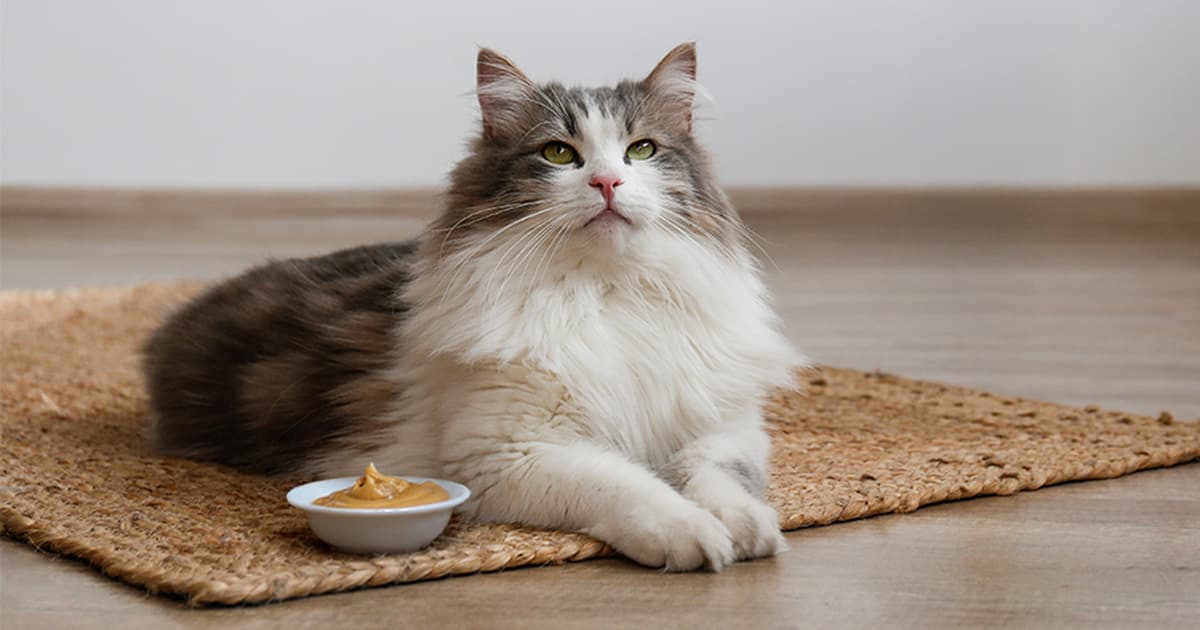
Always check the ingredients before feeding. Avoid dog foods with garlic, onions, or toxic additives. Look for simple formulas with meat, broth, and safe vegetables. Avoid foods with high salt or artificial flavors. Choose dog food that is low in fat and protein to reduce risks.
Credit: www.diamondpet.com
Better Alternatives
Better alternatives to wet dog food provide balanced nutrition for cats. Cats have unique dietary needs. Dog food lacks certain nutrients essential for cats. Choosing cat-specific options ensures health and happiness.
Wet Cat Food Options
Wet cat food offers moisture and nutrients cats need. These products come in many flavors and recipes. High protein content supports muscle maintenance. Look for foods with taurine, essential for cats. Feeding wet cat food helps keep your cat hydrated.
Homemade Cat Meals
Homemade meals allow control over ingredients. Use cooked meats like chicken, turkey, or fish. Avoid onions, garlic, and spices, which are harmful. Add small amounts of cooked vegetables for fiber. Consult a vet to create balanced recipes. Fresh meals can be more appealing to cats.
Commercial Cat Treats
Commercial treats offer variety and nutrition in small portions. Choose treats made for cats with real meat. Avoid treats with fillers or artificial additives. Use treats to reward good behavior or training. Keep treats limited to prevent overfeeding and weight gain.
Feeding Tips For Cats
Feeding cats requires care and attention to their specific needs. Cats have unique dietary requirements different from dogs. Providing proper food helps keep them healthy and happy. Here are some useful tips for feeding cats, especially if you consider mixing or changing their food.
Transitioning Foods
Switch cat food slowly over 7 to 10 days. Mix a small amount of new food with the old food. Gradually increase the new food portion each day. This helps avoid upset stomach or refusal to eat. Observe your cat’s reaction during the transition period.
Monitoring Health
Watch for changes in appetite, weight, or behavior. Check your cat’s fur and skin for any signs of irritation. Note any vomiting or diarrhea that lasts more than a day. Keep track of energy levels and litter box habits. Early detection of problems can prevent serious illness.
Consulting A Veterinarian
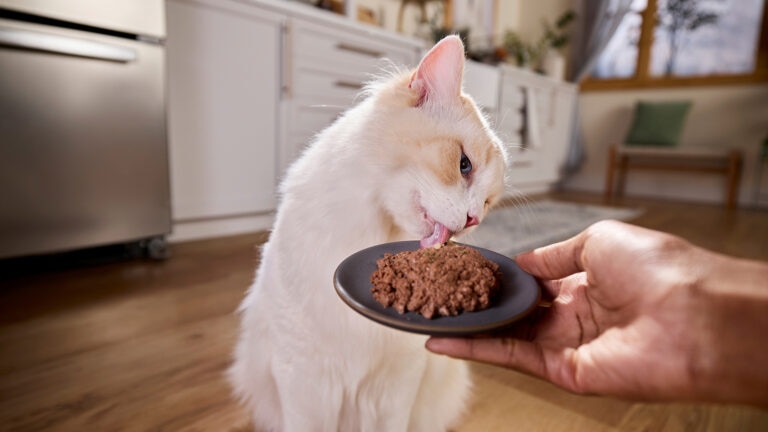
Speak to a vet before introducing dog food to your cat. A professional can advise on nutritional needs and risks. Regular check-ups ensure your cat stays in good health. Ask about specific diets if your cat has health issues. Follow vet advice to provide the best care possible.
Credit: www.chewy.com
Frequently Asked Questions
Can Cats Safely Eat Wet Dog Food Occasionally?
Cats can eat wet dog food occasionally, but it lacks essential nutrients like taurine. It shouldn’t replace cat food regularly.
What Nutritional Differences Exist Between Cat And Dog Food?
Cat food has higher protein, fat, and taurine levels. Dog food lacks these and may not meet cats’ dietary needs.
Will Wet Dog Food Cause Health Issues In Cats?
Feeding wet dog food frequently can lead to nutrient deficiencies and health problems in cats over time.
Is Wet Dog Food A Good Emergency Food For Cats?
In emergencies, wet dog food is acceptable short-term. Provide proper cat food as soon as possible for balanced nutrition.
Conclusion
Cats can eat wet dog food sometimes, but it’s not ideal. Dog food lacks some nutrients cats need daily. Feeding dog food often may cause health problems. Always offer food made specifically for cats. Watch your cat’s health and ask a vet if unsure.
Treat wet dog food as an emergency option only. Your cat deserves the right nutrition for a happy life. Choose cat food to keep your pet strong and healthy.
