

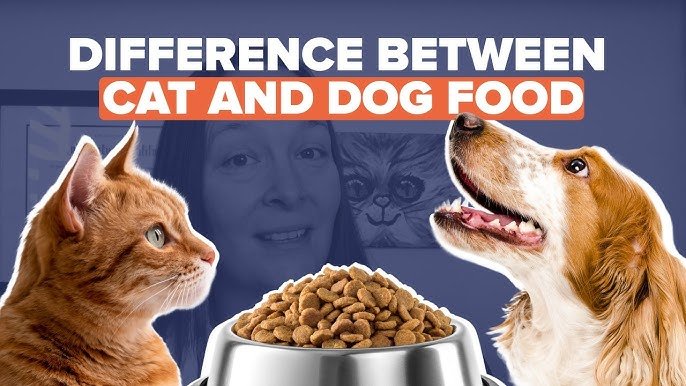
Have you ever wondered if your cat can safely eat canned dog food? Maybe you’ve found yourself in a situation where the cat food ran out, and all you have left is dog food.
Before you offer that can to your furry friend, it’s important to know what’s really at stake. What your cat eats affects their health, energy, and happiness. Keep reading to discover the surprising truth about feeding your cat canned dog food and what you should do to keep your pet healthy and thriving.
Nutritional Differences Between Cats And Dogs
Understanding the nutritional differences between cats and dogs is crucial before you consider sharing their food. Cats have unique dietary needs that dog food often doesn’t meet. Knowing these distinctions helps you make safer choices for your furry friends.
Essential Nutrients Unique To Cats
Cats require certain nutrients that dogs do not. For example, taurine is an amino acid vital for cats’ heart and eye health. Unlike dogs, cats cannot produce enough taurine on their own, so their food must contain it.
Another important nutrient for cats is arachidonic acid, a type of fat they need but dogs can synthesize. Vitamin A is also essential, and cats cannot convert beta-carotene into vitamin A like dogs can. This means cat food contains pre-formed vitamin A, while dog food might not.
Protein Requirements
Cats are obligate carnivores, meaning they need more protein than dogs. Their bodies rely heavily on animal-based proteins for energy and overall health. Dog food often has less protein and more carbohydrates, which may not provide enough for your cat’s diet.
If you’ve ever noticed your cat avoiding canned dog food, it might be because it lacks the rich protein profile they instinctively seek. Would you enjoy a meal that’s missing your key nutrients? Your cat feels the same.
Fat And Carbohydrate Content Differences
Dog food usually contains higher carbohydrate levels than cat food. Cats digest carbs less efficiently and can develop health issues from too many. Fat content also varies; cats need specific types of fats that support their skin and coat health.
Feeding your cat canned dog food might introduce excess carbs and insufficient fats. This imbalance can affect their energy and long-term wellbeing. Have you checked the ingredient label closely to compare these differences?
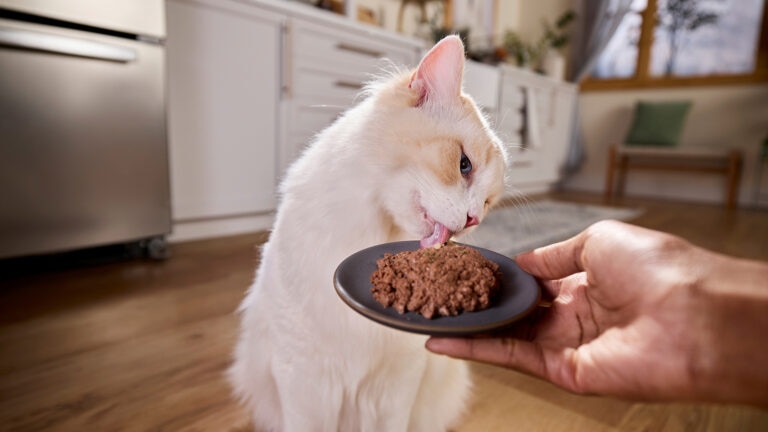
Credit: www.chewy.com
Ingredients In Canned Dog Food
Understanding the ingredients in canned dog food is essential before offering it to your cat. These foods are formulated to meet the nutritional needs of dogs, which differ significantly from those of cats. Knowing what goes into canned dog food helps you weigh the benefits and dangers for your feline friend.
Common Components
Canned dog food usually contains a mix of proteins, fats, carbohydrates, vitamins, and minerals. Common protein sources include chicken, beef, and lamb, often in forms like meat meal or by-products.
- Proteins:Meat, meat meals, and animal by-products
- Carbohydrates:Corn, rice, barley, or potatoes
- Fats:Animal fats or vegetable oils
- Vitamins and minerals:Added for balanced nutrition
Unlike cats, dogs can digest carbohydrates more easily, which is why dog food often contains more grains. Cats require higher protein levels and specific nutrients like taurine, which may be less concentrated in dog food.
Potential Risks For Cats
Feeding your cat canned dog food occasionally might not cause immediate harm, but regular feeding poses risks. Dog food often lacks taurine and arachidonic acid, both crucial for a cat’s heart and eye health.
Excessive carbohydrates can upset your cat’s digestive system, leading to weight gain or diabetes over time. Some ingredients safe for dogs, such as certain preservatives or flavorings, might trigger allergies or intolerances in cats.
Have you ever noticed your cat turning its nose up at dog food? That refusal often signals that the food doesn’t meet their taste or nutritional needs. Think about your cat’s long-term health before using dog food as a substitute.
Cats’ Dietary Needs
Cats need special diets to stay healthy. Their bodies require specific nutrients that differ from dogs. Understanding these needs helps you choose the right food for your cat. Cats cannot thrive on just any pet food. Their diet must meet unique nutritional demands for growth and energy.
Essential Nutrients
Cats need a balanced mix of nutrients every day. These include proteins, fats, vitamins, and minerals. Cats rely heavily on animal-based proteins for energy. Fat provides essential fatty acids and supports brain health. Vitamins like A, D, and E keep cats’ bodies functioning well. Minerals such as calcium and phosphorus maintain strong bones and teeth.
Water is also crucial. Cats can get some moisture from their food but need fresh water daily. Without the right nutrients, cats can develop serious health problems. Their diet must supply everything they need in the correct amounts.
Taurine And Protein Requirements
Taurine is an amino acid vital for cats. Their bodies cannot produce enough taurine naturally. Lack of taurine causes heart and eye diseases in cats. Only animal-based foods supply adequate taurine. Dog foods often lack sufficient taurine levels.
Protein needs for cats are higher than for dogs. Cats are strict carnivores and rely on protein for energy and repair. Low protein intake can lead to muscle loss and weakness. Cat food contains more protein to meet these demands. Dog food usually has less protein and may not support a cat’s health.
Credit: www.diamondpet.com
Health Risks Of Feeding Cats Dog Food
Feeding your cat canned dog food might seem like a quick fix in a pinch, but it can lead to serious health risks. Cats and dogs have very different dietary needs, and what’s safe for your dog isn’t always safe for your cat. Understanding these risks helps you make better choices for your furry friend’s health.
Nutritional Deficiencies
Cats need specific nutrients that dog food often lacks. For example, taurine is an essential amino acid for cats, crucial for heart and eye health. Dog food usually contains little to no taurine, which can lead to deficiencies over time.
Vitamin A is another concern. Unlike dogs, cats cannot convert beta-carotene into vitamin A, so they must get it directly from their diet. Feeding them dog food that doesn’t provide enough vitamin A might cause skin problems and poor immune function.
Have you ever noticed your cat losing weight or becoming lethargic after eating dog food? These could be signs of nutritional gaps. Your cat’s health depends on a balanced diet designed specifically for their needs.
Potential For Allergies
Dog food often contains ingredients that cats may be allergic to or find hard to digest. Common allergens like certain grains, chicken, or beef are more prevalent in dog food formulas. This can trigger skin irritations, itching, and digestive upset in your cat.
Watching your cat after feeding dog food might reveal signs like vomiting or diarrhea, which indicate intolerance or allergic reactions. You might not realize these symptoms are linked to what they just ate.
Do you want to risk your cat’s comfort and health for a temporary meal option? Identifying and avoiding allergens is key to keeping your cat happy and healthy, so stick to food made just for cats.
Emergency Situations
Emergency situations can arise when your cat’s usual food is unavailable. During these times, pet owners may wonder if canned dog food is a safe option. While it is not ideal, canned dog food can serve as a short-term feeding solution. Understanding the risks and signs of nutritional imbalance helps keep your cat healthy until proper food is accessible.
Short-term Feeding Solutions
Canned dog food lacks key nutrients essential for cats. Cats need more protein and specific vitamins that dog food does not provide. In emergencies, feeding canned dog food for a day or two is generally safe. Avoid using it as a regular diet. Monitor your cat closely for any changes in behavior or health. Always return to cat-specific food as soon as possible.
Signs Of Nutritional Imbalance
Watch for signs that indicate a lack of proper nutrition. These signs include:
- Loss of appetite
- Low energy or lethargy
- Weight loss
- Coat becoming dull or dry
- Digestive upset like vomiting or diarrhea
If any symptoms appear, stop feeding dog food immediately. Contact a veterinarian for advice and proper feeding options. Early detection helps prevent serious health issues.

Credit: www.purina.com
Safe Feeding Practices For Cats
Feeding cats safely requires careful choices and attention to their unique needs. Cats have different nutritional requirements than dogs. Feeding them the wrong food can lead to health problems. Safe feeding practices help keep cats healthy and happy.
Choosing The Right Cat Food
Select food designed specifically for cats. Cat food contains the right balance of protein, fats, and vitamins. Dog food lacks key nutrients like taurine, essential for cats. Avoid feeding cats canned dog food as a regular diet. Instead, choose high-quality cat food that meets their dietary needs.
Consulting A Veterinarian
Ask a veterinarian about your cat’s diet. They provide advice based on your cat’s health and lifestyle. A vet can recommend the best food types and feeding schedules. Consult a vet before changing your cat’s diet or trying new foods. This ensures your cat stays healthy and well-nourished.
Frequently Asked Questions
Can Cats Safely Eat Canned Dog Food Sometimes?
Cats can eat canned dog food occasionally, but it lacks essential nutrients. Dog food doesn’t meet cats’ specific dietary needs. Regular feeding may cause health issues like taurine deficiency. Always prioritize cat-formulated food for balanced nutrition and consult your vet for advice.
What Nutrients Do Cats Need That Dog Food Lacks?
Cats require taurine, arachidonic acid, and vitamin A, which dog food often lacks. These nutrients are vital for heart, vision, and immune health. Dog food doesn’t provide enough of these, making it unsuitable for a cat’s long-term diet.
Is Canned Dog Food Harmful To Cats?
Canned dog food isn’t immediately harmful but isn’t ideal long-term. It may cause nutritional deficiencies and digestive upset in cats. Feeding dog food regularly can weaken a cat’s immune system. Always choose cat-specific food for their health and wellbeing.
Can Cats Develop Health Problems From Dog Food?
Yes, cats can develop health problems from dog food. Nutritional imbalances can cause heart disease, vision loss, and poor coat condition. Dog food lacks taurine, crucial for cats. Long-term feeding of dog food is unsafe for cats.
Conclusion
Cats should eat food made just for them. Dog food lacks some nutrients cats need. Feeding canned dog food sometimes is not harmful. But regular feeding can cause health problems. Always check ingredients before sharing pet food. Consult your vet for the best advice.
Keep your cat’s diet safe and balanced. Healthy food means a happy, active cat. Choose wisely to help your pet thrive.
