


Have you ever wondered if your cat could learn tricks like a dog? You might think cats are too independent or stubborn to be trained.
But what if you could teach your feline friend to respond to commands, come when called, or even do simple tricks? Training your cat can strengthen your bond and make daily life more enjoyable. Keep reading to discover how you can unlock your cat’s hidden potential and transform your relationship in surprising ways.
Cats Vs Dogs: Behavioral Differences
Understanding the behavioral differences between cats and dogs is key to knowing whether cats can be trained like dogs. Their instincts and social makeup shape how they respond to training, motivation, and rewards. Let’s break down these differences to see what really sets them apart.
Instincts And Social Structure
Cats are naturally solitary hunters. They rely on stealth and independence, which means they often prefer to work alone and make decisions on their own terms.
Dogs, on the other hand, evolved as pack animals. Their social structure is built around cooperation and hierarchy, making them more inclined to follow a leader—that’s you.
This difference means dogs are generally more eager to please and respond to commands, while cats may see training as optional or even unnecessary.
Motivation And Reward Systems
Dogs often respond well to praise and treats because they seek approval from their pack. You can use this to shape their behavior effectively.
Cats usually care more about what they want at the moment. Their motivation often revolves around food, play, or comfort, and less around social approval.
When training cats, you need to find what truly motivates them. Some cats respond to treats, others to interactive toys, and some just want quiet attention.
Have you noticed your cat’s unique preferences? Tapping into those can make training sessions more successful and enjoyable for both of you.

Credit: www.timescolonist.com
Training Techniques For Cats
Training cats requires techniques that suit their unique nature. Cats respond best to gentle and rewarding methods. Understanding these techniques helps build trust and encourages learning.
Positive Reinforcement
Positive reinforcement uses rewards to encourage good behavior. Treats, praise, or petting can motivate cats. Reward your cat immediately after desired actions. This helps them connect the behavior with the reward. Avoid punishment as it may cause fear or stress.
Clicker Training
Clicker training uses a small device that makes a clicking sound. Click the device the moment your cat does something right. Follow the click with a treat or affection. This clear signal helps cats learn faster. It makes training fun and interactive for both.
Consistency And Patience
Training needs regular practice at the same time each day. Short sessions work better than long ones. Keep commands simple and use the same words every time. Be patient; cats learn at their own pace. Celebrate small improvements to keep motivation high.
Common Commands Cats Can Learn
Cats can learn many commands just like dogs. Training cats requires patience and gentle guidance. Cats respond well to short, clear commands. They enjoy treats and praise as rewards. Training sessions should be brief to keep cats interested. Consistent practice helps cats remember commands better.
Basic Commands
- Come:Call your cat’s name and say “come.” Reward when they approach.
- Sit:Use a treat to guide your cat into a sitting position.
- Stay:Teach your cat to stay by using hand signals and treats.
- Down:Encourage your cat to lie down using a treat held close to the ground.
- High Five:Hold your hand up and reward your cat when they tap it.
Advanced Tricks
- Fetch:Train your cat to bring a toy back to you.
- Jump Through Hoop:Use a small hoop and guide your cat to jump through it.
- Spin:Teach your cat to spin in a circle on command.
- Shake Paw:Train your cat to lift their paw and touch your hand.
- Walk on Leash:Get your cat comfortable with a harness and leash for outdoor walks.
Challenges In Training Cats
Training cats presents unique challenges that differ from training dogs. Cats have distinct personalities and behaviors that affect their learning process. Understanding these challenges helps set realistic expectations for cat training.
Independence And Attention Span
Cats are naturally independent animals. They often prefer doing things on their own terms. This independence means they may not respond well to commands like dogs do.
Their attention span tends to be short. Cats quickly lose interest in repetitive tasks. This makes it hard to keep them focused during training sessions.
Environmental Factors
The environment plays a big role in training success. Cats are sensitive to changes in their surroundings. Loud noises or new people can distract them easily.
A calm and quiet space is best for training. Consistency in the environment helps cats feel safe. This encourages better participation in training activities.
Benefits Of Training Cats
Training cats offers more than just teaching them tricks. It can transform your daily life by improving their behavior and deepening the connection you share. Many cat owners find that investing time in training leads to a happier, more balanced pet and a more fulfilling relationship.
Improved Behavior
Training helps reduce common issues like scratching furniture or jumping on counters. When you teach your cat acceptable behaviors, they understand boundaries better and feel less stressed.
For example, using clicker training to reward your cat for using a scratching post can save your furniture and keep your cat entertained. Have you noticed how your cat reacts when you clearly communicate what you expect from them?
Strengthened Bond
Training sessions create moments of interaction that build trust between you and your cat. This time together helps your cat see you as a reliable partner, not just a caretaker.
Think about the last time you taught your cat a new command. The patience and attention you gave often lead to your cat seeking more interaction with you. Could this be the key to a more affectionate and responsive pet?
Real-life Success Stories
Training cats might seem like a challenge, but real-life stories prove it’s possible. These tales highlight how patience and the right techniques can help cats learn impressive tricks and behaviors. They also show that training isn’t just for dogs—it can fit your cat’s unique personality too.
Famous Trained Cats
Some cats have gained fame for their training achievements, inspiring many pet owners. Take Oscar the Therapy Cat, who learned to recognize when patients needed comfort in a nursing home. His ability to respond to human emotions shows how cats can be trained beyond simple tricks.
Another example is Smokey, a cat that mastered agility courses, proving cats can learn physical skills similar to dogs. These stories remind you that training a cat isn’t about forcing commands but about building a connection and understanding your cat’s responses.
Everyday Examples
Many cat owners report success with basic training at home, such as teaching cats to come when called or use a designated scratching post. Sarah, a cat owner, shared how she trained her cat to fetch small toys by rewarding him with treats and praise. Her experience shows that consistency and positive reinforcement work wonders.
What if your cat could learn to stay off counters or use a litter box reliably? Training in daily life isn’t just about tricks—it helps reduce stress for both you and your feline friend. Have you tried rewarding your cat immediately after a desired behavior? You might be surprised how quickly they catch on.
Tips For Effective Cat Training
Training a cat requires patience and the right approach. Unlike dogs, cats respond best to methods that respect their independent nature. Here are some practical tips to help you train your cat effectively and enjoy the process together.
Setting Realistic Goals
Start with simple behaviors that your cat can easily learn, such as using a scratching post or coming when called. Small wins build confidence for both you and your cat.
Consider your cat’s personality and energy level. Some cats are more curious and playful, while others may prefer quiet and slow-paced interaction.
Ask yourself: What is the one behavior you want to see change this week? Focus on that before moving to more complex tricks or habits.
Using The Right Tools
Toys and treats are your best friends in cat training. Use small, tasty treats to reward good behavior immediately.
Interactive toys can capture your cat’s attention and make training sessions fun rather than a chore.
- Clickers can help mark the exact moment your cat performs the desired action.
- Soft, gentle voice commands work better than loud or harsh tones.
- Keep training sessions short—5 to 10 minutes—to maintain your cat’s interest.
Have you noticed how your cat reacts to different rewards? Tailor your tools to what motivates your cat the most for faster progress.

Credit: www.oliverpetcare.com
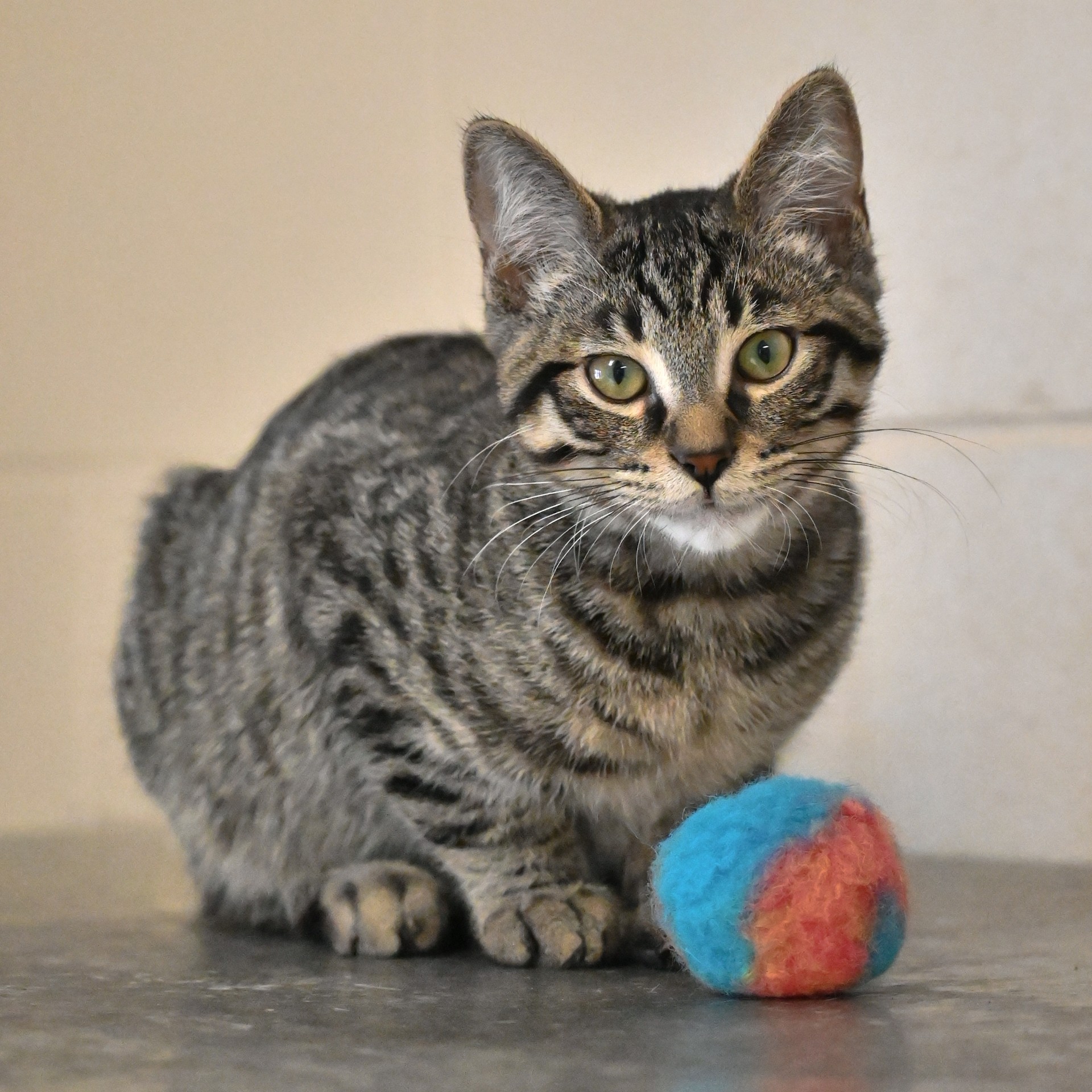
Credit: ontariospca.ca
Frequently Asked Questions
Can Cats Learn Commands Like Dogs?
Yes, cats can learn commands, but they respond differently than dogs. Training requires patience and positive reinforcement. Cats may not obey every time, but consistent practice helps them understand basic commands like “sit” or “come. “
How Long Does It Take To Train A Cat?
Training a cat can take weeks to months depending on the cat’s personality. Consistent short sessions and rewards speed up learning. Unlike dogs, cats are more independent and may need extra motivation.
What Training Methods Work Best For Cats?
Positive reinforcement using treats and praise works best for cats. Avoid punishment as it can create fear and mistrust. Use clicker training and gentle repetition to encourage desired behaviors effectively.
Are Cats As Trainable As Dogs?
Cats are trainable but less eager to please than dogs. Their independent nature means they might not follow commands consistently. With patience, cats can learn tricks, litter habits, and even leash walking.
Conclusion
Cats can learn many things, just like dogs. Training takes patience and kindness. Each cat has its own way of learning. Using treats and praise helps them understand. Small steps work best for lasting results. Training builds trust between you and your cat.
It also makes life easier and more fun. So, yes, cats can be trained like dogs. Just remember to be gentle and consistent. Enjoy the journey of teaching your feline friend new skills.
