

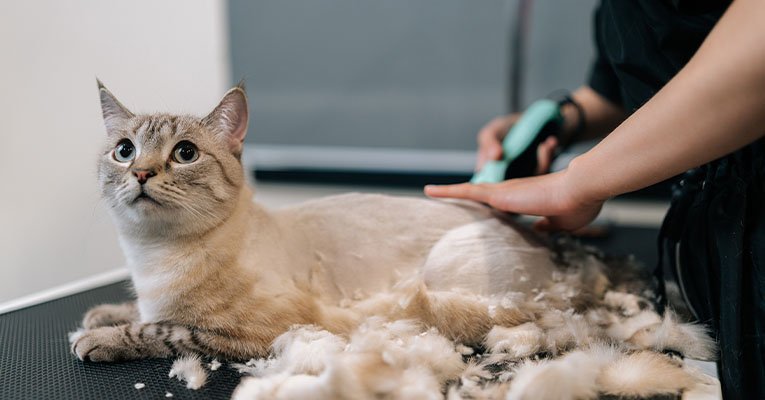
Have you ever wondered if your cat can be groomed like you do? If you’re curious about keeping your furry friend clean and comfortable, you’re in the right place.
Grooming your cat isn’t just about looks—it can improve their health and strengthen your bond. But is it really possible, and how do you do it without stressing your pet? Keep reading to discover everything you need to know about grooming your cat safely and easily.
Your cat will thank you!
Benefits Of Grooming Cats
Grooming cats offers many important benefits. It keeps their coat clean and healthy. Grooming also helps prevent common problems like shedding and hairballs. It creates a chance to build a stronger bond with your cat. Regular grooming supports their overall well-being and comfort.
Improved Coat Health
Brushing removes dirt and loose fur from the coat. It spreads natural oils over the skin. This keeps the fur shiny and soft. Grooming helps spot skin issues early, such as dryness or parasites. A healthy coat protects your cat from cold and heat.
Reduced Shedding
Regular grooming catches loose hair before it falls off. This lowers the amount of fur around your home. It also keeps your cat more comfortable. Less shedding means fewer hairballs and less cleaning for you. Grooming controls shedding, especially during seasonal changes.
Prevention Of Hairballs
Cats swallow hair when they groom themselves. Too much hair can cause hairballs. Brushing removes loose fur before your cat swallows it. This reduces hairball problems like coughing or vomiting. Grooming supports better digestion and fewer health issues.
Enhanced Bonding
Grooming creates quiet, calm moments together. Your cat learns to trust you more. It lowers stress and anxiety for both of you. Grooming helps you understand your cat’s body and mood. This deepens your connection and improves care.
Credit: hellopetsinc.com
Choosing The Right Grooming Tools
Choosing the right grooming tools for your cat is essential to keep their coat shiny, skin healthy, and nails well-maintained. The right tools make grooming easier and more comfortable for both you and your feline friend. Have you ever struggled with a brush that just wouldn’t glide through your cat’s fur? Finding the perfect match can turn grooming from a chore into a bonding experience.
Types Of Brushes
Cats have different fur types, so selecting the right brush depends on your cat’s coat. A slicker brush works well for long-haired cats, removing tangles and loose hair gently.
For short-haired cats, a bristle brush can smooth the coat and distribute natural oils. You might also want to try a rubber grooming mitt, which is great for sensitive cats who dislike traditional brushes.
Think about how your cat reacts to each tool. Does your cat prefer a soft touch or something firmer? This simple choice can make a big difference in how often they let you groom them.
Nail Clippers And Trimmers
Keeping your cat’s nails trimmed prevents injury to both your cat and your furniture. Look for clippers designed specifically for cats, as they are smaller and more precise.
Scissor-style clippers work well for thicker nails, while guillotine clippers can be easier for beginners. If your cat is nervous, try trimming a few nails at a time to avoid stress.
Have you noticed your cat flinching or pulling away during nail trims? Choosing the right tool and going slow can help build trust and make nail care a smoother process.
Shampoos And Wipes
Bathing a cat isn’t always necessary, but when it is, mild shampoos designed for cats are a must. Avoid human shampoos as they can irritate your cat’s skin.
Waterless shampoos and grooming wipes offer a quick, less stressful alternative for cleaning between baths. These are especially handy if your cat dislikes water.
Consider your cat’s skin condition and any allergies when picking products. Have you tried wipes on your cat’s face or paws? They’re an easy way to keep your cat fresh without a full bath.
Grooming Techniques For Cats
Grooming your cat is more than just keeping them clean—it’s a chance to strengthen your bond and monitor their health. Different cats need different grooming routines depending on their coat length, age, and personality. Knowing the right techniques makes grooming easier and more enjoyable for both you and your feline friend.
Brushing Tips
Choose a brush that suits your cat’s fur type—slicker brushes work well for long-haired cats, while rubber brushes are great for short-haired breeds.
Brush gently in the direction of hair growth to avoid hurting your cat. Start with short sessions and gradually increase the time as your cat gets used to the process.
Notice if your cat shows signs of discomfort or tries to escape. This feedback helps you adjust your technique and timing for a calmer grooming session.
Bathing Guidelines
Most cats groom themselves, so baths are only necessary if your cat gets unusually dirty or has skin issues.
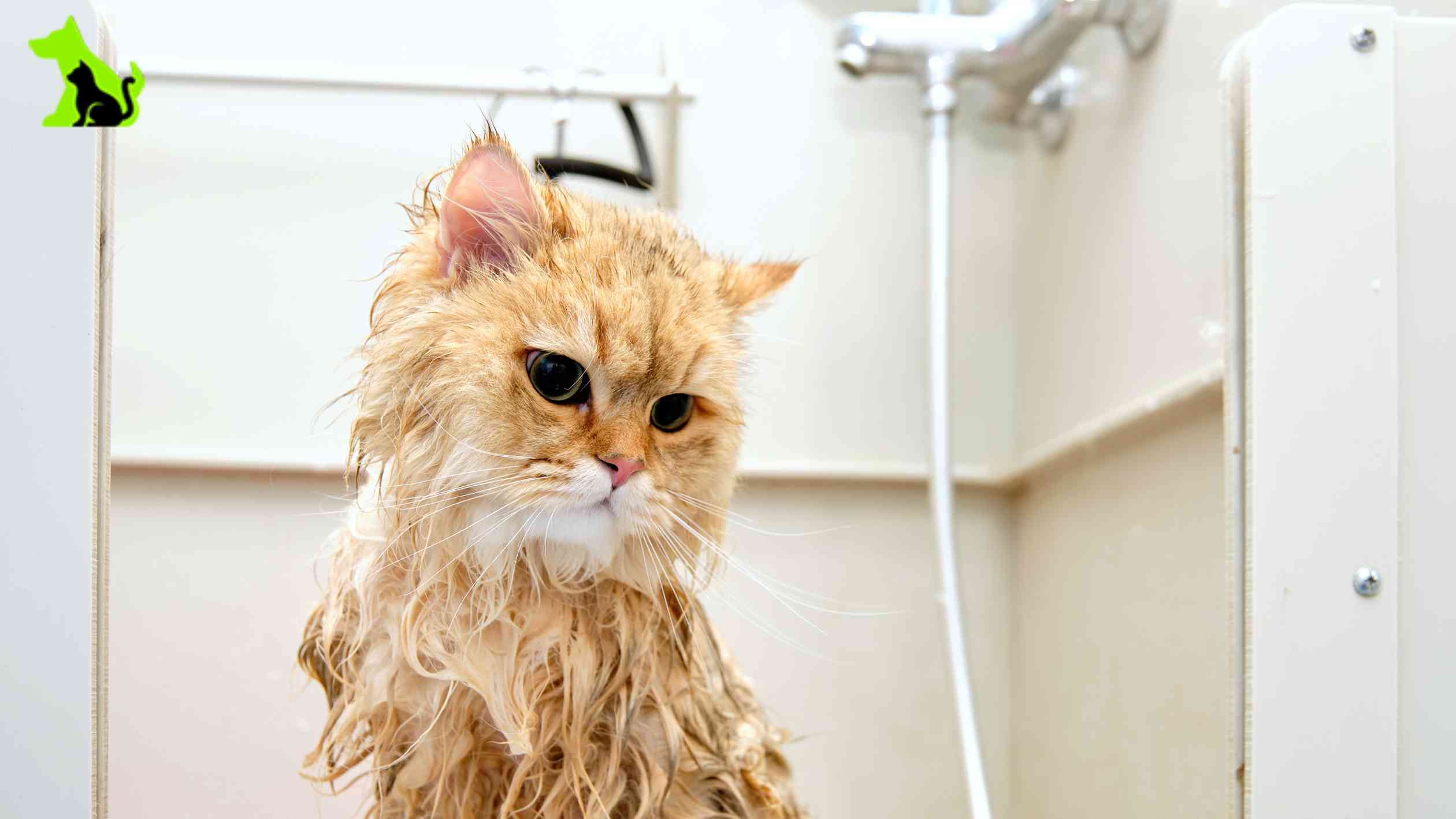
Use lukewarm water and cat-specific shampoo to prevent irritation. Avoid getting water in your cat’s ears and eyes by washing carefully with a damp cloth.
Dry your cat thoroughly with a towel or a low-heat hairdryer. Keep the bathing area quiet and calm to reduce stress.
Nail Trimming Steps
Trim your cat’s nails every couple of weeks to prevent overgrowth and scratching damage. Use a sharp, cat-specific nail clipper for clean cuts.
Hold your cat’s paw gently but firmly, and press the pad to extend the nail. Cut only the clear, white tip to avoid hitting the sensitive quick.
If your cat resists, try trimming a few nails at a time and reward them with treats to build positive associations.
Ear And Eye Care
Check your cat’s ears weekly for dirt, wax buildup, or signs of infection like redness or odor.
Use a soft cloth or a cotton ball dampened with a vet-recommended ear cleaner to gently wipe the outer ear. Never insert anything deep into the ear canal.
For eyes, wipe away discharge with a clean, damp cloth. Watch for redness or excessive tearing, which may require veterinary attention.

Credit: www.latimes.com
Dealing With Common Grooming Challenges
Grooming cats can be tricky, especially when you face common challenges that make the process stressful for both you and your feline friend. Understanding these hurdles helps you stay calm and find the right approach to keep your cat clean and comfortable. Let’s look at some typical grooming issues and how you can handle them effectively.
Handling Fear And Anxiety
Cats often resist grooming because they feel scared or anxious. You can help by creating a quiet, safe space where your cat feels in control. Using gentle, slow movements and speaking softly can ease their nerves.
Try to make grooming a positive experience by rewarding your cat with treats or playtime afterward. Have you noticed how some cats respond better when you use a soft brush instead of a comb? Paying attention to your cat’s preferences can reduce fear significantly.
Managing Matted Fur
Matted fur is uncomfortable and can cause skin problems if not dealt with promptly. Use a detangling spray or conditioner made for cats to soften the mats before you gently work them out with a comb or your fingers.
If mats are very tight, avoid pulling hard as it hurts your cat. Instead, trim mats carefully with blunt-nosed scissors or ask a professional groomer for help. Regular brushing prevents mats, but what do you do when your cat refuses to stay still long enough?
Grooming Older Cats
Older cats may have less patience and more sensitive skin. Adjust your grooming routine by being extra gentle and working in shorter sessions. Watch for signs of discomfort or pain.
Older cats often appreciate a warm towel or gentle massage before grooming to relax their muscles. Have you tried changing the time of day for grooming to when your cat is naturally calmer? Small changes like this can make a big difference in their willingness to cooperate.
When To Seek Professional Grooming
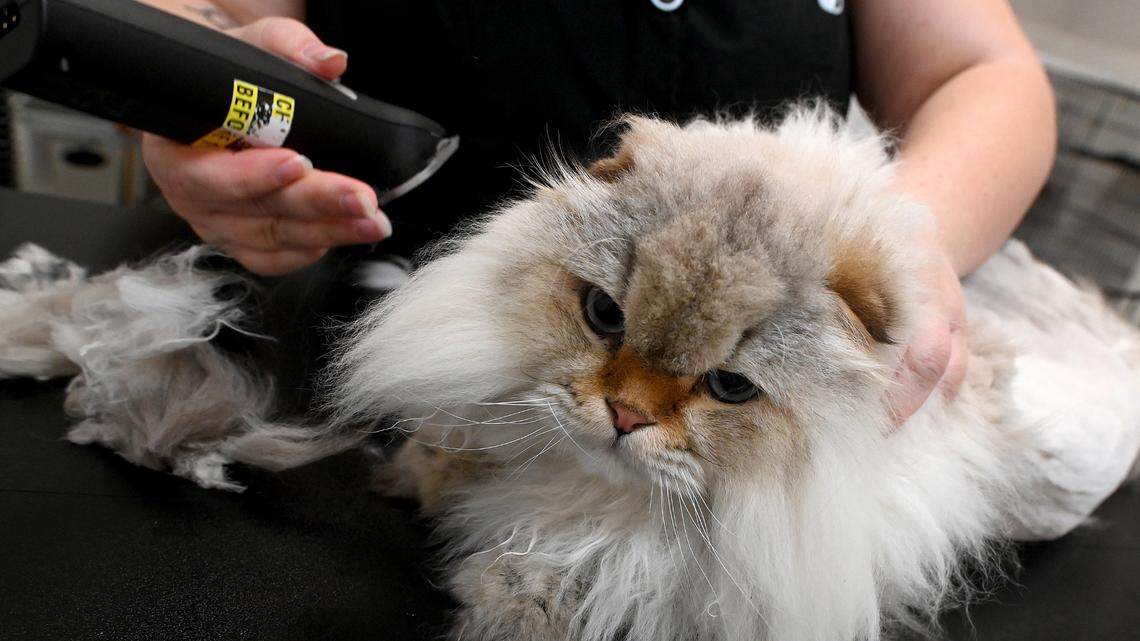
Knowing when to seek professional grooming is important for your cat’s health. Some cats manage their coat well, but others need extra care. Professional groomers have the skills and tools to handle tough grooming tasks. They can help keep your cat clean, comfortable, and healthy.
Signs Your Cat Needs Help
- Your cat’s fur is matted or tangled and won’t brush out.
- Skin looks irritated, red, or has sores under the fur.
- Your cat shows signs of pain or stress during grooming.
- Excessive shedding or hair loss in patches.
- Difficulty cleaning hard-to-reach areas like the rear or belly.
- Your cat is overweight or elderly and resists grooming.
- Unpleasant odor coming from the coat or skin.
Benefits Of Professional Services
- Experts remove mats safely without hurting your cat.
- Professionals trim nails to prevent injury.
- Groomers clean ears and check for infections.
- They spot skin problems early for quick treatment.
- Special shampoos improve coat and skin health.
- Stress-free experience for cats who dislike home grooming.
- Regular grooming helps reduce hairballs and shedding.
Credit: www.bradenton.com
Frequently Asked Questions
Can Cats Be Groomed At Home Safely?
Yes, cats can be groomed safely at home using the right tools. Regular brushing prevents mats and reduces shedding. Use a gentle brush designed for cats. Always be calm and patient to keep your cat comfortable during grooming.
How Often Should Cats Be Groomed?
Cats should be groomed at least once a week. Long-haired cats need more frequent grooming to avoid tangles. Regular grooming keeps their coat healthy, reduces hairballs, and helps monitor skin issues. Adjust frequency based on your cat’s breed and coat type.
What Tools Are Best For Grooming Cats?
Use a soft-bristle brush, fine-toothed comb, and nail clippers for grooming cats. A grooming glove can help remove loose fur. Avoid harsh tools that may hurt sensitive skin. Choose tools based on your cat’s coat length and texture.
Can Grooming Improve A Cat’s Health?
Yes, grooming improves a cat’s health by preventing mats and skin problems. It boosts circulation and reduces hairballs. Regular grooming allows early detection of lumps or parasites. It also strengthens the bond between you and your cat.
Conclusion
Cats can enjoy grooming just like people do. It helps keep their fur clean and healthy. Regular brushing stops hair from matting and reduces shedding. Grooming also helps you check for any skin problems early. Most cats learn to like gentle grooming with patience.
It creates a strong bond between you and your pet. Try using soft brushes and keep sessions short. Remember, grooming is part of good cat care. It keeps your cat happy and looking great every day.
