

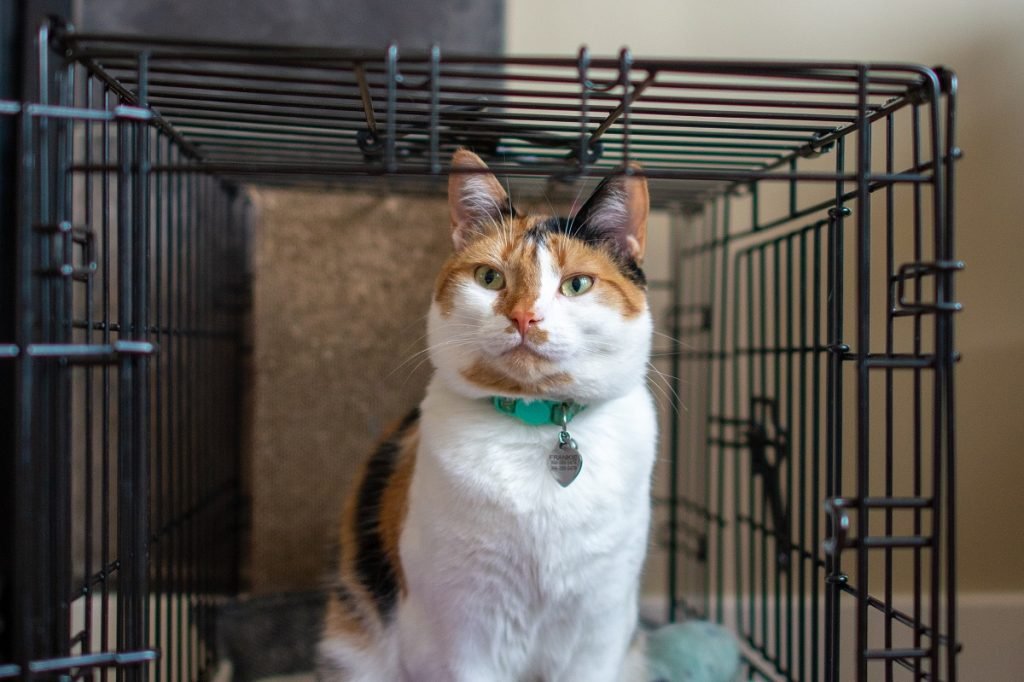
Have you ever wondered if your cat can learn to love a crate just like a dog? It might sound surprising, but crate training your feline friend is possible—and it could make your life a lot easier.
Whether you want a safe space for your cat during travel, vet visits, or just a cozy spot at home, crate training can help. But how do you do it without stressing your cat out? Keep reading, and you’ll discover simple, effective tips to make crate training work for you and your furry companion.

Credit: www.aaha.org
Benefits Of Crate Training Cats
Crate training cats offers many benefits for both pets and owners. It creates a safe space that cats can call their own. This training method helps cats feel calm and secure in various situations. It also makes traveling with cats less stressful. Managing a cat’s behavior becomes easier with crate training. These benefits make crate training a valuable tool for cat owners.
Safety And Security
A crate provides a quiet, protected area for cats. It helps reduce stress during loud noises or visitors. Cats feel safe inside their crate, reducing anxiety. The crate keeps cats away from harmful items in the house. It prevents cats from getting into dangerous spaces when unsupervised. This safe space helps cats relax and feel secure.
Travel Convenience
Traveling with a crate keeps cats contained and calm. It prevents cats from hiding or running away during trips. The crate is easy to carry and fits in cars or planes. Cats get used to the crate, making travel less frightening. This convenience makes trips smoother for both cats and owners.
Behavioral Management
Crate training helps control unwanted behaviors like scratching or climbing. It offers a time-out space for cats to calm down. Cats learn limits and routine through crate use. The crate can aid in litter training and reduce destructive habits. This management tool supports better behavior and discipline in cats.

Credit: www.reddit.com
Choosing The Right Crate
Choosing the right crate for your cat is essential to make crate training a positive experience. The crate should feel like a safe haven rather than a cage. The right choice encourages your cat to enter willingly and stay comfortably, which helps build trust and confidence during training.
Size And Comfort
Your cat’s crate must be spacious enough for them to stand, turn around, and lie down comfortably. Too small, and your cat will feel trapped; too large, and it might not feel secure. Measure your cat from nose to tail and add extra space to find the perfect fit.
Adding soft bedding inside can make a big difference. I once tried a crate without any cushion, and my cat refused to stay inside. When I added a plush blanket, she immediately started exploring it as a cozy retreat.
Material Options
Crates come in various materials like plastic, wire, and fabric. Plastic crates offer privacy and a den-like environment. Wire crates provide better ventilation and visibility, which some cats prefer. Fabric crates are lightweight and portable but may not be as durable.
Think about your cat’s personality. If your cat likes to hide, a plastic crate might work best. If they enjoy watching their surroundings, a wire crate could keep them more relaxed.
Features To Look For
Look for crates with easy-to-open doors, secure latches, and good ventilation. Multiple doors provide flexibility in placing and accessing your cat. Some crates have removable trays for simple cleaning, which saves you time and effort.
Consider if the crate is easy to carry or fits well in your car if you plan on traveling. Have you noticed how your cat reacts to confined spaces? Choosing features that align with your cat’s comfort can make all the difference in successful crate training.
Preparing Your Cat For The Crate
Preparing your cat for the crate helps make the process smooth and stress-free. Cats can feel nervous about new spaces, so patience is key. Creating a calm and inviting atmosphere encourages your cat to explore the crate at their own pace. This preparation builds trust and makes crate training more successful.
Introducing The Crate Gradually
Place the crate in a quiet room where your cat feels safe. Leave the door open so your cat can enter freely. Allow your cat to explore the crate on their own terms. Avoid forcing your cat inside the crate. Spend short periods near the crate, speaking softly to comfort your cat. Gradual exposure helps reduce fear and builds curiosity.
Creating A Positive Environment
Make the crate comfortable with a soft blanket or towel. Add familiar items that carry your cat’s scent. Keep the crate clean and dry at all times. Ensure good ventilation and avoid placing the crate in direct sunlight or cold drafts. A positive environment invites your cat to relax and feel secure inside the crate.
Using Treats And Toys
Use treats to encourage your cat to approach and enter the crate. Place small treats inside and near the entrance. Introduce favorite toys to make the crate more fun. Play gentle games around the crate to associate it with enjoyment. Treats and toys create positive associations, making crate time a happy experience.
Step-by-step Crate Training Process
Crate training a cat might seem unusual, but it can be a useful tool for travel, vet visits, or creating a safe space. The key is patience and understanding your cat’s pace. Breaking down the process into manageable steps helps your cat feel secure and willing to enter the crate without stress.
Short Initial Sessions
Start by placing the crate in a familiar area with the door open. Add a soft blanket and some favorite toys inside to make it inviting. Let your cat explore the crate on their own terms without forcing them in.
Encourage your cat to enter by placing treats just inside the crate. Keep these first sessions very short—only a few minutes at a time. This prevents your cat from feeling trapped and builds positive associations.
Increasing Crate Time
Once your cat comfortably enters the crate, gradually extend the time they spend inside. Close the door for just a few seconds at first, then slowly increase the duration. Always stay nearby and offer praise or treats to reassure your cat.
Watch your cat’s body language closely. If they seem calm, you can leave them in the crate a bit longer. This slow approach helps your cat trust that the crate is a safe place, not a punishment.
Handling Resistance
If your cat resists, don’t push or force the crate. Instead, try to understand what’s causing the discomfort. Is the crate too small? Is it placed near loud noises? Adjust the environment to make it more comfortable.
Distract your cat with play or treats near the crate to reduce anxiety. Sometimes, using pheromone sprays or calming music can also help ease their stress. Remember, patience often wins over pressure in crate training.
Common Challenges And Solutions
Crate training cats can bring several challenges. Cats are independent and cautious creatures. They may resist new spaces or routines. Understanding common issues helps solve them fast. Patience and gentle handling work best. Here are typical problems and easy solutions to try.
Dealing With Anxiety
Many cats feel scared inside a crate. It is a small, unfamiliar space. Anxiety shows as meowing, scratching, or hiding. Keep the crate near your cat’s favorite spot. Use soft bedding and familiar toys inside. Let your cat explore the crate at their own pace. Reward calm behavior with treats or praise. Short, calm sessions help reduce fear over time.
Avoiding Negative Associations
Cats remember bad experiences quickly. Forced crate time can create dislike. Avoid putting the cat inside when upset or angry. Never use the crate as punishment. Make the crate a happy place by:
- Offering treats inside the crate.
- Feeding meals inside or near it.
- Playing gentle games by the crate.
These steps build positive feelings. Your cat will see the crate as safe and fun.
Adjusting Techniques
Each cat reacts differently to crate training. Watch your cat’s signals closely. If your cat resists, slow down the process. Try these adjustments:
- Start with the crate door open.
- Increase crate time gradually.
- Use calming sprays or pheromones near the crate.
- Spend time near the crate, talking softly.
Be patient and flexible. Change methods to suit your cat’s needs.
Tips For Maintaining Crate Training
Maintaining crate training for cats requires patience and care. Keeping a steady approach helps your cat feel safe and secure. Regular habits and gentle encouragement make the crate a positive space.
Consistency And Routine
Set specific times for crate use each day. Cats like knowing what to expect. Use the crate during naps or quiet times. Stick to the same schedule to build trust. Avoid sudden changes that can cause stress.
Monitoring Your Cat’s Comfort
Check the crate environment often. Make sure it is cozy with soft bedding. Keep the crate clean and free of odors. Watch your cat’s behavior for signs of anxiety. Adjust the space if your cat seems uneasy.
When To Use The Crate
Use the crate for short periods at first. Ideal times include travel, vet visits, or rest. Never use the crate as punishment. Let your cat explore the crate freely. Give treats or toys to create positive feelings.

Credit: www.reddit.com
Frequently Asked Questions
Can Cats Be Crate Trained Successfully?
Yes, cats can be crate trained with patience and consistency. Using positive reinforcement helps them feel safe and comfortable inside the crate.
How Long Does It Take To Crate Train A Cat?
Crate training a cat usually takes a few days to a few weeks. It depends on the cat’s personality and the training approach used.
What Are The Benefits Of Crate Training Cats?
Crate training helps with travel safety, vet visits, and preventing destructive behavior. It also provides cats with a secure space to relax.
How To Introduce A Cat To A Crate Properly?
Start by placing the crate in a familiar area with soft bedding and treats. Let the cat explore freely without forcing entry initially.
Conclusion
Cats can learn to enjoy crate training with patience and care. Start slow and make the crate a safe space. Treats, toys, and gentle encouragement help cats feel comfortable. Not all cats take to crates quickly, so stay calm and try different methods.
Crate training can aid travel, vet visits, and safety. It creates a cozy spot your cat can call their own. Remember, kindness and consistency bring the best results. Give your cat time, and the crate may become a happy place.
