

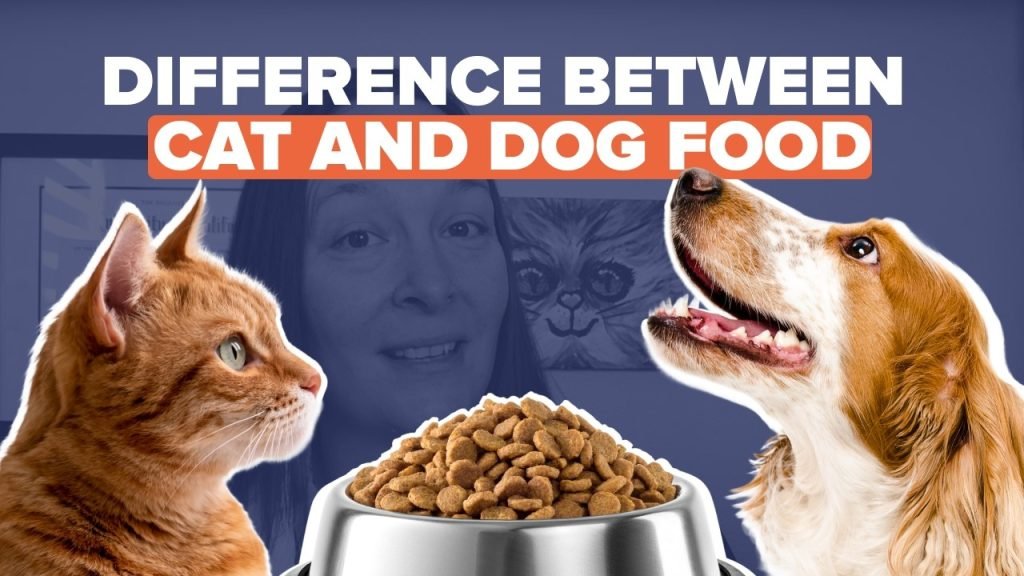
Have you ever wondered if your cat can safely eat dog food? Maybe you caught your furry friend sneaking a bite from your dog’s bowl and felt a twinge of worry.
You’re not alone. Many pet owners ask this question because what you feed your cat directly affects their health and happiness. You’ll discover the surprising facts about feeding your cat dog food, what risks it might bring, and how to make sure your pet gets the right nutrition every time.
Keep reading to protect your cat’s wellbeing and avoid common feeding mistakes you might not even realize you’re making.
Nutritional Needs Of Cats
Cats have very specific nutritional needs that differ significantly from dogs. Feeding your cat the right diet is crucial for their health and well-being. Understanding these needs helps you decide whether dog food can meet them or if it falls short.
Protein Requirements
Cats need a high amount of protein in their diet, much more than dogs. Their bodies rely on protein not just for energy but to maintain muscle and support vital functions. Unlike dogs, cats cannot adjust their protein intake easily, so a diet low in protein can lead to serious health issues.
Have you ever noticed your cat turning their nose up at certain foods? This often happens when the protein content is too low or the source is not suitable for them. Giving your cat food rich in animal-based protein is essential to keep them active and healthy.
Essential Nutrients Unique To Cats
Cats require specific nutrients that dogs do not, such as arachidonic acid, vitamin A, and niacin. These nutrients are vital because cats cannot make them on their own. Dog food often lacks these essentials, making it an incomplete diet for cats.
Think about the last time you tried feeding your cat dog food. Did you notice any unusual behavior or health problems? This might be due to missing nutrients that cats must get from their food. Ensuring your cat gets these unique nutrients protects them from deficiencies.
Taurine Importance
Taurine is an amino acid critical for cats’ heart function, vision, and reproduction. Unlike dogs, cats cannot produce enough taurine internally and must get it from their diet. Dog food usually contains little to no taurine, which can put your cat at risk of serious health problems like heart disease.
Have you ever wondered why vets stress feeding cats only cat food? Taurine deficiency is a major reason. By providing your cat with taurine-rich food, you safeguard their health and longevity.

Credit: www.aol.com
Differences Between Cat And Dog Food
Cat and dog foods are made to meet different nutritional needs. Cats and dogs have unique dietary requirements. These differences affect what ingredients and nutrients are in their food. Understanding these differences helps explain why cats should not eat dog food regularly.
Ingredient Variations
Cat food contains more protein than dog food. Cats are obligate carnivores, needing meat to stay healthy. Dog food has less protein and more grains or vegetables. Cats need specific nutrients like taurine and arachidonic acid. These are found only in animal tissues. Dog food may lack these essential nutrients for cats.
Caloric Content
Cat food usually has higher calories per serving. Cats burn energy faster and need more fuel. Dog food has fewer calories because dogs can digest more plant-based ingredients. Feeding a cat dog food can lead to weight loss or malnutrition. Cats need more energy-dense food to maintain their health.
Vitamin And Mineral Levels
Cat food is rich in vitamins A and B12, which cats cannot produce themselves. It also contains more calcium and phosphorus for bone health. Dog food has lower levels of these vitamins and minerals. Cats may develop deficiencies if they eat dog food often. Proper vitamin and mineral balance is crucial for cats’ well-being.
Risks Of Feeding Dogs Food To Cats
Feeding your cat dog food might seem like a harmless shortcut in a busy moment, but it carries hidden risks that can affect your cat’s well-being. Cats and dogs have very different dietary needs, and dog food lacks essential nutrients that your cat requires daily. Let’s look closely at the specific dangers involved when you feed dog food to your feline friend.
Nutritional Deficiencies
Dog food does not contain enough taurine, an amino acid vital for cats. Without taurine, cats can develop serious heart and eye problems over time.
Vitamin A levels in dog food are also lower than what cats need. Unlike dogs, cats cannot convert certain plant-based nutrients into vitamin A, so they must get it directly from their food.
Have you noticed your cat’s energy dipping or coat dulling after eating dog food? These could be signs of missing key nutrients.
Potential Health Issues
Feeding dog food regularly can lead to long-term health problems in cats. Kidney disease and heart conditions can arise from the lack of essential nutrients.
Cats rely on specific proteins and fats that dog food often lacks or provides in the wrong balance. This imbalance stresses their organs.
Think about how your cat behaves after eating dog food—does it seem less active or more lethargic? These subtle signs shouldn’t be ignored.
Digestive Problems
Dog food can upset your cat’s sensitive stomach. Ingredients and nutrient ratios suited for dogs might cause vomiting or diarrhea in cats.
Switching your cat to dog food even for a day may lead to uncomfortable digestive issues. Cats need diets designed to support their unique digestive system.
Next time you’re tempted to share your dog’s food, consider your cat’s tummy and how it might react.

Credit: www.myrainbowpets.com.au
When Is Dog Food Safe For Cats?
Dog food is not made for cats, but there are moments it can be safe. Cats need more protein and certain nutrients than dogs. Still, dog food can work for cats at certain times. Knowing when dog food is safe helps keep cats healthy and happy.
Occasional Consumption
Cats can eat dog food once in a while without harm. A small amount as a treat or snack is okay. It should not replace their regular cat food. Dog food lacks taurine, an essential nutrient for cats. Eating too much dog food can cause health problems.
Emergency Situations
Dog food can serve as a temporary solution in emergencies. If cat food is not available, dog food can fill in briefly. It provides some energy and nutrients, but not all cat needs. Use dog food only until proper cat food is found. Avoid feeding dog food to kittens during emergencies.
Short-term Feeding
Short-term feeding with dog food is possible but not ideal. Cats may eat dog food for a few days without issues. Watch for signs of digestive upset or allergies. Make sure fresh water is available at all times. Return to cat food as soon as possible to meet dietary needs.
Signs Of Poor Nutrition In Cats
Poor nutrition in cats can cause many problems. Cats need specific nutrients to stay healthy. Dog food lacks essential ingredients cats require. Missing these nutrients leads to health issues. Recognizing signs of poor nutrition helps protect your cat’s well-being.
Behavioral Changes
Changes in behavior often signal poor nutrition. Cats may become less active and playful. Appetite might decrease or become erratic. Some cats show increased irritability or restlessness. Poor nutrition can affect their mood and energy levels.
Physical Symptoms
Physical signs often appear with nutrient deficiencies. Cats may have dull, dry, or flaky fur. Weight loss or poor muscle tone is common. Weakness and slow healing of wounds may occur. You might notice vomiting or diarrhea too.
Long-term Effects
Ignoring poor nutrition leads to serious health problems. Chronic diseases like kidney or liver issues may develop. Immune system weakens, increasing infection risks. Bone problems and poor growth happen in young cats. Long-term harm reduces life quality and expectancy.
Best Practices For Feeding Cats
Feeding your cat properly is key to keeping them healthy and happy. Cats have unique nutritional needs that differ from dogs, so understanding the best practices can make a big difference in their well-being. Let’s look at some essential tips to help you provide the right diet for your feline friend.
Choosing Proper Cat Food
Cat food is specially made to meet the dietary requirements of cats. It contains the right balance of protein, fats, vitamins, and minerals your cat needs. Look for products labeled as “complete and balanced” by pet food authorities to ensure your cat gets all essential nutrients.
Pay attention to ingredients like taurine, an amino acid vital for cats but absent in dog food. Your cat’s age and health condition also affect the type of food you should choose. Kittens need more calories and protein, while older cats may require food that supports joint health.
Avoiding Cross-feeding
It might seem convenient to let your cat nibble on dog food sometimes, but this habit can cause nutritional imbalances. Dog food lacks certain nutrients cats must have. Feeding them dog food regularly can lead to health problems such as heart issues or poor coat condition.
If you have both cats and dogs, create separate feeding areas to prevent confusion. This simple step helps ensure each pet eats the right food for their needs. Have you noticed your cat showing disinterest in their food after trying dog food? That’s a common issue that can disrupt their nutrition.
Consulting A Veterinarian
Veterinarians are the best resource when it comes to your cat’s diet. They can recommend the right type of food based on your cat’s health, age, and lifestyle. Don’t hesitate to ask about supplements or special diets if your cat has medical conditions.
Regular check-ups allow vets to monitor your cat’s weight and overall health, adjusting diet recommendations as needed. Have you ever wondered if your cat’s eating habits signal a health problem? A vet’s guidance can help you catch issues early and keep your cat thriving.
Credit: www.purina.com
Frequently Asked Questions
Can Cats Eat Dog Food Safely?
Cats can eat dog food occasionally but not regularly. Dog food lacks essential nutrients cats need. Feeding dog food long-term can cause health issues in cats.
What Nutrients Do Cats Need That Dog Food Lacks?
Cats require taurine, arachidonic acid, and vitamin A. Dog food often lacks these vital nutrients. Without them, cats risk heart and vision problems.
Is Dog Food Harmful To Cats?
Dog food is not immediately harmful but unsuitable for cats. It can cause nutritional deficiencies and digestive upset over time. Always provide species-specific food for optimal health.
Can Feeding Dog Food To Cats Cause Allergies?
Yes, dog food ingredients may trigger allergies in cats. Cats have different sensitivities compared to dogs. Monitor your cat for itching or digestive issues after eating dog food.
Conclusion
Cats should not eat dog food regularly. Dog food lacks key nutrients cats need. It can cause health problems over time. A small taste once in a while is okay. But feeding dog food daily is risky. Always choose food made just for cats.
This keeps your cat healthy and happy. Remember, their bodies are different from dogs. Proper nutrition helps them live longer lives. Care for your cat by giving the right food. That’s the best way to show you care.
