

Are you wondering if it’s okay to feed your adult cat kitten food? You might think it’s a simple swap, but what you choose to feed your furry friend can affect their health and happiness.
Understanding the differences between kitten and adult cat food can help you make the best choice for your pet. Keep reading to find out if kitten food is safe for your adult cat and what you should watch out for to keep them thriving.

Credit: www.reddit.com
Nutritional Needs Of Adult Cats
Understanding the nutritional needs of adult cats is essential before deciding if they can eat kitten food. Adult cats have different dietary demands compared to kittens, which affects their health and wellbeing. Paying attention to these differences helps you make better feeding choices for your feline friend.
Protein Requirements
Adult cats need a high-protein diet, but not as high as kittens. Kittens require extra protein to support their rapid growth, while adult cats need enough protein to maintain muscle mass and overall health. Feeding your adult cat kitten food regularly may provide excess protein, which could strain their kidneys over time.
Calorie Intake
Calories are the energy source for your cat’s daily activities. Kittens burn more calories because they are growing and more active. Adult cats, especially those who are less active or indoor-only, need fewer calories to avoid weight gain and related health problems.
Have you noticed your adult cat gaining weight after switching to kitten food? This could be due to the higher calorie content in kitten formulas.
Vitamin And Mineral Balance
Both kittens and adult cats need vitamins and minerals, but the amounts differ. For example, calcium and phosphorus levels are higher in kitten food to support bone development. Feeding adult cats kitten food might disrupt this balance, potentially causing health issues like kidney stress or urinary problems.
Ensuring your cat receives the right vitamins and minerals for their life stage helps keep them healthy and active for years.
Kitten Food Composition
Kitten food composition is designed specifically to meet the needs of growing cats. It contains different levels of nutrients compared to adult cat food. This composition supports rapid development and energy demands of kittens.
Higher Calories And Fat
Kitten food has more calories than adult cat food. This energy helps kittens grow fast and stay active. The fat content is also higher, providing essential fatty acids. These fats support brain and eye development in young cats.
Growth-boosting Nutrients
Kitten food is rich in proteins and essential vitamins. Proteins help build strong muscles and tissues. Vitamins like A, D, and E boost the immune system and bone growth. Minerals such as calcium and phosphorus strengthen teeth and bones.
Texture And Flavor Differences
Kitten food often has a softer texture. This softness makes it easier for kittens to chew and digest. The flavors are usually milder and more appealing to young cats. These factors encourage kittens to eat enough for healthy growth.
Comparing Adult And Kitten Food
Understanding the difference between adult cat food and kitten food helps make better feeding choices. Both types serve specific life stages with tailored nutrition. Kitten food supports growth and energy needs. Adult cat food maintains health and weight balance.
Nutrient Density
Kitten food contains higher protein and fat levels. These nutrients support rapid growth and brain development. Adult cat food has fewer calories to prevent weight gain. Nutrient balance shifts to maintain muscle and organ health.
Portion Size Considerations
Kittens eat smaller, frequent meals to fuel their energy. Adults require controlled portion sizes to avoid overeating. Feeding adult cats kitten portions can lead to obesity. Proper portion control helps maintain a healthy weight for both.
Long-term Health Impact
Feeding adult cats kitten food regularly may cause health issues. Excess calories can stress organs and increase fat storage. Adult formulas promote longevity and prevent chronic conditions. Choosing the right food supports your cat’s well-being over time.
Risks Of Feeding Kitten Food To Adults
Feeding adult cats kitten food may seem harmless. Kitten food contains extra calories and nutrients for growing cats. But adult cats have different dietary needs. Using kitten food for adults can cause health problems. Understanding these risks helps keep your cat healthy and happy.
Weight Gain And Obesity
Kitten food has more calories than adult cat food. Adult cats need fewer calories to stay fit. Eating kitten food regularly can lead to weight gain. Excess weight can cause joint pain and breathing issues. Obesity also increases the risk of diabetes in cats. Monitoring your cat’s weight is important to avoid these problems.
Digestive Issues
Kitten food is rich and may upset adult cats’ digestion. Some adults might experience diarrhea or vomiting. Their stomachs may struggle with the richer formula. Digestive discomfort can reduce their appetite and energy. Feeding the right food supports a healthy digestive system.
Nutrient Imbalance
Kitten food has nutrients tailored for growth, not maintenance. Adults may get too much protein and fat. This imbalance can stress the kidneys and liver. Adult cat formulas provide balanced nutrients for long-term health. Proper nutrition supports your cat’s immune system and vitality.
When Kitten Food Might Be Suitable
Kitten food is packed with extra calories, protein, and nutrients to support a growing cat’s needs. While adult cats usually don’t require this level of nutrition, certain situations make kitten food a good choice. Understanding when it’s appropriate can help you support your cat’s health effectively without wasting resources or causing imbalances.
Pregnant Or Nursing Cats
Pregnant and nursing cats have increased nutritional demands. They need more energy, protein, and vitamins to support both themselves and their kittens. Kitten food can provide the extra nutrients they require during this critical time, helping maintain their strength and milk production.
If your cat is expecting or feeding kittens, switching to kitten food can be a smart move. It ensures she gets enough calories without you having to add supplements or special meals.
Cats Recovering From Illness
When your adult cat is recovering from an illness or surgery, their body needs more nutrition to heal. Kitten food’s higher protein and calorie content can help speed recovery and rebuild lost weight. It’s easier to digest and more nutrient-dense, which supports your cat’s energy levels and immune system.
Consider kitten food as a temporary diet during recovery phases. But always consult your vet before making changes, to ensure the food matches your cat’s specific health needs.
Underweight Adult Cats
If your adult cat is underweight or struggles to maintain a healthy size, kitten food might be the answer. The extra calories and nutrients can help them gain weight safely and improve muscle mass. Unlike simply feeding more adult food, kitten food offers balanced nutrition designed for growth, which is exactly what a thin cat needs.
Try kitten food in small amounts and watch how your cat responds. If you see steady weight gain and increased energy, it’s likely a beneficial adjustment. Always monitor for any digestive issues or changes in behavior.
Credit: www.purina.com
Tips For Transitioning Foods
Transitioning your adult cat from kitten food needs care and patience. Sudden changes can upset their stomach and cause refusal to eat. A smooth change helps your cat accept the new food without stress. Follow these tips to keep your cat healthy during the switch.
Gradual Switching
Mix a small amount of adult food with kitten food at first. Increase the adult food portion every few days. This slow change helps your cat’s digestive system adjust. It also lets your cat get used to the new taste and texture. Aim for a full switch within 7 to 10 days.
Monitoring Health Changes
Watch your cat closely during the transition. Check for vomiting, diarrhea, or loss of appetite. Look for changes in energy and behavior too. If you notice any problems, slow down the transition process. Keep a record of changes to share with your veterinarian if needed.
Consulting A Veterinarian
Ask your veterinarian for advice before switching foods. They can recommend the best adult food for your cat’s needs. Share any health concerns or past reactions to food. Your vet can guide you on how to switch safely and effectively. Regular check-ups ensure your cat stays healthy during the change.
Choosing The Right Food For Your Cat
Choosing the right food for your cat is important for their health and happiness. Cats have different needs depending on their age, activity level, and health. Picking the right food helps your cat get the nutrients it needs. This keeps them active, strong, and full of energy. Understanding pet food labels, life stage formulas, and diet options makes feeding easier.
Reading Pet Food Labels
Pet food labels contain important information about the ingredients and nutrients. Look for foods with real meat listed first. Avoid products with too many fillers like corn or wheat. Check the protein, fat, and fiber content. These affect your cat’s energy and digestion. Also, see if the food meets AAFCO standards. This ensures the food is complete and balanced for cats.
Considering Life Stage Formulas
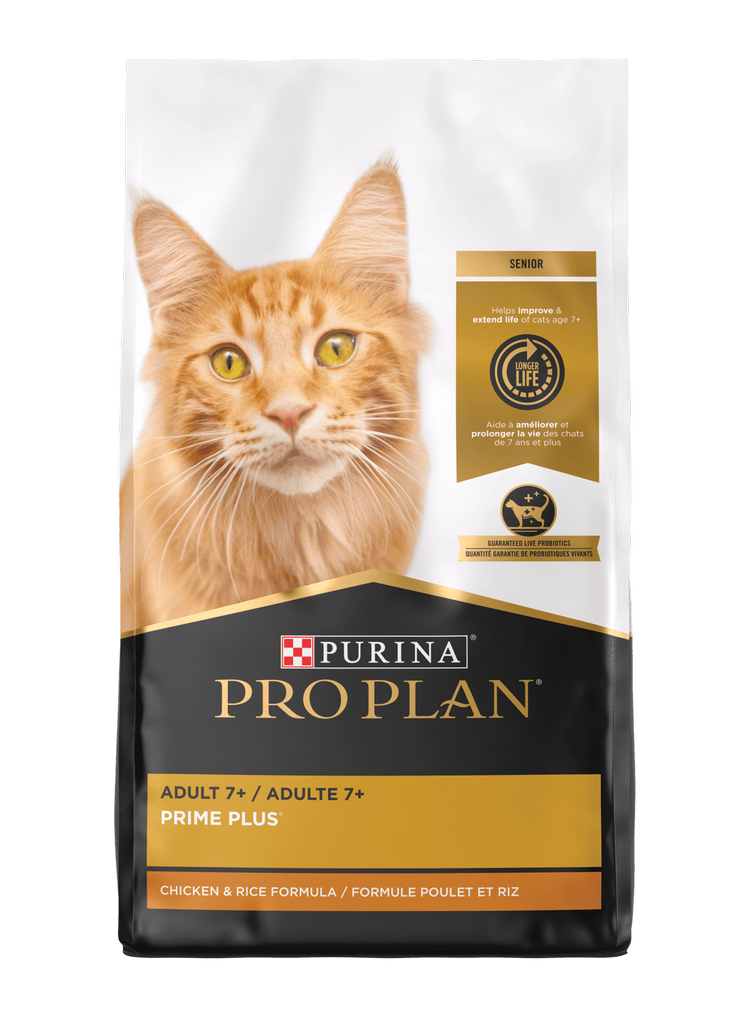
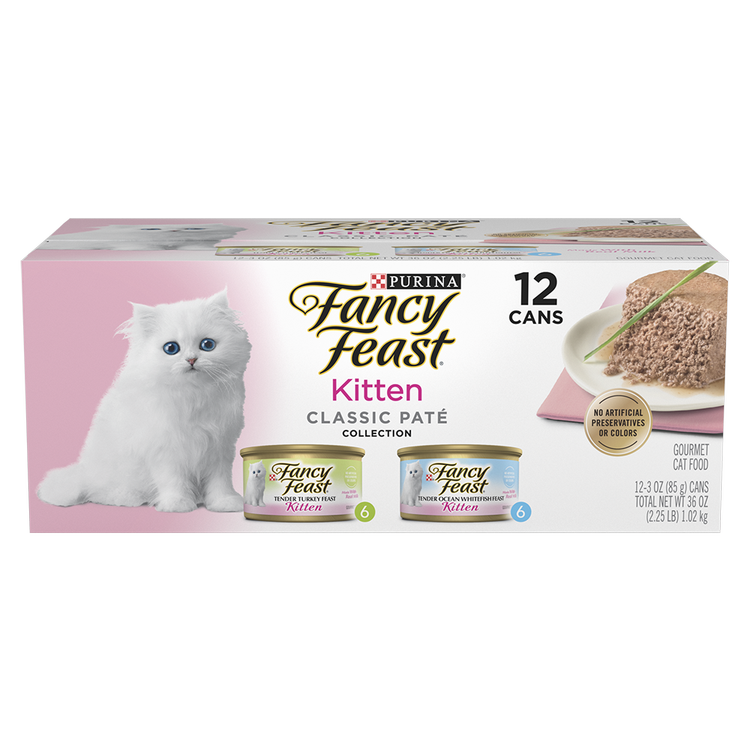
Foods are made for different life stages like kitten, adult, and senior. Kitten food has more calories and nutrients for growth. Adult cat food has balanced nutrition for maintenance. Senior cat food supports aging joints and health. Feeding the right formula gives your cat exactly what it needs. Using kitten food for adults can lead to weight gain and nutrient imbalance.
Balancing Homemade And Commercial Diets
Some cat owners prefer homemade meals. These can include cooked meats and vegetables. Homemade diets require careful planning to meet all nutrient needs. Commercial diets are made with complete nutrition in mind. Mixing both can work well. Always consult a vet to create a balanced meal plan. This ensures your cat stays healthy and happy.
Credit: www.purina.com
Frequently Asked Questions
Is Kitten Food Safe For Adult Cats?
Kitten food is safe but not ideal for adult cats. It is high in calories and nutrients needed for growth. Adult cats need balanced nutrition to prevent weight gain and health issues. Consult with a veterinarian for a suitable diet plan for your adult cat.
Can Adult Cats Benefit From Kitten Food?
Adult cats can benefit temporarily from kitten food if they’re underweight or recovering. Kitten food’s high calorie and protein content can aid recovery. However, it’s not suitable long-term. Over time, it may lead to obesity and nutrient imbalances. Always consult with your vet for dietary changes.
Does Kitten Food Make Adult Cats Gain Weight?
Yes, kitten food can make adult cats gain weight. It is calorie-dense and designed for growing kittens. Adult cats consuming it regularly may consume more calories than needed. This can lead to obesity and related health problems. A balanced adult cat food is recommended for maintaining healthy weight.
How Often Can Adult Cats Eat Kitten Food?
Adult cats can eat kitten food occasionally, but not regularly. Kitten food is high in calories and nutrients. It should only be a short-term solution for specific health needs. Long-term consumption may cause weight gain. Always consult your veterinarian for dietary recommendations for your adult cat.
Conclusion
Adult cats can eat kitten food occasionally, but not always. Kitten food has more calories and nutrients meant for growing cats. Feeding adult cats kitten food all the time may cause weight gain or health issues. Check with your vet to find the best diet for your cat.
Always provide fresh water and a balanced meal. Watching your cat’s weight and energy helps keep them healthy. Choose food that fits your cat’s age and lifestyle for a happy pet.
