

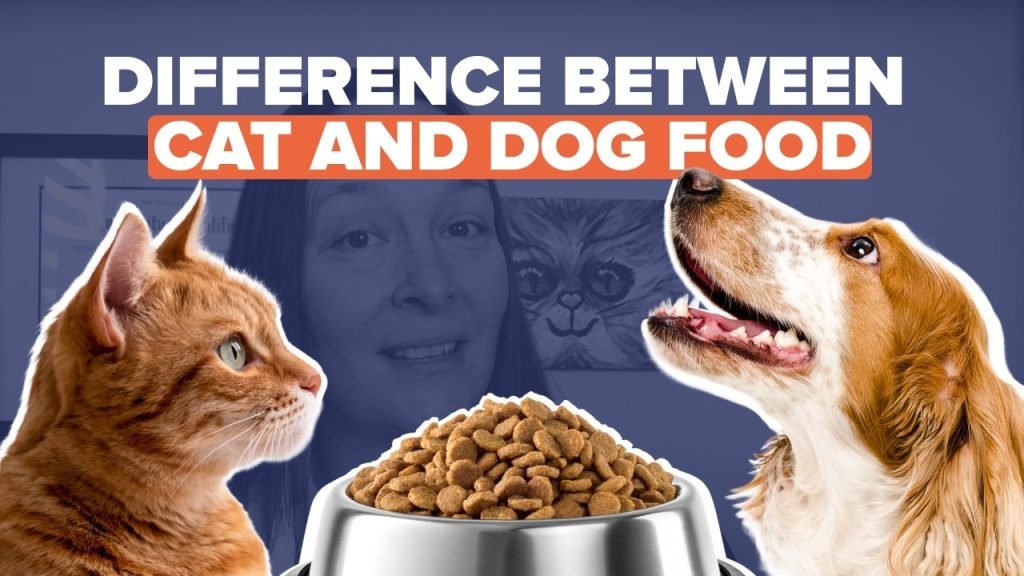
Have you ever caught your cat sneaking a bite of your dog’s food and wondered, “Is that okay?” You’re not alone. Many pet owners worry about what’s safe for their furry friends to eat.
Understanding whether your cat can eat dog food is crucial for their health and happiness. Keep reading to discover the surprising facts and what you need to know to keep your pets safe and well-fed. This knowledge could save you from costly vet visits and keep your cat purring with satisfaction.
Nutritional Needs Of Cats
Cats have very specific nutritional needs that differ significantly from many other pets, including dogs. Understanding these needs can help you decide whether feeding your cat dog food is a safe option or not. Your cat relies on certain nutrients that dog food often lacks or contains in insufficient amounts.
Essential Nutrients For Cats
Cats require a few key nutrients that are crucial for their health and survival:
- Taurine:This amino acid is vital for heart function, vision, and reproduction. Unlike dogs, cats cannot produce enough taurine on their own and must get it from their diet.
- Arachidonic Acid:A fatty acid found in animal fats that supports skin health and inflammation regulation.
- Vitamin A:Cats need preformed vitamin A from animal sources since they cannot convert beta-carotene from plants into vitamin A.
- Protein:Cats are obligate carnivores, meaning they need a high-protein diet from animal sources to thrive.
Missing any of these nutrients can lead to serious health problems. Have you ever noticed your cat losing energy or developing vision issues? It could be a sign of nutritional imbalance.
Differences Between Cat And Dog Diets
Dog foods are formulated to meet the nutritional needs of omnivores, which means they contain more carbohydrates and less protein compared to cat foods. Cats need diets rich in meat-based proteins and fats.
Here’s a quick comparison:
| Nutrient | Cat Food | Dog Food |
|---|---|---|
| Taurine | High levels added | Usually absent or low |
| Protein | Higher percentage (30-50%) | Lower percentage (18-25%) |
| Arachidonic Acid | Included | Not always included |
| Carbohydrates | Low | Higher |
Feeding your cat dog food regularly means they could miss out on these critical nutrients. How would you feel if your cat’s health started to decline because of a diet that seems convenient but isn’t suitable?
Credit: www.purina.com
Ingredients In Dog Food
Understanding the ingredients in dog food is key if you’re wondering whether your cat can eat it safely. Dog food is designed to meet the nutritional needs of dogs, which differ significantly from those of cats. Let’s break down what’s typically found in dog food and what might be missing for your feline friend.
Common Components
Dog food usually contains:
- Proteins:Chicken, beef, lamb, or fish often form the base.
- Grains and carbohydrates:Corn, wheat, rice, or barley provide energy.
- Fats:Animal fats and oils for calorie density and taste.
- Vitamins and minerals:Added to support general health.
- Fiber:Ingredients like beet pulp to aid digestion.
These components serve dogs well, but cats have unique dietary requirements that aren’t fully met here.
Missing Nutrients For Cats
Cats are obligate carnivores, which means they need certain nutrients only found in animal tissues. Dog food often lacks:
- Taurine:An amino acid critical for heart and eye health in cats.
- Arachidonic acid:A type of fatty acid cats must get from their food.
- Vitamin A:Cats can’t convert beta-carotene to vitamin A like dogs can.
- Higher protein levels:Cats require more protein than dogs for energy and muscle maintenance.
Feeding your cat dog food regularly can lead to deficiencies and health problems. Have you noticed your cat avoiding certain foods or acting lethargic? It could be their body signaling missing nutrients.
Effects Of Dog Food On Cats
Feeding cats dog food can affect their health in several ways. Cats need specific nutrients that dog food does not provide. The effects of dog food on cats vary between short-term and long-term impacts. Understanding these effects helps keep cats healthy and safe.
Short-term Impact
Dog food lacks certain essential nutrients for cats. Cats may miss taurine, an amino acid vital for heart and eye health. Eating dog food once or twice might cause mild stomach upset. Symptoms include vomiting or diarrhea. Cats may also feel less energetic or lose their appetite.
Dog food is higher in carbohydrates than cat food. Cats do not digest carbs well, which can lead to digestive issues. Short-term feeding of dog food does not provide balanced nutrition. This can cause temporary health problems if eaten frequently.
Long-term Health Risks
Long-term feeding of dog food to cats can cause serious health issues. Lack of taurine may lead to heart disease and vision loss. Cats also need more protein than dogs. Dog food often does not meet this protein requirement.
Chronic nutrient deficiencies weaken the immune system. Cats may become prone to infections and illnesses. Long-term carbohydrate overload can contribute to obesity and diabetes. Poor nutrition affects the cat’s coat and energy levels too.
Continued feeding of dog food risks permanent damage. It is crucial to provide food made for cats. Proper nutrition supports a cat’s growth, health, and lifespan.
Situations When Cats Might Eat Dog Food
Cats might eat dog food in certain situations, and understanding these can help you manage their diet better. Sometimes, it happens by accident, while other times, cats may intentionally choose dog food over their own. Knowing why this occurs can prevent potential health issues and keep your feline friend happy.
Accidental Consumption
Accidental consumption happens when cats unknowingly eat dog food. This can occur if dog food is left out in a shared feeding area or if your cat sneaks into your dog’s bowl while you’re not watching.
Have you ever noticed your cat hovering around the dog’s bowl? This simple curiosity can lead to accidental eating. Since dog food lacks certain nutrients cats need, such as taurine, even small amounts can be problematic if it happens often.
Intentional Eating
Sometimes cats deliberately eat dog food, especially if they find it more appealing or if their own food is unappetizing. Cats are known to be picky eaters, and texture or flavor differences in dog food might attract them.
If your cat frequently chooses dog food, it might be signaling that they are missing something in their diet or simply bored. Have you checked if your cat’s food is fresh or if they’re getting enough variety? Paying attention to these signals can help you adjust their meals accordingly.
Pet Safety Tips
Keeping pets safe around food is a top priority for every owner. Cats and dogs have different nutritional needs. Feeding the wrong food can cause health issues. Simple habits help protect your pets and keep mealtime stress-free. These tips focus on avoiding risks linked to feeding dog food to cats.
Preventing Cross-feeding
- Feed pets in separate areas to avoid mix-ups.
- Use distinct bowls for each pet to reduce confusion.
- Supervise feeding times, especially with multiple pets.
- Store pet foods in clearly labeled containers.
- Teach pets to wait before eating to prevent stealing food.
Safe Feeding Practices
- Provide species-specific food for cats and dogs.
- Offer fresh water alongside every meal.
- Check ingredient labels to avoid harmful additives.
- Introduce new foods slowly to watch for reactions.
- Consult a vet about any dietary concerns or changes.
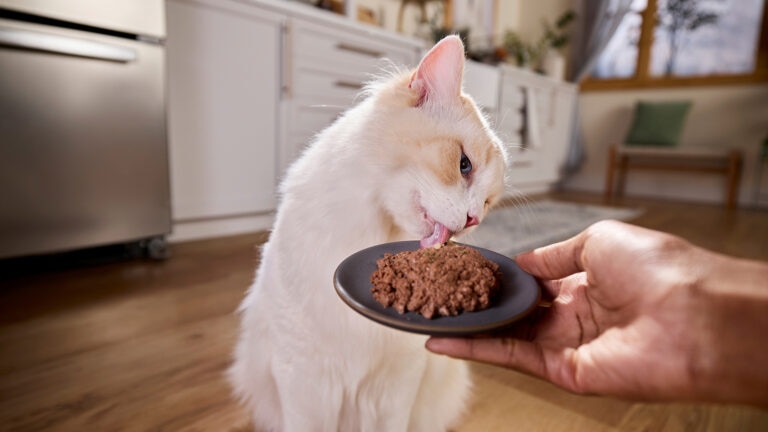
Credit: www.chewy.com
Alternatives For Mixed Households
Managing a household with both cats and dogs can be challenging, especially when it comes to feeding time. Cats and dogs have different nutritional needs, and feeding them the same food isn’t ideal. Finding alternatives that work for both your furry friends ensures they stay healthy and happy without constant meal-time stress.
Separate Feeding Areas
Creating distinct feeding zones helps prevent your cat from eating dog food and vice versa. Place their bowls in different rooms or areas where only one pet has easy access. This simple step reduces food theft and allows you to monitor each pet’s eating habits closely.
Think about your own experience: have you noticed your cat sneaking into the dog’s bowl? Setting up separate spaces can stop this behavior. It also keeps mealtime calm, avoiding competition and potential aggression.
Specialized Diet Options
Look for pet food brands that offer formulas designed for mixed households. Some companies create balanced meals that meet the specific needs of both cats and dogs, reducing the risk if your pets accidentally share food.
If your cat has special dietary requirements, such as allergies or weight management, consult your vet about suitable options. You might find a high-quality cat food that’s less appealing to your dog, helping to maintain clear food boundaries.
Would switching to specialized diets make feeding easier for you? Trying these options can save time and give you peace of mind about your pets’ nutrition.

Credit: www.aol.com
Frequently Asked Questions
Can Cats Eat Dog Food Occasionally?
Cats can eat dog food occasionally but it lacks essential nutrients cats need. Regular feeding may cause deficiencies and health issues.
What Happens If A Cat Eats Dog Food Daily?
Daily consumption of dog food can lead to malnutrition in cats. Dog food lacks taurine and specific vitamins vital for cats.
Is Dog Food Harmful To Cats?
Dog food is not immediately harmful but unsuitable as a sole diet. Cats require higher protein and unique nutrients found only in cat food.
Can Dog Food Replace Cat Food Temporarily?
Dog food can temporarily replace cat food in emergencies but should not be a long-term diet. Cats need specialized nutrition for health.
Conclusion
Cats and dogs need different foods to stay healthy. Dog food lacks some nutrients that cats must have. Feeding dog food to cats often causes health problems. It is best to give cats food made just for them. Always check with a vet if you are unsure.
Your cat will feel better with the right diet. Keep your pet’s needs in mind every day. A healthy cat is a happy cat. Choose food carefully for your furry friend.
