

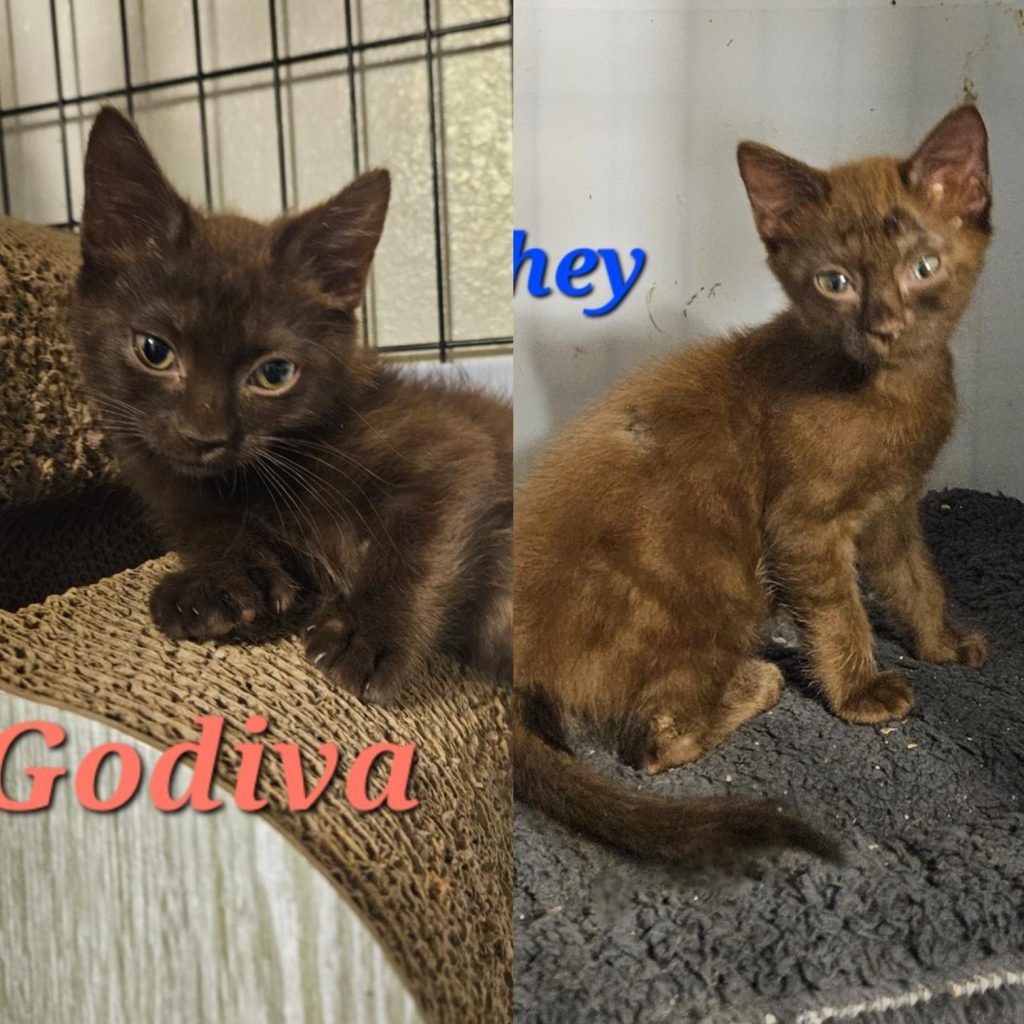
Imagine welcoming a new furry friend into your home, one with a gorgeous, rich brown coat that captures the essence of warmth and elegance. The allure of a brown cat is undeniable, and as you embark on this exciting quest to find the perfect companion, understanding the world of brown cat breeders becomes essential.
You’re about to dive into a fascinating realm where passion meets precision, ensuring that your future feline friend is not only beautiful but also healthy and well-adjusted. Whether you’re a seasoned cat lover or a curious newcomer, this guide will equip you with everything you need to know to make an informed decision.
Stay with us as we unveil the secrets of choosing the ideal brown cat breeder, ensuring that your new pet becomes a cherished member of your family.

Credit: omniameacattery.com
Traits Of Brown Cats
Brown cats have a unique charm that often goes unnoticed compared to more common colors like black or white. Their rich, warm hues bring a cozy and natural feel to any home. Understanding the traits of brown cats can help you appreciate their beauty and personality even more.
Common Brown Cat Breeds
Not all brown cats are the same, and some breeds are famous for their brown coats. The Burmese cat is a standout with its sleek, shiny brown fur that almost looks like chocolate. Another breed, the Havana Brown, has a rich mahogany coat and striking green eyes that grab your attention instantly.
You might also come across brown tabby cats, with their classic striped patterns blending shades of brown and black. Each breed carries its own history and style, making brown cats a diverse group worth exploring.
Physical Characteristics
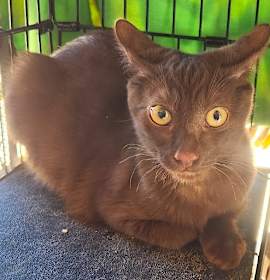
Brown cats often have a warm, earthy coat that can range from a light sandy color to a deep chocolate brown. Their fur usually has a soft, silky texture, which makes petting them incredibly satisfying. Eye colors vary but often include green, gold, or hazel, adding to their striking appearance.
Some brown cats feature subtle markings, like stripes or spots, which enhance their natural beauty. If you’re looking for a cat whose looks are as distinctive as its personality, brown cats offer plenty of variety without needing flashy patterns.
Temperament And Behavior
Brown cats are often described as friendly and affectionate, making them excellent companions. Many owners notice their cats enjoy interactive play and seek out attention without being overly demanding. They tend to be curious, exploring their surroundings with a calm confidence that feels reassuring.
Have you ever noticed how some cats instantly put you at ease? Brown cats often have that effect, offering a quiet companionship that fits well with a relaxed lifestyle. If you want a pet that balances playfulness with calm, a brown cat might be the perfect match for you.
Health Indicators In Kittens
Keeping a close eye on health indicators in kittens is crucial, especially when you’re considering a brown cat breeder. These little creatures grow fast, and early signs of health or illness can guide you in providing the best care. Recognizing what a healthy kitten looks like versus signs of trouble can save you stress and vet bills down the road.
Signs Of A Healthy Kitten
A healthy kitten is lively and curious, eager to explore their surroundings. Bright, clear eyes without discharge and a clean nose free of crusts signal good health. Their coat should be shiny and smooth, not patchy or dull.
Watch for steady weight gain and regular feeding habits—these are strong indicators that your kitten is thriving. When you gently pick them up, they should feel firm but not hard or bloated. A playful attitude and consistent energy levels also point to good well-being.
Common Health Issues To Watch For
Even the best breeders can’t guarantee a kitten without health issues, so knowing common problems helps you act quickly. Look out for sneezing, coughing, or nasal discharge which might indicate respiratory infections. Diarrhea or vomiting are red flags that should never be ignored.
Skin problems like redness, itching, or bald patches could mean parasites or allergies. Sometimes, lethargy or refusal to eat signals an underlying illness. Have you noticed any unusual behavior or symptoms that don’t seem normal to you? Trust your instincts and seek advice.
Vaccination And Vet Checks
Vaccinations form the frontline defense against many contagious diseases in kittens. Make sure your breeder provides a clear vaccination schedule and records. Essential vaccines include those for feline distemper, calicivirus, and rabies.
Regular vet visits are non-negotiable. A vet check within the first week of bringing your kitten home can catch hidden issues early. Ask your breeder about any vet visits the kitten has had and what treatments were done—it’s your roadmap to ongoing care.
Finding A Reputable Breeder
Finding a reputable brown cat breeder is key to welcoming a healthy and well-socialized pet into your home. It takes more than just a quick online search or a catchy ad. You need to dig deeper to ensure the breeder prioritizes the cats’ welfare and ethical breeding practices.
Researching Breeder Credentials
Start by checking if the breeder is registered with recognized cat associations, such as The International Cat Association (TICA) or the Cat Fanciers’ Association (CFA). These organizations often require breeders to follow strict guidelines, which helps ensure quality and care.
Look for reviews or testimonials from past buyers. A reputable breeder usually has a strong online presence with transparent information about their breeding history and health guarantees. If you find vague or missing details, consider it a red flag.
Questions To Ask Before Buying
Prepare a list of questions before you contact the breeder. Ask about the health screenings they perform on their cats, including tests for common genetic issues in brown cat breeds.
Inquire about the socialization process. How do they raise the kittens? Are the kittens exposed to different environments and people? This can affect your new cat’s behavior and adaptability.
Don’t hesitate to ask for references. Speaking to previous buyers can reveal insights you won’t find on a website or brochure. What challenges did they face, and how responsive was the breeder afterward?
Visiting The Breeding Facility
Arrange a visit to see the breeding environment firsthand. The facility should be clean, safe, and spacious enough for the cats to move freely. If you notice cramped spaces or poor hygiene, walk away.
Observe the cats’ behavior and condition. Are they active, curious, and well-groomed? Are there enough toys and enrichment items? Healthy cats in a caring environment usually show these signs.
Pay attention to the breeder’s attitude during your visit. Are they open and willing to answer questions? Trustworthy breeders want you to feel confident and informed, not rushed or dismissed.
Credit: www.adoptapet.com
Caring For Your New Kitten
Bringing home a new kitten from a brown cat breeder is an exciting experience filled with joy and new responsibilities. Caring for your kitten properly sets the foundation for a healthy, happy life. Paying attention to their needs from day one will help you build a strong bond and raise a confident cat.
Nutrition And Feeding Tips
Your kitten needs a balanced diet rich in proteins, fats, and essential vitamins to grow strong. Choose high-quality kitten food specifically formulated for their age and size. Avoid giving adult cat food, as it lacks the nutrients kittens require.
Offer small, frequent meals throughout the day to match their tiny stomachs. Fresh water should always be available and changed daily. Watching how your kitten responds to different foods can help you spot preferences or sensitivities early.
Socialization And Training
Early socialization shapes your kitten’s behavior and confidence. Spend time gently handling and playing with your kitten every day to get them used to human interaction. Introduce them gradually to new sounds, people, and other pets to reduce fear and anxiety.
Teaching simple commands like “come” or “no” can start with positive reinforcement—reward good behavior with treats or affection. Have you noticed how your kitten reacts to certain noises or activities? Use those moments to build trust and guide their behavior effectively.
Setting Up A Safe Environment
Creating a secure space for your kitten helps prevent accidents and stress. Remove small objects that can be swallowed and secure wires or cords out of reach. Provide cozy hiding spots where your kitten can retreat when feeling overwhelmed.
Consider using baby gates or closed doors to limit access to hazardous areas like kitchens or balconies. Adding scratching posts and toys not only keeps your kitten entertained but also protects your furniture. Have you thought about how your home layout affects your kitten’s safety and comfort?
Avoiding Unethical Breeders
Choosing a brown cat breeder requires care and attention. Avoiding unethical breeders protects the welfare of cats and ensures a healthy, happy pet. Not all breeders follow good practices. Some focus only on profit, ignoring the cats’ needs. Knowing how to spot bad breeders helps you make the right choice.
Red Flags And Warning Signs
- Breeders who refuse to show their facilities.
- Lack of health guarantees or veterinary records.
- Cats living in dirty or cramped spaces.
- Pressure to buy quickly without questions.
- Unwillingness to answer detailed questions about the cats.
These signs warn that the breeder may not care about the cats’ wellbeing.
The Impact Of Puppy Mills
Puppy mills are large-scale, low-quality breeding operations. They focus on quantity, not quality or health. Cats from puppy mills often suffer from illness and poor social skills. Supporting these mills encourages cruelty and neglect. Avoid breeders who seem more like businesses than animal lovers.
Supporting Ethical Breeding Practices
Ethical breeders prioritize the health and happiness of cats. They provide clean homes and proper care. These breeders screen cats for genetic issues and offer health guarantees. They welcome visits and answer all questions honestly. Choosing ethical breeders helps improve the lives of brown cats everywhere.

Credit: cats.com
Frequently Asked Questions
What Should I Look For In A Brown Cat Breeder?
Look for breeders with good reviews and ethical practices. They provide health guarantees, proper vaccinations, and transparent breeding history. Quality breeders prioritize cat welfare and socialization, ensuring healthy and well-adjusted kittens. Always visit the breeder’s facility or ask for detailed photos and references.
How To Verify A Brown Cat Breeder’s Credibility?
Check for breeder licenses, certifications, and memberships in cat breeder associations. Ask for veterinary records and lineage documents. Research online reviews and ask for referrals. Credible breeders are transparent, responsive, and willing to share all relevant information about their cats.
Are Brown Cats From Breeders Healthier Than Shelter Cats?
Brown cats from reputable breeders often have known health histories. However, shelter cats can be equally healthy and need loving homes. Both sources require proper care and veterinary checkups. Choose based on your preference, but prioritize responsible adoption and care.
What Questions Should I Ask A Brown Cat Breeder?
Ask about the kitten’s health, vaccinations, and genetic testing. Inquire about the cat’s temperament and socialization practices. Request information on the parents’ health and lineage. Also, ask about return policies and post-adoption support for your new pet.
Conclusion
Choosing a brown cat breeder takes care and thought. Healthy, well-socialized cats make happy pets. Find a breeder who loves cats and cares deeply. Ask questions and visit the breeder’s place if you can. A good breeder helps you understand the cat’s needs.
Your new brown cat will bring joy and warmth. Small steps now lead to a strong bond later. Enjoy every moment with your furry friend. Trust your heart and knowledge as you decide. A loving brown cat makes a wonderful companion.
