

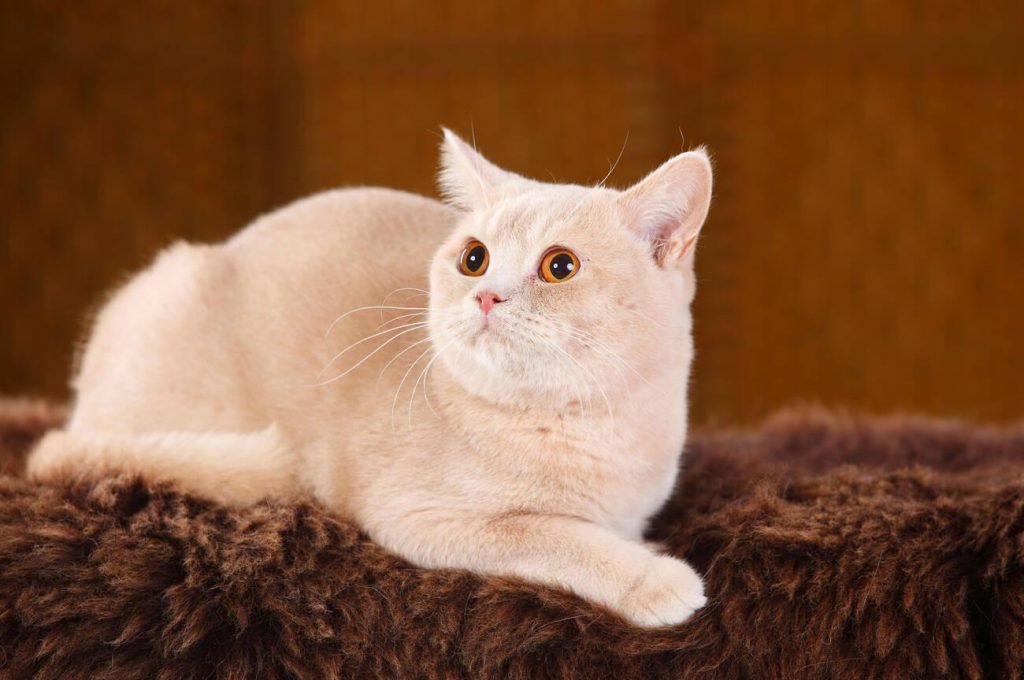
If you own a British Shorthair cat or are thinking about bringing one into your home, understanding their health is crucial. You want your furry friend to live a long, happy life, but like all breeds, British Shorthairs have specific health issues you should know about.
By learning what to watch for, you can catch problems early and keep your cat feeling great. Keep reading to discover the common health concerns and how you can protect your beloved pet every step of the way.
Common Health Problems
British Shorthair cats are charming companions, but they come with their own set of health concerns you should watch for. Knowing these common issues helps you spot problems early and keep your cat comfortable. Are you prepared to recognize the signs and take action?
Hypertrophic Cardiomyopathy
Hypertrophic Cardiomyopathy (HCM) is a heart condition where the heart muscle thickens, making it harder for the heart to pump blood effectively. Many British Shorthairs can develop HCM without obvious symptoms at first.
Regular veterinary check-ups, including heart scans, are vital. If your cat shows signs like difficulty breathing, lethargy, or fainting, don’t wait to get a vet’s opinion.
Polycystic Kidney Disease
Polycystic Kidney Disease (PKD) causes fluid-filled cysts to grow in the kidneys, leading to kidney failure over time. This inherited condition can be detected early through ultrasound screenings.
Watch for increased thirst, frequent urination, or weight loss. Early diagnosis can slow disease progression and improve your cat’s quality of life.
Obesity Risks
British Shorthairs love lounging, but too much inactivity can lead to obesity. Excess weight stresses joints and organs, raising the risk of diabetes and arthritis.
Keep your cat active with interactive toys and controlled feeding portions. Have you noticed if your cat struggles to jump or seems sluggish?
Dental Issues
Dental problems like gingivitis and tooth decay are common in British Shorthairs. Poor dental health can cause pain and affect eating habits.
Regular teeth brushing and dental check-ups are essential. Look out for bad breath, drooling, or reluctance to eat—these signs need prompt attention.
Signs To Watch For
Knowing the early signs of health issues in your British Shorthair can make all the difference in getting timely care. These cats are usually sturdy, but subtle changes in their behavior or physical condition can signal problems. Paying close attention to these signs helps you protect your furry friend before things get worse.
Changes In Appetite
If your British Shorthair suddenly eats much less or more than usual, it’s a red flag. A decreased appetite might mean dental pain, digestive problems, or illness. On the other hand, increased hunger could point to issues like diabetes or thyroid problems.
Have you noticed your cat avoiding favorite treats or skipping meals? These small shifts often go unnoticed but are important to catch early. Keep track of meal times and portion sizes to spot any unusual patterns.
Lethargy And Weakness
British Shorthairs are known for being calm, but a sharp drop in energy levels is concerning. If your cat is unusually tired, sleeps more than normal, or struggles to jump or play, it could mean something is wrong.
Remember, a lazy afternoon is normal, but persistent weakness is not. Don’t ignore signs like slow movements or reluctance to engage in activities they once loved.
Breathing Difficulties
Rapid breathing, coughing, or wheezing are urgent signs to watch for. These symptoms might indicate respiratory infections, asthma, or heart problems.
Observe if your cat is breathing with an open mouth or showing signs of distress. Immediate veterinary attention is crucial if you see these symptoms.
Behavioral Changes
Sudden shifts in your British Shorthair’s personality can be telling. Aggression, hiding, or increased vocalization often reflect discomfort or pain.
Think about how your cat usually acts—any unexplained change might mean they are struggling. Checking for other physical signs alongside these behaviors can help you decide when to seek help.
Preventive Care Tips
Keeping your British Shorthair healthy means focusing on prevention rather than cure. You can spot potential problems early and avoid costly treatments by following some simple care routines. Here are key tips that help your cat stay strong and happy over the years.
Regular Vet Checkups
Schedule vet visits at least twice a year to catch health issues before they become serious. Your vet can monitor weight, check for heart or kidney problems, and update vaccinations. I once delayed a checkup, and my cat developed a silent urinary tract infection that could have been treated sooner.
Ask your vet about breed-specific concerns like hypertrophic cardiomyopathy or kidney disease. Early screening tests can make a big difference in managing these conditions.
Balanced Diet Plans
Feed your British Shorthair a diet rich in protein and low in carbs to maintain ideal weight and muscle tone. Avoid feeding too many treats or table scraps, which can lead to obesity—a common issue in this breed.
- Choose high-quality commercial cat food formulated for adult cats.
- Consider supplements like omega-3 fatty acids for coat and joint health.
- Provide fresh water daily and monitor your cat’s hydration.
Have you noticed how picky your cat can be? Experiment with different flavors and textures to find what keeps your feline friend excited about mealtime.
Exercise And Activity
British Shorthairs tend to be less active, so encouraging regular play is essential to prevent weight gain and boredom. Use toys like feather wands or laser pointers to stimulate movement and mental alertness.
Try setting up climbing shelves or puzzle feeders to engage your cat physically and mentally. These small changes can improve overall health and reduce stress.
Dental Hygiene Practices
Dental disease often goes unnoticed but can cause serious pain and infections. Brush your cat’s teeth regularly using a pet-safe toothpaste to prevent plaque buildup.
Start dental care when your cat is young to make it a positive experience. If brushing isn’t possible, dental treats and toys designed to reduce tartar can help maintain oral health.
Have you checked your cat’s breath lately? Bad breath can be a sign of dental problems that need attention.

Credit: en.britishvillage.com.br
Genetic Screening Importance
Genetic screening plays a key role in keeping British Shorthair cats healthy. This process helps reveal hidden hereditary problems early. It guides breeders and owners to make better decisions for the cat’s well-being. Understanding genetic risks protects future generations from serious diseases.
Identifying Hereditary Risks
Genetic screening spots inherited health issues in British Shorthairs. Common problems like hypertrophic cardiomyopathy (HCM) and polycystic kidney disease (PKD) can be detected. Early knowledge prevents passing these risks to kittens. It also helps plan proper care for affected cats.
Breeder Responsibilities
Breeders must use genetic tests to ensure healthy litters. Avoiding cats with known genetic defects reduces disease spread. Responsible breeding improves the breed’s overall health. Sharing test results with buyers builds trust and promotes transparency.
Early Detection Benefits
Finding genetic problems early allows prompt treatment. It improves the cat’s quality of life and lifespan. Owners can monitor health closely and avoid sudden issues. Early care reduces costly vet visits and stress for both cat and owner.
Managing Chronic Conditions
Managing chronic conditions in British Shorthair cats requires careful attention and ongoing care. These cats may face health challenges like kidney disease or arthritis that need steady management. Understanding how to handle these issues improves your cat’s quality of life. It also helps prevent complications and keeps your pet comfortable.
Medication And Treatment
Veterinarians often prescribe medications to control chronic illnesses. Follow the dosage and schedule exactly as advised. Never change or stop medicines without professional guidance. Some treatments include:
- Anti-inflammatory drugs for arthritis
- Medications to support kidney function
- Supplements for joint health
Proper medication helps slow disease progression and reduces symptoms. Always watch for side effects or unusual behavior.
Lifestyle Adjustments
Adjusting your cat’s daily routine supports their health. Provide a quiet, comfortable space for rest. Maintain a balanced diet tailored to their condition. Encourage gentle exercise to keep muscles strong. Avoid stress by keeping a calm environment. Small changes make a big difference in managing chronic conditions.
Monitoring And Follow-ups
Regular vet visits are crucial for chronic condition management. These check-ups track your cat’s health and treatment effectiveness. Keep a health diary noting any changes in behavior or appetite. Early detection of problems allows timely intervention. Stay vigilant to maintain your British Shorthair’s well-being.

Credit: wildearth.com
Emergency Signs
Recognizing emergency signs in your British Shorthair cat can save its life. These cats may hide pain or illness until it becomes severe. Acting fast at the first signs of trouble is critical. Knowing what to watch for helps you respond quickly and get urgent care.
Sudden Breathing Issues
Watch for fast or labored breathing. Open-mouth breathing or gasping is serious. Your cat may wheeze or cough. Pale or blue gums signal low oxygen. These signs need immediate veterinary attention.
Severe Lethargy
If your cat suddenly becomes very weak or unresponsive, alarm bells should ring. Lack of energy and refusal to move or eat are dangerous symptoms. This could indicate infection, poisoning, or heart trouble.
Uncontrolled Vomiting
Vomiting that won’t stop can cause dehydration quickly. Watch for repeated dry heaves or vomiting with blood. This might mean blockage, poisoning, or severe illness. Urgent care is essential to prevent complications.
Collapse Or Seizures
Sudden collapse or seizures require immediate help. Loss of consciousness or convulsions can indicate serious brain or heart problems. Stay calm and keep your cat safe until you reach a vet.

Credit: justcatsclinic.com
Frequently Asked Questions
What Common Health Issues Affect British Shorthair Cats?
British Shorthair cats often face hypertrophic cardiomyopathy, obesity, and dental problems. Regular vet check-ups help detect and manage these issues early, ensuring a healthy, happy pet.
How To Prevent Obesity In British Shorthair Cats?
Prevent obesity by feeding balanced portions and encouraging daily play. Avoid overfeeding treats, and consult your vet for personalized diet plans to maintain ideal weight and health.
Are British Shorthair Cats Prone To Heart Diseases?
Yes, British Shorthair cats are prone to hypertrophic cardiomyopathy. Regular heart screenings by a vet can help detect this condition early and improve treatment outcomes.
What Are Signs Of Dental Problems In British Shorthairs?
Signs include bad breath, difficulty eating, and swollen gums. Regular dental check-ups and proper oral hygiene are essential to prevent dental diseases in British Shorthair cats.
Conclusion
British Shorthair cats can face some health challenges. Knowing these issues helps you care better. Regular vet visits catch problems early and keep cats healthy. Feeding good food and giving exercise supports their well-being. Watch for signs like changes in eating or energy.
Early action can make a big difference. Enjoy your pet’s company by keeping them strong and happy. Taking care is simple with right knowledge and love. Keep learning about your cat’s needs every day. Healthy cats bring joy to your home.
