

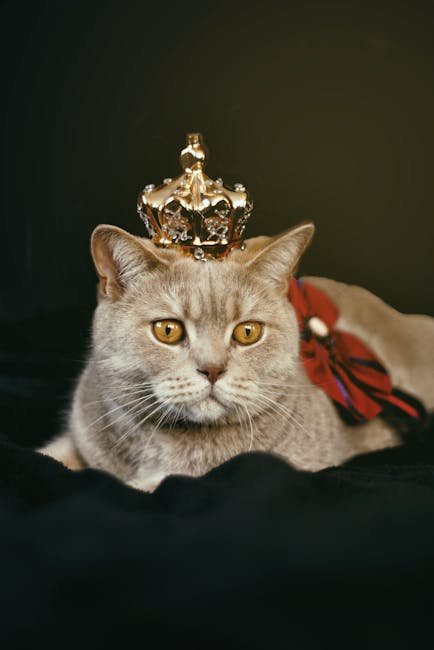
Are you curious about the charming cats that come from Britain? British cat breeds have a unique blend of beauty, personality, and history that make them stand out.
Whether you want a playful companion or a calm, loving pet, these cats might be just what you’re looking for. Keep reading to discover the most popular British cat breeds and find out which one could be the perfect fit for your home.
Your new furry friend might be closer than you think!
Popular British Cat Breeds
British cat breeds have a charm that’s hard to resist. They combine unique looks with friendly personalities, making them favorites in many homes. Whether you want a cuddly companion or a playful friend, these breeds offer a lot to love.
British Shorthair
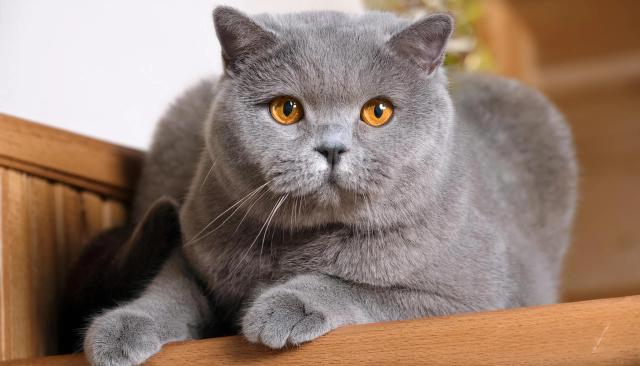
The British Shorthair is famous for its dense, plush coat and round face. This breed has a calm and easygoing nature, which makes it perfect for families. Their copper or gold eyes can melt your heart instantly.
Owning a British Shorthair means enjoying a cat that’s both independent and affectionate. They don’t demand constant attention but love being near you. Have you noticed how their soft fur almost invites you to pet them endlessly?
Scottish Fold
Scottish Folds stand out with their unique folded ears that give them an owl-like appearance. Their sweet temperament makes them great companions for both kids and adults. These cats are known to be playful yet gentle.
One surprising fact is their adaptability to various living spaces. Whether you live in a cozy apartment or a large house, Scottish Folds adjust well. Could their calm behavior be the reason they fit into so many homes?
Cornish Rex
The Cornish Rex has a curly, soft coat that feels like velvet to the touch. This breed is energetic and loves to jump and explore, making them perfect if you enjoy an active pet. Their slender bodies add to their graceful movements.
They crave interaction and can get bored quickly, so you’ll need to keep them entertained. Have you tried playing with a cat that seems to bounce around endlessly? That’s the Cornish Rex for you.
Devon Rex
Devon Rex cats sport large ears and big eyes that give them an elfin look. They are known for their playful and mischievous personality. If you want a cat that acts more like a dog, this breed might be your match.
They love being the center of attention and often follow you around the house. Imagine a pet that greets you at the door every day—Devon Rex cats are just like that. How would it feel to have such constant companionship?
Manx
The Manx is famous for having no tail or just a small stub, which adds to its unique silhouette. They are sturdy and intelligent cats that enjoy interactive play. Their strong build makes them excellent jumpers and climbers.
Manx cats often form strong bonds with their owners and can be quite protective. Have you ever met a cat that acts like a loyal guardian? The Manx might surprise you with its devotion.

Credit: goofytails.com
Distinctive Traits Of British Cats
British cats have a charm that’s hard to miss. Their distinctive traits go beyond just looks—they carry unique characteristics that make them stand out. Understanding these traits will help you appreciate their nature and decide if they fit your lifestyle.
Physical Characteristics
British cats often have a sturdy, muscular build with a broad chest and strong legs. Their round faces are framed by full cheeks and large, expressive eyes that can be copper, blue, or green depending on the breed variant.
Their dense coat is one of their most famous features. It feels plush and soft, often described as “crisp” to the touch. Colors range from classic British Blue to a variety of patterns including tabby, bicolor, and colorpoint.
Have you noticed how their thick tail and rounded ears add to their overall cuddly appearance? This physical design isn’t just for show—it helps them adapt to cooler climates by providing extra warmth.
Personality And Temperament
British cats are known for their calm and balanced nature. They tend to be affectionate without being overly demanding of attention, making them great companions for quieter households.
They often enjoy interactive play but are equally happy lounging around. This mix of playfulness and relaxation makes them flexible friends who won’t overwhelm your day but will brighten your quiet moments.
Have you experienced a cat that greets you calmly at the door? British cats often form strong bonds with their owners, showing loyalty and gentle affection that feels like a quiet, steady friendship.
Adaptability And Care Needs
British cats adjust well to indoor living, but they do appreciate some outdoor time in a safe environment. Their low-maintenance coat requires regular brushing to keep it in good condition, especially during shedding seasons.
They thrive on routine and respond well to consistent feeding and play schedules. This makes caring for them straightforward if you maintain daily interaction and grooming.
Are you prepared to offer a calm, structured environment? British cats flourish in spaces where they feel secure and loved, so your daily routine plays a big role in their happiness and health.
History And Origins
The history and origins of British cat breeds reveal a fascinating journey shaped by time, environment, and human influence. Understanding their roots not only deepens your appreciation of these cats but also offers insights into their unique traits and behaviors. Let’s take a closer look at how these beloved breeds came to be.
Ancient Roots
British cats have a lineage that stretches back thousands of years. Archaeological finds show that cats resembling the modern British Shorthair roamed the British Isles during the Roman occupation. These early cats likely helped control pests, making them valuable companions to farmers and villagers.
Imagine the sturdy cats you see today, evolving quietly alongside human settlements. Their physical traits were shaped by the island’s climate and lifestyle, favoring robust bodies and thick coats. This natural adaptation made them perfect for the often chilly and damp British weather.
Development Through Centuries
Over centuries, these cats were bred selectively for traits like size, coat texture, and temperament. Victorian breeders played a key role in establishing the British Shorthair as a distinct breed by focusing on their round faces and dense fur. This period marked the start of formal cat shows, boosting the breed’s popularity.
Have you noticed how calm and easygoing British cats tend to be? That temperament was carefully preserved through selective breeding, making them ideal indoor pets for families. Their development highlights how human preferences and natural selection combined to shape a truly unique breed.
Influence On Global Cat Breeds
British cat breeds have also influenced many other breeds worldwide. The British Shorthair’s sturdy build and plush coat contributed to the development of breeds like the American Shorthair. Breeders used British cats to add hardiness and temperament to newer breeds.
When you consider the global cat population, it’s clear these British breeds left a lasting mark. Their genetic legacy lives on far beyond the UK, showing how a local breed can impact feline diversity globally. Have you ever wondered how your cat’s characteristics might trace back to these British ancestors?
Choosing The Right British Cat
Choosing the right British cat means understanding both the breed’s personality and how it fits your daily life. These cats are known for their calm and affectionate nature, but each breed has its unique traits. Taking time to consider your lifestyle, health needs, and adoption options can help you find a feline friend who truly matches your home.
Matching Lifestyle And Breed
British Shorthairs enjoy quiet environments and gentle play, making them perfect for calm households. If you lead an active lifestyle, a British Longhair might offer more interactive energy, but be ready for regular grooming sessions. Think about your daily routine: can you give your cat the attention and care it needs?
Ask yourself: Do you want a low-maintenance companion or one that engages more with play? Cats like the British Blue coat type often prefer lounging and mild interaction, ideal if you work from home or enjoy relaxing evenings. Matching your cat’s energy to your lifestyle helps create a lasting bond.
Health Considerations
British cat breeds tend to be sturdy, but some are prone to specific health issues like hypertrophic cardiomyopathy or obesity. Regular vet check-ups and a balanced diet are essential to keep your cat in top shape. Make sure you research breed-specific health concerns before making a decision.
Consider your ability to manage potential health problems. For instance, British Longhairs might require more dental care and grooming to avoid common issues. Understanding these needs early can save you time, money, and stress down the line.
Adoption Vs. Breeder Options
Deciding between adopting a British cat or buying from a breeder can be challenging. Adoption centers sometimes have British cats or mixes that need loving homes, which can be a rewarding choice. However, breeders offer kittens with known lineage and health histories.
If you choose a breeder, look for one who tests for genetic conditions and raises cats in healthy environments. Adoption might surprise you with a mature cat whose personality is already clear. Reflect on whether you want a kitten to raise or a calm adult cat to welcome into your home.
Caring For British Cat Breeds
British cat breeds are known for their calm nature and dense coats. Caring for them requires simple but consistent attention. Their health and happiness depend on proper grooming, diet, and exercise. Understanding their needs helps keep them strong and content.
Grooming Tips
British cats have thick fur that needs regular brushing. Brush their coat at least twice a week. This removes loose hair and prevents mats. Pay attention to the areas behind the ears and under the legs. Check their nails and trim them carefully. Clean their eyes and ears gently with a soft cloth. Regular grooming helps reduce shedding and keeps the coat shiny.
Nutrition And Diet
Feed British cats a balanced diet with high-quality protein. Choose food that supports their muscle health and energy. Avoid overfeeding to prevent obesity, common in this breed. Provide fresh water at all times. Treats should be given in moderation. Consult a vet for special dietary needs or allergies. A healthy diet supports their overall well-being and longevity.
Exercise And Enrichment
British cats enjoy play but are not overly active. Provide toys that encourage light exercise and mental stimulation. Create safe spaces for climbing and exploring indoors. Interactive play sessions help maintain their fitness and prevent boredom. Puzzle feeders can also keep their mind sharp. Regular activity supports their weight and keeps them happy.
Credit: en.britishvillage.com.br
Famous British Cats In Culture
British cats have left a lasting mark on culture. Their charm and unique traits inspire many stories and characters. From classic books to royal homes, these cats shine in different ways. They are more than pets; they are icons of British heritage and creativity.
Cats In Literature
British cats appear often in famous books. The Cheshire Cat from “Alice in Wonderland” is a classic example. Its mysterious grin captivates readers worldwide. Other novels feature cats as clever or magical creatures. These cats symbolize mystery, wit, and independence in storytelling.
Cats In Media And Films
British cats star in many films and TV shows. Animated characters like Puss in Boots show bravery and charm. Documentaries highlight the beauty and history of British breeds. These appearances help people appreciate the unique traits of British cats.
Royal And Celebrity Cats
British cats have royal connections. Queen Victoria loved her cats and helped popularize breeds like the British Shorthair. Celebrities also share their homes with British cats. These pets often appear in social media and interviews. They show the special bond between famous people and their feline friends.

Credit: www.shutterstock.com
Frequently Asked Questions
What Are The Most Popular British Cat Breeds?
The most popular British cat breeds include the British Shorthair, Scottish Fold, and Cornish Rex. These breeds are well-loved for their unique looks and gentle nature, making them ideal pets for many families.
How Do British Cat Breeds Differ In Temperament?
British cat breeds generally have calm and friendly temperaments. British Shorthairs are affectionate but independent, while Scottish Folds are playful and sociable. Cornish Rex cats are energetic and curious, offering a variety of personalities for different owners.
Are British Shorthairs Good For Families?
Yes, British Shorthairs are excellent family pets. They are gentle, patient, and adapt well to children and other pets. Their easygoing nature makes them suitable for both quiet and active households.
What Makes Scottish Fold Cats Unique?
Scottish Fold cats are famous for their distinctive folded ears. This unique feature, combined with their round faces and large eyes, gives them an adorable appearance. They are also known for their sweet and calm personality.
Conclusion
British cat breeds offer charm and unique traits for every cat lover. Their friendly nature and beautiful looks make them great pets. Each breed has its own story and special qualities. Choosing a British cat means welcoming a loyal and calm friend.
These cats fit well in many homes and lifestyles. Enjoy the joy and comfort they bring to your life. Exploring British cat breeds can be a fun and rewarding journey.
