

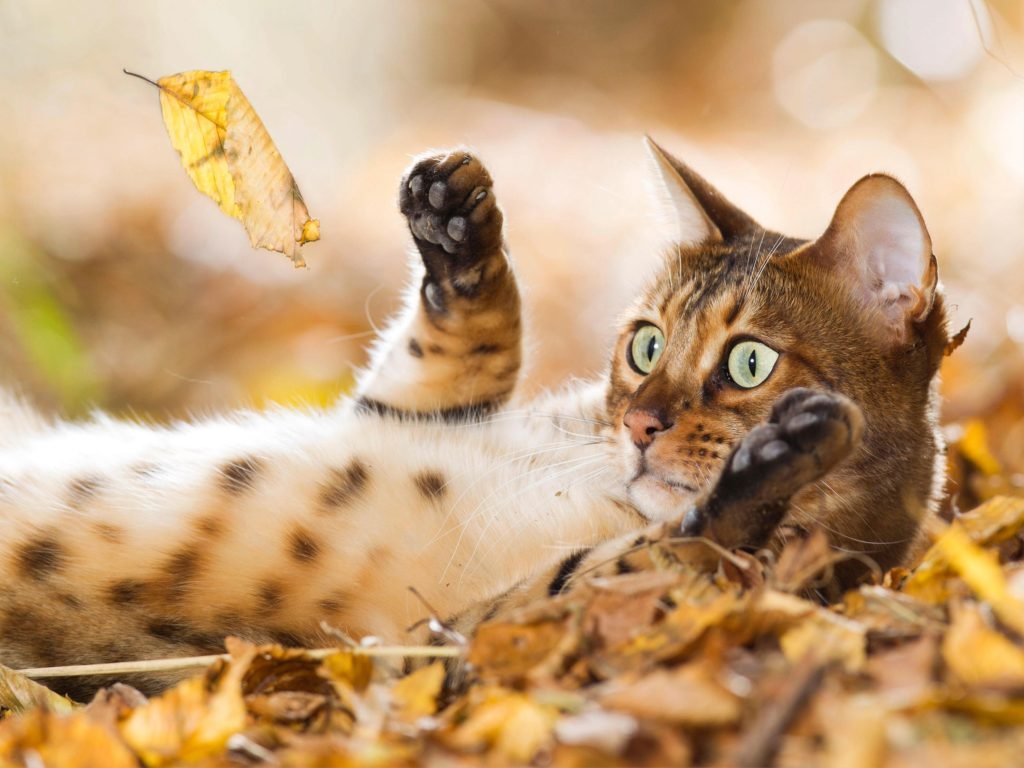
Have you ever wondered about the incredible variety of wild cats roaming the planet? From the stealthy hunters of dense jungles to the majestic rulers of open savannas, wild cats come in many shapes and sizes.
Knowing about these fascinating breeds can open your eyes to nature’s hidden wonders and help you appreciate the power, beauty, and mystery behind each species. You’ll discover the most captivating breeds of wild cats and what makes each one unique.
Get ready to dive into a world where strength meets elegance, and every cat has a story waiting just for you.
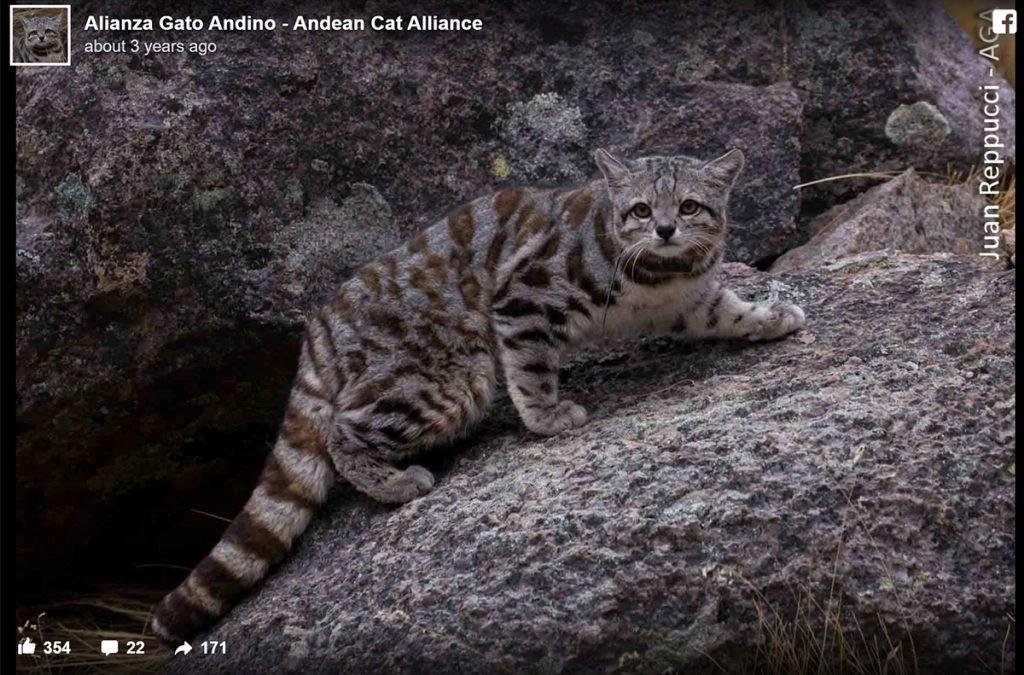
Credit: www.thewildlifediaries.com
Big Cats In The Wild
Big cats are some of the most fascinating creatures roaming the wild. These powerful predators play crucial roles in their ecosystems and captivate us with their strength and beauty. Understanding their unique traits helps you appreciate how they survive and thrive in diverse environments.
Lions: Kings Of The Savanna
Lions are social animals, living in groups called prides. This teamwork allows them to hunt larger prey and protect their territory more effectively. Have you ever wondered how their loud roar can be heard up to 5 miles away? It’s a key tool to communicate and warn rivals.
Male lions stand out with their impressive manes, which protect their necks during fights. Females do most of the hunting, targeting animals like zebras and wildebeests. Their cooperative hunting style teaches us the power of working together toward a common goal.
Tigers: Striped Solitary Hunters
Tigers are the largest of all wild cats and prefer to hunt alone. Their stripes act like fingerprints, unique to each tiger, helping you identify individuals in the wild. These stripes also provide excellent camouflage in dense forests and tall grasses.
Unlike lions, tigers rely on stealth and patience to catch their prey, often stalking silently before a sudden attack. They mainly hunt deer, wild boar, and sometimes even larger animals. Imagine the focus and patience you need to match a tiger’s hunting skills!
Leopards: Masters Of Stealth
Leopards are known for their incredible ability to blend into their surroundings. Their spotted coats help them disappear in trees or tall grass, making them expert ambush predators. They often carry their kills up into trees to keep them safe from scavengers.
Leopards are adaptable and can live in a variety of habitats, from forests to deserts. Their solitary nature and secretive behavior make them harder to spot, but their presence is vital for controlling smaller animal populations. How would your life change if you could move as silently and unseen as a leopard?
Jaguars: Powerful Predators Of The Americas
Jaguars are the strongest big cats in the Americas, known for their muscular build and powerful bite. They can crush the skulls of their prey, which includes caimans, capybaras, and even turtles. Their rosettes are similar to leopards but larger and more complex.
These cats are excellent swimmers and often hunt in rivers and wetlands. Jaguars’ ability to thrive in both dense jungles and open wetlands shows their incredible versatility. What lessons can you take from their adaptability to face challenges in your own life?
Small Wild Cat Species
Small wild cat species often get overshadowed by their larger cousins, but they bring unique charm and fascinating behaviors to the wild. These cats are masters of stealth and survival, thriving in diverse habitats from wetlands to savannahs. As you learn about them, you might start seeing these elusive hunters in a new light.
Caracals: The Ear-tufted Hunters
Caracals stand out with their striking black ear tufts that give them a sharp, alert look. These cats are incredible jumpers, able to leap high enough to snatch birds mid-flight. Their agility and powerful legs make them exceptional hunters, especially in open landscapes.
If you’ve ever wondered how a cat can catch prey in mid-air, the caracal offers a perfect example. Watching videos of their hunting skills might inspire you to appreciate their precision and athleticism even more.
Servals: Long-legged Stalkers
Servals have the longest legs relative to body size among wild cats, helping them move silently through tall grasses. Their large ears pick up the faintest sounds, guiding them to hidden prey underground or in dense vegetation. This combination of height and hearing gives them a hunting advantage.
Imagine walking quietly through a savannah and sensing movement you can’t see—that’s the serval’s world. Their stealth and patience remind us how much skill goes into every successful hunt in the wild.
Ocelots: Spotted Night Hunters
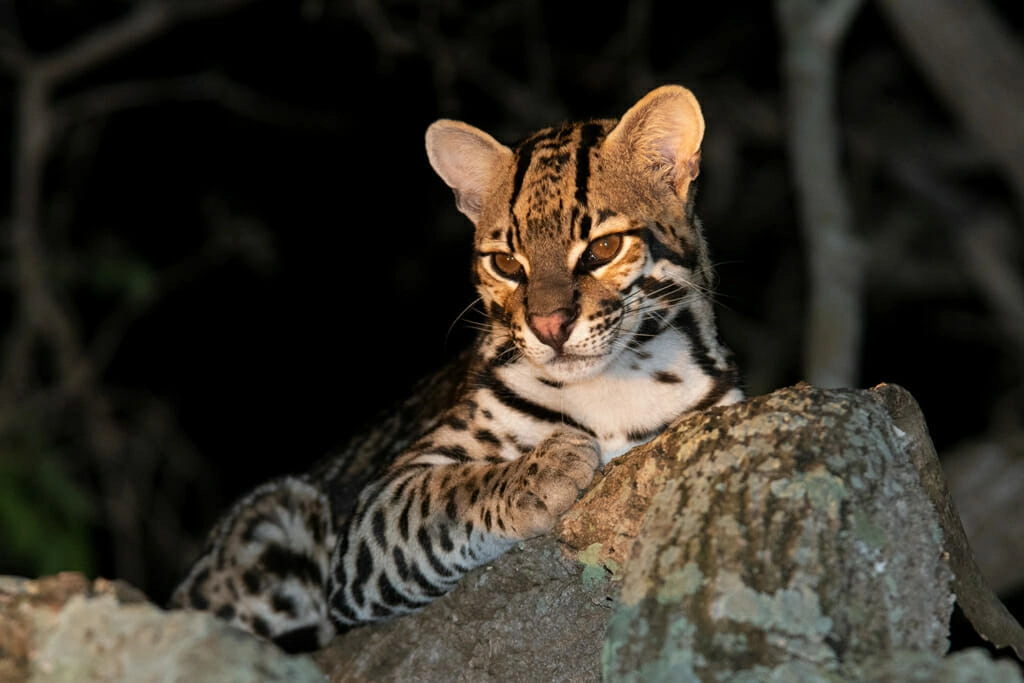
Ocelots are nocturnal cats with beautiful spotted coats that act as natural camouflage in the forest shadows. They hunt mostly at night, relying on keen eyesight and hearing to catch rodents, birds, and reptiles. Their adaptability allows them to thrive in various environments, from rainforests to scrublands.
Have you ever thought about how animals survive in the dark? Ocelots show that sharp senses and patience can turn night into an opportunity rather than a challenge.
Fishing Cats: Wetland Specialists
Fishing cats are unique among small wild cats because they love water. They hunt fish and other aquatic creatures, using their partially webbed paws to swim and catch slippery prey. These cats are a reminder that wild cats aren’t just land hunters—they can be expert fishers too.
Next time you think about cats, consider their incredible ability to adapt to watery habitats. Fishing cats challenge the idea that cats dislike water and prove nature’s creativity in action.
Adaptations For Survival
Wild cats have developed incredible adaptations that help them survive in some of the toughest environments on earth. These traits are not just random; they are finely tuned tools that improve their chances of hunting, hiding, and thriving. Understanding these adaptations gives you a deeper appreciation for how these animals live and succeed in the wild.
Camouflage And Coat Patterns
Wild cats use their coat patterns to blend seamlessly into their surroundings. Spots, stripes, and rosettes break up their outline, making it easier to stay hidden from both prey and predators. Take the leopard, for example—its rosette pattern blends perfectly with the dappled light of the forest, giving it a stealth advantage.
Have you ever noticed how some cats in sandy deserts have lighter coats? This helps them avoid detection in open, arid areas. Your environment shapes your appearance, just like it does for these cats.
Hunting Techniques
Every wild cat species has honed unique hunting skills tailored to its prey and habitat. Some, like the cheetah, rely on explosive speed to catch fast-moving animals, while others, such as the lynx, use patience and stealth to ambush.
Watching a wild cat stalk silently before pouncing can teach you a lot about patience and timing. Could you apply that same focus in your daily challenges?
Habitat Preferences
Wild cats choose habitats that offer both shelter and food. Tigers prefer dense forests with plenty of cover, while bobcats thrive in mixed woodlands and brushy areas. These preferences influence their survival strategies.
Knowing the right environment is crucial, not just for cats but for you as well. Are you placing yourself in situations where you can best use your skills?
Physical Strength And Agility
Wild cats combine power with grace. Their muscular bodies allow them to leap great distances, climb trees, and overpower prey much larger than themselves. The mountain lion’s ability to scale steep cliffs is a testament to this blend of strength and agility.
Think about how you move through your own challenges. Could you become more agile or stronger in your approach?
Credit: www.thewildlifediaries.com
Conservation Status
Wild cats face many challenges in the wild. Their conservation status varies among species, with some at high risk of extinction. Understanding these risks helps protect them. It also guides efforts to save their populations and habitats.
Threats Facing Wild Cats
Wild cats suffer from habitat loss and fragmentation. Poaching and illegal trade also threaten their survival. Human-wildlife conflict causes many deaths each year. Climate change affects prey availability and habitat conditions.
Efforts To Protect Habitats
Protecting natural habitats is key to wild cat survival. Governments create protected areas and national parks. Restoring damaged ecosystems helps rebuild animal homes. Laws regulate hunting and land use to reduce harm.
Role Of Wildlife Reserves
Wildlife reserves offer safe zones for wild cats. They limit human access and reduce poaching risks. Reserves monitor cat populations and health regularly. These areas help maintain genetic diversity and breeding success.
Community Involvement In Conservation
Local communities play a vital role in conservation. Education raises awareness about wild cats and their needs. Community patrols help stop illegal hunting and logging. Sustainable tourism provides income and supports protection efforts.
Wild Cats In Culture And Myth
Wild cats have fascinated humans for centuries, not just for their beauty and agility but also for the deep meanings they hold in various cultures and myths. These creatures often appear as symbols of power, mystery, and spirituality. Understanding how wild cats are woven into human stories and beliefs can change the way you see these animals in the wild.
Symbolism Across Civilizations
Wild cats like lions, tigers, and leopards carry powerful symbolism in many cultures. In ancient Egypt, the goddess Bastet was depicted as a lioness or a woman with a cat’s head, symbolizing protection and fertility.
In India, the tiger is seen as a symbol of strength and courage, often linked to the goddess Durga.
Have you noticed how these animals symbolize both danger and guardianship? This dual role makes wild cats intriguing figures across civilizations.
Wild Cats In Folklore And Legends
Folklore worldwide features wild cats as shape-shifters, guardians, or even tricksters. The Scottish legend of the Cat Sìth tells of a fairy cat that could steal souls, blending fear with mysticism.
Japanese folklore includes the bakeneko, a cat with supernatural powers that can manipulate humans and objects.
These stories invite you to think about wild cats beyond their physical presence—what might their mysterious behaviors have inspired in your own culture?
Impact On Art And Literature
Wild cats have inspired countless artists and writers, from ancient murals to modern novels. The roaring lion often appears in medieval coats of arms, symbolizing bravery and nobility.
Writers like Rudyard Kipling and Edgar Allan Poe have used wild cats to evoke wildness, danger, and independence in their stories.
Next time you see a painting or read a book featuring a wild cat, consider the emotions and ideas the artist or author wanted to spark in you.
Credit: www.rewild.org
Frequently Asked Questions
What Are The Most Common Wild Cat Breeds?
The most common wild cat breeds include lions, tigers, leopards, jaguars, and cheetahs. Each has unique features and habitats.
How Do Wild Cats Differ From Domestic Cats?
Wild cats are larger, have stronger hunting instincts, and live in natural habitats. Domestic cats are smaller and adapted to human homes.
Where Can Wild Cats Be Found Globally?
Wild cats inhabit forests, grasslands, and mountains worldwide. They are found in Africa, Asia, the Americas, and some parts of Europe.
What Are The Main Threats To Wild Cat Species?
Habitat loss, poaching, and human-wildlife conflict are major threats. Conservation efforts focus on protecting habitats and reducing illegal hunting.
Conclusion
Wild cats come in many shapes and sizes. Each breed has unique traits and habits. They live in forests, mountains, and deserts. These cats play important roles in nature. Protecting their habitats helps keep balance in ecosystems. Learning about wild cats builds respect and care for wildlife.
Their beauty and strength inspire many people. Exploring wild cat breeds brings wonder and knowledge. Nature’s diversity shows in every wild cat breed. Keep appreciating these amazing animals every day.
