

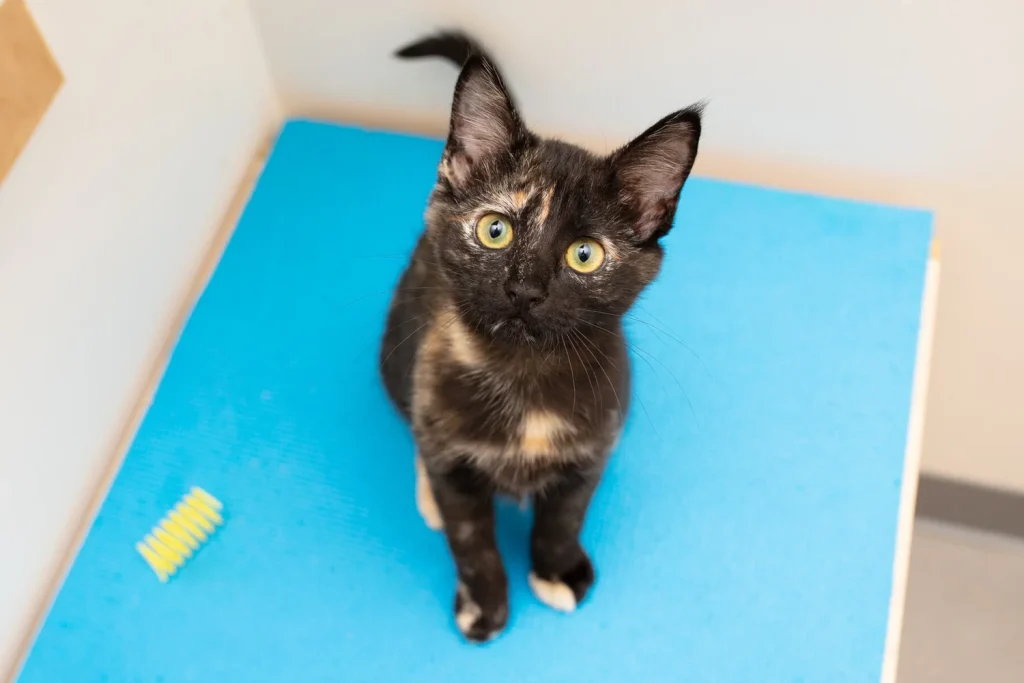
Are you fascinated by the mysterious allure of tortoiseshell cats? With their striking patterns and vibrant colors, these unique felines captivate the hearts of many cat enthusiasts.
But did you know that tortoiseshell isn’t a breed, but rather a mesmerizing coat color found across various cat breeds? This fascinating fact is just the beginning of what you’ll discover as you delve into the world of tortoiseshell cats.
If you’ve ever been curious about these beautiful creatures, you’re in the right place. Stick around to learn more about the breeds that can sport this stunning coat and uncover the myths and truths that surround these enchanting cats. Get ready to be charmed by their beauty and intrigued by their mystery.
Tortoiseshell Coat Patterns
The tortoiseshell coat pattern is one of the most captivating and unique looks you can find on a cat. These patterns combine patches of black, orange, and sometimes white in a way that makes each cat truly one of a kind. Understanding the variations within tortoiseshell coats can help you better appreciate the beauty and genetics behind these fascinating felines.
Classic Tortoiseshell
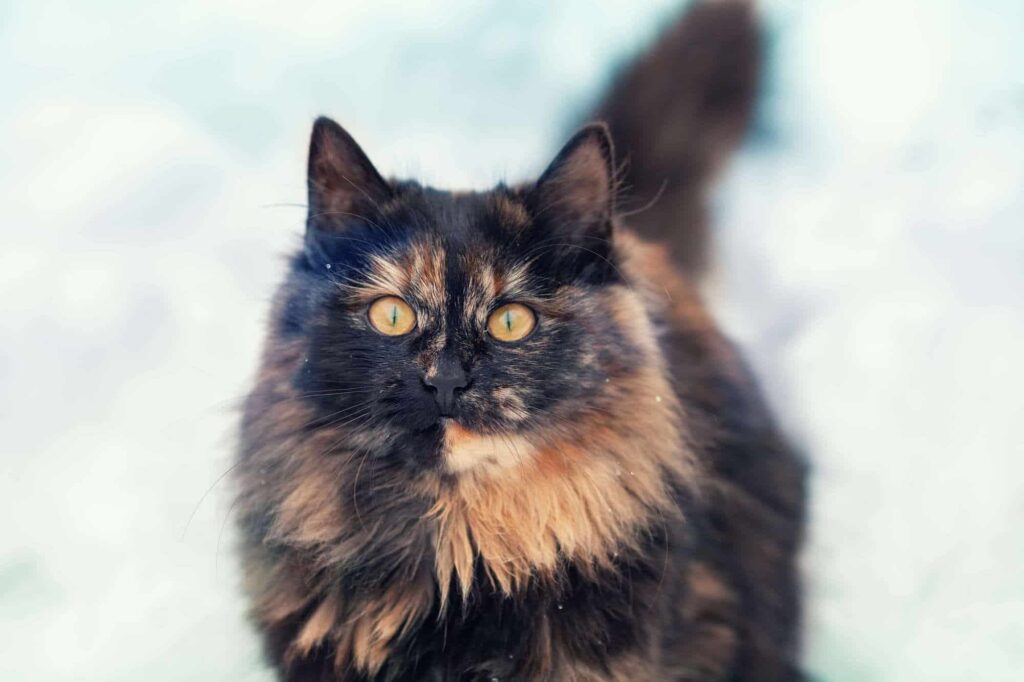
Classic tortoiseshell cats display a rich mix of black and orange fur, often with a mottled, almost random appearance. The colors blend into each other without clear separation, creating a warm, patchy look. If you’ve ever seen a cat that seems to wear a natural mosaic, it was likely a classic tortoiseshell.
These cats tend to have striking, vibrant colors and a lively personality to match. Their coats rarely have white, making the black and orange hues stand out even more. Have you noticed how no two classic tortoiseshell cats look exactly the same? That’s because their coat patterns are as unique as fingerprints.
Dilute Tortoiseshell
Dilute tortoiseshell cats feature the same patchy pattern as classic tortoiseshells but with softer, pastel colors. Instead of deep black and bright orange, you’ll see gray and cream tones that give the cat a more muted, gentle appearance. These dilute colors are caused by a genetic variation affecting pigment intensity.
In my experience, dilute tortoiseshells often seem calmer and more reserved, though personality varies widely. Their soft hues can make them blend beautifully into cozy home environments. Have you ever met a dilute tortoiseshell and noticed how their subtle coloring can be surprisingly eye-catching?
Calico Vs Tortoiseshell
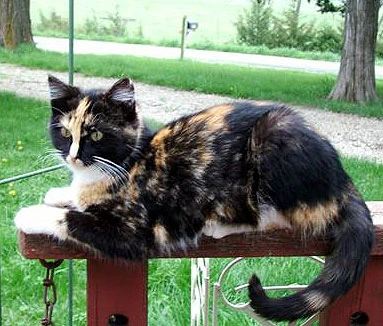
Many people confuse calico and tortoiseshell cats, but the key difference lies in the presence of white fur. Calico cats have large, distinct patches of white combined with black and orange, while tortoiseshell cats have little to no white in their coats. This difference creates a more contrasting and bold appearance in calicos.
Think about the last cat you saw with three colors—did the white stand out sharply or was it mostly just black and orange mixed? That’s your quick way to tell a calico from a tortoiseshell. How does knowing this difference change how you see these cats at your local shelter or in photos?
Credit: rawznaturalpetfood.com
Popular Tortoiseshell Cat Breeds
Tortoiseshell cats captivate many with their unique, mottled coats of black, orange, and cream. These striking patterns can appear across various breeds, each bringing its own charm and personality to the tortoiseshell look. Let’s look at some popular tortoiseshell cat breeds that you might find fascinating.
American Shorthair
The American Shorthair is known for its sturdy build and gentle nature. Its tortoiseshell pattern often displays a beautiful blend of vibrant colors that stand out against its muscular frame. If you want a playful and adaptable companion, this breed could be your perfect match.
British Shorthair
British Shorthairs offer a plush, dense coat that makes their tortoiseshell colors look even more striking. They are calm and easygoing, great for families or individuals seeking a low-maintenance yet affectionate pet. Have you noticed how their round faces add to their overall charm?
Maine Coon
Maine Coons are large, fluffy cats with a friendly personality, often sporting tortoiseshell coats that highlight their thick fur. Their playful and social behavior makes them great for active households. Imagine your home filled with the lively energy of a tortoiseshell Maine Coon!
Persian
Persians with tortoiseshell patterns combine elegance with a luxurious, long coat that requires regular grooming. Their calm and sweet temperament fits well in quiet homes where they receive plenty of attention. Are you ready to invest time in caring for such a beautiful, fluffy companion?
Siberian
The Siberian breed offers a dense triple coat that showcases tortoiseshell colors beautifully, helping them adapt to cold climates. They are affectionate and intelligent, often forming strong bonds with their owners. Could a tortoiseshell Siberian be the loyal friend you are looking for?
Genetics Behind Tortoiseshell Cats
Tortoiseshell cats have a unique and striking coat pattern. Their colors come from interesting genetics involving their chromosomes. Understanding these genetics helps explain why these cats look so special. The color pattern is tied to the X chromosome and how it carries color genes. This section explores how genetics shapes the beautiful tortoiseshell fur.
X Chromosome And Color
Cat fur color genes are often found on the X chromosome. Female cats have two X chromosomes, while males have one X and one Y chromosome. The genes on the X chromosome control the orange and black fur colors.
Each X chromosome can carry a different color gene. One might have the gene for orange fur, and the other the gene for black fur. This mix creates the patchy tortoiseshell pattern. The fur shows both colors in different spots.
Why Most Tortoiseshell Cats Are Female
Since females have two X chromosomes, they can carry two color genes. This allows for the mix of orange and black fur. Males usually have only one X chromosome, so they show just one color.
Rarely, a male cat can be tortoiseshell. This happens if he has an extra X chromosome (XXY). These males often have health issues and are usually sterile.
The genetic link to the X chromosome explains why most tortoiseshell cats are female. It also makes their coat pattern a genetic wonder to admire.
Credit: cats.fandom.com
Personality Traits Of Tortoiseshell Cats
Tortoiseshell cats are known not just for their unique and beautiful coats, but also for their distinctive personalities. These cats often surprise owners with their lively and sometimes unpredictable nature. Understanding their personality traits can help you build a strong bond and enjoy a fulfilling relationship with your tortoiseshell companion.
Temperament
Tortoiseshell cats usually have a spirited and confident temperament. They tend to be very vocal and expressive, often letting you know exactly what they want. You might notice that your tortie is fiercely independent but also deeply affectionate when they choose to be.
These cats are known for their strong-willed nature. Some owners describe their tortoiseshell as having a “tortitude,” meaning they can be stubborn or sassy. But this strong personality can make interactions with them more engaging and rewarding.
Behavioral Patterns
Expect your tortoiseshell cat to be curious and adventurous. They love exploring their environment and often get into playful mischief. They enjoy interactive toys and puzzles that challenge their minds and keep them entertained.
Many tortoiseshell cats develop close bonds with specific family members. They can be protective and even act as little watchdogs in the house. Have you noticed your cat’s unique way of communicating? Paying attention to these signals will deepen your understanding and connection.
Care Tips For Tortoiseshell Cats
Caring for tortoiseshell cats means understanding their unique needs and personality traits. These cats often have lively, independent spirits that benefit from both structure and affection. Giving your tortoiseshell the right care helps maintain their health and happiness, making your bond even stronger.
Grooming Needs
Tortoiseshell cats usually have short to medium fur that doesn’t mat easily, but regular brushing keeps their coat shiny and reduces shedding. Brushing two to three times a week is enough to remove loose hair and prevent hairballs.
Pay attention to their nails and ears too. Trim nails every few weeks, and check ears for dirt or wax buildup during grooming sessions. This small routine helps prevent infections and keeps your cat comfortable.
Health Considerations
Tortoiseshell cats are not prone to specific genetic diseases, but you should watch for common feline health issues like dental disease, obesity, and urinary tract problems.
Regular vet visits are crucial. Your vet can spot early signs of illness and recommend vaccines and parasite control. Have you noticed changes in your cat’s eating or litter habits? These could be early warning signs needing immediate attention.
Also, keep their environment stimulating. Mental and physical exercise lowers stress and supports overall health. You might try puzzle feeders or interactive play sessions tailored to your cat’s energy level.

Credit: www.aol.com
Famous Tortoiseshell Cats In Pop Culture
Tortoiseshell cats are known for their unique and beautiful coats. Their patchwork of black, orange, and cream colors often makes them stand out. These cats have appeared in many famous stories, movies, and shows. Their strong personalities and striking looks make them popular in pop culture.
Many tortoiseshell cats have become beloved characters. They often symbolize mystery, independence, and charm. These cats have inspired fans around the world.
HTML syntax:Famous Tortoiseshell Cats in Pop Culture
Tortoiseshell Cats in Movies
Tortoiseshell Cats in Literature
Tortoiseshell Cats in Television
Frequently Asked Questions
What Defines A Tortoiseshell Cat’s Unique Coat?
A tortoiseshell cat’s coat features a mix of black, orange, and cream patches. This pattern is caused by a genetic variation. It is mostly found in female cats due to X chromosome genetics. No two tortoiseshell coats are exactly alike.
Which Cat Breeds Commonly Have Tortoiseshell Patterns?
Tortoiseshell patterns appear in many breeds, including American Shorthair, British Shorthair, and Persian cats. It is not breed-specific but a coat color variation. Many domestic short-haired and long-haired cats can also display tortoiseshell coloring.
Are Tortoiseshell Cats Mostly Female Or Male?
Most tortoiseshell cats are female because the coat color is linked to the X chromosome. Male tortoiseshell cats are rare and usually sterile. This genetic trait makes female tortoiseshell cats far more common.
Do Tortoiseshell Cats Have Unique Personalities?
Many owners say tortoiseshell cats have distinct, feisty, and affectionate personalities. This trait is sometimes called “tortitude. ” While personality varies by individual, tortoiseshell cats are often lively and loving companions.
Conclusion
Tortoiseshell cats have unique and beautiful coats. Many breeds can show this lovely pattern. Each cat is special with its own colors and personality. These cats bring charm and warmth to any home. Choosing a tortoiseshell cat means welcoming a lively friend.
Their playful nature makes them great companions. Enjoy learning about these wonderful cats and their breeds. They truly add color and joy to life.
