

Are you curious about why your feline friend seems more vocal or restless at certain times of the year? The breeding season for cats can be a fascinating yet challenging period for cat owners.
Understanding this natural cycle can help you better care for your pet and manage any unexpected behavior changes. We’ll uncover the secrets of the breeding season for cats and give you practical tips to navigate it smoothly. Imagine feeling more connected to your cat and knowing exactly what they need when those telltale signs appear.
Keep reading to become the expert your cat needs during this crucial time.

Credit: www.purina.com
Cat Breeding Cycle
The cat breeding cycle is a natural process that prepares female cats for mating. It repeats several times a year and is influenced by light and environment. Understanding this cycle helps cat owners recognize when their cat is ready to breed or needs extra care.
Heat Periods Explained
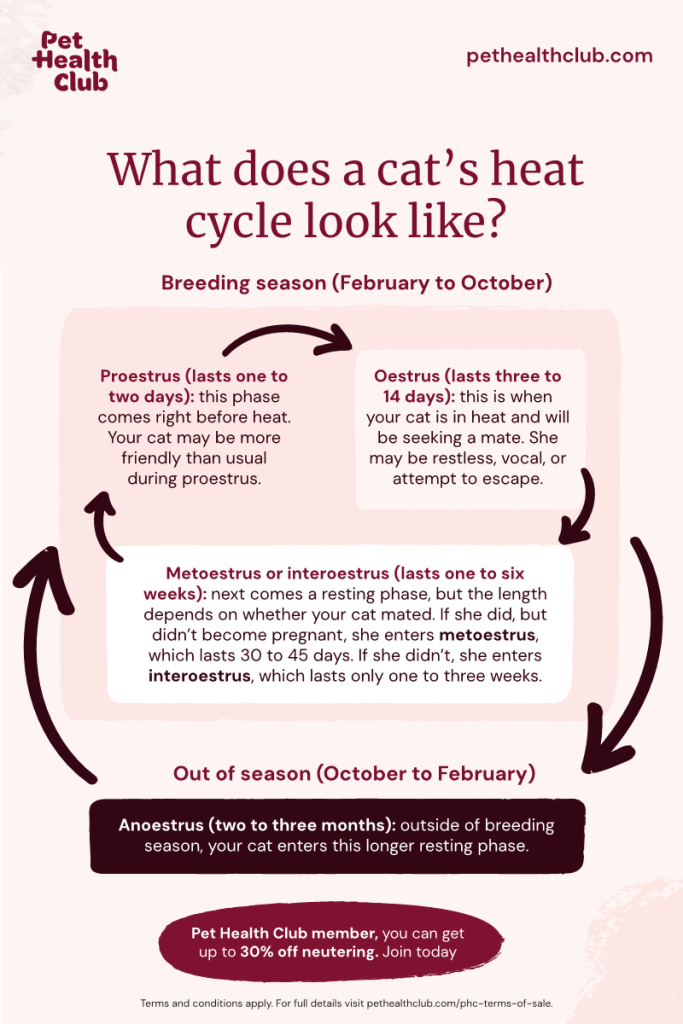
Heat periods, or estrus, are phases when a female cat is fertile and can mate. Each heat lasts about 5 to 10 days. During this time, the cat’s body releases hormones signaling she is ready to breed.
Heat periods have different stages:
- Proestrus:The cat shows early signs but is not yet receptive.
- Estrus:The cat is fertile and seeks attention from males.
- Interestrus:A short break if the cat does not mate.
- Diestrus:After mating, the cat’s body prepares for pregnancy or rests.
Signs Your Cat Is In Heat
Cats show clear signs during heat. Watch for these behaviors:
- Loud, frequent meowing or yowling
- Restlessness and increased affection
- Rubbing against objects or people
- Assuming a mating position with raised rear end
- Spraying urine to attract males
These signs help identify when a cat needs special attention.
Frequency Of Heat Cycles
Heat cycles happen every 2 to 3 weeks in breeding season. This period lasts from early spring to late fall. Indoor cats with artificial light may have cycles year-round.
On average, a cat can have 4 to 7 heat cycles each year. If the cat does not mate, the cycle repeats until pregnancy occurs or the season ends.

Credit: www.catbreedingforbeginners.com
Preparing For Breeding
Preparing for cat breeding requires careful planning and attention. Proper preparation helps ensure healthy kittens and a smooth breeding process. Focus on the cat’s health, age, and mate choice before starting.
Health Checks And Vaccinations
Schedule a full health check with a vet. Test for common diseases and parasites. Vaccinate cats against feline diseases. Keep vaccinations up to date for safety. A healthy cat has better chances of successful breeding.
Optimal Age For Breeding
The best age for breeding female cats is between one and five years. Males can breed from about one year old. Avoid breeding too young or too old. Young cats may not be physically ready. Older cats face higher risks during pregnancy.
Choosing A Mate
Select a mate with good health and temperament. Look for strong physical traits and no genetic issues. Choose a mate with compatible size and personality. This increases the chance of healthy, well-adjusted kittens. Avoid close relatives to reduce genetic problems.
Managing Mating Time
Managing mating time is crucial for successful cat breeding. It requires attention to detail and an understanding of your cats’ natural behaviors. By creating the right setting and handling interactions carefully, you can ensure a smoother process for both the male and female cats.
Ideal Environment For Breeding
Creating a calm and safe space helps your cats feel comfortable. Choose a quiet room with minimal distractions and consistent lighting to mimic natural conditions. Soft bedding and familiar scents reduce stress and encourage positive interactions.
Keep the temperature moderate, not too hot or cold, as extreme temperatures can disrupt mating behavior. Providing separate areas for rest and interaction allows the cats to retreat when needed, preventing tension.
Behavior During Mating
During mating, female cats often vocalize loudly and exhibit restlessness. The male cat may become more assertive but also cautious. Understanding these signals helps you anticipate their needs and avoid unnecessary interference.
Watch closely for signs of acceptance, such as the female raising her hindquarters or rubbing against the male. Interruptions during this time can cause stress, so it’s best to give them space unless aggression occurs.
Handling Aggression
Aggression can happen, especially if one cat feels threatened. If you notice growling, hissing, or swatting, separate the cats calmly and give them time to cool off. Do not punish them; instead, observe what triggered the behavior.
Introduce the cats gradually before mating attempts to build familiarity. Using pheromone sprays can also help reduce tension. Have patience—forcing interactions rarely leads to success and may harm your cats’ trust.
Pregnancy And Care
Pregnancy in cats is a delicate period that calls for extra attention and care. Understanding the signs of pregnancy, providing proper nutrition, and ensuring regular veterinary checkups can make a big difference in your cat’s health and the kittens’ survival. Are you ready to spot the subtle changes and offer the best care for your expectant cat?
Recognizing Pregnancy Signs
Noticing early signs of pregnancy in your cat can help you prepare for the upcoming arrival. Look for changes like increased appetite, a slight weight gain, and pinkish, swollen nipples. Your cat may also become more affectionate or seek quiet, cozy spots to rest.
Sometimes, cats show morning sickness or mild vomiting during the first few weeks. If you see any unusual behavior or physical changes, keep a close eye and consult your vet for confirmation. Do you know what subtle changes your cat has shown lately?
Nutrition For Pregnant Cats
Proper nutrition is essential to support both the mother and her growing kittens. Switch to a high-quality kitten food, which contains extra protein and calories needed during pregnancy. Feeding smaller, more frequent meals helps your cat digest better as her tummy grows.
Make sure fresh water is always available. Avoid supplements or changes without vet advice, as some can harm the mother or kittens. Have you checked your cat’s food label recently to ensure it meets these pregnancy needs?
Veterinary Care During Pregnancy
Regular veterinary visits are crucial to monitor your cat’s health throughout pregnancy. Your vet can confirm pregnancy through physical exams or ultrasound and guide you on vaccinations and parasite control. Avoid vaccines or treatments not approved for pregnant cats to prevent risks.
Keep track of your cat’s weight and overall condition during checkups. If you notice any signs of distress or unusual discharge, contact your vet immediately. Are you prepared to act quickly if your cat needs emergency care?
Preparing For Kittens
Preparing for kittens is an exciting and important time for any cat owner. Creating a calm and safe environment helps the mother cat feel secure. This preparation ensures the health and comfort of both the mother and her newborns.
Setting Up A Safe Nesting Area
Choose a quiet, warm spot away from noise and foot traffic. Use a box or a small enclosed space for the nest. Line it with soft blankets or towels for comfort. Keep the area clean and dry to prevent infections. Make sure the mother cat has easy access to food and water nearby. Avoid moving the nest once the kittens arrive to reduce stress.
What To Expect During Birth
The birth process usually lasts a few hours. The mother may pace, meow, or lick her belly. Contractions become stronger and closer together. Kittens are born one by one, each in a sac the mother removes. She will lick each kitten to help them breathe. Most births are smooth, but watch for signs of trouble such as long delays or heavy bleeding.
Caring For Newborn Kittens
Newborn kittens need warmth and frequent feeding. The mother will nurse them every two hours. Keep the nesting area cozy but not too hot. Check kittens often to ensure they are warm and gaining weight. Avoid handling kittens too much in the first days. Watch the mother’s health and consult a vet if problems arise.
Common Breeding Challenges
Breeding cats can be rewarding, but it’s not without its hurdles. You might face unexpected issues that challenge your plans and patience. Recognizing these common breeding challenges early helps you make better decisions and keeps your cats healthy and happy.
Dealing With Infertility
Infertility in cats can be frustrating and confusing. Sometimes, a seemingly healthy cat simply doesn’t conceive despite repeated attempts. It’s important to get a vet’s evaluation to check for hormonal imbalances, infections, or reproductive tract issues.
One practical tip is to track your queen’s heat cycles carefully. Missing the optimal breeding window is a common cause of failed pregnancies. Have you ever wondered if timing could be the hidden reason behind unsuccessful breeding?
Health Risks In Breeding Cats
Breeding puts extra strain on a cat’s body, increasing the risk of complications. Conditions like uterine infections, difficult labor, or even genetic disorders can arise. Ensuring your cat is in top health before breeding reduces these risks significantly.
Vaccinations, proper nutrition, and routine vet checks are crucial. If a cat has had previous health problems, breeding might not be a safe choice. How often do you evaluate your cat’s health status before deciding to breed?
Behavioral Issues
Breeding can affect a cat’s temperament and behavior. Queens may become more aggressive or anxious, especially during heat and pregnancy. Tomcats might display territorial behavior or increased agitation when females are in heat.
Managing these behaviors involves patience and understanding. Creating a calm environment and providing plenty of stimulation helps reduce stress. Have you noticed changes in your cat’s behavior during breeding season that needed extra attention?
Ethical Breeding Practices
Ethical breeding practices form the backbone of responsible cat ownership and care. They ensure the health and well-being of both the mother cat and her kittens, while protecting the broader cat population from unnecessary suffering. By understanding and applying these principles, you play a crucial role in shaping a better future for cats.
Avoiding Overbreeding
Overbreeding strains a cat’s health and reduces the quality of life for her and her kittens. It can lead to complications during pregnancy and lower the chances of survival for newborns. You should monitor how often a female cat is bred, allowing adequate time for recovery between litters.
Ask yourself: Are you supporting breeders who prioritize quantity over quality? Overbreeding often results in genetic defects and behavioral problems in kittens.
Spaying And Neutering Importance
Spaying and neutering are essential tools to control the cat population ethically. They prevent unwanted litters and reduce health risks like uterine infections and certain cancers. You can help stop the cycle of overpopulation by ensuring your cats are spayed or neutered at the right age.
Consider how many cats end up in shelters due to accidental litters. Your decision to spay or neuter directly impacts their chances of finding loving homes.
Finding Homes For Kittens
Every kitten deserves a safe and loving home. Before breeding, have a clear plan for placing the kittens with responsible families. Vet potential adopters carefully to ensure they understand the commitment required.
Think about how you would feel if a kitten you cared for ended up neglected. Finding the right homes means asking tough questions and trusting your instincts. It’s not just about giving kittens away; it’s about securing their futures.

Credit: www.thejoltnews.com
Frequently Asked Questions
When Is The Breeding Season For Cats?
Cats typically breed from early spring to late fall. This period aligns with longer daylight hours. Outdoor cats may have more frequent heat cycles during this time. Indoor cats can cycle year-round due to artificial lighting.
How Long Does A Cat’s Heat Cycle Last?
A cat’s heat cycle usually lasts 7 to 10 days. If not bred, it can repeat every two to three weeks. Signs include vocalization, restlessness, and affectionate behavior. The cycle continues until the cat mates or the season ends.
What Are Signs A Cat Is In Heat?
Common signs include loud meowing, rolling on the floor, and increased affection. Cats may also assume a mating position and spray urine. These behaviors signal readiness to mate during the breeding season.
Can Cats Breed Year-round Indoors?
Yes, indoor cats can experience heat cycles throughout the year. Artificial lighting and controlled temperatures affect their reproductive cycles. This can lead to multiple breeding cycles annually without natural season limits.
Conclusion
Cat breeding season affects their behavior and health. Female cats go into heat several times a year. Male cats often become more active and vocal. Understanding this helps you care for your pets better. Keep cats safe during this time to avoid unwanted litters.
Spaying and neutering also control the cat population. Stay patient and watch for signs of heat. This knowledge supports a happy, healthy cat life.
