

Are you fascinated by the idea of owning a cat that stands out from the crowd? Breeding exotic cats could be your path to creating beautiful, unique companions that turn heads wherever they go.
But it’s not just about looks—understanding the secrets behind breeding these rare felines can help you ensure their health and happiness. You’ll discover what it takes to breed exotic cats responsibly, the challenges you might face, and how to make the experience rewarding for both you and your cats.
Ready to learn how to bring these extraordinary pets into the world? Keep reading, and unlock the secrets to successful exotic cat breeding.
Choosing The Right Exotic Cat
Choosing the right exotic cat is a crucial step that shapes your entire breeding journey. Each breed carries its own set of needs, personality traits, and health considerations. Understanding these factors helps you make a choice that fits your lifestyle and breeding goals.
Popular Exotic Cat Breeds
Some exotic cats are more common in breeding circles due to their unique looks and charming personalities.
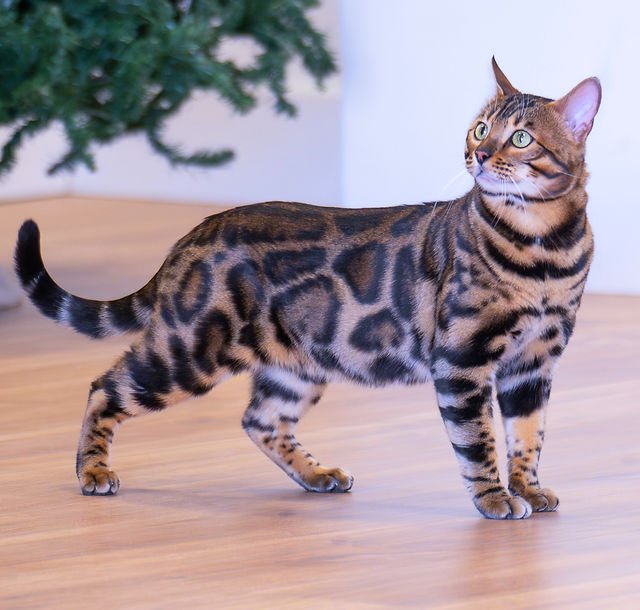
- Bengal:Known for its leopard-like spots and energetic nature.
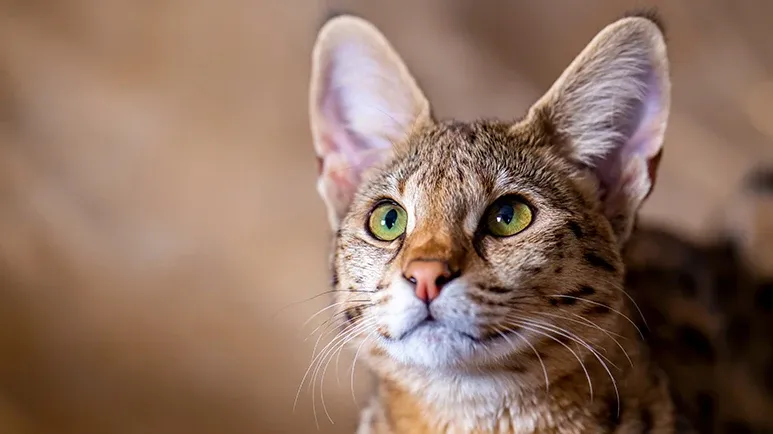
- Savannah:A hybrid with wild ancestry and an adventurous spirit.
- Scottish Fold:Recognizable by its folded ears and calm demeanor.
- Chausie:A mix between domestic cats and wild jungle cats, very active and intelligent.
Which breed matches your energy level and environment?
Traits To Consider
Before choosing, think about how the cat’s traits will impact your daily routine and breeding plans.
- Activity Level:Do you want a highly active cat or a more relaxed one?
- Size:Some exotic cats grow larger and need more space.
- Grooming Needs:Long-haired breeds require more grooming and care.
- Social Behavior:Some cats thrive on interaction, others prefer solitude.
How much time can you realistically dedicate to your cat’s care and social needs?
Health And Temperament
Health history and temperament are key to successful breeding and a happy home.
Look for breeds with fewer genetic health problems, but always get health clearances from breeders.
Temperament affects breeding ease and your connection with the cat. A cooperative and calm cat makes breeding less stressful.
Have you considered how a cat’s personality will influence your breeding experience and daily life?
Setting Up The Perfect Environment
Creating the right environment is essential when breeding exotic cats. Your cats need a space where they feel secure, comfortable, and mentally stimulated. This setup not only supports their health but also encourages natural behaviors that improve breeding success.
Safe And Comfortable Space
Your cats must have a space free from hazards like sharp objects or toxic plants. Use soft bedding and secure enclosures to prevent escapes and injuries. Remember, a calm environment reduces stress, which is key during breeding.
Consider separate areas for resting, eating, and playing. This separation helps your cats feel more at ease and reduces conflicts. Have you checked your space from your cat’s point of view? That often reveals hidden dangers or discomforts.
Temperature And Lighting
Exotic cats thrive in temperatures that mimic their natural habitats. Keep the room warm but well-ventilated, ideally between 75°F and 85°F. Avoid sudden temperature changes—they can stress your cats and affect fertility.
Lighting should simulate natural day and night cycles. Use timers for lights to maintain consistency, which supports healthy sleep patterns. Have you noticed how your cats behave differently on bright versus dim days? That’s a clue to adjust lighting.
Enrichment And Stimulation
Enrichment keeps your cats active and sharp, which influences their overall well-being. Add climbing structures, scratching posts, and interactive toys to spark curiosity. Rotate toys regularly to maintain their interest.
Don’t underestimate the power of scents and sounds. Introducing natural smells or gentle background noises can mimic their wild environment. What activities does your cat enjoy the most? Tailoring enrichment to their preferences makes your setup more effective.
Nutrition For Breeding Cats
Nutrition plays a crucial role in the success of breeding exotic cats. Proper feeding supports their health, fertility, and the growth of healthy kittens. Without the right nutrients, your breeding cats might face challenges that affect their ability to conceive and nurture their young.
Balanced Diet Essentials
Your breeding cats need a diet rich in high-quality proteins and fats. Proteins from animal sources like chicken, turkey, or fish provide essential amino acids for muscle development and hormone production.
Fats supply energy and help absorb fat-soluble vitamins such as A, D, E, and K. Including a variety of meats and organs ensures they get vitamins and minerals like taurine, calcium, and phosphorus, which are vital for reproduction.
Don’t forget about hydration—fresh water should always be available. Have you checked if your cat’s diet covers all these bases?
Supplements For Fertility
Even with a balanced diet, some breeders find supplements helpful to boost fertility. Omega-3 fatty acids, especially EPA and DHA, support reproductive health and reduce inflammation.
Adding antioxidants such as vitamin E and selenium can protect reproductive cells from damage. I once added a fish oil supplement to one of my cats’ diets and noticed a clear improvement in her pregnancy outcomes.
However, avoid over-supplementing; too much of certain nutrients can cause harm. Always consult a vet before introducing new supplements.
Feeding Schedule Tips
Consistency matters. Feeding your breeding cats at regular times each day helps maintain stable energy levels and supports hormone balance.
During pregnancy and lactation, increase meal frequency to meet higher energy demands—offering smaller meals 3 to 4 times daily works well.
Observe your cat’s appetite and adjust portions accordingly. How often do you review your cat’s feeding routine to match her changing needs?
Breeding Preparation
Preparing to breed exotic cats requires careful planning and attention. This stage ensures healthy offspring and maintains breed quality. Proper preparation reduces risks and supports strong genetics. Focus on health, mate selection, and timing for the best results.
Health Screenings
Health checks are vital before breeding. Screen both cats for genetic diseases common in exotic breeds. Test for infections like feline leukemia and immunodeficiency virus. Check overall physical condition, including weight and dental health. Vaccinations should be up to date. Healthy parents lead to healthy kittens.
Selecting Mates
Choose mates based on traits and health. Look for strong physical features typical of the breed. Avoid breeding cats with known hereditary problems. Consider temperament to ensure friendly offspring. Use pedigree records to prevent inbreeding. Good mate selection improves breed standards and kitten quality.
Timing The Breeding Cycle
Understand the female’s heat cycle to plan breeding. Most exotic cats go into heat every few weeks during breeding season. Signs include restlessness and vocalization. Breeding during peak fertility increases pregnancy chances. Monitor the cat closely and consult a vet for precise timing. Correct timing supports successful mating and healthy litters.
Pregnancy And Birth Care
Pregnancy and birth care are critical stages in breeding exotic cats. Proper attention during this period can mean the difference between a healthy litter and complications. Your role is to provide a safe, calm environment and watch for signs that need immediate action.
Monitoring The Queen
Keep a close eye on your queen throughout her pregnancy. Regular vet check-ups help track the kittens’ growth and detect any health issues early. You should also observe her eating habits and energy levels daily—any sudden changes can signal a problem.
Provide a quiet, comfortable space where she can rest undisturbed. I once noticed a queen becoming restless and eating less, which led me to a vet visit that saved her kittens. Never underestimate small behavior shifts.
Recognizing Labor Signs
Labor signs can be subtle or sudden. Watch for nesting behavior, restlessness, pacing, and a drop in body temperature (below 99°F). She may also groom herself excessively or vocalize more than usual.
It’s useful to have a thermometer handy and record temperatures twice daily as the due date approaches. If contractions last more than two hours without progress, or if your queen seems distressed, contact your vet immediately. These signs can mean she needs medical help to deliver safely.
Postpartum Care
Once the kittens arrive, your queen needs extra care. Keep her bedding clean and dry, and ensure she has easy access to fresh water and nutritious food. Monitor the kittens for warmth and nursing—newborns can’t regulate their body temperature well.
Be alert for postpartum complications like mastitis or refusal to nurse. If you notice swelling, redness, or a foul smell around her nipples, or if kittens are crying excessively, get veterinary advice right away. Your quick response can save lives.
Credit: www.barkandwhiskers.com
Raising Healthy Kittens
Raising healthy kittens is a crucial part of breeding exotic cats. Your care during their early days shapes their future well-being and behavior. Paying attention to their social skills, nutrition, and health can make a big difference in how they grow into strong, happy cats.
Early Socialization
Start socializing kittens as soon as they open their eyes. Handle them gently and often to build trust and reduce fear of humans. Introducing them to different sounds and gentle pets helps them become confident and friendly adults.
Try playing with your kittens using soft toys or letting them explore safe new spaces. This not only entertains them but also improves their coordination and curiosity. Have you noticed how kittens that are well-socialized tend to adapt better to new environments?
Weaning Process
Begin weaning kittens around four weeks old by offering soft, wet kitten food. Mix it with their mother’s milk or formula to ease the transition. Gradually reduce the milk as they start eating more solid food to avoid digestive upset.
Keep fresh water available at all times and monitor their eating habits closely. Some kittens may need extra encouragement or a different texture to entice them. What small changes have you found helpful to encourage a picky kitten to eat?
Vaccinations And Vet Visits
Schedule the first vet visit at six to eight weeks old for vaccinations and health checks. Vaccines protect kittens from serious diseases and keep your breeding program safe. Regular vet visits also help catch any health problems early before they become serious.
Maintain a vaccination schedule and keep detailed records of each kitten’s health. Discuss parasite prevention and nutrition with your vet to tailor care specifically for exotic breeds. How do you keep track of your kittens’ health milestones?
Legal And Ethical Considerations
Breeding exotic cats involves more than just pairing animals. Legal and ethical rules protect both cats and breeders. Understanding these rules helps keep breeding safe and fair. Respect for animal welfare and local laws is essential for every breeder.
Breeding Regulations
Breeders must follow local and international laws. These laws control which species can be bred. Some exotic cats require special permits. Others may be banned due to conservation efforts. Compliance avoids legal trouble and supports species protection.
Licenses often require breeders to meet standards. These include proper facilities and health care. Regular inspections may ensure these standards are met. Failure to comply can lead to fines or closure.
Ethical Breeding Practices
Ethical breeders prioritize cat health and well-being. They avoid breeding animals with genetic defects. Proper socialization and medical care are vital. Breeding should enhance the breed, not just create more cats.
Responsible breeders limit the number of litters. They ensure each cat has a good life. Avoiding overbreeding helps reduce health problems. Respect for the animals guides all decisions.
Finding Responsible Buyers
Matching cats with the right owners is important. Responsible buyers understand exotic cat needs. Breeders must screen potential owners carefully. This protects cats from neglect or abandonment.
Providing education about care and behavior helps buyers. Follow-up support after sale ensures continued welfare. Commitment to the cat’s future is part of ethical breeding.

Credit: purebredkitties.com

Credit: www.artemissavannahs.com
Frequently Asked Questions
What Are The Best Exotic Cats For Breeding?
The best exotic cats for breeding include Bengals, Savannahs, and Chausies. These breeds have unique traits and high demand. Choose healthy, genetically diverse cats to ensure strong offspring. Research breed standards and legal regulations before starting your breeding program.
How Do I Start Breeding Exotic Cats Legally?
To breed exotic cats legally, obtain necessary permits and licenses. Research local and national regulations regarding exotic animal breeding. Comply with animal welfare laws and ethical breeding standards. Consult experienced breeders or veterinarians for guidance on legal requirements.
What Health Checks Are Important For Breeding Exotic Cats?
Health checks must include genetic testing, vaccinations, and parasite control. Regular vet visits ensure cats are disease-free and fit for breeding. Screen for hereditary diseases specific to each breed. Proper health management improves kitten survival and quality.
How To Care For Exotic Cat Kittens Properly?
Provide a warm, clean, and safe environment for kittens. Feed mother and kittens high-quality, nutritious food. Socialize kittens early to encourage friendly behavior. Monitor their health and seek vet care for any issues promptly.
Conclusion
Breeding exotic cats takes care and patience. It needs knowledge of their health and habits. Choose cats with good traits and strong genes. Keep their living space clean and safe. Watch them closely for signs of illness. Breeding should always aim to help the breed grow healthy.
Enjoy the process and learn from each step. This way, you support the future of these unique animals.
