


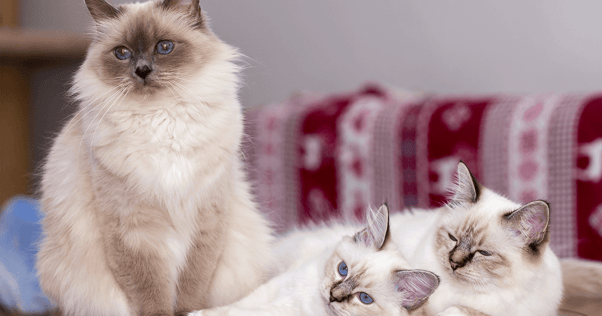
If you’ve ever found yourself mesmerized by the striking beauty of Birman cats, you’re not alone. These blue-eyed felines with their silky fur and gentle demeanor have a way of capturing hearts instantly.
If you’re considering breeding Birman cats, you’re embarking on a rewarding journey that combines love, care, and a bit of science. But where do you start? What should you know to ensure the health and happiness of your Birmans? This guide is designed to answer these questions and more, giving you the insights you need to become a successful Birman breeder.
By understanding the unique needs and characteristics of these majestic cats, you can ensure that your breeding experience is not only successful but also enriching. Ready to dive into the world of Birman cats and uncover the secrets to breeding them successfully? Keep reading to discover all you need to know.
Choosing Breeding Cats
Choosing the right breeding cats is the foundation of a successful Birman breeding program. Your choices affect not only the kittens’ health and temperament but also the future of the breed. How do you ensure that your breeding cats will produce strong, loving, and beautiful Birmans?
Selecting Healthy Parents
Health is the first thing to check when selecting breeding cats. Look for cats that have clear eyes, clean ears, and a shiny coat. Regular veterinary checkups and up-to-date vaccinations are essential.
Ask for health records and test results for common Birman issues like hypertrophic cardiomyopathy (HCM) and kidney problems. Avoid cats with any signs of illness or genetic disorders, as these can pass to the kittens.
Evaluating Temperament
Your breeding cats should have calm and friendly personalities. Birmans are known for their gentle nature, so choose cats that enjoy human interaction and get along with other pets.
Spend time with the cats before deciding. Are they curious or shy? Do they handle stress well? Breeding cats with good temperaments helps ensure your kittens grow up to be loving companions.
Pedigree And Genetic Health
Check the pedigree records to understand the genetic background of your cats. Reliable breeders keep detailed pedigrees that trace back several generations.
Review any history of genetic diseases or health problems in the lineage. Avoid breeding cats that share close relatives to reduce the risk of inherited conditions.
Have you considered how the genetic diversity of your breeding pair might impact the kittens? Maintaining a broad gene pool supports healthier cats in the long run.
Preparing For Mating
Preparing for mating your Birman cats is a crucial step that sets the foundation for a healthy and successful breeding experience. It involves more than just bringing a male and female together. Careful planning and attention to detail ensure both cats are ready physically and emotionally.
Timing The Breeding Cycle
Knowing the right time to breed your Birman is essential. Female Birmans go into heat every two to three weeks during their breeding season, which typically runs from spring to fall.
You can observe signs like increased affection, vocalization, and restlessness. Tracking these behaviors daily helps you identify the peak fertility window.
Have you noticed subtle changes in your cat’s behavior that might signal the best time for mating?
Creating A Comfortable Environment
Your cats need a calm, secure space for mating. This reduces stress and helps them focus on each other.
Set up a quiet room with soft bedding, familiar scents, and minimal distractions. This environment makes your cats feel safe and encourages natural behavior.
Think about how your cats usually relax—can you replicate that atmosphere for their mating time?
Health Checks And Vaccinations
Healthy cats produce healthier kittens. Before breeding, take both cats to the vet for a full health check.
Make sure vaccinations are up to date, and discuss parasite prevention. Testing for genetic conditions common in Birmans is also important.
Regular vet visits not only protect your cats but also boost your confidence as a breeder.
Pregnancy Care
Pregnancy care is crucial for the health of your Birman cat and her kittens. It requires careful attention to her changing needs and behaviors. By staying proactive, you help ensure a smooth pregnancy and a healthy delivery.
Nutrition And Diet
Your pregnant Birman needs more energy and nutrients than usual. Feed her high-quality kitten food because it has the right balance of protein, fats, and vitamins. You can also add small amounts of cooked chicken or fish to keep her interested in meals.
Keep fresh water available at all times. Avoid giving her supplements or human food without consulting your vet. Remember, sudden diet changes can upset her stomach.
Monitoring Health
Watch your Birman closely for any signs of illness or distress. Check her appetite, energy levels, and weight regularly. A healthy pregnant cat is alert, eats well, and gains weight steadily.
If you notice vomiting, diarrhea, or lethargy, call your vet immediately. Regular vet visits can catch problems early. Have a simple checklist to track your cat’s daily behavior and physical changes—it helps you spot issues quickly.
Recognizing Signs Of Labor
Knowing when labor starts can make a big difference in how you support your cat. Watch for nesting behavior—she may seek quiet, secluded spots and rearrange bedding. Restlessness and vocalization also increase as labor approaches.
Temperature drop is a clear sign; your Birman’s normal temperature is around 101.5°F (38.6°C), but it can fall to about 99°F (37.2°C) before labor begins. If she starts having contractions or unusual discharge, prepare a clean, warm area for delivery.
Are you ready to act quickly if labor complications arise? Having your vet’s contact info handy is essential. Your calm and quick response can make all the difference.
Credit: blog.feliway.com
Birthing Process
The birthing process for Birman cats is a delicate and fascinating experience. Watching a queen prepare to bring new life into the world requires your full attention and care. Understanding each stage helps you provide the best support and ensures the health of both the mother and her kittens.
Setting Up The Nesting Area
Create a quiet, warm, and comfortable space for your Birman cat well before her due date. Use a large box or a pet bed lined with soft towels or blankets that you can change easily.
Place the nesting area in a low-traffic spot where your cat feels safe and undisturbed. This encourages her to settle in and reduces stress as she prepares to give birth.
Monitor the temperature closely; Birman queens prefer a cozy environment around 75°F (24°C). Adding a heating pad underneath the bedding can help, but make sure it’s on a low setting and covered to avoid burns.
Assisting With Delivery
Most Birman cats deliver without any help, but your presence is reassuring. Stay calm and observe quietly, making sure she has clean towels ready in case she needs them.
Be prepared to gently clear the kittens’ airways if the mother doesn’t do this immediately. Use a soft cloth to wipe away any membranes from the kitten’s face.
Keep track of the time between each kitten’s arrival. If labor stalls for more than two hours or if the queen appears distressed, it’s time to call your vet.
Handling Complications
Complications can arise unexpectedly, so knowing the signs is critical. Excessive bleeding, prolonged labor, or a kitten stuck in the birth canal require immediate attention.
Have your vet’s contact information handy before the birth begins. Quick action can save lives.
Sometimes, a caesarean section is necessary, especially with larger litters or difficult births. Don’t hesitate to seek professional help if you feel overwhelmed or unsure.
Caring For Newborn Kittens
Caring for newborn Birman kittens requires patience and careful attention. These tiny creatures depend fully on their mother and human caregivers. Proper care ensures they grow healthy and strong. Early days are critical for their survival and development. Understanding their basic needs helps create a safe environment.
Feeding And Nursing
Newborn kittens need frequent feeding. The mother cat provides natural milk, rich in nutrients. Kittens nurse every two hours in the first week. Watch for any kitten that struggles to feed. Bottle feeding with kitten formula is a backup if needed.
- Keep the feeding area clean and calm.
- Use warm formula at body temperature.
- Feed gently to avoid choking.
Maintaining Warmth And Hygiene
Kittens cannot regulate their body temperature. They need a warm, draft-free space. Use soft blankets and heating pads set low. Monitor temperature closely to avoid overheating.
- Change bedding daily to keep it clean.
- Wipe kittens gently with a warm, damp cloth if dirty.
- Keep the nesting area dry to prevent illness.
Monitoring Growth And Development
Track each kitten’s weight daily to check growth. Healthy kittens gain weight steadily every day. Observe their activity levels and reflexes. Look for signs of weakness or illness.
- Note feeding times and amounts for each kitten.
- Check eyes and ears as they open after a week.
- Consult a vet immediately if a kitten stops gaining weight.
Socializing And Early Training
Socializing and early training play a crucial role in raising well-adjusted Birman cats. These gentle felines thrive on connection, and the way you introduce them to their world shapes their future behavior. Starting early helps build trust and makes handling easier as they grow.
Introducing Human Interaction
Begin socializing your Birman kitten by gently handling them daily. Hold them close, stroke their fur, and let them get used to your voice and touch.
Invite family members and friends to interact with the kitten, so they learn to be comfortable around different people. This variety helps prevent shyness or fear later on.
Watch your kitten’s body language closely. If they seem overwhelmed, give them space and try again later. Patience here pays off in confidence.
Encouraging Play And Exploration
Birman cats are naturally curious and playful, so provide a safe space filled with interesting toys and climbing spots. This encourages mental and physical stimulation.
Rotate toys regularly to keep your kitten engaged. Puzzle feeders, feather wands, and small balls often excite Birmans.
Let your kitten explore different textures and environments under supervision. This builds their adaptability and reduces anxiety about new situations.
Basic Training Techniques
Start with simple commands like “come” or “sit” using treats as positive reinforcement. Birmans respond well to gentle encouragement rather than harsh correction.
Use a consistent tone and short training sessions to keep your kitten’s attention. Five minutes a few times a day works better than a long session once.
Introduce the scratching post early to save your furniture. Praise your kitten whenever they use it, reinforcing good habits.
Health Management
Health management is the cornerstone of responsible Birman cat breeding. Ensuring your cats stay in peak condition not only protects their wellbeing but also supports the future generations you aim to nurture. Paying close attention to their health needs helps you avoid common pitfalls that could affect your breeding program.
Vaccinations And Deworming
Keeping your Birmans up to date on vaccinations is essential to protect them from contagious diseases. Core vaccines typically include feline viral rhinotracheitis, calicivirus, panleukopenia, and rabies. Consult your vet about the right schedule and any regional risks that might require additional vaccines.
Deworming is equally important. Parasites can weaken your cats and lead to complications, especially in kittens. Regular treatments every few months, as advised by your vet, help keep worms at bay and support a healthy breeding environment.
Regular Vet Visits
Routine check-ups let you catch health issues before they become serious. Your vet can monitor your cats’ weight, dental health, and overall condition, providing advice tailored to their needs. These visits also give you a chance to discuss any behavioral changes or concerns you notice.
Even if your cats seem healthy, skipping vet visits can cost you later. Early detection of problems like heart or kidney disease can save lives. How often are you scheduling these important check-ins for your breeding cats?
Preventing Common Illnesses
Understanding the illnesses Birmans are prone to helps you take preventive steps. Hypertrophic cardiomyopathy (HCM) is a common genetic heart disease in this breed, so regular heart screenings are crucial. You can also minimize risks by maintaining a clean living space and avoiding stressors that weaken their immune system.
Nutrition plays a big role in preventing illness. Feeding a balanced diet rich in high-quality proteins supports their immune defenses. Have you noticed how even small changes in diet or routine can impact your cats’ health?

Credit: birmans.eu
Preparing Kittens For Adoption
Preparing Birman kittens for adoption requires careful attention. It shapes their future in a new home. Early preparation helps kittens adapt smoothly and stay healthy. It also ensures that owners are ready for their new pets. This preparation builds trust between the breeder, the kittens, and the owners.
Screening Potential Owners
Choosing the right owner is very important. Screen each applicant carefully to ensure they can provide a good home. Ask questions about their experience with cats. Check if they understand the needs of Birman kittens. Look for a safe living space and commitment to care. This helps avoid future problems for the kitten and owner.
Providing Care Instructions
Clear care instructions help new owners feel confident. Explain feeding schedules and types of food. Describe grooming needs and how often to brush the kitten. Include tips on litter training and playtime. Write simple, easy-to-follow guides. This supports the kitten’s health and happiness in its new home.
Ensuring Smooth Transitions
Moving to a new home can be stressful for kittens. Prepare them by keeping routines consistent before adoption. Provide familiar toys and bedding to take along. Suggest a quiet, safe space in the new home. Encourage owners to give time for adjustment. This reduces stress and helps kittens settle quickly.

Credit: www.kyatbirmans.com
Frequently Asked Questions
What Is The Ideal Age To Breed Birman Cats?
Birman cats should be bred after they reach 18 months. This ensures full physical maturity and better health for mother and kittens. Breeding too early can cause complications and affect kitten development.
How To Choose Healthy Birman Cats For Breeding?
Select Birman cats with clear eyes, clean coats, and no genetic diseases. Health screening and vaccinations are essential. Choose cats with good temperaments and strong pedigrees for quality offspring.
What Are Common Birman Cat Breeding Challenges?
Common challenges include small litter sizes, birthing difficulties, and genetic health issues. Regular vet check-ups and proper nutrition help minimize risks. Understanding Birman-specific traits aids in successful breeding.
How Long Is A Birman Cat’s Pregnancy?
The pregnancy duration for Birman cats is about 63 to 65 days. Monitor the queen closely during this period for health and behavioral changes. Prepare a safe, quiet nesting area before delivery.
Conclusion
Breeding Birman cats takes care and patience. These cats need love and a good home. Healthy parents make healthy kittens. Always watch their health and behavior closely. Keep their environment clean and safe. Learn about their needs before you start.
This helps you raise happy, strong cats. Breeding is a big job but very rewarding. Enjoy every moment with your Birman cats. They bring joy and beauty to your life.
