

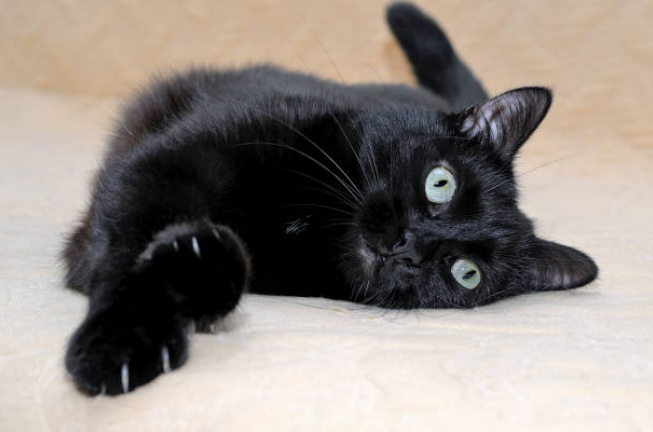
If you have a Bombay cat, you want to keep it healthy and happy. But do you know what health issues this unique breed might face?
Understanding these problems early can save you from worry and costly vet visits. You’ll discover the common health concerns Bombay cats have and simple steps you can take to protect your furry friend. Keep reading to learn how to give your Bombay cat the best care possible.
Common Health Issues
Understanding common health issues in Bombay cats can help you spot problems early and keep your feline friend happy and healthy. Bombay cats are generally robust, but like all breeds, they have specific health concerns you should watch for. Knowing these issues will empower you to provide better care and avoid costly vet visits.
Respiratory Problems
Bombay cats can sometimes face respiratory issues, especially if they have a tendency toward brachycephalic features—shortened noses that can make breathing difficult. You might notice your cat wheezing, coughing, or sneezing more than usual. If your Bombay struggles with heavy breathing or nasal discharge, it’s worth consulting a vet promptly.
To reduce risks, keep your home smoke-free and avoid strong chemical sprays around your cat. Regular check-ups can catch respiratory problems early before they worsen.
Dental Disease
Dental health is often overlooked but crucial for your Bombay cat’s well-being. These cats can develop gum disease and tooth decay if their teeth aren’t cleaned regularly. Bad breath, drooling, or difficulty eating are signs you shouldn’t ignore.
Try brushing your cat’s teeth at home or ask your vet about professional cleanings. Dental disease can cause pain and even affect your cat’s heart health if left untreated.
Obesity Risks
Bombay cats love to lounge and can easily gain weight if overfed or under-exercised. Obesity increases the risk of diabetes, joint problems, and reduces their lifespan. Watching your cat’s diet and encouraging playtime can help keep their weight in check.
Have you noticed your Bombay gaining weight? Simple changes like interactive toys or scheduled feeding times can make a big difference.
Heart Conditions
Some Bombay cats are prone to heart conditions like hypertrophic cardiomyopathy (HCM). This disease causes thickening of the heart walls and can lead to serious complications. Regular veterinary heart screenings are essential, especially as your cat ages.
Early detection through ultrasound exams can save your cat’s life. Pay attention if your Bombay shows signs of lethargy, rapid breathing, or fainting spells and share these with your vet immediately.
Credit: www.kingpet.uk
Diet And Nutrition
Proper diet and nutrition play a key role in keeping a Bombay cat healthy. A good diet supports their shiny black coat, strong muscles, and sharp mind. It also helps prevent common health problems seen in this breed. Feeding your Bombay cat the right food keeps their energy steady and immune system strong. Understanding what to feed and what to avoid makes a big difference.
Balanced Diet Essentials
A balanced diet for a Bombay cat includes high-quality protein as the main ingredient. Meat, fish, and poultry provide essential amino acids. Cats need fat for energy and healthy skin. Carbohydrates should be minimal but can come from grains or vegetables. Fresh water must always be available.
- Protein sources: chicken, turkey, salmon
- Healthy fats: fish oil, chicken fat
- Small amounts of fiber: pumpkin, peas
- Low carbohydrates for better digestion
Feeding a mix of wet and dry cat food can help balance moisture and dental health. Portion control prevents obesity, which is common in indoor cats.
Foods To Avoid
Certain foods can harm your Bombay cat’s health. Avoid giving them onions, garlic, chocolate, and caffeine. These are toxic and can cause serious illness. Dairy products often upset their stomach since many cats are lactose intolerant. Bones and raw fish can lead to digestive problems or injury.
- No onions or garlic
- No chocolate or caffeine
- No dairy products like milk or cheese
- No raw fish or bones
Do not feed dog food or human snacks. These lack proper nutrients and may cause allergies or obesity.
Supplements And Vitamins
Most Bombay cats get enough nutrients from good food. Sometimes supplements help if they have special needs. Omega-3 fatty acids support skin and coat health. Taurine is an essential amino acid cats cannot make themselves. Vitamin E and B-complex vitamins boost immunity and energy. Always check with a vet before adding supplements.
- Omega-3 for skin and coat
- Taurine for heart and vision
- Vitamin E for immune support
- B vitamins for energy
Over-supplementing can cause harm, so follow vet advice carefully.
Regular Vet Checkups
Regular vet checkups keep your Bombay cat healthy and happy. These visits help catch health problems early. Routine exams monitor weight, coat condition, and overall well-being. A vet can spot signs of illness you might miss. Regular checkups build a strong bond between you and your cat. They also ensure your cat follows an important health plan.
Vaccination Schedule
Vaccines protect Bombay cats from serious diseases. Kittens need a series of shots to build immunity. Adult cats require booster shots to stay protected. Core vaccines include:
- Feline distemper
- Calicivirus
- Rhinotracheitis
- Rabies
Your vet will create a vaccination schedule tailored to your cat’s needs. Following this schedule prevents illness and keeps your cat safe.
Parasite Prevention
Parasites harm your Bombay cat’s health and comfort. Fleas, ticks, and worms cause itching and infections. Parasite prevention includes regular treatments and checks. Your vet recommends safe medications based on your cat’s lifestyle. Year-round parasite control reduces risks of disease and discomfort.
Dental Care Visits
Dental health affects your Bombay cat’s overall wellness. Regular vet dental visits prevent gum disease and tooth loss. Your vet will clean teeth and check for problems. Poor dental health can cause pain and infections. Schedule dental checkups at least once a year to protect your cat’s smile.
Credit: wopet.com
Exercise And Activity
Keeping your Bombay cat active is essential for its health and happiness. Regular exercise helps prevent obesity and keeps their muscles strong. It also reduces stress and boredom, which can lead to unwanted behaviors.
Indoor Play Ideas
Your Bombay cat can get plenty of exercise right inside your home. Use toys like feather wands or laser pointers to spark their hunting instincts. Rotate toys often to keep their interest alive.
Set up climbing spaces with cat trees or shelves. Cats love to jump and explore vertical areas, which gives them good physical activity. You might be surprised how much energy your Bombay can burn chasing a simple ball or pouncing on a crumpled paper.
Safe Outdoor Exploration
If you want to let your Bombay enjoy the outdoors, safety should be your top priority. Use a harness and leash designed for cats to prevent escapes. Start slowly to help your cat get used to the new environment.
Consider a secure catio or fenced yard where your cat can roam freely without danger. Outdoor time can stimulate their senses with fresh smells and sounds, giving them mental and physical benefits. How often do you allow your Bombay to experience nature safely?
Grooming Tips
Grooming helps keep your Bombay cat healthy and happy. It also strengthens your bond. Regular care prevents common health problems. Simple grooming tasks make a big difference.
Coat Maintenance
Brush your Bombay cat’s coat gently once or twice a week. Use a soft bristle brush or grooming glove. This removes loose hair and dirt. It also spreads natural oils for a shiny coat. Bathing is rarely needed unless your cat gets dirty. Keep the coat clean to avoid skin issues.
Nail Trimming
Trim your cat’s nails every two to three weeks. Use a small pet nail clipper made for cats. Hold the paw firmly and cut only the sharp tip. Avoid the pink part called the quick. Cutting the quick causes pain and bleeding. Regular trimming stops nails from growing too long and causing injury.
Ear Cleaning
Check your Bombay cat’s ears weekly. Use a soft cloth or cotton ball dampened with a vet-approved ear cleaner. Wipe gently inside the ear flap. Never insert anything deep into the ear canal. Clean ears prevent infections and ear mites. If you notice redness, odor, or discharge, consult a vet.
Credit: wopet.com
Recognizing Warning Signs
Recognizing warning signs in your Bombay cat is crucial for their well-being. Early detection helps prevent serious health problems. Knowing what changes to watch for can save your cat’s life.
Some signs may seem small but indicate bigger issues. Pay close attention to your cat’s normal behavior and appearance. Any sudden change deserves your notice and care.
Behavioral Changes
- Less active or hiding more than usual
- Sudden aggression or irritability
- Changes in eating or drinking habits
- Excessive grooming or scratching
- Unusual vocalization or silence
Behavioral changes often signal discomfort or pain. Your Bombay cat might try to hide its distress. Watch carefully for even subtle shifts in behavior.
Physical Symptoms
- Weight loss or gain without reason
- Difficulty breathing or coughing
- Vomiting or diarrhea
- Swelling or lumps on the body
- Dull coat or hair loss
- Discharge from eyes, nose, or ears
Physical symptoms show that something is wrong inside the body. Some signs are easy to spot, others need closer inspection. Regular checks help catch issues early.
When To Seek Help
- Persistent symptoms lasting more than two days
- Sudden severe changes in behavior or health
- Difficulty breathing or eating
- Signs of pain such as crying or limping
- Any visible injury or bleeding
Trust your instincts if you feel something is wrong. Immediate veterinary help can prevent worsening conditions. Don’t wait for symptoms to disappear on their own.
Frequently Asked Questions
What Are Common Health Issues In Bombay Cats?
Bombay cats often face respiratory problems, heart disease, and obesity. Regular vet check-ups help detect early signs. Proper diet and exercise maintain their health. Awareness of symptoms ensures timely treatment and a longer life for your cat.
How Can I Prevent Obesity In Bombay Cats?
Feed measured portions of balanced cat food. Avoid excessive treats and table scraps. Encourage daily play and physical activity. Monitor weight regularly to catch early weight gain. Maintaining a healthy weight reduces risks of diabetes and joint issues.
Are Bombay Cats Prone To Heart Disease?
Yes, Bombay cats can develop hypertrophic cardiomyopathy (HCM). Regular heart screenings by a vet are essential. Early diagnosis helps manage the condition effectively. A healthy lifestyle supports heart health in these cats.
What Vaccinations Are Essential For Bombay Cats?
Core vaccines include rabies, feline distemper, and calicivirus. Vaccinations protect against common infectious diseases. Follow your vet’s recommended schedule for boosters. Vaccinating your Bombay cat ensures long-term health and safety.
Conclusion
Caring for a Bombay cat means knowing their health risks. Watch for signs of illness early. Regular vet visits keep your cat strong. Good food and exercise help avoid many problems. Keep their environment safe and clean. Love and attention improve their well-being too.
Healthy cats are happy cats. Stay informed and act quickly if something feels wrong. Your care makes a big difference in their life.
