


Are you considering opening your heart and home to a new feline friend? Imagine the joy of adopting a cat who will love you unconditionally.
Now, imagine that cat being blind. Blind cats for adoption may face unique challenges, but they offer an extraordinary opportunity for you to make a real difference in their lives. By adopting a blind cat, you not only gain a loving companion but also become part of a special community of pet owners who understand the deep rewards of giving a little extra care.
As you read on, you’ll discover why blind cats are just as playful, affectionate, and delightful as any other cat. Plus, you’ll learn how you can provide a safe and enriching environment for them. Stay with us, and find out how you can change a life by adopting a blind cat.
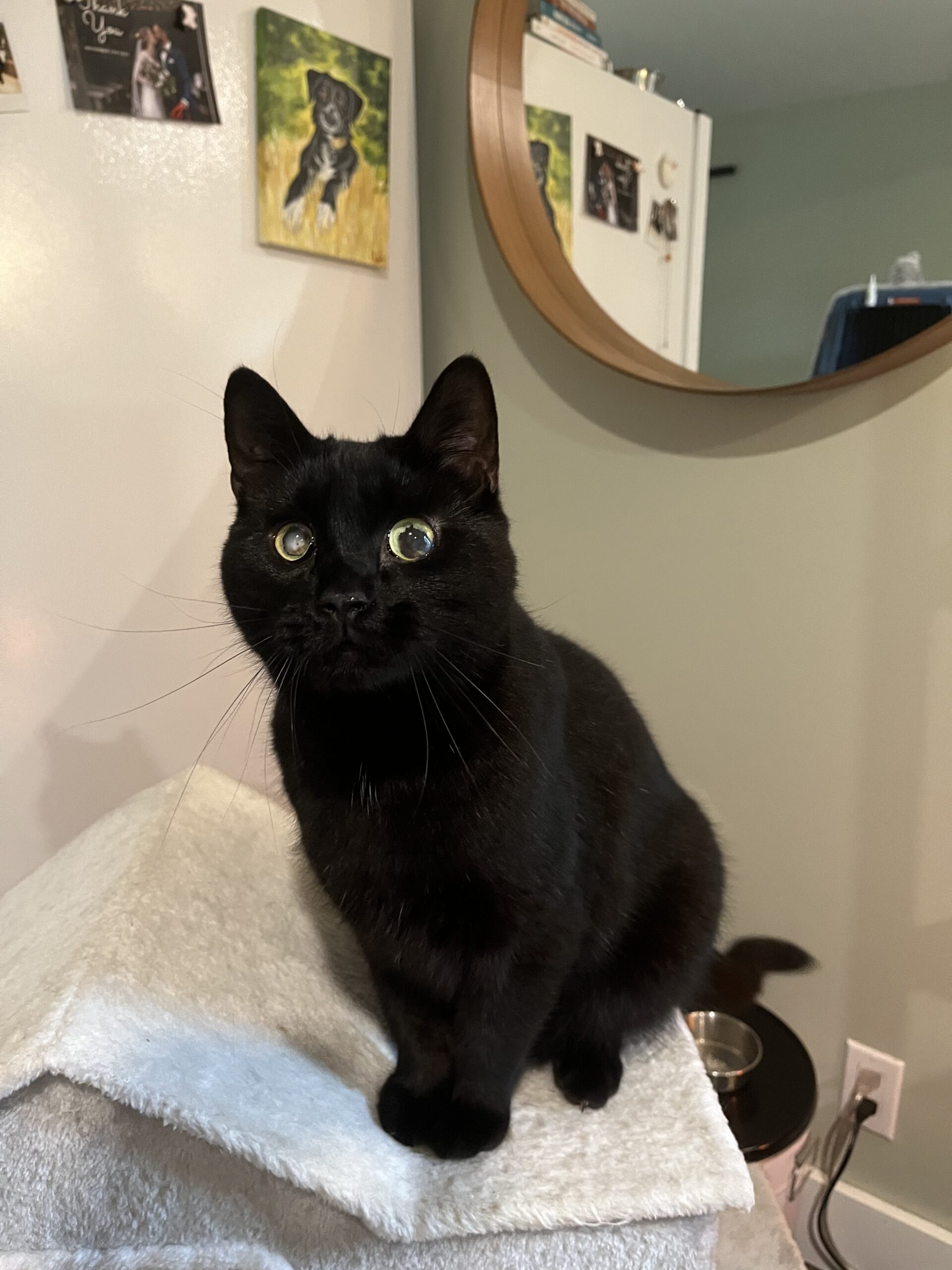
Credit: thekenoracatshelter.com
Why Blind Cats Need Homes
Blind cats face many difficulties without a safe home. They rely on humans for care and comfort. Shelter life can be confusing and dangerous for them.
Adopting a blind cat gives them a chance to live happily. They need loving families to help them feel secure. These cats can adjust well with patience and kindness.
Challenges Faced By Blind Cats
- Difficulty in navigating unfamiliar spaces
- Increased risk of injury or accidents
- Dependence on other senses like smell and hearing
- Stress from noisy or crowded environments
- Need for consistent routines and safe spaces
Myths About Blind Cats
- Blind cats cannot live normal lives – false
- They need constant help – mostly independent
- Blind cats are unhappy or unhealthy – untrue
- They cannot bond with owners – they form strong bonds
- Blind cats are difficult to care for – they adapt well
Benefits Of Adopting Blind Cats
- They show great affection and loyalty
- Adopting saves a vulnerable life
- They teach patience and empathy
- Blind cats adapt quickly to loving homes
- They offer unique companionship and joy
Heartwarming Adoption Stories
Adopting a blind cat can be one of the most rewarding experiences you’ll ever have. These cats often come with unique challenges, but their resilience and loving nature shine through. Heartwarming stories from adopters show just how much joy and companionship a blind cat can bring into your life.
Rescue And Recovery Tales
Many blind cats come from difficult backgrounds, yet their recovery stories inspire hope. Take Luna, who was found wandering the streets with an eye infection. After receiving medical care and a safe home, she blossomed into a playful and confident cat.
These tales remind you that patience and care can transform a scared, vulnerable cat into a beloved family member. What small actions can you take to help a blind cat feel safe in your home?
Bonding With Blind Cats
Building trust with a blind cat requires time and gentle effort. You can use consistent sounds, like a soft bell or your voice, to help them navigate their surroundings. Touch also becomes a vital way to communicate affection and reassurance.
One adopter shared how speaking softly while offering treats helped their blind cat open up and respond eagerly. Have you considered how your presence and routine can create a comforting environment for a blind cat?
Success Stories From Adopters
Adopters often describe how blind cats become incredibly affectionate companions. Max, blind since birth, now thrives in a lively household where family members have adapted their routines to support him. His story shows that blindness doesn’t limit a cat’s ability to enjoy life.
Many adopters report that their blind cats develop strong bonds and even teach them new levels of patience and empathy. Could opening your heart to a blind cat change both your life and theirs in unexpected ways?
Caring For Blind Cats
Caring for blind cats requires a thoughtful approach to make their world safe and loving. These cats rely heavily on their other senses, so your care can help them thrive despite their vision loss. Understanding their unique needs will deepen your bond and improve their quality of life.
Home Safety Tips
Blind cats use memory and smell to navigate. Keep furniture in the same place to avoid confusion and accidents. Sharp edges and open stairs can be dangerous, so block or cushion those areas.
Use baby gates or barriers to limit access to hazardous spaces like kitchens or balconies. Place textured mats near doorways or litter boxes to help your cat recognize different areas by feel. Have a consistent sound source, like a ticking clock or soft music, to provide orientation cues.
Feeding And Nutrition
Your blind cat may take longer to find their food bowl, so keep it in a quiet, consistent spot. Use bowls with high sides to help them locate food by scent and touch. Feeding smaller, frequent meals helps maintain their energy and comfort.
Consider wet food if your cat has trouble chewing or if you want to increase hydration. Monitor their eating habits closely—loss of appetite can signal health issues since they can’t see changes in their environment or themselves easily.
Health And Vet Care
Regular vet visits are crucial to monitor your blind cat’s overall health and any underlying causes of blindness. Discuss with your vet about eye drops or treatments that may ease discomfort if the eyes are sensitive. Watch for signs of injury or infection since your cat can’t visually express pain.
Keep track of any changes in behavior, appetite, or mobility. Your attentive observation can catch problems early, making treatment simpler and more effective. How often do you check your blind cat’s health beyond just vet visits?

Credit: www.reddit.com
Helping Blind Cats In Your Community
Helping blind cats in your community can make a huge difference in their lives. These cats face unique challenges but with your support, they can thrive and find loving homes. Getting involved is easier than you think, and the rewards are truly heartwarming.
Volunteering Opportunities
Volunteering at shelters or rescue groups that care for blind cats lets you offer hands-on support. Tasks like socializing, feeding, or creating safe play areas help these cats adapt and stay happy. Have you ever noticed how a little attention can boost an animal’s confidence?
Even simple actions like cleaning cages or helping with transport to vet visits contribute massively. Your presence can bring comfort to cats who rely on routine and gentle handling.
Donations And Fundraising
Blind cats often need special medical care and equipment, which costs money. Donating supplies like soft bedding or funds for vet bills supports their well-being. You might be surprised how a small donation adds up when combined with others.
Organizing fundraising events—like bake sales or online campaigns—can rally your community around this cause. Could you host a local event or share a fundraiser on social media to help these cats?
Spreading Awareness
Many people don’t realize blind cats can live full, joyful lives. Sharing stories about blind cats’ resilience changes perceptions and encourages adoption. Have you shared a story about a blind cat’s journey with your friends or online?
Education helps reduce fear and misinformation. By talking openly about their needs and abilities, you invite others to join the mission and offer support.
Preparing Your Home For A Blind Cat
Preparing your home for a blind cat means creating a space where they feel safe, confident, and loved. Blind cats rely heavily on their other senses, so your efforts to adapt your home can make a huge difference in their comfort and happiness. Think about how your cat will navigate, explore, and rest without sight—it requires thoughtful adjustments.
Creating A Safe Environment
Start by removing any sharp or dangerous objects that could harm your blind cat. Keep furniture and belongings in consistent places to help them memorize the layout. Avoid sudden changes to the environment, as this can confuse your cat and cause stress.
Consider adding soft rugs or mats near key areas like food bowls and litter boxes. These textures help your cat identify important spots by touch. Also, block off any tight spaces where a blind cat might get stuck or injured.
Essential Supplies
Some supplies can make life easier for a blind cat. Use litter boxes with sides low enough for easy access but high enough to contain messes. Choose food and water dishes with distinct shapes or textures so your cat can find them easily.
Introduce toys that make noise, like bells or crinkly materials, to engage your cat’s hearing and sense of play. Night lights or soft lighting help you check on your cat without startling them. Don’t forget a cozy, quiet bed in a consistent location to provide a safe retreat.
Introducing Blind Cats To Other Pets
Introducing a blind cat to other pets takes patience and care. Make sure the other pets are calm and supervised during first meetings. Use scent introductions first—swap blankets or toys—to help them get familiar without stress.
Give your blind cat space to retreat if they feel overwhelmed. Watch for signs of stress or aggression from any pet and separate them if needed. Remember, your blind cat needs time to build trust and confidence around new animal friends.

Credit: catinthefridge.com
Frequently Asked Questions
What Should I Know Before Adopting A Blind Cat?
Blind cats adapt quickly using their other senses. They need safe, consistent environments and gentle care. Understanding their unique needs helps create a loving home. Adopting a blind cat requires patience, commitment, and regular vet visits to ensure their health and happiness.
How Do Blind Cats Navigate Their Surroundings Safely?
Blind cats rely on smell, hearing, and touch to explore. They memorize room layouts and avoid sudden changes. Using tactile surfaces and keeping furniture stable helps them move confidently. Owners should remove hazards and provide safe spaces for easy navigation.
Can Blind Cats Live Normal, Happy Lives?
Yes, blind cats lead fulfilling lives with proper care. They enjoy play, affection, and routine like sighted cats. Their other senses compensate well, allowing independence and joy. Adoption gives them a second chance for love and happiness.
Where Can I Find Blind Cats For Adoption?
Many animal shelters and rescue groups have blind cats needing homes. Search local shelters or specialized rescues online. Adoption events and websites often feature special-needs pets. Connecting with rescue networks increases chances of finding a blind cat.
Conclusion
Blind cats can bring joy and love to any home. They adapt quickly and use their other senses well. Caring for them teaches patience and kindness. These cats need gentle handling and a safe space. Adopting a blind cat means saving a life.
They offer companionship and unique charm every day. Think about giving a blind cat a chance. You will gain a loyal friend with a big heart. Their courage and spirit inspire us all. A blind cat’s love is truly special.
