

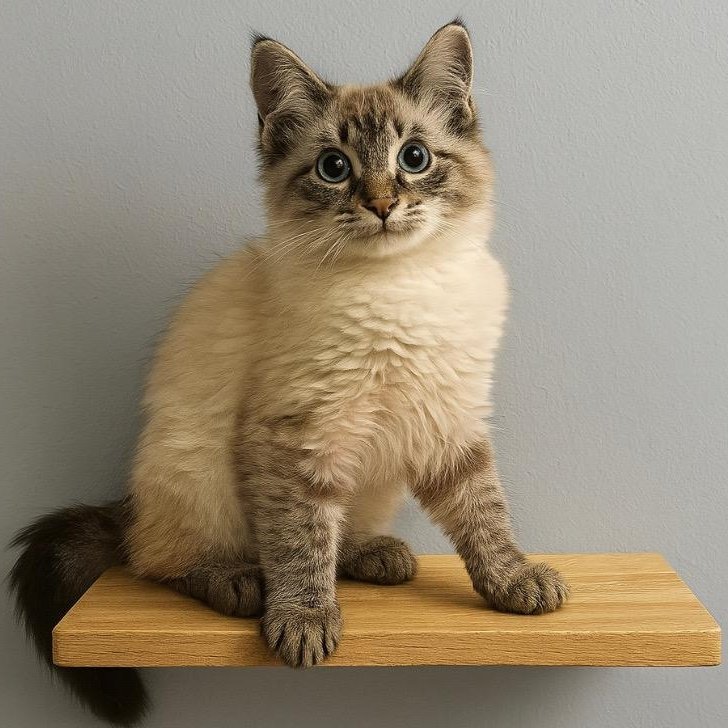
Imagine a cat that is not just beautiful, but also deeply affectionate and intelligent. That’s what you get when you adopt a Birman cat.
If you’ve been considering expanding your family with a feline friend, the Birman cat might just be your perfect match. Known for their striking blue eyes, silky coats, and gentle personalities, Birmans are more than just a pretty face. They are known to create strong bonds with their humans, offering companionship and love like no other.
Are you ready to discover how a Birman can bring joy and warmth to your home? Keep reading to find out everything you need to know about Birman cat adoption and why it could be one of the best decisions you ever make.
Why Choose A Birman Cat
Choosing a Birman cat means inviting beauty and warmth into your home. These cats offer more than just looks. They bring a calm and loving presence that fits well in many homes. Their unique features and gentle nature make them a favorite for many cat lovers.
Learn what makes Birmans special and why they might be the perfect pet for you.
Distinctive Features
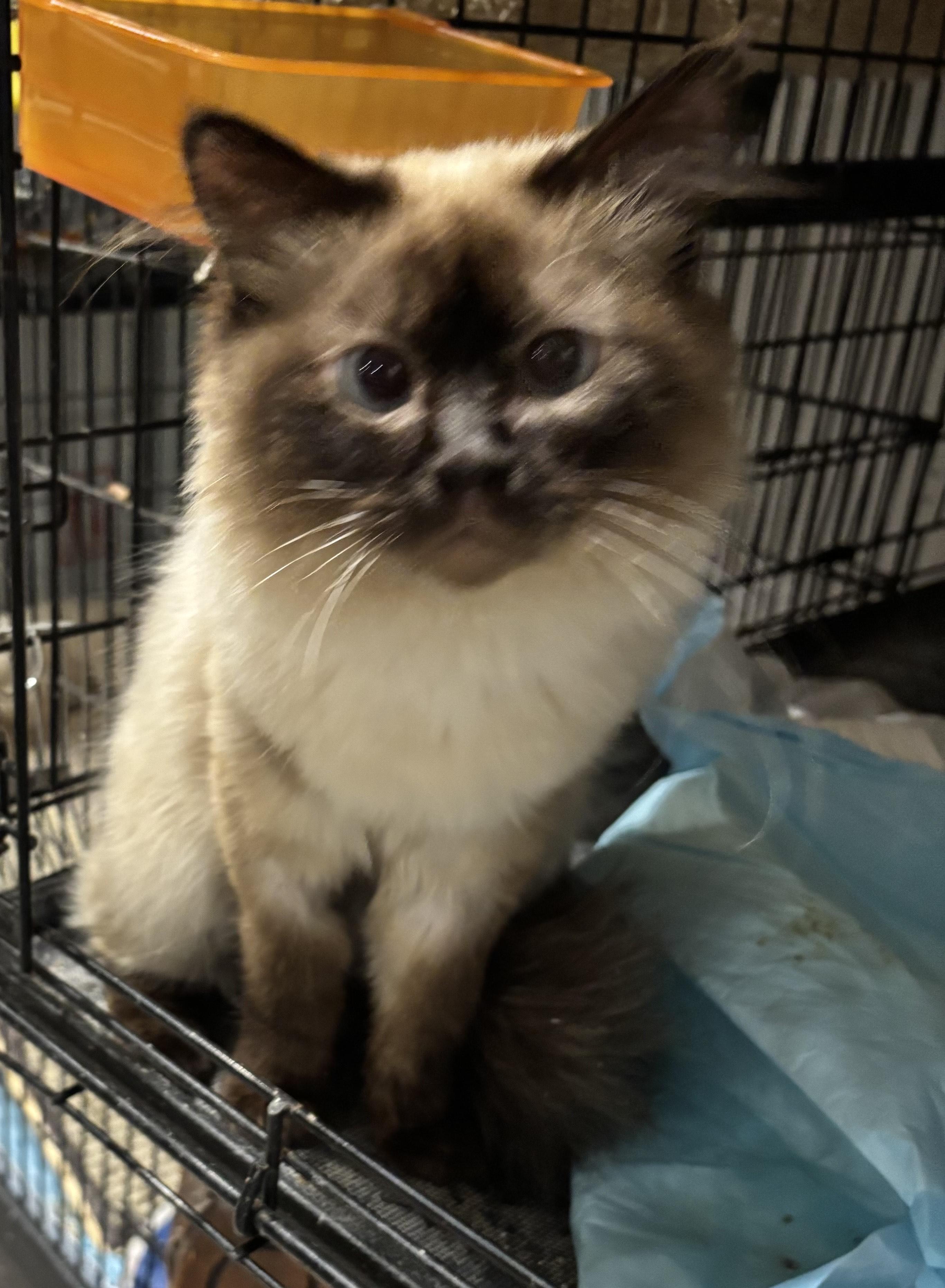
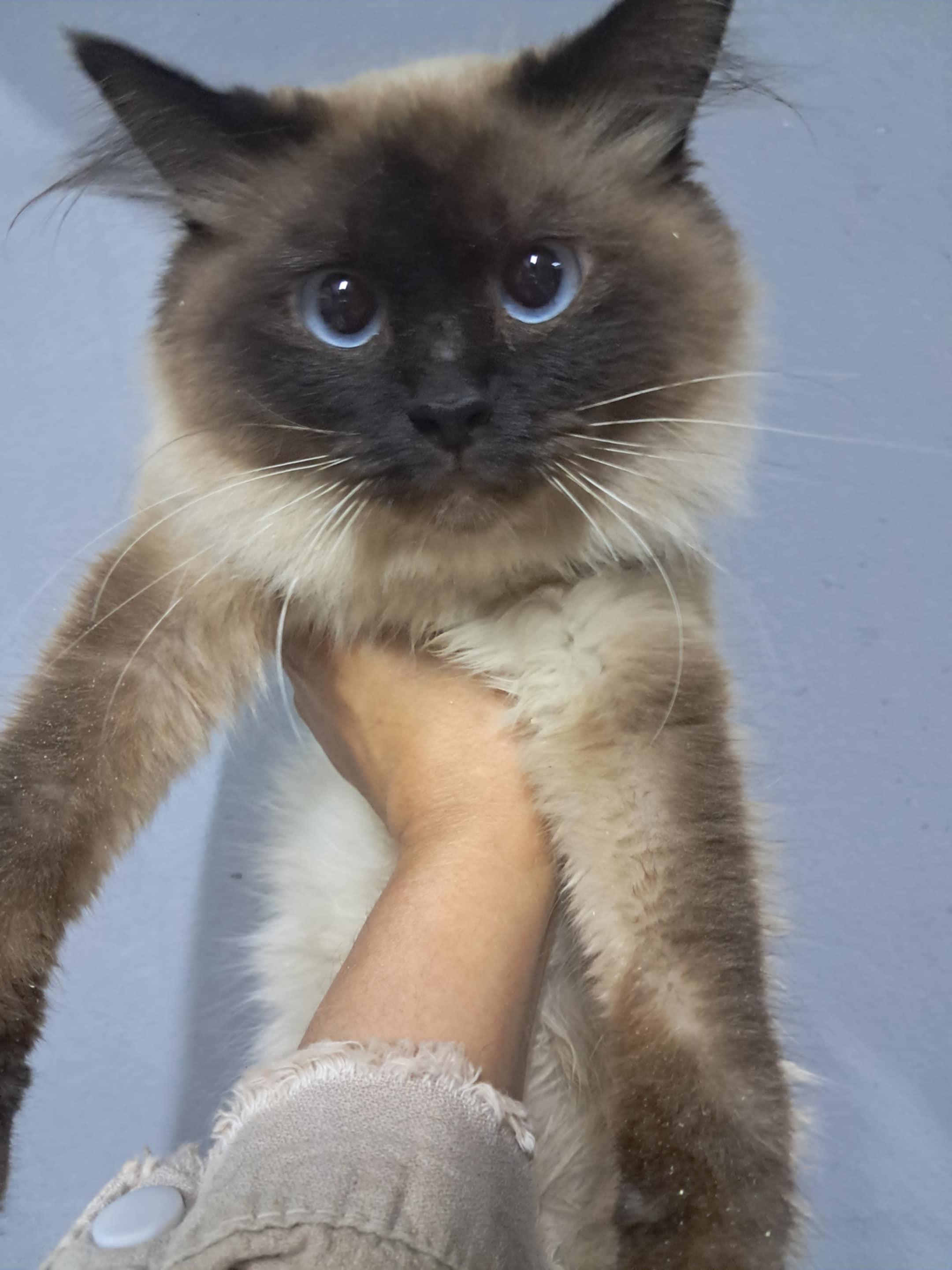
Birmans have striking blue eyes that captivate instantly. Their silky coat is medium to long, soft to touch, and low in shedding. They have a color-point pattern with white “gloves” on their paws.
- Soft, plush fur that feels luxurious
- Distinctive white paws, called “gloves”
- Elegant, medium-sized body
- Expressive, deep blue eyes
These features give Birmans a royal and graceful look. They stand out in any room.
Temperament And Personality
Birmans are known for their gentle and affectionate nature. They enjoy human company and often follow their owners around. They are playful but calm, making them great companions.
- Friendly and sociable with family members
- Adapt well to children and other pets
- Quiet and rarely vocal
- Enjoy cuddles and lap time
These traits make Birmans perfect for families and singles alike.
Health And Lifespan
Birmans are generally healthy cats with few genetic problems. Regular vet check-ups keep them in good shape. Their average lifespan ranges from 12 to 16 years.
- Robust health with proper care
- Low risk of serious hereditary diseases
- Benefit from a balanced diet and exercise
- Live happily for over a decade
Choosing a Birman means enjoying a long, healthy friendship.
Credit: www.petfinder.com
Preparing For Adoption
Preparing for the adoption of a Birman cat means more than just bringing home a new pet. It’s about creating a welcoming and safe environment where your feline friend can thrive. This preparation ensures a smooth transition and builds a strong foundation for your life together.
Assessing Your Lifestyle
Ask yourself how much time you can dedicate to your new Birman. These cats enjoy companionship and gentle play, so a busy schedule might leave them lonely. Consider your daily routine: can you provide consistent care and attention?
Think about your living space too. Birmans adapt well to apartments or houses, but they need room to explore and climb. Do you have quiet areas where your cat can retreat and feel safe?
Essential Supplies
Before your Birman arrives, gather the right supplies to meet their needs. These include:
- Food and water bowls:Choose sturdy, easy-to-clean options.
- High-quality cat food:Select a brand that supports their health and coat.
- Litter box:Place it in a quiet, accessible spot and keep it clean.
- Comfortable bedding:Soft spots for naps are a must.
- Scratching posts and toys:Help them stay active and prevent furniture damage.
Having these ready shows your commitment and makes your Birman feel at home immediately.
Home Safety Tips
Check your home for anything that could harm your curious Birman. Secure loose wires and cords to prevent chewing accidents. Remove toxic plants and keep cleaning supplies out of reach.
Windows and balconies need screens or barriers to keep your cat safe while allowing fresh air. Remember, Birmans are inquisitive; small objects left around can become choking hazards.
Have you thought about how you’ll introduce your Birman to other pets or family members? Creating a calm first meeting environment reduces stress for everyone involved.
Finding A Reputable Birman Breeder
Finding a reputable Birman breeder is key to welcoming a healthy, well-socialized kitten into your home. A trustworthy breeder prioritizes the cat’s wellbeing and genetic health over quick sales. This section guides you through spotting genuine breeders and avoiding pitfalls.
What To Look For
Start by checking if the breeder is registered with recognized cat associations. Registration often means they follow ethical breeding standards.
Observe the environment where the kittens are raised. Clean, spacious, and enriching surroundings indicate responsible care.
Ask about the health testing they do for common Birman issues like kidney disease or heart problems. A breeder who shares detailed health records shows transparency.
Questions To Ask
- How long have you been breeding Birmans?
- Can I meet the kitten’s parents or see photos of them?
- What health tests have the parents undergone?
- Do you provide a health guarantee or contract?
- How do you socialize your kittens before adoption?
These questions help you gauge the breeder’s experience and commitment to raising well-rounded cats. If they hesitate or give vague answers, it’s a red flag.
Avoiding Scams
Beware of breeders who ask for full payment upfront without a contract or allow no in-person visits. Genuine breeders want you to see the kitten’s home and meet the cats.
Check for inconsistencies in their story or photos that look suspiciously professional or recycled. A quick reverse image search can reveal fake listings.
Trust your instincts. If a deal sounds too good to be true or the breeder pressures you to decide fast, pause and reconsider. Protect your future Birman by choosing carefully.
Adopting From Shelters And Rescues
Adopting a Birman cat from shelters and rescues offers a unique chance to give a loving home to a cat in need. These organizations often have cats that are waiting for someone like you to change their lives. Taking this route not only saves a life but also connects you with a community focused on animal welfare.
Where To Search
Start your search by visiting local animal shelters and rescue groups that specialize in or occasionally have Birman cats. Websites like Petfinder and Adopt-a-Pet allow you to filter by breed and location, making it easier to find a Birman near you.
Don’t forget to check social media pages and local cat clubs; they often post about cats available for adoption. Sometimes, smaller rescues or foster homes are the best places to find a Birman needing a home.
Adoption Process
The adoption process typically includes filling out an application, meeting the cat, and sometimes a home visit. Shelters want to ensure their cats go to safe, loving environments, so be ready to answer questions about your lifestyle and experience with pets.
Adoption fees usually cover vaccinations, spaying or neutering, and initial veterinary care. Knowing this can help you budget and prepare for bringing your new Birman home.
Benefits Of Rescue Cats
Rescue cats often come with a known history, which can help you understand their behavior and health needs. Many Birman rescues provide detailed backgrounds and temperament assessments, making it easier to match your personality and living situation.
Adopting a rescue cat means you’re giving a second chance to an animal who might otherwise be overlooked. Have you considered how this act of kindness could enrich your life and bring unexpected joy into your home?
Bringing Your Birman Home
Bringing a Birman cat home is an exciting moment full of new experiences. These gentle cats need a calm, loving space to feel safe and happy. Preparing your home helps your new friend settle quickly and comfortably. Small steps ensure a smooth transition for both you and your Birman.
First Days Tips
- Prepare a quiet room with food, water, and a cozy bed.
- Keep the environment calm and avoid loud noises.
- Let your Birman explore the room at their own pace.
- Offer gentle attention, but do not force interaction.
- Provide a litter box nearby and show them where it is.
- Watch for signs of stress like hiding or lack of appetite.
- Keep other pets away during the first 24-48 hours.
Introducing To Family And Pets
- Introduce family members one at a time with calm voices.
- Teach children to be gentle and quiet around the cat.
- Allow pets to sniff under the door before meeting face-to-face.
- Use a baby gate or carrier for controlled pet introductions.
- Reward pets with treats for calm behavior near the cat.
- Separate pets if any signs of aggression appear.
- Gradually increase interaction time over several days.
Setting A Routine
- Feed your Birman at the same times every day.
- Play with your cat daily to build trust and exercise.
- Keep litter box and feeding areas clean and consistent.
- Establish quiet times for rest and sleep.
- Regular grooming helps your Birman feel cared for.
- Create a safe space where your cat can retreat anytime.
- Stick to a routine to reduce stress and build comfort.
Caring For Your Birman Cat
Caring for your Birman cat goes beyond simply providing a home. These gentle and affectionate cats thrive when you meet their specific needs. Understanding their nutrition, grooming, and health requirements will help you build a strong bond and keep your furry friend happy and healthy.
Nutrition And Feeding
Birman cats require a balanced diet rich in protein to maintain their silky coats and muscular build. Choose high-quality cat food that lists meat as the first ingredient. Avoid fillers like corn or soy, which offer little nutritional value.
Pay attention to portion sizes to prevent obesity. Birmans love treats, but too many can lead to weight gain. Have you noticed how your Birman responds to different foods? Adjust feeding habits based on their activity level and preferences.
Grooming Needs
Despite their long fur, Birmans have a coat that doesn’t mat easily, but regular brushing is still essential. Aim to brush your Birman two to three times a week to keep their fur smooth and free of loose hairs.
Grooming also gives you a chance to check for skin issues or parasites. When I started brushing my Birman daily, I noticed she became calmer and more affectionate during grooming sessions. Could this be a bonding opportunity you’ve missed?
Regular Vet Visits
Routine vet visits are key to catching health issues early. Birmans can be prone to heart conditions and kidney problems, so regular screenings are important.
Schedule annual check-ups and vaccinations to keep your cat protected. Don’t wait for symptoms to appear—ask your vet about preventive care tailored to your Birman’s needs. How often do you review your cat’s health beyond just emergencies?
Common Health Issues
Birman cats are generally healthy, but some health issues can occur. Knowing these problems helps keep your cat happy and safe. Early awareness and care improve their quality of life. This section covers common health concerns, tips for prevention, and signs to watch for.
Genetic Concerns
Birmans can inherit certain health problems from their parents. One common issue is hypertrophic cardiomyopathy (HCM). This is a heart disease that thickens the heart muscles. Another genetic concern is kidney disease, which affects how the body filters waste. Some Birmans may also develop feline infectious peritonitis (FIP), a serious illness caused by a virus.
Responsible breeders test for these conditions to reduce risks. Knowing your cat’s family history helps spot potential issues early.
Preventative Care
Regular vet visits are key to keeping Birmans healthy. Vaccinations protect against common infections. Parasite control stops fleas, ticks, and worms. Proper nutrition supports a strong immune system and healthy weight. Grooming helps avoid skin problems and keeps their coat shiny. Dental care prevents tooth decay and gum disease.
- Schedule annual health check-ups
- Feed a balanced diet suitable for Birmans
- Maintain a clean living environment
- Provide fresh water daily
- Trim nails regularly
When To Seek Help
Watch for signs of illness in your Birman. Changes in appetite, energy, or behavior may signal problems. Breathing difficulties, coughing, or vomiting need immediate care. If you notice weight loss or excessive thirst, consult a vet. Early treatment often leads to better outcomes.
Trust your instincts. If something feels wrong, don’t delay in getting professional advice.
Credit: www.petfinder.com
Enriching Your Birman’s Life
Keeping your Birman cat happy and healthy goes beyond just feeding and grooming. Their unique personality thrives when their daily life includes activities that engage their body and mind. You’ll find that enriching your Birman’s life not only strengthens your bond but also prevents common behavioral issues.
Play And Exercise
Birman cats love to move and explore, so regular playtime is essential. Use interactive toys like feather wands or laser pointers to keep their hunting instincts sharp. Notice how my Birman, Luna, lights up when chasing a simple string—this daily burst of activity keeps her agile and joyful.
Try to schedule multiple short play sessions throughout the day. This breaks up their routine and helps burn off extra energy, preventing boredom. What types of games does your Birman respond to the most?
Mental Stimulation
Keeping your Birman’s mind active is just as important as physical exercise. Puzzle feeders challenge them to think and work for their food, adding excitement to mealtime. You can also hide treats around the house to encourage natural foraging behavior.
Rotate toys regularly to maintain their interest. Even simple changes, like introducing new scents or sounds, can spark their curiosity. Have you noticed your Birman’s reaction when discovering something new in their environment?
Social Interaction
Birmans are known for their affectionate and social nature, so they crave interaction with you and other pets. Spend time cuddling or gently grooming your cat to strengthen your connection. Your Birman will appreciate consistent attention and will likely follow you from room to room.
Consider adopting a second cat if your Birman seems lonely, but introduce them slowly to ensure harmony. Remember, social interaction helps reduce stress and keeps your Birman emotionally balanced. How do you and your Birman share quality time together?

Credit: www.maralibirmans.com
Frequently Asked Questions
What Should I Know Before Adopting A Birman Cat?
Birman cats are affectionate, gentle, and social pets. They need regular grooming due to their semi-long fur. Ensure you have time for daily interaction and a safe, loving environment before adopting.
How Much Does Adopting A Birman Cat Cost?
Adoption fees vary by location and shelter but typically range from $100 to $300. Costs may include vaccinations, spaying/neutering, and initial vet checkups.
Are Birman Cats Good With Children And Other Pets?
Yes, Birmans are known for their friendly nature. They usually get along well with children and other pets when properly introduced and socialized.
Where Can I Adopt A Birman Cat Safely?
Adopt from reputable shelters, breed-specific rescues, or trusted breeders. Verify health records and meet the cat to ensure a good match.
Conclusion
Adopting a Birman cat brings joy and gentle companionship. These cats are loving, calm, and great with families. They need care, love, and a safe home to thrive. Choosing adoption helps give a cat a second chance. Birman cats fit well into many homes and lifestyles.
Think about their needs and personality before deciding. A Birman cat can become your loyal friend. Enjoy the special bond that grows with time. Consider adoption as a rewarding way to add a pet. Your new friend awaits with soft paws and warm eyes.
