

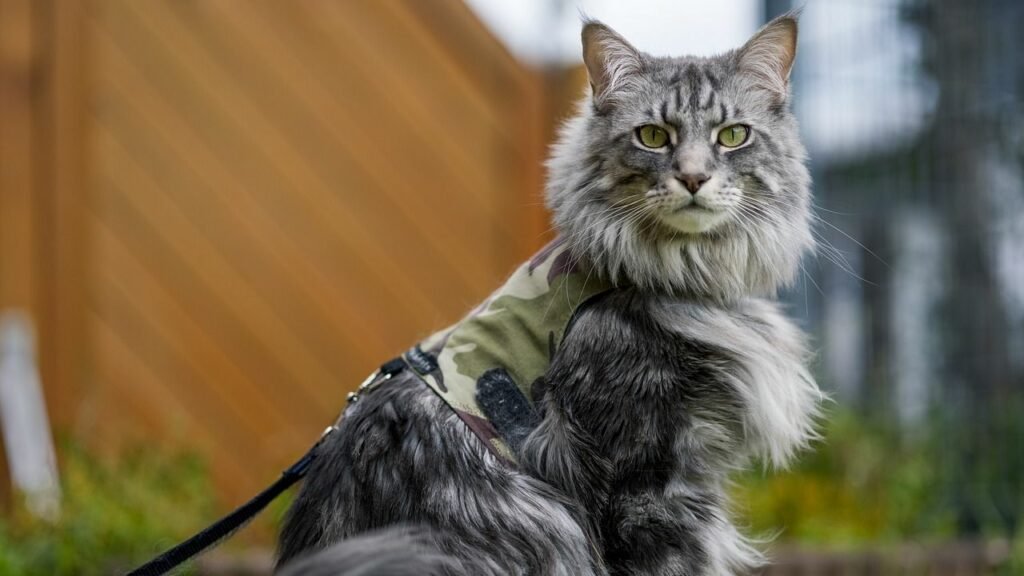
Have you ever imagined sharing your home with a cat that’s as big as your love for them? Big pet cat breeds can turn that dream into reality, and they offer a unique blend of companionship, playfulness, and awe-inspiring presence.
Imagine a cat that greets you with a gentle purr, yet has the majestic stature that demands admiration. These large felines not only bring joy but also become an integral part of your daily life, providing comfort and a sense of wonder.
Intrigued? Read on to discover which big cat breed might just be the perfect addition to your family and why their larger-than-life personalities can bring endless joy and excitement into your home.
Credit: worldanimalfoundation.org
Popular Large Cat Breeds
Large cat breeds are not just impressive because of their size—they bring unique personalities and charm that can change how you experience pet ownership. These big cats often have gentle temperaments and striking appearances, making them favorites for many families. If you want a cat that stands out both in stature and character, these popular large breeds deserve your attention.
Maine Coon
The Maine Coon is known as the gentle giant of the cat world. With their tufted ears and bushy tails, they look like little lions but are incredibly friendly and affectionate. If you have kids or other pets, a Maine Coon can be an ideal companion because of their playful yet patient nature.
Ragdoll
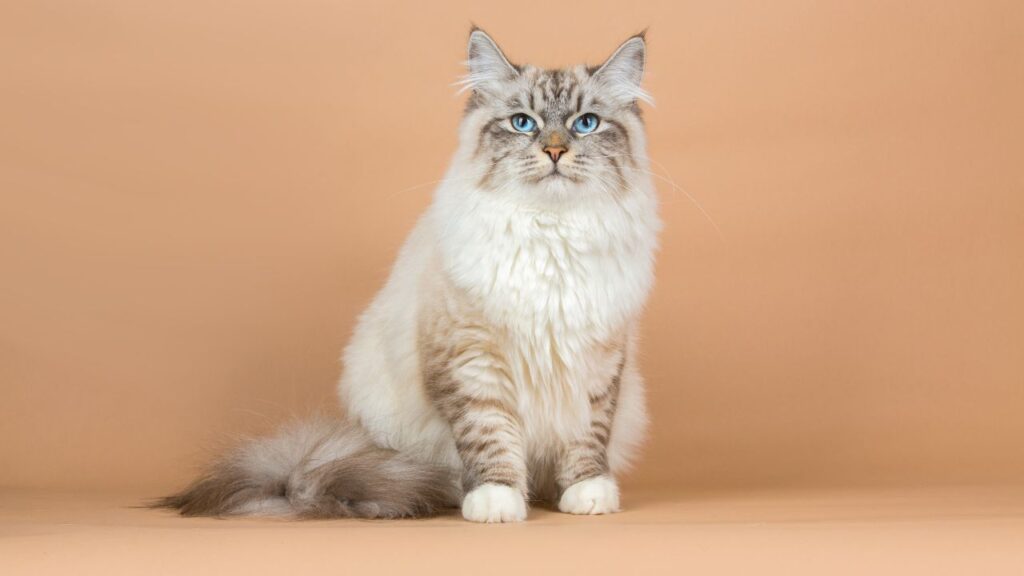
Ragdolls are famous for going limp when you pick them up, which is how they got their name. Their calm and loving demeanor makes them perfect for people who want a relaxed pet that enjoys cuddling. Have you ever seen a cat that seems to melt into your arms? That’s a Ragdoll for you.
Norwegian Forest Cat
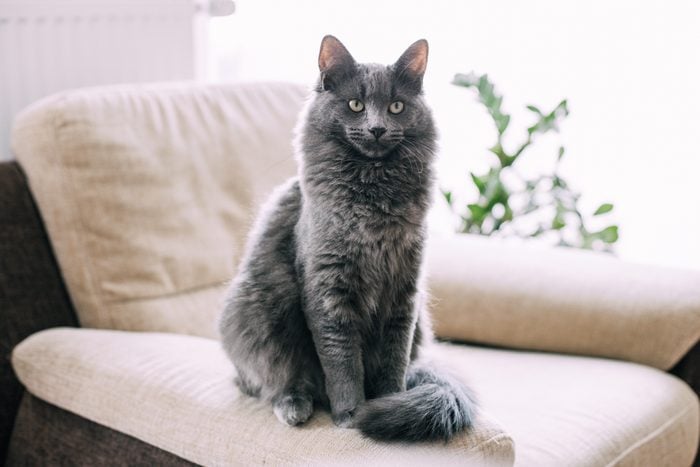
This breed boasts a thick, water-resistant coat built for cold climates, making them low-maintenance when it comes to grooming. Norwegian Forest Cats are adventurous but also enjoy quiet moments with their humans. They can easily adapt to both indoor and outdoor environments, offering you flexibility in how you care for them.
Savannah Cat
Savannah Cats are a mix between domestic cats and wild servals, giving them a striking spotted coat and an energetic personality. They often retain a playful, dog-like loyalty that can surprise you. If you want a cat that’s active and loves interaction, Savannahs might just be the breed to consider.
British Shorthair
British Shorthairs are sturdy, round-faced cats with dense fur that feels like plush velvet. Their calm and easygoing nature makes them excellent for first-time cat owners or busy households. Have you noticed how their big, round eyes seem to express curiosity and wisdom all at once?
Traits Of Gentle Giants
Big pet cat breeds often earn the nickname “gentle giants” because of their impressive size paired with surprisingly calm and loving behavior. These cats bring a unique blend of strength and softness to your home, making them stand out among other breeds. Understanding their traits can help you appreciate why they make such wonderful companions.
Temperament And Personality
Gentle giant cats tend to be calm and laid-back. Despite their size, they rarely show aggression and often enjoy quiet moments with their owners. You might be surprised how these cats can be both playful and peaceful, adapting their energy to the mood of the household.
Many owners report their large cats are patient and tolerant, especially with children and other pets. This patient nature makes them ideal for families looking for a loving yet low-drama pet. Have you noticed how some big cats seem to have a soothing presence?
Social Behavior
Big cats often enjoy social interaction but on their own terms. They may seek out your company for cuddles or quiet companionship without demanding constant attention. This balance allows them to be affectionate without overwhelming you.
These breeds usually get along well with other animals, including dogs and smaller pets. Their social skills often shine in multi-pet households, where they act as calm mediators. What kind of social environment do you think your cat would thrive in?
Adaptability To Families
One of the biggest advantages of gentle giant breeds is their adaptability. They handle changes in routine or environment better than many smaller, more nervous cats. This flexibility makes them great for families with kids or busy schedules.
They also tend to be forgiving if your attention isn’t always available. Their easygoing nature means they won’t stress easily, which helps maintain harmony in your home. Could a gentle giant be the stress-free addition your family needs?
Care Tips For Big Cats
Big pet cats need special care to stay healthy and happy. Their size affects their diet, exercise, and grooming. Caring for large cats requires attention to their unique needs. This section covers important tips for feeding, exercise, and grooming.
Feeding And Nutrition
Big cats require a balanced diet with enough protein to support their muscles. Choose high-quality cat food made for large breeds. Monitor their weight to avoid obesity. Provide fresh water at all times. Avoid overfeeding to prevent health problems. Feeding smaller portions multiple times a day works well.
Exercise And Play
Exercise is essential for big cats to maintain a healthy weight. Create space for them to run and jump safely. Use toys like feather wands and laser pointers to encourage activity. Regular play sessions improve their mood and reduce stress. Climbing trees or cat trees helps build strength.
Grooming Needs
Big cats often have thick fur that needs regular brushing. Brush them daily to remove loose hair and prevent mats. Check their ears and eyes for cleanliness. Trim their nails carefully to avoid damage. Bathing is rarely necessary but can help if they get dirty. Grooming strengthens your bond with your pet.

Credit: www.aol.com
Choosing The Right Large Cat
Choosing the right large cat breed means thinking about many important factors. Big cats need special care and space. Their size affects their daily life and health. Understanding these needs helps create a happy home for your pet. Consider your lifestyle, available space, and health concerns before making a choice.
Lifestyle Considerations
Large cats often need more attention and playtime. They can be active or calm, so choose a breed that fits your daily routine. Some big cats enjoy being with people, while others prefer quiet environments. Think about your work hours, family members, and other pets. A breed that matches your lifestyle leads to a better bond and less stress for your cat.
Space Requirements
Big cats need room to move and explore. Small apartments may not be ideal for large breeds. They benefit from vertical space like cat trees and shelves. Outdoor access can be good but must be safe. Plan for enough space to place their bed, toys, and litter box comfortably. Proper space helps keep your cat healthy and happy.
Health Factors
Large cat breeds can have specific health issues. Some are prone to joint problems or heart conditions. Regular vet visits are a must to catch problems early. Feed them a balanced diet suited for their size and needs. Exercise helps prevent obesity, a common issue in big cats. Knowing common health risks helps you give the best care possible.
Common Health Issues
Big pet cat breeds often face unique health challenges due to their size and build. Understanding these common health issues can help you provide better care and improve your cat’s quality of life. Let’s look at some key areas you should watch closely.
Joint And Mobility Concerns
Large cats put extra pressure on their joints, which can lead to arthritis and other mobility problems. You might notice your cat moving slower or hesitating to jump on furniture. Early signs can be subtle, like stiffness after rest or reluctance to play.
Providing soft bedding and encouraging gentle exercise can keep joints healthier. Have you observed your big cat stretching or grooming less? These can be signs of discomfort worth discussing with your vet.
Weight Management
Big cats are prone to gaining excess weight, which worsens joint stress and increases the risk of diabetes. It’s tempting to spoil your feline friend with treats, but balancing their diet is crucial. Feeding measured portions of high-quality food helps maintain a healthy weight.
Regular play sessions not only keep your cat active but also burn calories. Have you tried interactive toys that stimulate both mind and body? These can make exercise fun and effective.
Regular Vet Checkups
Routine vet visits catch health issues before they become serious. Large breeds benefit from more frequent checkups, especially as they age. Your vet can monitor joint health, weight, and other vital signs.
Don’t wait for obvious symptoms to appear. How often do you schedule your cat’s vet appointments? Staying proactive can add years to your pet’s life and comfort.
Creating A Comfortable Home
Creating a comfortable home is essential for big pet cat breeds. These cats need space, safety, and fun to stay happy. Their size and energy require thoughtful planning. A cozy environment helps them relax and feel secure. It also supports their physical and mental health. Let’s explore key ways to make a home perfect for large cats.
Cat-friendly Furniture
Choose furniture that supports your cat’s size and strength. Avoid small or fragile pieces. Provide wide, sturdy cat trees and shelves. These allow climbing and resting comfortably. Use soft but durable cushions for naps. Scratch posts should be tall and stable. Furniture should be easy to clean and safe.
Safe Indoor Environment
Keep your large cat indoors to protect them. Remove small objects they might swallow. Cover electrical cords to avoid chewing hazards. Ensure windows have secure screens. Avoid toxic plants and chemicals at home. Create quiet spaces where your cat can hide. Safety helps prevent accidents and stress.
Mental Stimulation
Big cats need mental challenges to stay sharp. Provide puzzle toys with treats inside. Rotate toys regularly to keep interest alive. Spend time playing interactive games daily. Use boxes or tunnels for exploring. Training sessions with simple commands can engage them. Mental activity reduces boredom and destructive behavior.
Credit: www.rd.com
Frequently Asked Questions
What Are The Biggest Cat Breeds For Pets?
Biggest pet cat breeds include Maine Coon, Savannah, and Ragdoll. These cats can weigh over 15 pounds and have a large, muscular build. They are gentle giants, perfect for families seeking affectionate and sizable feline companions.
How Do Big Cat Breeds Differ In Personality?
Large cat breeds like Maine Coons are friendly and social. Ragdolls are calm and affectionate, often called “dog-like. ” Savannah cats are active and curious. Each big breed has a unique personality, making them great for different lifestyles and homes.
Are Big Pet Cats Suitable For Small Homes?
Big cats can adapt to smaller homes if given enough space and stimulation. They need room to move and play but don’t require outdoor access. Proper care and attention ensure they thrive in various living environments.
What Special Care Do Big Cat Breeds Require?
Big cat breeds need regular grooming due to their thick fur. They require a balanced diet to maintain healthy weight and muscle. Routine vet visits are essential to monitor their health and prevent breed-specific issues.
Conclusion
Big pet cat breeds bring charm and size to any home. They often have gentle, friendly personalities. These cats enjoy playtime and lots of attention. Choosing a big cat means more cuddles and fun. Each breed has unique traits that suit different families.
Think about space and care needs before bringing one home. These cats make loyal and loving companions. Big cats can brighten your life every day. Consider adopting one for a joyful pet experience.
