

Are you fascinated by cats that make a big impression? Big house cat breeds bring a unique charm and presence to your home.
These gentle giants aren’t just large in size—they often have huge hearts too. If you’ve ever wondered which cat breeds stand out because of their size and personality, you’re in the right place. Keep reading to discover the most impressive big house cats and find out which one could be the perfect fit for your family.
Your next furry friend might just be bigger than you expected!
Giant Cat Breeds
Giant cat breeds bring a unique charm to any home. Their impressive size often surprises visitors, but it’s their gentle personalities that truly captivate. If you’ve ever wondered what living with a big cat feels like, these breeds offer a perfect mix of size, beauty, and affection.
Maine Coon
The Maine Coon stands out as one of the largest domestic cat breeds. Their tufted ears and bushy tails give them a wild look, but they’re incredibly friendly and playful. I once met a Maine Coon who loved to follow its owner everywhere, almost like a loyal dog, proving their affectionate nature.
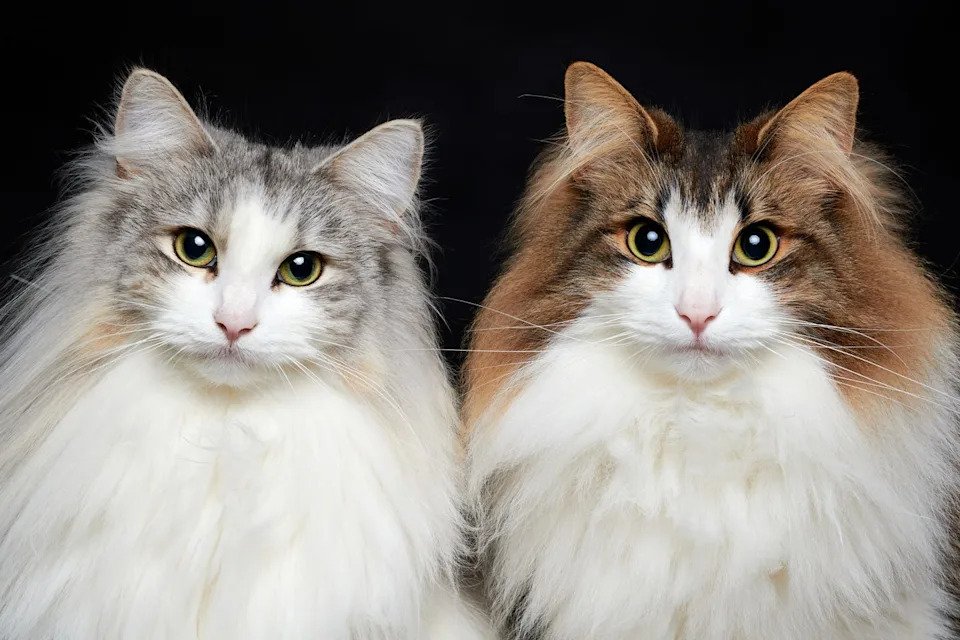
Norwegian Forest Cat
With a thick coat designed for cold climates, the Norwegian Forest Cat looks like it’s ready for an arctic adventure. These cats are strong and agile, often enjoying climbing and exploring high places in your home. Have you noticed how they often choose the sunniest windowsill to lounge on? It’s a favorite spot for them to relax and watch the world.
Ragdoll
Ragdolls are known for their striking blue eyes and laid-back attitude. They often go limp when you pick them up, which is how they got their name. If you want a cat that loves cuddling and stays calm around kids or other pets, the Ragdoll could be your perfect companion.
Savannah Cat
Savannah Cats combine the wild look of a leopard with a domestic cat’s personality. They are tall, lean, and incredibly active, requiring plenty of playtime and mental stimulation. If you’re ready to engage with a cat that’s almost like having a small exotic pet, the Savannah will keep you on your toes.
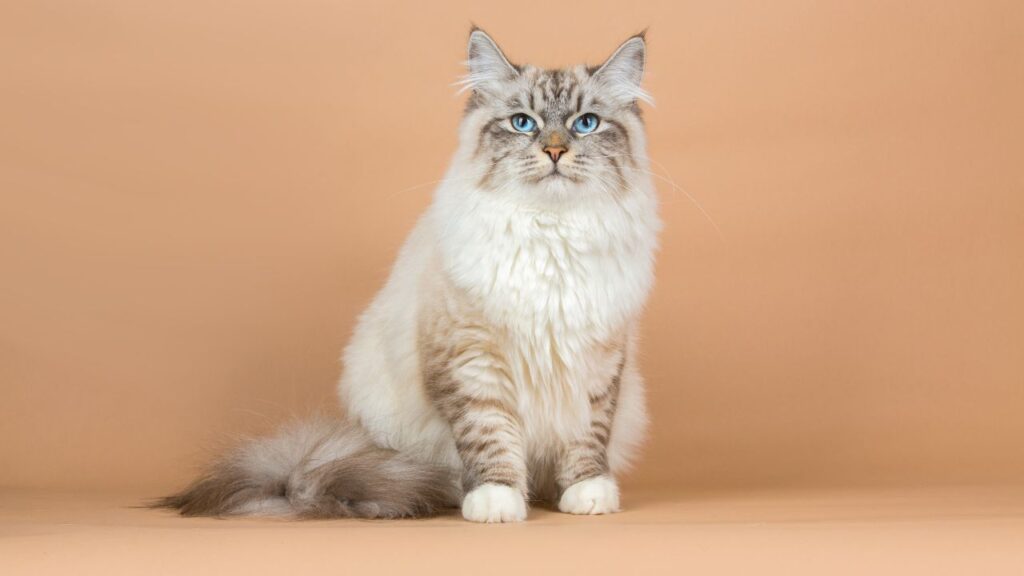
Siberian Cat
The Siberian Cat has a dense, water-resistant coat that makes it look like a fluffy bear. They’re known for their playful spirit and strong bonds with their owners. When you see a Siberian pounce after a toy or curl up by your side, it’s clear why they make such loyal companions.

Credit: worldanimalfoundation.org
Physical Traits Of Large Cats
Large house cat breeds captivate many with their impressive size and unique physical traits. Understanding these features helps you appreciate their distinct charm and better care for them. Let’s dive into what makes these big cats stand out physically.
Size And Weight
Large cat breeds often weigh between 15 to 25 pounds, with some even tipping the scales beyond 30 pounds. Their muscular build gives them a powerful presence in any room. Have you noticed how their size doesn’t slow them down? They move with surprising agility despite their bulk.
Take the Maine Coon, for example. It’s known as the gentle giant of the cat world, reaching lengths of up to 40 inches from nose to tail. This size allows them to be excellent hunters and playful companions.
Coat And Color Patterns
Big cats often boast thick, luxurious coats that require regular grooming to keep them healthy. Their fur can be long or medium in length, offering warmth and a soft touch. Do you prefer a solid color or a patterned coat? Large cats come in a wide range of colors and patterns, including:
- Classic tabby stripes
- Spotted or rosette markings
- Solid black, white, or gray coats
- Unique color blends like silver or cream
These patterns not only add to their beauty but also hint at their breed origins and genetics.
Facial Features
The faces of large cat breeds often have striking features that give them a noble look. Many have broad heads with strong jawlines, accentuating their size. Eyes can be large and expressive, drawing you in with their intensity.
Some breeds, like the Norwegian Forest Cat, have a distinctive triangular face and tufted ears that add to their wild appearance. You might find yourself staring into those eyes, wondering what stories they could tell. How do these unique features affect your connection with your cat?
Personality And Temperament
Big house cat breeds often have unique personalities that match their large size. Their temperament varies widely, making each breed special. Understanding their behavior helps owners provide the best care and companionship. Personality traits influence how these cats interact with people and their environment.
Affection Levels
Many large cat breeds show strong affection toward their owners. They enjoy being petted and cuddled. Some breeds are lap cats, loving close contact. Others prefer gentle attention and quiet moments. Affection can also depend on the cat’s mood and day.
Activity And Playfulness
Big cats often stay playful well into adulthood. They need regular exercise to stay healthy. Play can include chasing toys or climbing structures. Some breeds are energetic and love interactive games. Others may be calm but still enjoy light play sessions.
Social Behavior
Social traits vary among large cat breeds. Many are friendly with strangers and other pets. Some prefer small groups or one-on-one time. They often communicate through purring and body language. Understanding their social needs helps create a happy home.

Credit: www.oakleighcentralvet.com.au
Care Tips For Big Cats
Big house cats need special care to stay healthy and happy. Their size means they have unique needs. Understanding these needs helps provide the best life for these gentle giants.
Dietary Needs
Big cats require a balanced diet rich in protein. High-quality meat is essential for muscle strength. Avoid fillers like corn or soy. Feeding portions should match their size and activity level. Fresh water must always be available. Some big cats benefit from supplements like omega-3 for coat health.
Exercise Requirements
Exercise keeps big cats fit and prevents obesity. They need daily play sessions to burn energy. Use toys that mimic prey to stimulate natural hunting instincts. Climbing structures support their large bodies. Space to roam freely is important for mental health.
Grooming Challenges
Big cats often have thick fur that mats easily. Regular brushing reduces shedding and hairballs. Bathing is less frequent but necessary if they get dirty. Nail trimming helps prevent damage to furniture and skin. Check ears and teeth regularly to avoid infections.
Choosing The Right Giant Cat
Choosing the right giant cat breed means matching their unique needs with your lifestyle. These big cats bring more than just size—they bring personality, energy, and specific care requirements. Think carefully about what fits your home and family before making this big commitment.
Living Space Considerations
Big house cats need room to move and explore. If your space is tight, a large active breed might feel cramped and stressed. Consider breeds like the Maine Coon, which adapts well to apartments if given enough vertical space through cat trees or shelves.
Do you have enough quiet spots for your giant cat to retreat? These cats often enjoy climbing and lounging high up, so think about how you can add these features to your home. Lack of space can lead to destructive behavior, so plan carefully.
Allergies And Health Issues
Some giant cats, like the Siberian, are known to produce fewer allergens, which can be a relief if you or family members have mild allergies. However, their thick coats require regular grooming to prevent matting and skin problems.
Large breeds are prone to specific health issues such as hip dysplasia or heart conditions. Checking the breeder’s health records and discussing potential risks with a vet can save you future worry. Are you ready for the grooming and vet visits a giant cat might demand?
Compatibility With Families And Pets
Think about how your giant cat will fit into your family dynamic. Breeds like the Ragdoll are known for their gentle nature and tolerance with children and other pets. On the other hand, some large cats may prefer a quieter environment.
Introducing a giant cat to other pets requires patience and gradual interaction. How will your current pets react to a new, large feline presence? Planning this carefully ensures a smoother transition and happier household.
Credit: worldanimalfoundation.org
Frequently Asked Questions
What Are The Biggest Cat Breeds In The World?
The biggest cat breeds include the Maine Coon, Savannah, and Norwegian Forest Cat. These breeds can weigh over 15 pounds. They are known for their large size, friendly nature, and striking appearance, making them popular among cat lovers.
How Large Do Maine Coon Cats Grow?
Maine Coons can grow up to 40 inches long, including their tail. They typically weigh between 13 to 18 pounds. Their large size, tufted ears, and bushy tail make them one of the largest and most majestic domestic cat breeds.
Are Big House Cats Good Pets For Families?
Yes, big house cats like Maine Coons and Norwegian Forest Cats are great family pets. They are gentle, social, and adapt well to children and other pets. Their playful and affectionate nature makes them excellent companions.
Do Large Cat Breeds Require Special Care?
Large cat breeds need regular grooming to maintain their thick fur. They also benefit from a balanced diet to support their size and health. Regular vet check-ups are essential to monitor any breed-specific health issues.
Conclusion
Big house cat breeds bring charm and size into your home. They often have gentle, calm personalities that fit family life. These cats need space to roam and play comfortably. Regular care and love help them stay happy and healthy.
Choosing a big breed means welcoming a loving, loyal companion. Each breed offers something special and unique. Think about your lifestyle before picking the right cat. A big cat can fill your home with warmth and joy.
