

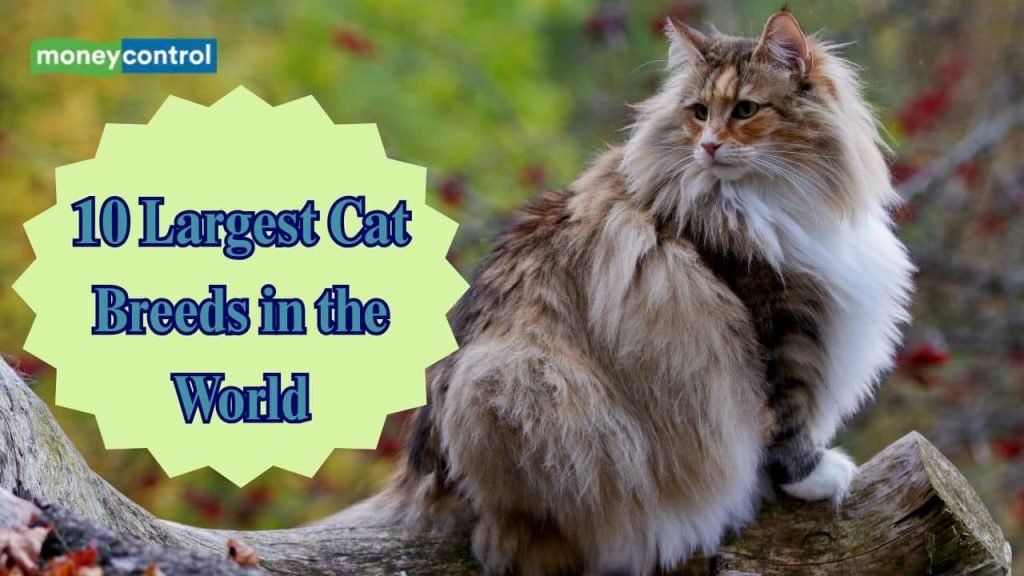
Are you fascinated by big cats but want the comfort of having one at home? Big domestic cat breeds might be exactly what you’re looking for.
These majestic felines are not only impressive in size but also full of personality and charm. Imagine sharing your space with a gentle giant who’s both playful and loyal. If you’ve ever wondered which large cat breeds make great pets, this guide will help you discover the perfect companion for your lifestyle.
Keep reading to find out what makes these big cats so special and how they can fit into your home.

Credit: worldanimalfoundation.org
Popular Giant Cat Breeds
Big domestic cat breeds often surprise people with their size and personality. These gentle giants combine impressive looks with friendly behavior. If you think large cats must be wild or untamed, think again—many giant breeds are affectionate and perfect for families.
Maine Coon
The Maine Coon is one of the largest domestic cat breeds you can find. Its thick, water-resistant fur keeps it warm in cold climates, which is perfect if you live somewhere chilly. I once met a Maine Coon that acted more like a loyal dog, following its owner everywhere and even playing fetch.
They are known for being social and easygoing, making them great companions. If you want a cat that’s big, fluffy, and friendly, this breed is a solid choice.
Savannah Cat
Savannah Cats stand out with their exotic looks and tall, lean bodies. They’re a cross between a domestic cat and a wild serval, which gives them a unique appearance and high energy levels. You should be ready to give them plenty of playtime and mental stimulation.
These cats often form strong bonds with their owners and enjoy interactive toys. If you want a cat that’s both a pet and a conversation starter, the Savannah might be your perfect match.
Norwegian Forest Cat
The Norwegian Forest Cat has a rugged look with a thick double coat designed for harsh winters. They’re natural climbers and love exploring vertical spaces in your home. I’ve seen one gracefully leap from a high shelf to the floor, showing off its incredible agility despite its size.
This breed is calm and patient, making them ideal for homes with children or other pets. If you value a cat that’s both majestic and easy to live with, consider the Norwegian Forest Cat.
Ragdoll
Ragdolls are famous for their striking blue eyes and soft, semi-long fur. Their name comes from their tendency to go limp when you pick them up, which shows how relaxed and trusting they are. Many owners say their Ragdolls feel more like lap dogs than typical cats.
They love being held and cuddled, making them perfect if you want a cat that enjoys close contact. If a calm, affectionate giant cat fits your lifestyle, the Ragdoll is worth exploring.

Credit: www.yahoo.com
Physical Traits Of Large Cats
Large domestic cats captivate us not just with their size but with their striking physical traits. Understanding these features helps you appreciate their unique beauty and care needs. Let’s break down what makes these big cats stand out physically.
Size And Weight
Big domestic cats often weigh between 15 to 25 pounds, though some can tip the scales even higher. Their length can reach up to 40 inches from nose to tail tip, making them impressive in stature.
You might wonder how their size affects their agility and daily activity. Despite their bulk, many large cats remain surprisingly nimble and playful, proving that size doesn’t always mean sluggishness.
Coat And Colors
Coat patterns vary widely among large cat breeds, ranging from solid colors to spots and stripes. Common colors include shades of brown, black, silver, and even cream, often mixed with intricate markings.
Have you noticed how a cat’s coat can influence your care routine? Thicker, denser coats might require more grooming to prevent matting and keep your cat comfortable.
Distinctive Features
Large cats often boast distinctive features such as tufted ears, bushy tails, and broad paws. These traits aren’t just for show—they serve practical purposes like enhanced hearing and balance.
Think about the expressive eyes and prominent whiskers you see on these cats. These features help them navigate their environment and communicate their mood, making interactions more engaging for you and your feline friend.
Temperament And Personality
Understanding the temperament and personality of big domestic cat breeds is crucial for anyone considering adding one to their home. These cats bring unique traits that can greatly influence your daily life. Let’s look closely at how their social behavior, activity levels, and interaction with families shape their character.
Social Behavior
Big domestic cats often surprise people with their social nature. Unlike the common belief that large cats are aloof, many enjoy companionship and seek attention.
You might notice your big cat greeting guests or following family members around the house. They tend to form strong bonds, especially with those who spend quality time with them.
However, some breeds prefer selective social interaction, so observe your cat’s cues to avoid overwhelming them.
Activity Levels
Don’t expect a big domestic cat to be a lazy lounger all day. Many of these breeds have high energy and require regular playtime to stay happy and healthy.
Engaging your cat with toys, climbing structures, or interactive games can prevent boredom and destructive behavior.
Have you noticed how a simple feather wand can ignite your cat’s hunting instincts? That’s not just play—it’s essential exercise for their mental and physical well-being.
Interaction With Families
Big domestic cats can be excellent family members if their personality fits your household’s vibe. They often enjoy being part of family routines and can be patient with children when properly introduced.
Still, it’s important to teach kids how to respect the cat’s space to build a positive relationship.
Many owners share stories of their large cats acting like gentle giants, offering comfort and even seeming protective of their human family.
Care Tips For Giant Cats
Caring for giant domestic cats requires more attention than smaller breeds. Their size means they have unique needs that affect their health and happiness. Understanding these needs helps you provide the best environment and care.
Nutrition Needs
Giant cats burn more calories, so they need a diet rich in protein and balanced nutrients. You should choose high-quality cat food designed for large breeds or active cats.
Watch their weight carefully. Overfeeding can lead to obesity, which strains their joints and heart. Feeding measured portions twice a day keeps their metabolism steady.
Adding supplements like omega-3 fatty acids can improve their coat and joint health. Have you noticed if your cat prefers wet or dry food? Mixing both often keeps them interested and hydrated.
Exercise And Play
Big cats need regular exercise to stay fit and avoid boredom. Create play sessions that challenge their strength and agility, like using sturdy toys or climbing trees.
Try interactive toys that mimic prey movements. This keeps their hunting instincts sharp and their minds active.
Remember, a tired giant cat is a happy giant cat. How often do you engage your cat in playtime? Consistency is key to preventing destructive behavior.
Grooming Requirements
Large cats often have thick or long fur that needs frequent grooming. Brushing them several times a week reduces shedding and prevents mats.
Bathing isn’t usually necessary unless they get dirty, but regular nail trimming is important. Their bigger claws can cause damage if left too long.
Dental care is critical too. Brushing their teeth or providing dental treats helps avoid problems that are harder to manage in bigger cats.
Health Concerns In Big Breeds
Big domestic cat breeds like the Maine Coon, Ragdoll, and Norwegian Forest Cat bring joy with their impressive size and gentle nature. However, their larger frames come with specific health concerns that you should never overlook. Understanding these issues helps you keep your big feline friend healthy and thriving.
Common Health Issues
Big breeds are more prone to certain health problems due to their size. Joint issues like hip dysplasia and arthritis often affect them because of the extra weight their bones and muscles carry. Heart conditions such as hypertrophic cardiomyopathy (HCM) are also common, especially in breeds like the Maine Coon.
Some cats develop obesity more easily, which worsens joint and heart problems. You might notice your cat slowing down or having difficulty jumping, signaling possible discomfort. Have you observed any unusual changes in your big cat’s activity or appetite?
Preventive Care
Preventive care plays a crucial role in managing health risks for large cats. Feeding a balanced diet tailored for their size and activity level helps avoid obesity and supports joint health. Adding supplements like omega-3 fatty acids can reduce inflammation and promote mobility.
Regular exercise stimulates muscles and keeps your cat agile. Simple things like interactive toys or climbing trees encourage movement. What fun ways can you introduce more activity into your cat’s daily routine?
Regular Vet Visits
Frequent check-ups are vital to catch health issues early. Your vet can monitor weight, heart function, and joint condition through exams and tests. Early detection of problems like HCM or arthritis allows for timely treatment, improving your cat’s quality of life.
Don’t wait for symptoms to appear before scheduling visits. Making vet appointments a routine part of your cat’s care can prevent small issues from becoming serious. How often are you taking your big cat for a health check?

Credit: www.hindustantimes.com
Choosing The Right Giant Cat
Choosing the right giant cat means more than just picking a breed that looks impressive. These large domestic cats have unique needs that affect your daily life and living space. Think about your routine, home size, and where you want to get your cat from before making a decision.
Lifestyle Compatibility
Giant cats often require more attention and interaction than smaller breeds. If you work long hours or travel frequently, some giant cats may feel lonely or stressed. Consider breeds known for being independent if your schedule is busy, or choose social breeds if you want a playful companion.
Ask yourself: Can you commit time every day to play, grooming, and bonding? Your lifestyle will shape how happy your giant cat can be.
Space Considerations
Big cats need room to move and explore. A cramped apartment can quickly become overwhelming for a large feline. Make sure you have enough space for climbing trees, scratching posts, and cozy resting spots.
If your living area is limited, think about creative solutions like vertical shelves or window perches. Space isn’t just about size; it’s about providing an environment that keeps your cat mentally and physically healthy.
Adoption Vs. Breeder
Deciding whether to adopt or buy from a breeder can impact your experience with a giant cat. Adoption often offers a chance to give a home to a cat in need, including those large breeds or mixes. However, breeders can provide specific information about health and temperament.
Consider visiting local shelters or breed-specific rescues first. If you go through a breeder, research their reputation carefully to avoid unethical practices. What values matter most to you when bringing a giant cat into your life?
Frequently Asked Questions
What Are The Biggest Domestic Cat Breeds?
The biggest domestic cat breeds include Maine Coon, Savannah, and Ragdoll. These cats are known for their large size and gentle nature. Maine Coons can weigh up to 18 pounds, Savannahs are tall and lean, while Ragdolls are muscular and fluffy.
How Big Do Maine Coon Cats Get?
Maine Coon cats typically weigh between 13 to 18 pounds. Males are larger than females. They can grow up to 40 inches in length, including their tail. Known for their size, they are one of the largest domesticated cat breeds worldwide.
Are Big Domestic Cats Good Family Pets?
Yes, big domestic cats are excellent family pets. They are friendly, affectionate, and social. Breeds like Ragdolls and Maine Coons adapt well to children and other pets. Their gentle temperament makes them ideal companions for families seeking a larger cat.
Do Big Cat Breeds Require Special Care?
Big cat breeds need regular grooming to maintain their thick coats. They require balanced nutrition to support their size and energy. Regular vet visits are important to monitor their health. Providing enough space and playtime helps keep them happy and active.
Conclusion
Big domestic cat breeds bring charm and strength to any home. These cats often have gentle, loving personalities. They enjoy playtime and calm moments alike. Choosing the right big cat means knowing their needs. Size can be impressive, but care is key.
Each breed offers unique traits and surprises. Remember, a happy cat makes a happy owner. Consider your lifestyle before bringing one home. Big cats can be wonderful companions for many families. They truly add warmth and joy to life.
