

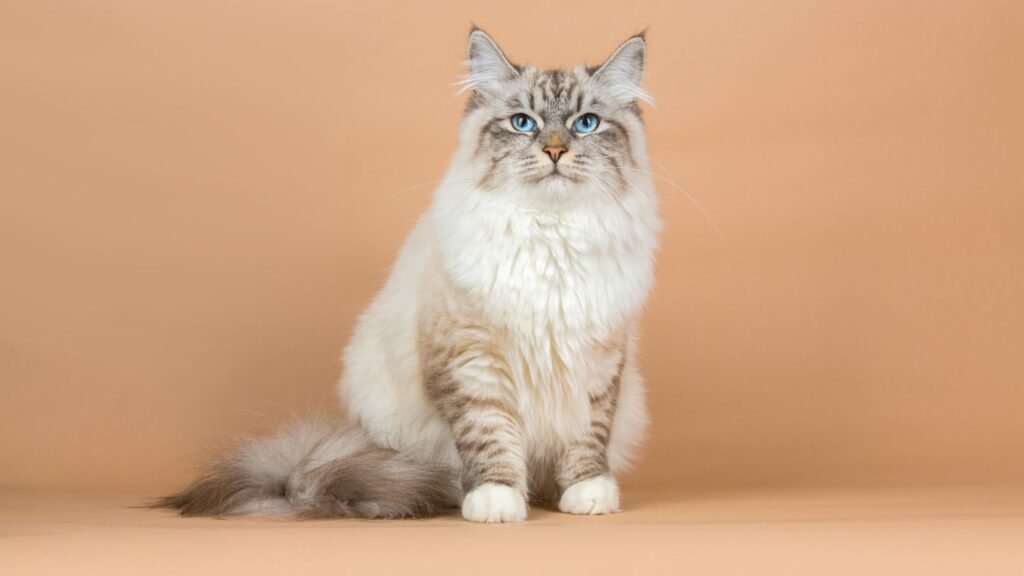
Imagine standing face to face with a creature that embodies both grace and power. Big cats are fascinating animals that capture our imagination with their majestic presence and mysterious allure.
Whether it’s the commanding roar of a lion or the stealthy elegance of a leopard, these creatures hold a special place in our hearts and minds. But did you know there are several breeds of big cats, each with its unique characteristics and charm?
By the time you finish reading, you’ll not only have a newfound appreciation for these magnificent animals but also some intriguing insights that you can share with friends. Are you ready to discover what makes each big cat breed so captivating? Let’s dive in and explore these incredible creatures together.
Types Of Big Cats
Big cats capture our imagination with their power, grace, and unique characteristics. Each species brings something different to the table, from hunting styles to habitats. Understanding the types of big cats helps you appreciate their diversity and the roles they play in nature.
Lions
Lions are known as the “king of the jungle,” but they actually live mostly in grasslands and savannas. They hunt in groups called prides, which is rare among big cats. If you ever watch a lion pride, you’ll notice how teamwork changes the game compared to solitary hunters.
Tigers
Tigers are the largest of the big cats and are famous for their striking stripes. Each tiger’s pattern is unique, almost like a fingerprint. Their solitary and stealthy hunting style contrasts sharply with the social nature of lions.
Leopards
Leopards are incredibly adaptable and can live in many environments, from forests to mountains. They are excellent climbers and often stash their prey in trees to keep it safe from scavengers. Have you ever thought about how this behavior gives leopards a survival edge?
Jaguars
Jaguars have the strongest bite relative to their size among big cats. They live mostly in the dense rainforests of Central and South America. Unlike leopards, jaguars often hunt aquatic prey, showing how diverse big cat diets can be.
Cheetahs
Cheetahs are built for speed, reaching up to 60-70 mph in short bursts. Their slender bodies and large nasal passages help them sprint after fast prey. Watching a cheetah chase is a reminder of how evolution tailors animals perfectly for their lifestyle.
Snow Leopards
Snow leopards thrive in cold, mountainous regions where few other predators can survive. Their thick fur and long tail help them maintain balance and warmth. Have you ever wondered how animals adapt to such harsh climates without losing agility?
Cougars
Also called mountain lions or pumas, cougars have the largest range of any wild terrestrial mammal in the Western Hemisphere. They are solitary and stealthy, often hunting at dawn or dusk. Their ability to live in varied habitats—from deserts to forests—shows their incredible resilience.

Credit: www.rd.com
Physical Features
Big cats have distinct physical features that help them survive in the wild. These features vary by species but share common traits. They use their size, fur, claws, and eyes to hunt and protect themselves. Understanding these features reveals how powerful and adapted these animals are.
Size And Weight
Big cats vary greatly in size and weight. Tigers are the largest, weighing up to 670 pounds. Lions can weigh around 420 pounds. Leopards and jaguars are smaller but very strong. Size helps them overpower prey and defend territory.
Coat Patterns
Coat patterns help big cats blend into their environment. Tigers have bold stripes that break their outline in forests. Leopards and jaguars have rosettes, which look like spots with darker centers. Lions usually have a plain tan coat, with males sporting a thick mane. These patterns provide camouflage and protection.
Claws And Teeth
Big cats have sharp, retractable claws. These claws help them catch and hold prey. Their teeth are strong and sharp, perfect for tearing meat. The large canine teeth can deliver a fatal bite. Claws and teeth are vital tools for hunting and survival.
Eye Adaptations
Big cats have excellent night vision. Their eyes have a special layer called the tapetum lucidum. It reflects light and improves vision in the dark. This helps them hunt at night. Their eyes also have a wide field of view for spotting movement. Such adaptations increase their chances of catching prey.
Habitats And Distribution
Big cats live in many places around the world. Their homes depend on the species and their needs. These habitats provide food, shelter, and space to roam. Understanding where big cats live helps us protect them better.
Savannas And Grasslands
Many big cats thrive in open savannas and grasslands. Lions are the most famous residents of these areas. They enjoy wide spaces to hunt and live in groups. Leopards also live here but prefer dense bushes for hiding.
Rainforests
Rainforests offer dense cover and many prey animals. Jaguars are the rulers of these wet, green forests. They use trees and water to hunt and stay safe. Tigers also live in some rainforest areas, especially in Asia.
Mountains
Some big cats are built to live in cold, rocky mountains. Snow leopards roam high altitudes in Central Asia. They have thick fur and strong legs to climb steep slopes. Mountain habitats keep them safe from many threats.
Deserts
Few big cats survive in harsh deserts. The Arabian leopard is one example. They find shelter in rocky areas and hunt small animals at night. Deserts require special skills and adaptations to live there.
Hunting Techniques
Big cats use a variety of hunting techniques to catch their prey. Each species has unique skills that help it survive in the wild. Understanding these methods reveals the power and grace of these animals.
Stalking And Ambush
Many big cats rely on stalking to get close to their prey. They move slowly and quietly, using cover like tall grass or trees. Once near, they launch a sudden attack. This surprise helps them catch prey before it can run away.
Speed And Agility
Some big cats depend on speed to chase down prey. They sprint quickly over short distances. Their strong muscles and flexible bodies aid in quick turns. This makes it hard for prey to escape during the chase.
Team Hunting
Certain big cats hunt in groups to catch larger animals. They work together to surround or drive prey into traps. Teamwork increases their chances of a successful hunt. Lions are famous for using this technique.
Diet Preferences
Big cats choose prey based on their size and habitat. Some prefer small animals like birds or rodents. Others hunt large herbivores like deer or buffalo. Their diet shapes their hunting style and energy needs.
Behavior And Social Life
Big cats have unique behaviors that shape their social lives. Each species shows different ways of living and interacting. Understanding these behaviors helps us learn how they survive and thrive in the wild. Their social life often depends on territory, communication, mating, and care of young cubs.
Territorial Marking
Big cats mark their territory to keep others away. They use scent glands, urine, and scratch marks on trees. These signs warn other cats about their presence. Territory size varies with species and habitat. Males usually have larger territories than females.
Communication Methods
Big cats communicate using sounds, smells, and body language. Roars and growls can signal danger or strength. Purring and chuffing show contentment or friendliness. They also use facial expressions and tail movements to send messages. Scent marking adds another layer to their communication.
Mating Rituals
Mating rituals in big cats involve specific behaviors. Males often compete for females through displays of strength. Females signal readiness through vocal calls and scent marks. Courtship can last several days with mutual grooming and rubbing. These rituals help ensure successful mating and healthy offspring.
Raising Cubs
Female big cats raise cubs alone in most cases. They choose safe dens for protection. Mothers teach cubs to hunt and survive by example. Cubs stay with their mother until they are strong enough to live independently. This period is crucial for their growth and learning.

Credit: worldanimalfoundation.org
Conservation Status
The conservation status of big cat breeds reveals a stark reality about their struggle to survive in the wild. Many species face critical threats that push them closer to extinction each year. Understanding these challenges helps you see why protecting them matters more than ever.
Threats To Survival
Big cats encounter numerous dangers that threaten their existence. Habitat loss due to deforestation and human expansion shrinks their living space rapidly.
Poaching remains a major threat, driven by illegal wildlife trade targeting their skins, bones, and other parts.
Have you ever wondered how a single road or settlement can disrupt an entire ecosystem? These disruptions fragment habitats, making it harder for big cats to find mates and hunt.
Protected Areas
Creating and maintaining protected areas is crucial for big cat survival. National parks and wildlife reserves offer safe spaces where hunting is banned, and natural habitats are preserved.
However, not all protected areas are equal. Some suffer from poor management or lack of funding, reducing their effectiveness.
Imagine a sanctuary where rangers actively patrol and monitor wildlife; this hands-on approach can significantly boost big cat populations.
Breeding Programs
Captive breeding programs play a vital role in conserving endangered big cat breeds. They help maintain genetic diversity and can reintroduce animals into the wild.
Successful programs require careful planning and expert knowledge to avoid inbreeding and ensure healthy offspring.
Have you heard about the Amur leopard’s comeback? Intensive breeding efforts have helped increase its numbers from fewer than 30 individuals to over 100 in the wild.
Community Involvement
Your role as a community member can influence big cat conservation more than you think. Local people living near big cat habitats often face conflicts, such as livestock losses, which can lead to retaliation.
Involving communities in conservation efforts through education, compensation, and eco-tourism creates incentives to protect these predators.
Would you support a project that benefits both wildlife and your neighbors? Building partnerships between conservationists and communities proves to be a powerful strategy.
Unique Adaptations
Big cats have amazing traits that help them survive in wild places. These unique adaptations make them strong hunters and skilled survivors. Each trait is fine-tuned for their environment and lifestyle. Understanding these traits shows how big cats thrive despite challenges.
Night Vision
Big cats can see well in the dark. Their eyes have special cells that catch even small light. This ability helps them hunt at night when prey is easier to catch. Night vision gives them an edge over other animals.
Silent Movement
Stealth is key for big cats. Their paws have soft pads that reduce noise. They also have sharp claws that help them grip surfaces quietly. This silent movement lets them sneak close to prey without being noticed.
Heat Regulation
Big cats live in hot places. They have ways to stay cool. Their short fur reflects sunlight. They rest in shade during the hottest hours. Some sweat through their paws to cool down. These methods prevent overheating.
Climbing Skills
Many big cats climb trees with ease. Their strong muscles and sharp claws help them climb fast. Trees provide safety and a good view. Climbing also helps them catch prey or escape danger.

Credit: www.moneycontrol.com
Cultural Significance
Big cats have fascinated humans for centuries, not just as majestic creatures but as symbols deeply woven into our cultures. Their presence goes beyond the wild—they shape stories, beliefs, and art around the world. Understanding their cultural significance helps you see these animals in a new light and appreciate their impact on human history and society.
Mythology And Folklore
Big cats often appear as powerful figures in myths and legends. In many cultures, they represent strength, courage, and protection.
Take the tiger in Chinese mythology, where it is one of the Four Symbols guarding the cardinal directions. Similarly, the lion is often called the “king of beasts” in African and European folklore, symbolizing nobility and bravery.
Have you noticed how these stories influence the way people treat or think about these animals today?
Symbolism In Art
Artists have long used big cats to express complex ideas and emotions. Their images appear in paintings, sculptures, and textiles worldwide.
In ancient Egypt, lions were carved on temple walls to show protection. Modern street art often portrays leopards or jaguars to represent rebellion or freedom.
What feelings do you get when you see big cats in art? Does it change your view of their role in nature or society?
Role In Ecosystems
Big cats are not just cultural icons; they play crucial roles in their ecosystems. As apex predators, they help control populations of other animals.
This balance prevents overgrazing and supports biodiversity. Without them, entire habitats can suffer, affecting many species including humans.
Knowing this, how might your actions support big cat conservation and healthy ecosystems?
Big Cats In Media
From documentaries to movies, big cats often take center stage in media. They capture your attention with their grace and power.
Films like “The Lion King” shape how children and adults perceive these animals—often mixing fact with fantasy. Documentaries, on the other hand, provide real insights into their behavior and challenges.
When you watch big cats on screen, do you think about their real lives or just enjoy the story? How can media help you become a better advocate for their protection?
Frequently Asked Questions
What Are The Most Popular Big Cat Breeds?
Popular big cat breeds include lions, tigers, leopards, jaguars, and cheetahs. Each species has unique traits and habitats.
How Do Big Cat Breeds Differ In Hunting Styles?
Big cats use various hunting styles: lions hunt in groups, cheetahs rely on speed, and leopards use stealth and ambush.
Which Big Cat Breeds Are Endangered?
Tigers, snow leopards, and Amur leopards are endangered due to habitat loss and poaching. Conservation efforts are critical.
What Habitats Do Big Cat Breeds Prefer?
Big cats inhabit diverse environments like savannas, forests, mountains, and grasslands depending on species and prey availability.
Conclusion
Big cats come in many unique breeds, each with special traits. They live in different places around the world. People admire their strength, beauty, and power. Protecting these animals helps keep nature balanced. Learning about big cats builds respect and care for wildlife.
Their survival depends on us all. Let’s appreciate these amazing creatures every day.
