

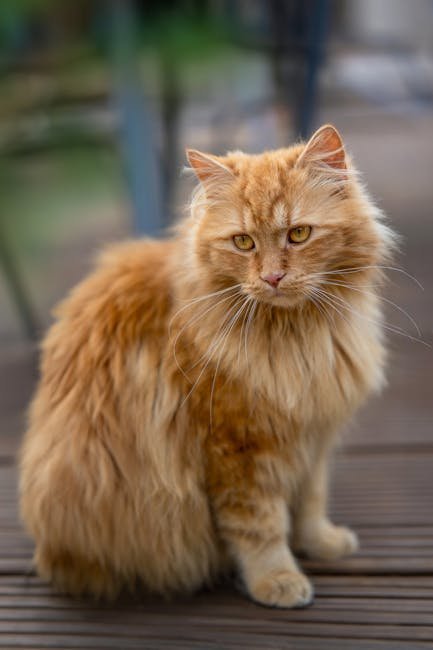
Imagine bringing the grace and majesty of a big cat into your home. Whether it’s the mysterious allure of a lynx or the striking elegance of a serval, adopting a big cat can transform your life in unexpected and thrilling ways.
As you explore this unique opportunity, you’ll discover not only the extraordinary companionship these majestic creatures offer but also the chance to make a significant impact on conservation efforts. Are you ready to learn how you can provide a loving home for a big cat and become part of a movement that celebrates and preserves these remarkable animals?
Keep reading to uncover the journey of adopting a big cat and how it can enrich your life while helping protect these amazing species for future generations.
Credit: aarcs.ca
Why Adopt A Big Cat
Adopting a big cat is a commitment that goes beyond owning a pet; it’s about embracing a unique bond with one of nature’s most powerful and graceful creatures. You might wonder why anyone would choose to adopt such a majestic feline, considering the challenges involved. Yet, the rewards—both personal and environmental—can be profound.
Benefits Of Adopting Majestic Felines
Big cats bring a sense of awe and wonder to your life. Their presence commands respect and offers daily opportunities to learn about animal behavior up close. Unlike common pets, they require a special environment and care, which can deepen your understanding of wildlife needs.
Living with a big cat can also enhance your home’s natural atmosphere, making every day feel like an encounter with the wild. Have you ever thought about how a majestic lion’s calm presence might change your perspective on patience and strength?
Conservation Impact Of Adoption
Adopting a big cat often supports conservation programs that protect these species in the wild. Many adoption initiatives funnel funds directly into habitat preservation and anti-poaching efforts, making your choice a tangible contribution to survival.
Your involvement can help reduce illegal trade and habitat loss, two of the biggest threats to these animals. Consider the impact your decision can have—not just on one animal but on an entire ecosystem.
Emotional Rewards For Owners
The emotional connection you develop with a big cat is unlike any other. Their intelligence and sensitivity mean they can form strong bonds with their caretakers, offering companionship that feels both wild and deeply personal.
Caring for such a creature can teach you about responsibility, empathy, and the importance of patience. Have you experienced the unique joy of earning the trust of a creature so powerful yet so gentle?
Credit: www.torontocatrescue.ca
Types Of Big Cats Available
Big cats come in many types, each with unique qualities. Knowing these types helps potential adopters understand their needs and behaviors.
Some big cats are popular as exotic pets, but they require special care and space. Their strength and wild instincts make them different from domestic cats.
Lions And Their Traits
Lions are social animals, often living in groups called prides. They have a strong roar and a majestic mane. Lions need a lot of space and social interaction. They are powerful and protective but need experienced care.
Tigers As Companions
Tigers are solitary and very strong. They have striking stripes and are excellent swimmers. Tigers need large areas to roam and plenty of mental stimulation. They are intelligent but can be unpredictable.
Leopards And Jaguars
Leopards and jaguars are smaller than lions and tigers but still powerful. They are excellent climbers and hunters. Leopards have spotted coats, while jaguars have rosettes with spots inside. Both need secure enclosures and careful handling.
Other Exotic Felines
This group includes cheetahs, servals, and caracals. Cheetahs are the fastest land animals but require specific diets and care. Servals and caracals are smaller and more agile. Each species has unique needs and behaviors that must be respected.
Adoption Requirements
Adopting a big cat is not a casual decision. It requires careful planning and understanding of several important factors to ensure both your safety and the well-being of the animal. Meeting the adoption requirements is essential before you even consider bringing a big cat into your life.
Legal Considerations
Big cats are often regulated by strict laws. You must check local, state, and federal regulations before proceeding. Some areas may require special permits or may prohibit ownership altogether.
Have you researched your area’s wildlife laws? Missing this step can lead to fines or confiscation of the animal. Always confirm your legal ability to own a big cat before making any commitments.
Home Environment Needs
Your property must be suitable for housing a large predator. This means having secure, spacious enclosures that mimic their natural habitat. A simple backyard won’t cut it.
Think about how much space you can provide. Is your home environment quiet enough? Big cats need privacy and areas to retreat, away from constant human activity.
Financial Commitment
Big cats require a significant financial investment. Costs include specialized food, veterinary care, habitat maintenance, and security measures. This can easily run into thousands of dollars annually.
Consider whether you can afford these expenses long-term. Unexpected medical emergencies can arise, so having a financial buffer is crucial. Can you realistically sustain these costs?
Safety Precautions
Safety is paramount when handling big cats. Proper training in animal behavior and emergency procedures is necessary. You should never underestimate the power and unpredictability of these animals.
Do you have a plan for handling aggressive behavior or escape scenarios? Installing double barriers, alarms, and emergency contacts can save lives. Your safety and the big cat’s safety depend on thorough preparation.
Finding Reputable Adoption Centers
Finding reputable adoption centers for big cats is crucial to ensure the animals’ welfare and your safety. Not all places that offer big cats for adoption follow ethical practices or have the right expertise. Knowing where to look and what to expect can save you time and help protect these magnificent creatures.
Animal Sanctuaries
Animal sanctuaries provide a safe haven for big cats that cannot return to the wild. These centers focus on rehabilitation and lifelong care rather than profit. When you adopt or support a sanctuary, you contribute directly to the animals’ well-being and conservation efforts.
Look for sanctuaries with transparent policies and positive reviews from wildlife experts. Visiting the sanctuary before adopting can give you a clear sense of their standards and how they care for the cats.
Wildlife Rescues
Wildlife rescues often handle emergency situations, saving big cats from neglect or illegal trade. These centers usually work closely with local authorities and follow strict regulations. You can trust rescues that have a proven track record and partnerships with recognized conservation groups.
Ask about their rehabilitation process and what support they offer adopters. Rescues may have specific requirements to ensure that the big cat’s new home is suitable and safe.
Licensed Breeders
Licensed breeders can be a source for adopting big cats, but caution is necessary. Verify that the breeder holds all required permits and follows ethical breeding practices. Responsible breeders prioritize the health and social needs of their animals over profit.
Request detailed information about the cat’s lineage, health records, and socialization history. A credible breeder will be open about these details and offer guidance for your care responsibilities.
Online Platforms
Online platforms offer a convenient way to connect with adoption centers and individual sellers. However, the risk of scams and illegal sales is high. Always research the platform’s reputation and verify every adoption offer through direct contact.
Look for platforms that require proof of licenses and provide reviews or ratings for sellers. Don’t hesitate to ask for video calls or in-person visits before making any commitments.
Preparing For Your Big Cat
Preparing for a big cat is not just about having space; it’s about creating a home that meets their unique needs. These majestic animals require careful planning to ensure they thrive in your care. You’ll need to balance safety, comfort, and their natural instincts to build a truly suitable environment.
Creating A Suitable Habitat
Big cats need more than just a large area—they need a habitat that mimics their natural environment. Think about climbing structures, shaded resting spots, and secure fencing that prevents escape but allows plenty of fresh air.
Consider adding:
- Sturdy platforms or trees for climbing
- Water sources like shallow pools or fountains
- Enrichment items such as logs, ropes, and hiding places
Ask yourself: does your space offer enough stimulation to keep your cat active and happy? A bored big cat can become destructive or stressed.
Nutrition And Diet Planning
Your big cat’s diet will shape its health and energy levels. These carnivores need a diet rich in raw meats, bones, and essential nutrients—just like they would hunt in the wild.
Plan meals that include:
- Fresh, high-quality meats like chicken, rabbit, or beef
- Supplements such as taurine to support heart and eye health
- Occasional whole prey items for natural chewing and digestion
Have you considered how you will source and store this food safely? Consistency and quality are key to preventing health issues.
Health Care Essentials
Regular veterinary care is a must for your big cat’s well-being. Find a vet experienced with exotic animals and set up a schedule for vaccinations, parasite control, and health screenings.
Keep a health log that tracks:
- Weight and body condition
- Behavioral changes or signs of illness
- Medication and treatment history
Are you ready for the responsibility of managing emergency situations? Quick access to expert care can save your big cat’s life.
Training And Socialization
Big cats respond well to consistent training based on trust and positive reinforcement. Teaching basic commands and encouraging natural behaviors helps you manage their strength and intelligence safely.
Start with simple goals like:
- Coming when called
- Allowing health checks and grooming
- Using designated areas for elimination
How will you build a bond that encourages cooperation rather than fear? Patience and respect are your best tools in this journey.

Credit: www.proanima.com
Common Challenges And Solutions
Adopting a big cat comes with unique challenges that require thoughtful solutions. Understanding these obstacles helps you create a safe and nurturing environment for these magnificent animals. Let’s look at some of the common issues and how you can address them effectively.
Behavioral Issues
Big cats have complex instincts that can lead to challenging behaviors. They may show aggression, territorial marking, or anxiety due to confinement or lack of stimulation. You need to provide a structured routine with plenty of mental and physical enrichment to reduce stress.
Using puzzle feeders, climbing structures, and regular interaction can help redirect their energy positively. Training with positive reinforcement also builds trust and helps manage unwanted behaviors. Have you considered how your daily habits might impact your big cat’s mood and reactions?
Veterinary Care Access
Finding a vet experienced with big cats is difficult but crucial. These animals require specialized medical attention that differs from domestic pets. You should build relationships with wildlife vets and keep emergency plans ready.
Regular health checks, vaccinations, and parasite control keep your big cat healthy. It’s wise to learn basic first aid and recognize early signs of illness. What steps have you taken to ensure your big cat’s healthcare needs are met promptly?
Community And Legal Challenges
Local laws often restrict ownership of big cats, and neighbors might have concerns about safety and noise. You must research regulations thoroughly and maintain open communication with your community. Demonstrating responsible care can ease tensions.
Securing proper permits and following guidelines protects you and your animal from legal trouble. Consider how you can educate others about big cat welfare and safety. Are you prepared to handle both the legal responsibilities and community perceptions?
Stories From Big Cat Adopters
Adopting a big cat is a life-changing decision filled with challenges and rewards. The stories shared by big cat adopters reveal the real experiences behind the headlines. These personal accounts offer valuable insights into what it truly means to welcome such majestic animals into your life.
Successful Adoption Experiences
Many adopters describe the initial days as a mix of excitement and uncertainty. One adopter shared how their tiger quickly adapted to the new environment once they established a consistent routine. Patience and observation helped them understand the animal’s unique personality and needs.
Another adopter found success by creating a spacious, enriched habitat that mimics the cat’s natural surroundings. This not only kept the big cat physically active but also mentally stimulated, reducing stress and improving behavior. Have you thought about how environment affects your pet’s wellbeing?
Lessons Learned
One common lesson is the importance of preparation. Adopters often underestimated the time, space, and resources required. Realizing this early can save you from costly mistakes and frustration.
Many emphasize the need for ongoing education about big cat behavior. Understanding signs of stress or illness is critical. Without proper knowledge, you risk endangering both yourself and the animal.
Tips From Owners
- Build trust gradually.Don’t rush interactions; let the big cat set the pace.
- Invest in secure enclosures.Safety for you and the animal is non-negotiable.
- Consult professionals regularly.Veterinarians and wildlife experts can guide you through health and behavioral challenges.
- Document your journey.Keeping a diary helps track progress and spot issues early.
What would you do differently if you were to adopt a big cat? Learning from others’ experiences can prepare you for the unexpected and deepen your understanding of these powerful creatures.
Frequently Asked Questions
What Big Cats Are Available For Adoption?
Big cats like lions, tigers, and leopards are sometimes available for adoption through wildlife sanctuaries. Adoption usually means sponsoring their care, not owning them.
How Can I Adopt A Big Cat Legally?
Legal adoption requires working with accredited wildlife organizations or sanctuaries. Private ownership is heavily regulated or banned in many regions.
What Does Adopting A Big Cat Involve?
Adoption typically involves a financial contribution to support the cat’s food, shelter, and medical care. It often includes updates and photos of the animal.
Can I Keep A Big Cat As A Pet?
Keeping big cats as pets is illegal in most places due to safety and welfare concerns. Adoption usually means supporting them in sanctuaries.
Conclusion
Big cats need safe homes and caring people. They are strong but also gentle. Adopting a big cat helps save lives. It gives these animals a second chance. You can make a real difference today. Think about the joy and responsibility.
Every big cat deserves love and respect. Your choice matters for their future. Consider adoption and help protect these amazing creatures.
