

Imagine coming home to a furry friend that’s not just a pet, but a majestic presence in your living room. Big breeds of cats offer exactly that, combining the grace of a feline with the grandeur that leaves a lasting impression.
Are you ready to explore the world of these gentle giants and discover which one could be the perfect addition to your family? Whether you’re drawn to their striking appearance, playful nature, or the comforting weight of a large purr machine curling up next to you, big cats have something special to offer.
Stick around as we delve into the charm and characteristics of these captivating creatures that might just win your heart.
Largest Domestic Cat Breeds
Some domestic cats are not just pets; they are impressive creatures known for their large size and striking presence. These big breeds catch attention not only because of their size but also due to their unique personalities and physical traits. If you’ve ever wondered which cats stand out for their size, here are some of the largest domestic cat breeds you might want to know about.
Maine Coon
The Maine Coon is often called the gentle giant of the cat world. These cats can weigh up to 18 pounds or more, making them one of the largest domestic breeds. Their thick, water-resistant fur and tufted ears give them a wild, rugged look, but their personalities are calm and friendly.
Living with a Maine Coon feels like having a small, furry dog around. They enjoy playing fetch and following you around the house. Have you noticed how their size makes them perfect for cuddling on cold evenings?
Savannah Cat
Savannah cats are a unique mix of domestic cats and wild African servals, resulting in a striking and tall breed. They can weigh between 12 to 25 pounds, with long legs and large ears that give them an exotic appearance. Their coat patterns are often spotted and resemble wild cats.
Owning a Savannah cat means embracing their high energy and curiosity. They love to climb, jump, and explore every corner of your home. Could you provide enough space and stimulation for such an active, large cat?
Norwegian Forest Cat
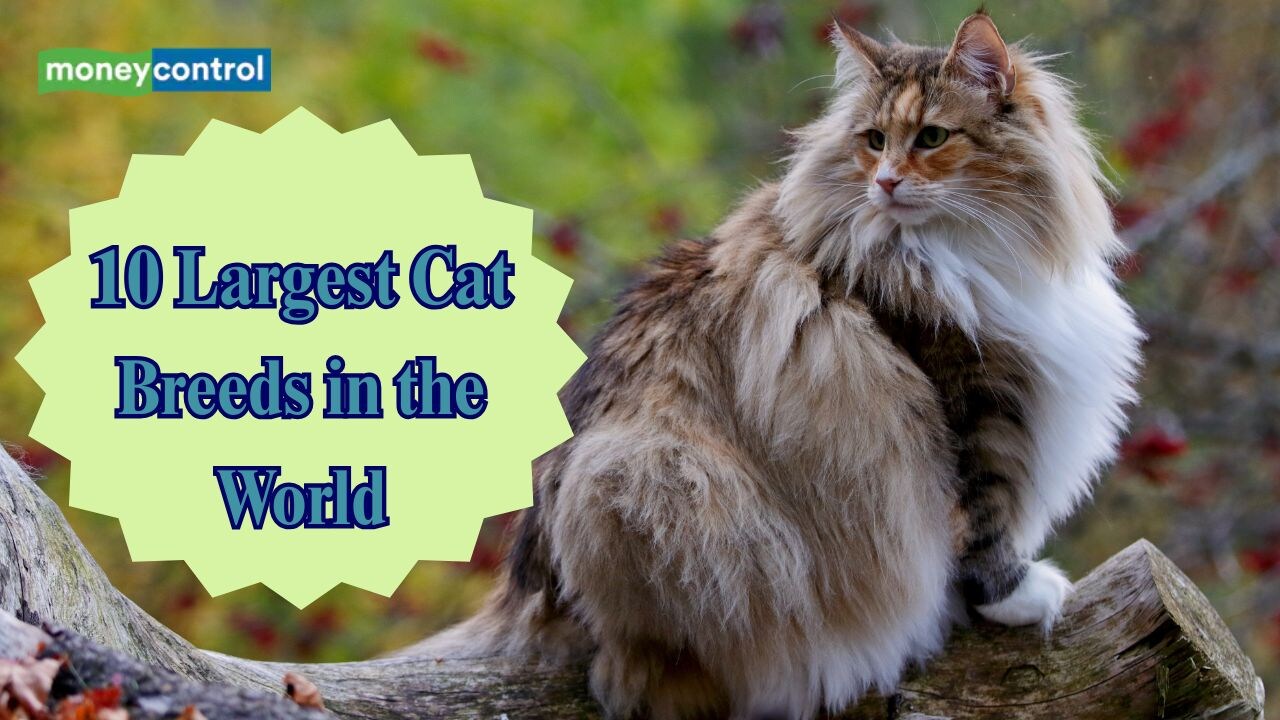
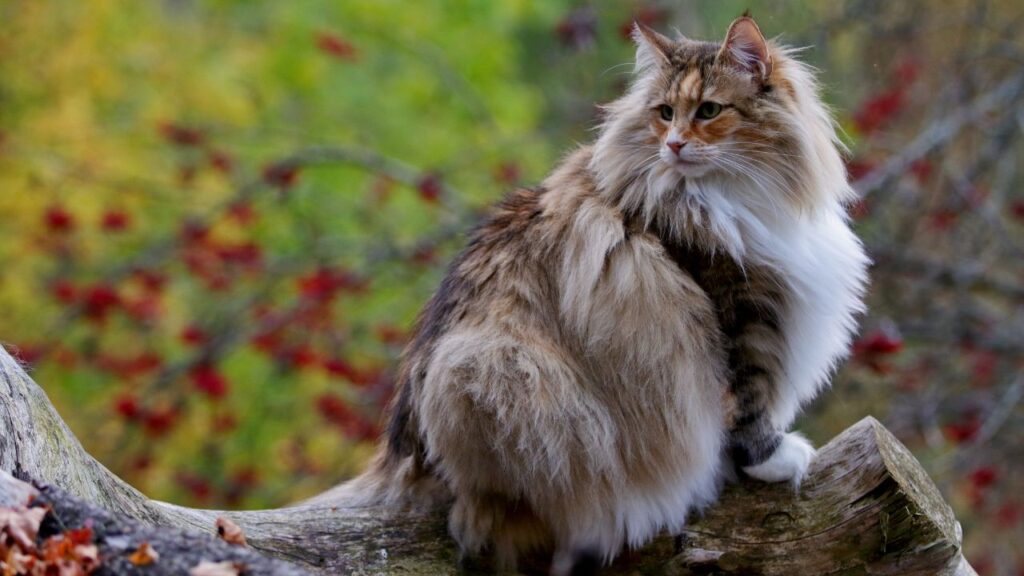
The Norwegian Forest Cat is built for cold climates, with a thick double coat and a sturdy body. These cats can grow quite large, often weighing between 12 and 16 pounds. Their bushy tails and muscular legs make them excellent climbers and hunters.
They tend to be independent but affectionate when they choose. If you enjoy watching a cat navigate high shelves or trees, this breed will impress you. How would you create an environment that supports their natural climbing instincts?
Ragdoll
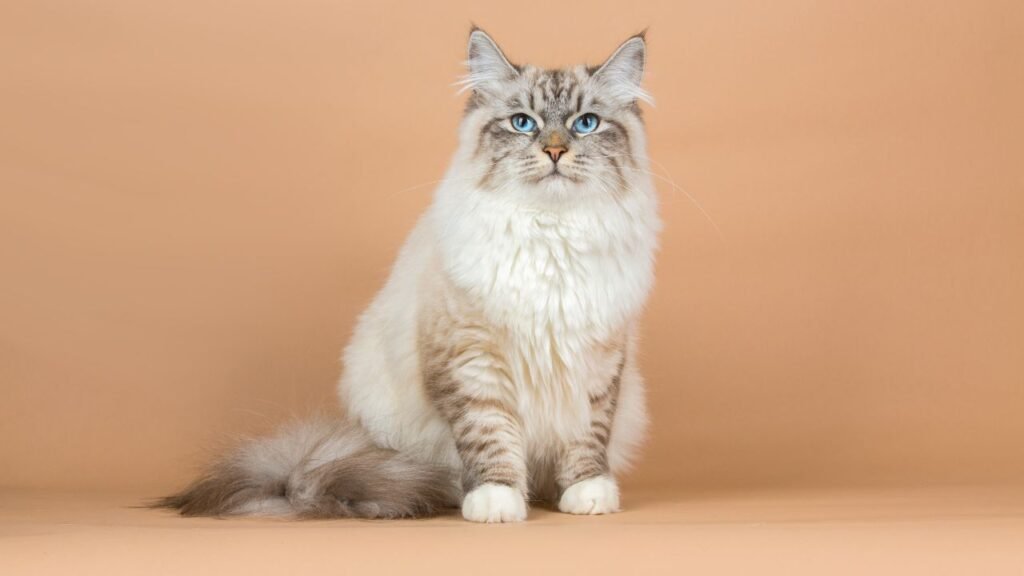
Ragdolls are known for their large size and striking blue eyes. Males can weigh up to 20 pounds, with soft semi-long fur that feels like a plush toy. They get their name from their tendency to go limp when picked up, making them perfect lap cats.
These cats are incredibly gentle and social, often following their owners around the house. If you want a big cat that enjoys relaxation and bonding, the Ragdoll might be your ideal companion. How do you balance their need for attention with your daily routine?
Wild Big Cat Species
Wild big cat species captivate us with their power, agility, and beauty. These majestic animals are the apex predators of their habitats, each with unique traits that set them apart. Understanding their behaviors and characteristics can deepen your appreciation for these incredible creatures.
Lions
Lions are known as the “king of the jungle,” but they actually live in open grasslands and savannas. They live in groups called prides, which is rare among big cats. This social structure helps them hunt large prey more effectively.
Have you ever wondered how lions coordinate during a hunt? Their teamwork is impressive and essential for survival in the wild.
Tigers
Tigers are the largest of all big cats, famous for their striking orange coats with black stripes. They are solitary hunters, relying on stealth and strength to catch prey. Unlike lions, tigers prefer dense forests and swamps as their homes.
Seeing a tiger in the wild is rare, but their adaptability to different environments shows their resilience and skill.
Leopards
Leopards are incredibly adaptable and can live in forests, mountains, and savannas. Their spotted coat provides excellent camouflage, allowing them to stalk prey silently. Leopards are also excellent climbers, often dragging their kills up trees to avoid scavengers.
Think about how their stealth and agility compare to other big cats you know.
Cheetahs
Cheetahs are built for speed, reaching up to 70 mph in short bursts. Their slender bodies and long legs make them the fastest land animals. They hunt during the day, using their keen eyesight to spot prey from a distance.
Have you ever considered how their speed influences their hunting strategy and survival?
Physical Traits Of Big Cats
Big breeds of cats impress with their unique physical traits. These traits help them survive and thrive in various environments. Their size, coat, and muscle structure make them stand out in the feline world.
Size And Weight
Big cats have a large body size compared to regular house cats. Their weight can range from 15 to over 100 pounds. Lions and tigers are among the heaviest. Some breeds grow longer and taller, giving them a majestic look. Size helps in hunting and protecting their territory.
Coat Patterns And Colors
Coat patterns vary widely among big cats. Some have stripes, like tigers, while others display spots, like leopards and jaguars. Colors include shades of orange, brown, black, and white. These patterns help with camouflage in their natural habitats. The coat also changes thickness depending on the climate.
Muscle Structure
Big cats have strong muscles that support their power and agility. Their limbs are built for running and jumping. Sharp claws and strong jaws add to their hunting skills. Muscle structure allows them to stalk prey silently and strike quickly. This strength keeps them at the top of the food chain.
Credit: www.moneycontrol.com
Behavior And Temperament
Big breeds of cats have unique behavior and temperament traits. Their size often influences how they act around other animals and people. Understanding their habits helps owners provide the best care.
Social Habits
Large cats tend to be friendly and enjoy company. They often form strong bonds with family members. Some big breeds prefer quiet environments, while others like playful interaction.
Many enjoy socializing with other pets. They may use gentle play to show affection. Despite their size, they can be quite gentle and calm.
Hunting Techniques
Big cats have natural hunting instincts. They use stealth and patience to catch prey. Their size gives them strength to capture larger animals.
They often stalk quietly before pouncing. Their sharp claws and teeth help secure their catch. Hunting behavior can appear during play or outdoor time.
Interaction With Humans
These cats often crave attention and affection. They respond well to gentle petting and talking. Their intelligence makes them curious and playful.
Big breeds may follow owners around the house. They enjoy being near people but respect personal space. Training and socializing from a young age improves interaction.
Care Tips For Large Domestic Cats
Large domestic cats have unique needs that differ from their smaller counterparts. Their size affects their diet, activity, and health, requiring special attention to keep them happy and healthy. Understanding these needs helps you provide the best care tailored to your big feline friend.
Diet And Nutrition
Big cats require more calories, but quality matters more than quantity. Choose high-protein foods to support their muscle mass and avoid fillers like excessive grains.
Consider feeding your cat multiple smaller meals a day instead of one or two large ones. This approach helps maintain energy levels and reduces the risk of overeating.
- Opt for wet food to increase hydration.
- Add supplements like omega-3 fatty acids for joint health.
- Monitor weight regularly to prevent obesity.
Have you checked your cat’s food label lately? Ingredients can vary widely, affecting your cat’s health more than you might think.
Exercise Needs
Large cats need regular activity to stay fit and prevent weight gain. Encourage play with toys that stimulate hunting instincts, like feather wands or laser pointers.
Set aside time daily for interactive play. Even 15 minutes can make a big difference in their physical and mental well-being.
- Create climbing spaces or cat trees to promote movement.
- Use puzzle feeders to combine exercise with feeding.
- Rotate toys to keep your cat interested.
Have you noticed your cat getting lazy or less playful? It might be time to refresh their activity routine.
Health Concerns
Large breeds often face joint problems like arthritis due to their weight. Regular vet check-ups can catch early signs of trouble.
Keep an eye on their mobility and behavior changes. Limping, reluctance to jump, or decreased grooming can indicate discomfort.
| Health Issue | Warning Signs | Preventive Tips |
|---|---|---|
| Arthritis | Limping, stiffness | Weight control, joint supplements |
| Heart Disease | Fatigue, rapid breathing | Regular vet exams, balanced diet |
| Obesity | Excess weight, lethargy | Controlled diet, exercise |
Are you familiar with your cat’s breed-specific risks? Knowing what to look for can save your cat from unnecessary pain.
Credit: worldanimalfoundation.org
Conservation Of Wild Big Cats
Wild big cats are vital for the balance of ecosystems. They control prey populations and maintain healthy habitats. Protecting these majestic creatures is essential for biodiversity. Conservation efforts focus on reducing risks and supporting their survival in the wild.
Threats To Survival
Wild big cats face many dangers. Habitat loss due to deforestation shrinks their living space. Poaching for skins and body parts threatens their numbers. Human-wildlife conflict arises when cats attack livestock. Prey depletion reduces their food sources. Climate change also disrupts their environment.
Protection Efforts
Governments and organizations work to save big cats. Laws ban hunting and trade of endangered species. Protected areas and reserves create safe habitats. Anti-poaching patrols help catch illegal hunters. Community education raises awareness about big cats’ importance. Scientific research tracks populations and health.
Role Of Sanctuaries
Sanctuaries provide safe homes for rescued big cats. They offer medical care and rehabilitation. Many cats cannot return to the wild safely. Sanctuaries educate the public on conservation needs. They also support breeding programs for endangered species. These places play a key role in saving wild big cats.
Credit: www.rd.com
Frequently Asked Questions
What Are The Biggest Cat Breeds In The World?
The biggest cat breeds include Maine Coon, Savannah, and Norwegian Forest cats. They can weigh 15-25 pounds or more. These cats are known for their large size, muscular build, and friendly personalities. They make great pets for families who want a big, gentle companion.
How Big Do Maine Coon Cats Grow?
Maine Coon cats can weigh between 13 to 25 pounds and reach up to 40 inches long. They are one of the largest domesticated cat breeds. Their thick fur and tufted ears add to their impressive size and majestic appearance.
Are Big Cat Breeds Good With Children?
Yes, big cat breeds like Maine Coons and Ragdolls are usually gentle and patient. They enjoy interacting with children and adapt well to family life. Their calm nature makes them excellent companions for kids, providing both affection and playfulness.
Do Big Cats Need Special Care Or Diet?
Big cats need a balanced diet rich in protein to maintain their size and health. They require regular grooming due to their thick fur, especially long-haired breeds. Providing sufficient exercise and routine vet check-ups ensures their well-being and longevity.
Conclusion
Big breeds of cats bring charm and strength to any home. These cats are gentle giants with unique personalities. They need space and care to stay happy and healthy. Choosing a big cat means enjoying their playful and loving nature.
Each breed offers something special for cat lovers. Think about your lifestyle before bringing one home. Big cats can make wonderful companions for years. They deserve love, attention, and a safe environment. Embrace the joy these large cats bring to life.
