

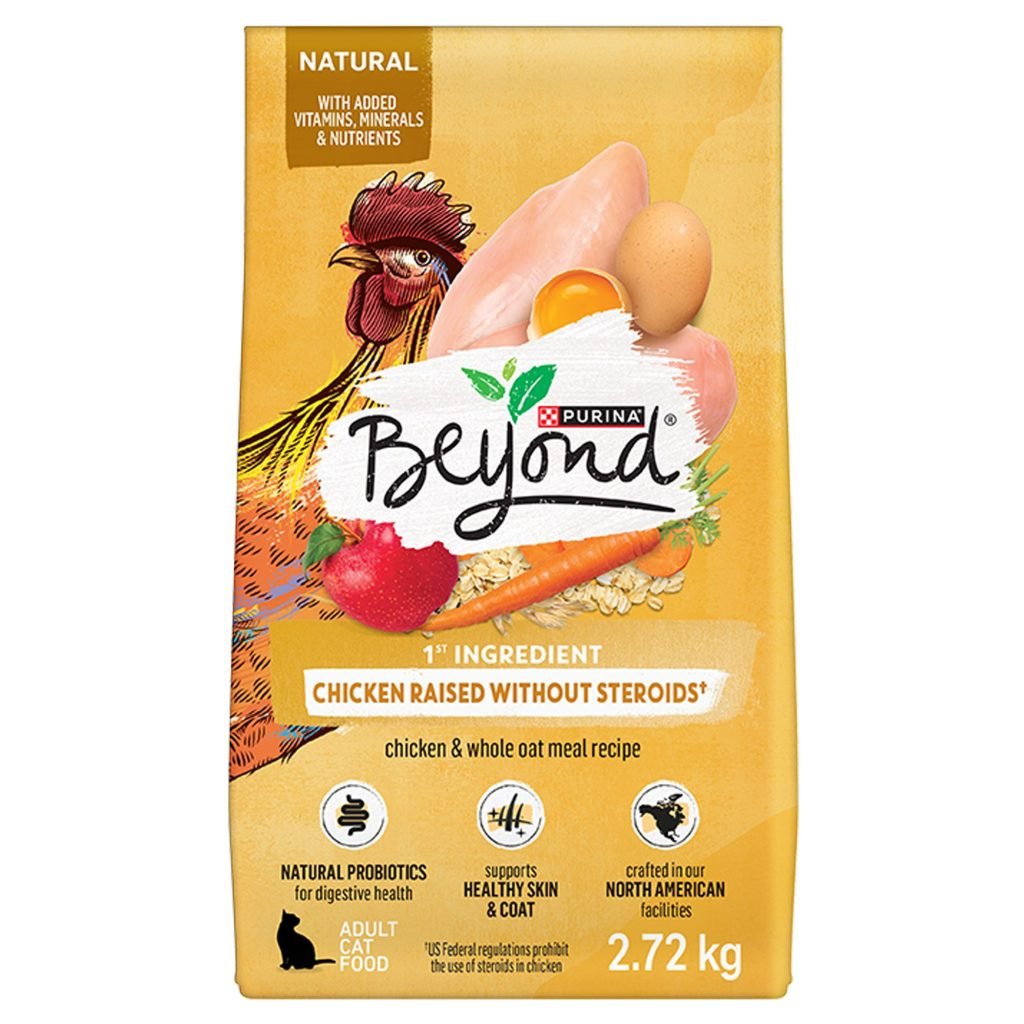
You love your cat, and you want the best for them. But is feeding them just cat food really enough?
What if there’s more to keeping your feline friend happy and healthy than what’s in their bowl? Imagine discovering simple ways to boost your cat’s energy, mood, and overall well-being—without complicated routines or expensive products. Keep reading, and you’ll learn how to go beyond cat food to truly care for your furry companion in ways you might never have considered before.

Credit: www.walmart.ca
Evolving Feline Diets
Your cat’s diet has changed a lot over the years. What used to be simple and straightforward is now full of choices that reflect our growing understanding of feline health. You might wonder how these changes affect your cat’s well-being and what options are best for them.
Shift From Traditional Kibble
For decades, kibble was the go-to meal for most cat owners. It’s convenient, affordable, and has a long shelf life. But many cats don’t get the nutrition they need from kibble alone.
Many pet parents notice their cats developing allergies or digestive problems. This has led to a closer look at the ingredients in kibble and how they impact health. Are you paying attention to what’s really inside your cat’s bowl?
Rise Of Raw And Fresh Food
Raw and fresh food diets are becoming popular because they offer high protein and moisture content. Cats are obligate carnivores, and these diets better mimic what they would eat in the wild.
Some owners find that feeding raw or fresh food improves their cat’s coat, energy, and digestion. However, these diets require careful handling to avoid bacteria and ensure balanced nutrition. Could your cat benefit from a fresher meal plan?
Incorporating Plant-based Ingredients
Surprisingly, plant-based ingredients are finding their way into feline diets. While cats need meat to thrive, certain plants add fiber, vitamins, and antioxidants.
Ingredients like pumpkin, peas, and spinach can support digestion and overall health. But too many plant-based fillers can reduce the protein your cat needs. How do you strike the right balance between meat and plants in your cat’s meals?
Functional Ingredients For Cats
Caring for your cat means more than just filling their bowl with food. Functional ingredients in cat diets go beyond basic nutrition to support specific health needs. These components can enhance digestion, boost immunity, and improve overall well-being, helping your feline friend lead a happier, healthier life.
Probiotics And Gut Health
Probiotics are live bacteria that help maintain a balanced gut flora in your cat. They aid digestion and improve nutrient absorption, which can reduce digestive issues like diarrhea or constipation.
If your cat has sensitive digestion or has been on antibiotics, adding probiotics can support recovery. You might notice better stool quality and more energy once their gut health improves.
Superfoods And Antioxidants
Superfoods such as blueberries, spinach, and pumpkin add powerful antioxidants to your cat’s diet. These antioxidants fight free radicals, which can damage cells and speed up aging.
Think about including small amounts of these foods to help protect your cat’s immune system. Even a tiny boost in antioxidants can make a big difference over time.
Supplements For Joint And Skin Care
Many cats suffer from joint stiffness or skin problems as they age. Supplements like omega-3 fatty acids and glucosamine help reduce inflammation and support healthy joints and shiny coats.
Have you noticed your cat grooming less or moving slower? These supplements could improve their comfort and mobility, letting them play and jump like they used to.
Tailored Nutrition Approaches
Tailored nutrition approaches focus on creating diets that meet the unique needs of each cat. Every cat is different. Their age, breed, and health shape what they should eat. Custom diets help cats stay strong and healthy throughout their lives.
Age-specific Diets
Cats need different nutrients at each life stage. Kittens require more protein and energy to grow fast. Adult cats need balanced nutrition to maintain health. Senior cats benefit from diets that support joint health and reduce calories. Age-specific diets match these changing needs perfectly.
Breed-based Nutritional Needs
Different cat breeds have unique dietary requirements. Some breeds are prone to weight gain and need lower calorie food. Others may need extra vitamins or minerals to support their coat or bones. Understanding breed traits helps create diets that promote well-being and vitality.
Addressing Health Conditions
Special diets help manage health problems in cats. Cats with kidney disease need low protein and phosphorus foods. Cats with allergies benefit from limited ingredient diets. Weight management diets control obesity and related issues. Tailored nutrition supports recovery and improves quality of life.
Innovations In Feeding Technology
Innovations in feeding technology have changed how we care for cats beyond just food quality. These advancements make feeding easier, smarter, and more eco-friendly. Technology now helps customize meals and reduce waste, improving cats’ health and happiness.
Smart Feeding Devices
Smart feeding devices give precise control over portions and timing. They can schedule meals, track food intake, and even send alerts to owners. Some devices use cameras to recognize pets and adjust feeding amounts. This technology helps maintain a cat’s ideal weight and prevents overfeeding.
Personalized Meal Plans Via Apps
Apps now create personalized meal plans based on a cat’s age, weight, and health needs. Owners enter details and receive customized feeding schedules. These apps often include reminders and tips for better nutrition. Personalization supports better digestion and overall wellness.
Sustainable Packaging Solutions
Sustainable packaging reduces environmental impact from cat food products. Brands use biodegradable or recyclable materials for bags and containers. Some packaging is designed to keep food fresh longer without preservatives. This approach helps protect the planet while keeping cats healthy.
Ethical And Environmental Impact
Thinking about the ethical and environmental impact of your cat’s food can change the way you shop and care for your pet. What you choose to feed your cat doesn’t just affect their health—it also plays a role in the planet’s well-being and animal welfare. Let’s break down how Beyond Cat Food addresses these critical issues.
Sourcing Sustainable Ingredients
Beyond Cat Food carefully selects ingredients that come from sustainable sources. This means they prioritize suppliers who use farming and fishing methods that don’t deplete natural resources or harm ecosystems.
For example, their fish ingredients often come from fisheries certified by organizations like the Marine Stewardship Council. This ensures the fish populations remain healthy for future generations.
Have you ever thought about where your cat’s food ingredients originate? Choosing products with transparent sourcing can make a real difference.
Reducing Carbon Pawprint
Beyond Cat Food actively works to lower its carbon footprint by optimizing manufacturing processes and packaging. They use energy-efficient technologies and renewable energy sources wherever possible.
The packaging is designed to be recyclable or made from recycled materials, reducing waste that ends up in landfills.
Imagine how small changes in your purchasing habits could add up to a larger impact on reducing greenhouse gas emissions. Your choices matter.
Animal Welfare Considerations
Animal welfare is a key part of Beyond Cat Food’s mission. They avoid ingredients sourced from animals raised in inhumane conditions or subjected to unnecessary suffering.
Many of their protein sources come from farms that follow strict animal welfare guidelines, ensuring ethical treatment throughout the supply chain.
When you pick pet food that respects animal welfare, you’re supporting better lives for animals beyond just your own cat. Isn’t that a powerful way to care?
Credit: www.purina.ca
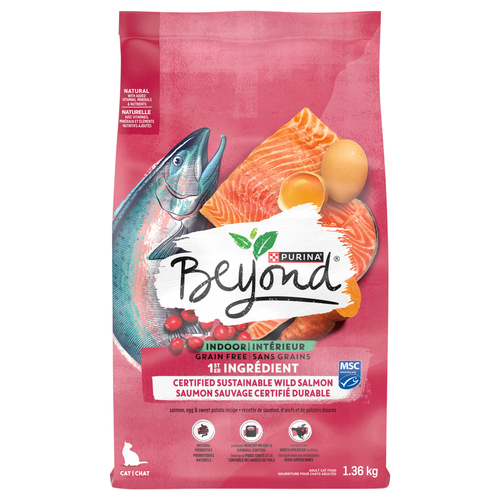
Credit: www.sobeys.com
Frequently Asked Questions
What Are Alternatives To Traditional Cat Food?
Alternatives include raw diets, homemade meals, and freeze-dried options. These can offer more natural nutrition. Always consult a vet before switching.
Can Cats Eat Human Food Safely?
Some human foods like cooked chicken, fish, and certain veggies are safe. Avoid onions, garlic, chocolate, and dairy. Moderation is key.
How Do Supplements Benefit A Cat’s Diet?
Supplements like omega-3, taurine, and probiotics support skin, heart, and digestion. They enhance overall health when added properly.
Is A Raw Diet Healthy For Cats?
Raw diets mimic natural prey and may improve coat and energy. Risks include bacteria and nutrient imbalance. Vet guidance is essential.
Conclusion
Cats need more than just food to stay happy and healthy. Playtime, love, and comfort matter a lot. Providing fresh water and safe spaces helps them thrive. Treats and toys add joy to their day. Understanding their needs builds a strong bond.
Caring for your cat is a daily joy. Small efforts make a big difference in their life. Your cat will thank you with purrs and cuddles. Keep exploring ways to enrich your cat’s world.
