


Are you a Bengal cat lover or thinking about adding one of these beautiful cats to your family? Bengal cats are stunning, playful, and full of personality, but sometimes they need help finding a safe and loving home.
That’s where Bengal cat rescue comes in. If you want to learn how you can make a difference for these amazing cats or find the perfect companion, keep reading. This article will guide you through everything you need to know about Bengal cat rescue and how it can change both your life and theirs.
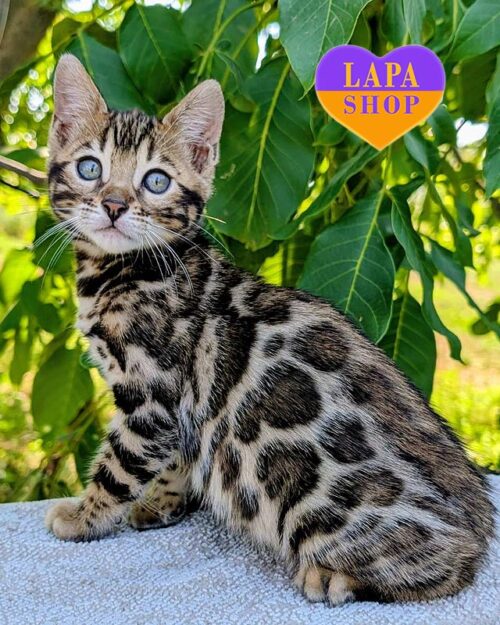
Credit: lapa.shop
Bengal Cat Origins
The Bengal cat is a unique breed with a fascinating history. Its origins link domestic cats to wild ancestors. This connection gives Bengal cats their exotic look and lively nature. Understanding their beginnings helps appreciate their special traits and care needs.
Wild Ancestry
Bengal cats descend from crossing domestic cats with the Asian leopard cat. This wild cat lives in forests across Asia. The mix started in the 1960s to create a cat with wild looks but a gentle nature. The wild ancestry explains their spotted coats and energetic behavior.
Breed Characteristics
Bengal cats have short, dense fur with unique patterns. Their coats show spots, rosettes, or marbled designs. Bengals are muscular and medium to large in size. They are active, playful, and love climbing. Their eyes are often large and bright, giving them an alert expression.
Challenges In Bengal Cat Rescue
Rescuing Bengal cats brings unique challenges for shelters and caregivers. These cats have special needs that differ from other breeds. Understanding these difficulties helps provide better care and find the right homes for them.
Common Rescue Scenarios
Bengal cats often arrive in rescue due to owners’ lack of knowledge. Some are surrendered because of their high energy and strong hunting instincts. Others come from situations where owners cannot handle their special care demands. Sometimes, Bengals are found as strays or abandoned pets.
Many rescues face overcrowding and limited resources. Bengals need space to play and explore, which shelters may not always provide. Finding adopters who understand the breed’s traits can also be tough.
Health Concerns
Bengal cats can suffer from certain genetic health problems. These include heart disease, kidney issues, and hip dysplasia. Regular veterinary checks are crucial for early detection.
Some Bengals show signs of allergies or skin conditions. Proper diet and grooming help maintain their health. Rescuers often must treat these conditions before adoption.
Behavioral Issues
Bengals are very active and curious cats. They need mental stimulation and physical exercise daily. Without this, they may develop destructive habits like scratching furniture or excessive meowing.
These cats can be shy or stressed in new environments. They may hide or act defensively at first. Patience and gentle socialization help them adjust better.
Finding Bengals In Need
Finding Bengals in need requires patience and care. These beautiful cats often face unique challenges. Many Bengals need loving homes due to various circumstances. Knowing where to search helps save their lives. Some places specialize in Bengal cat rescue. Others connect owners and adopters through digital means. Local communities also play a key role in discovery and aid.
Rescue Organizations
Specialized rescue groups focus on Bengal cats. They understand Bengal traits and needs. These organizations offer foster care and medical help. Volunteers screen potential adopters carefully. This ensures Bengals find safe, loving homes. Some rescues partner with shelters to reach more cats.
Online Platforms
Websites and social media share Bengal rescue posts. Adoption sites list Bengals needing homes. Forums and groups connect Bengal enthusiasts and rescuers. Photos and videos show cats’ personalities. This helps adopters make informed decisions. Online alerts spread quickly to a wide audience.
Community Outreach
Local events raise awareness about Bengal rescue. Flyers and posters in pet stores attract attention. Neighborhood groups share information about lost or stray Bengals. Animal control and vets often report Bengals needing help. Community members play a vital role in saving cats.
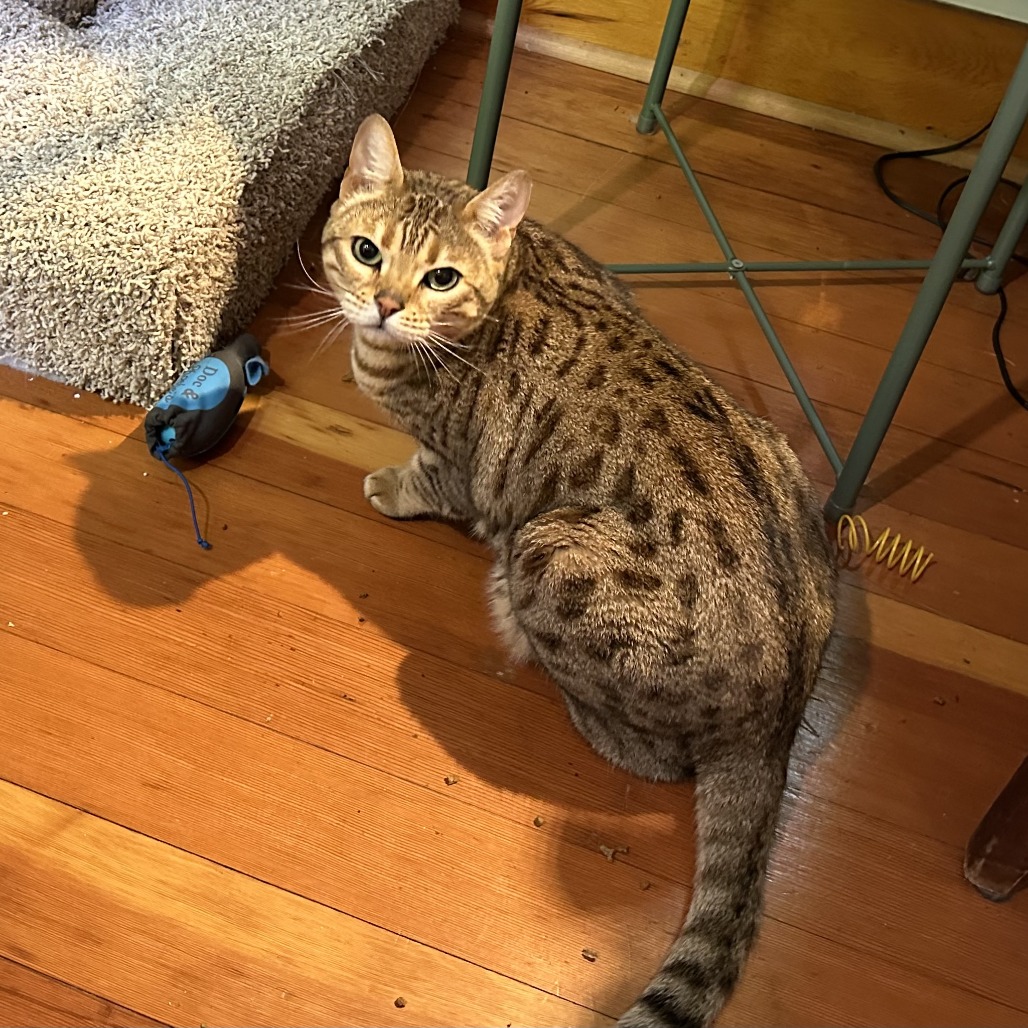
Credit: bengalrescue.org
Rescue Preparation
Preparing to rescue a Bengal cat requires careful planning and attention to detail. Every step you take before bringing the cat home can impact its comfort and safety. Are you ready to create a smooth transition for your new feline friend?
Safe Transport
Transporting a Bengal cat safely is your first priority. Use a sturdy carrier with good ventilation and secure locks to prevent any escape attempts. Line the carrier with a soft blanket or towel that carries familiar scents to help calm the cat during travel.
Consider the route and timing of your trip. Avoid busy roads and rush hour if possible, reducing stress caused by noise and sudden movements. Have a small water bowl handy for longer trips, but don’t force the cat to drink.
Initial Medical Care
Once the Bengal cat arrives, scheduling a vet visit is crucial. Immediate health checks will identify any urgent issues and set the stage for vaccinations and parasite control. Keep a record of all medical treatments for future reference.
Watch for signs of stress or illness such as hiding, loss of appetite, or lethargy. You can ease their discomfort by offering a quiet space and plenty of fresh water. How would you react if your new pet seemed frightened or unwell?
Setting Up A Rescue Space
Your Bengal cat needs a safe and comfortable area to settle into. Choose a quiet room free from loud noises and heavy foot traffic. Provide essentials like a litter box, food and water bowls, scratching posts, and cozy bedding.
Introduce toys and interactive items gradually to keep your cat engaged without overwhelming it. Monitor how your cat uses the space and adjust as needed to make it feel truly at home.
Care And Rehabilitation
Caring for and rehabilitating Bengal cats rescued from difficult situations demands patience, knowledge, and dedication. These cats often arrive with special needs, both physically and emotionally. Your role in their recovery can transform their lives and help them thrive in new homes.
Nutrition And Diet
Feeding a Bengal cat the right diet is crucial for their recovery. High-protein, grain-free food supports muscle repair and overall health. You might notice that some rescued Bengals prefer wet food, which also helps keep them hydrated.
Supplements like omega-3 fatty acids can reduce inflammation and improve coat quality. Watch for signs of food allergies or sensitivities, such as itching or digestive upset, and adjust their diet accordingly. Have you ever observed how a simple diet change can dramatically boost a cat’s energy?
Socialization Techniques
Many rescued Bengals arrive shy or fearful due to past trauma. Building trust takes time and gentle interaction. Start by sitting quietly near them, letting them approach you at their own pace.
Use toys and treats to encourage play and positive experiences. Consistency is key—daily interaction helps them feel safe. Remember, a Bengal’s wild heritage means they crave stimulation; providing puzzle feeders or climbing spaces can ease anxiety and build confidence.
Medical Treatments
Rescued Bengals often need thorough veterinary care, including vaccinations, parasite control, and dental cleanings. Some may require treatment for injuries or chronic conditions like feline infectious peritonitis (FIP).
Keep detailed medical records to track progress and medication schedules. Never hesitate to ask your vet questions about symptoms or treatment options. Your vigilance and care can make a life-changing difference for these cats.
Adoption Process
Adopting a Bengal cat through a rescue organization is a thoughtful journey designed to ensure the best match between you and your new feline friend. The adoption process is thorough, helping you understand the commitment and lifestyle needed to care for these energetic and affectionate cats. This process not only safeguards the cats but also supports you in creating a happy home for your Bengal companion.
Screening Potential Owners
The rescue team takes time to learn about you before approving an adoption. They ask about your living situation, experience with cats, and daily routine to see if it fits a Bengal’s needs.
Questions may cover how many people live in your home, if there are other pets, and your work schedule. This helps ensure you can provide enough attention and enrichment.
Have you considered how a Bengal’s high energy might impact your household? Being honest during screening helps avoid future challenges for both you and the cat.
Matching Cats With Homes
Rescues carefully pair cats with families based on personality and lifestyle. A playful, outgoing Bengal might thrive with an active family, while a quieter cat may prefer a calm home.
Staff often observe behavior and health to suggest the best fit. They want to make sure your expectations and the cat’s needs align well.
Think about what qualities you want in a pet and share these with the rescue. This conversation can reveal the perfect match you might not have expected.
Post-adoption Support
Adoption doesn’t end when you bring your Bengal home. Rescue groups provide ongoing help through advice on nutrition, behavior, and health care.
You might receive tips on managing common Bengal traits, like their curiosity and vocal nature. Support can include follow-up calls or online resources.
How prepared do you feel to handle any surprises after adoption? Knowing support is available can give you confidence and peace of mind.
Legal And Ethical Aspects
The legal and ethical aspects of Bengal cat rescue are crucial to ensuring the well-being of these unique animals. Understanding the rules and moral responsibilities helps you support rescues that genuinely care for the cats. It also protects the species from harmful practices that can damage their health and future.
Rescue Regulations
Laws about rescuing Bengal cats vary by location but often include licensing and animal welfare standards. Rescues must follow guidelines to provide safe environments and proper medical care. You should check if a rescue is registered and transparent about their practices before offering support or adopting.
Some areas require specific permits for handling exotic breeds like Bengals. These rules prevent illegal trade and ensure the cats are treated humanely. Have you ever wondered how these regulations affect the day-to-day operations of a rescue?
Ethical Breeding Concerns
Ethical breeding means prioritizing the health and temperament of Bengal cats over profit. Sadly, some breeders ignore this, leading to genetic issues and poor living conditions. Supporting rescues that oppose unethical breeding can make a big difference.
Ask yourself if the breeder or rescue focuses on the cat’s long-term welfare. Are the cats socialized and cared for? Avoid places where Bengal cats are treated like commodities rather than living beings.
Protecting Exotic Felines
Bengal cats are exotic, which raises special concerns about their protection in rescue situations. Rescues must balance the cats’ wild instincts with domestic care needs. You can help by choosing rescues that provide enrichment and safe spaces tailored to Bengal behavior.
It’s important to consider how rescues manage the risk of abandonment or neglect due to the cats’ specific needs. Would you be prepared to handle the responsibilities that come with adopting such a distinctive breed?
Community Involvement
Community involvement plays a vital role in Bengal Cat Rescue efforts. It helps build strong support networks for these beautiful cats. People working together create a safe space for Bengal cats to thrive. This involvement raises awareness and brings more help to the rescue mission.
Volunteer Roles
Volunteers are the backbone of Bengal Cat Rescue. They perform many important tasks every day. Volunteers help with feeding, grooming, and socializing the cats. Some assist in cleaning and maintaining the shelter. Others help with transportation to vet visits or adoption events. Each role supports the overall well-being of the cats.
Fundraising Ideas
Fundraising is essential to keep the rescue running smoothly. Simple ideas can make a big difference. Hosting bake sales or craft fairs brings the community together. Organizing charity runs or pet photo contests helps raise funds. Online campaigns and donation drives also provide vital support. Every effort counts toward helping Bengal cats find loving homes.
Educational Campaigns
Education helps people understand Bengal cats and their needs. Campaigns teach responsible pet ownership and care tips. They spread knowledge about Bengal cat behavior and health. Schools and community centers often host talks and workshops. These efforts reduce abandonment and improve adoption success rates. Education strengthens the bond between humans and Bengal cats.
Preventing Future Rescues
Preventing future rescues of Bengal cats requires effort from everyone involved. It means stopping problems before they start. Education, care, and rules play a big role. Bengal cats need special attention to keep them safe and happy. The goal is fewer Bengals in shelters and more in loving homes.
Responsible Ownership
Owning a Bengal cat means understanding its needs. Bengals need space to play and mental activities. Owners must provide regular vet visits and a healthy diet. Commitment to lifelong care reduces chances of abandonment. Proper care keeps cats healthy and behavior positive. Training and socializing help Bengals adapt well to homes.
Breeder Accountability
Breeders should follow strict rules to protect Bengal cats. Responsible breeders screen buyers and avoid overbreeding. They keep cats healthy with good medical checks. Transparency about the cat’s background helps buyers make smart choices. Stopping unethical breeding lowers the number of Bengals needing rescue. Quality breeding supports the breed’s health and temperament.
Public Awareness
People must learn about Bengal cats before adopting. Clear information about Bengal traits helps set right expectations. Awareness campaigns can teach the public about proper care. Schools, social media, and events spread the word effectively. Educated owners are less likely to give up their cats. Public knowledge creates a community that supports Bengal welfare.

Credit: bengalrescue.org
Frequently Asked Questions
What Is Bengal Cat Rescue?
Bengal Cat Rescue is an organization dedicated to rescuing and rehoming Bengal cats. They provide medical care, shelter, and find loving homes for Bengals in need. Their goal is to ensure the well-being and safety of abandoned or surrendered Bengal cats.
How Can I Adopt A Bengal Cat From Rescue?
To adopt a Bengal cat, visit the rescue’s website and fill out an application form. They usually require a home visit and adoption fee. Adoption ensures the cat receives proper care and a safe, loving environment.
Why Choose Bengal Cat Rescue Over Breeders?
Bengal Cat Rescue helps reduce animal homelessness and supports ethical pet adoption. Rescued Bengals often come vaccinated and spayed/neutered. Choosing rescue promotes animal welfare and gives a cat a second chance at life.
What Are The Common Bengal Cat Rescue Challenges?
Common challenges include medical treatments, behavioral rehabilitation, and finding suitable adopters. Bengals require special care due to their active nature. Rescues work hard to address these issues to ensure successful adoptions.
Conclusion
Bengal cat rescue efforts make a big difference. Saving lives. Finding loving homes. These beautiful cats deserve a second chance. Volunteers work hard to help them. Your support can change their future. Donate or adopt if you can. Every action counts.
Spread the word to friends and family. Awareness brings more help. Bengal cats are unique and special. They bring joy and companionship. Let’s give them the care they need. Together, we can make a difference. Thank you for caring about Bengal cats.
Your efforts matter. Keep supporting rescue initiatives.
