


Are you looking to add a loving and beautiful companion to your home? Adopting a Balinese cat might be the perfect choice for you.
These elegant cats are known for their striking looks, playful nature, and deep affection. But before you bring one into your life, there are important things you need to know. This guide will help you understand what makes Balinese cats special and how to make the adoption process smooth and rewarding.
Keep reading to discover how a Balinese cat can change your life for the better.
Balinese Cat Traits
The Balinese cat is a unique breed that captures the hearts of many with its striking looks and engaging personality. Understanding the traits of a Balinese cat will help you decide if this breed fits your lifestyle. Let’s dive into what makes these cats special, from their physical features to their behavior and health considerations.
Physical Appearance
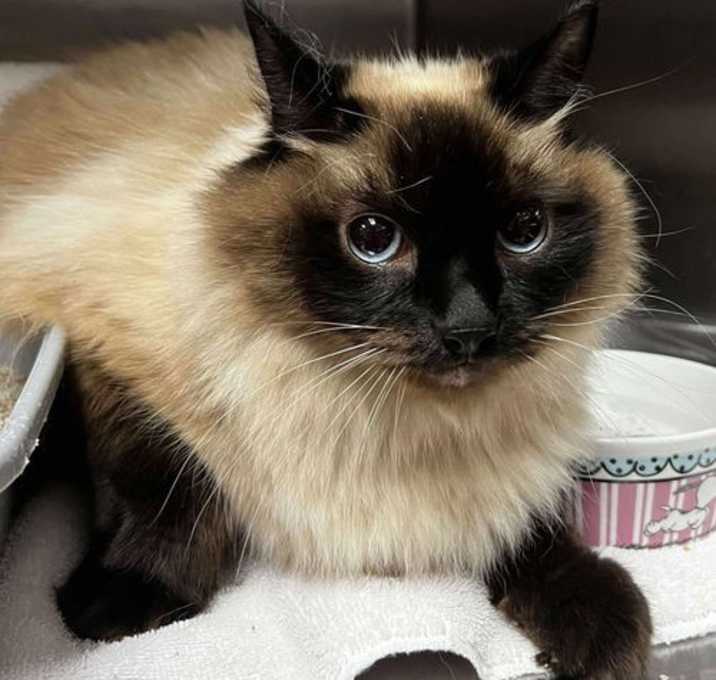
Balinese cats are often described as elegant and graceful. They have a slender, medium-sized body covered with a silky, medium-length coat that feels soft to the touch.
Their most notable feature is their striking blue almond-shaped eyes, which stand out against their pointed color patterns. Common colors include seal, blue, chocolate, and lilac points.
Compared to other breeds, their long, plumed tail adds a touch of sophistication. Have you ever noticed how their fur seems to shimmer in the light? That’s the hallmark of their fine texture.
Personality And Behavior
Balinese cats are known for their social and playful nature. They thrive on interaction and often seek out your company, making them great companions if you want an affectionate pet.
These cats are intelligent and curious, often figuring out puzzles or learning tricks quickly. Their vocal tendencies mean they will “talk” to you frequently, sharing their thoughts in soft, melodic meows.
If you prefer a cat that enjoys playtime and cuddles in equal measure, the Balinese may be the perfect match. Do you enjoy a pet that actively engages with you throughout the day?
Health And Lifespan
Generally, Balinese cats are healthy and have a lifespan ranging from 12 to 16 years. Regular vet visits and a balanced diet can keep your cat in top shape for many years.
Be aware of potential genetic issues such as progressive retinal atrophy and heart disease. Early screening and proper care can minimize these risks.
Keeping your Balinese active and mentally stimulated will also support their overall well-being. How will you ensure your cat stays happy and healthy in your home?

Credit: www.petfinder.com
Preparing For Adoption
Preparing to adopt a Balinese cat means creating a safe and loving home. Planning helps your new pet feel comfortable and happy. This process involves choosing the right shelter, gathering supplies, and making your home secure.
Choosing A Reputable Shelter
Find a shelter with a good reputation. Check for clean facilities and friendly staff. Ask about the health and history of their cats. Choose a shelter that tests and vaccinates their animals. Look for places that support cat welfare and proper care. This ensures your Balinese cat is healthy and well-socialized.
Essential Supplies
Prepare basic items before bringing your cat home. These include:
- Food and water bowls
- High-quality cat food
- A comfortable bed or blanket
- Litter box and litter
- Scratching posts or pads
- Toys for mental and physical activity
- Grooming tools like a brush
Having these supplies ready makes the transition easier for your cat.
Home Safety Tips
Make your home safe for a curious Balinese cat. Secure loose wires and cords. Remove toxic plants and harmful chemicals. Keep small objects that can be swallowed out of reach. Provide quiet spaces for your cat to rest. Close windows and balconies or use secure screens. This prevents accidents and keeps your cat safe.
Adoption Process
The adoption process for a Balinese cat is simple and rewarding. It helps ensure the cat finds a loving, safe home. Each step focuses on the cat’s well-being and your readiness as an owner. Patience and care lead to a happy match between you and your new feline friend.
Meeting Your New Cat
Visit the adoption center to meet the Balinese cats available. Spend time observing their behavior and personality. Interact gently to see which cat connects with you. This meeting helps both you and the cat feel comfortable. Take your time to choose a cat that fits your lifestyle.
Paperwork And Fees
Complete the necessary adoption forms provided by the shelter. These forms include your contact details and home environment information. Pay the adoption fee, which covers vaccinations and medical care. Keep copies of all documents for your records. This process ensures the cat’s health and legal transfer.
Transporting Your Cat Home
Prepare a safe carrier for your new Balinese cat. Use soft bedding inside the carrier for comfort. Keep the carrier secure during the trip to avoid stress. Drive calmly and avoid loud noises. Upon arriving home, give your cat a quiet space to adjust slowly.

Credit: www.adoptapet.com
Settling In
Bringing a Balinese cat home is an exciting moment filled with new experiences. The settling in phase shapes your cat’s comfort and happiness. This time helps your cat adjust to the new environment and start building a bond with you. Patience and care matter most during these early days.
First Days At Home
The first days are crucial for a smooth transition. Let your Balinese cat explore a small, quiet area first. Avoid loud noises and sudden movements. Provide food, water, and a litter box nearby. Watch your cat’s behavior closely and offer gentle attention. Give them space if they seem shy or scared.
Creating A Comfortable Space
Comfort helps your Balinese cat feel safe and relaxed. Prepare a cozy bed in a calm corner. Use soft blankets and familiar toys. Place scratching posts to encourage natural behavior. Keep the room temperature moderate and avoid harsh lighting. A clean litter box and fresh water should always be available.
Building Trust And Bonding
Building trust takes time and kindness. Speak softly and move slowly around your cat. Offer treats and play with gentle toys. Sit at your cat’s level and let them approach you first. Spend quiet moments together without forcing interaction. This respect creates a strong, loving connection.
Feeding And Nutrition
Feeding and nutrition play a vital role in the health of a Balinese cat. Their slender build and active nature require a balanced diet. Proper nutrition supports their energy, shiny coat, and strong muscles. Understanding their dietary needs helps prevent common health issues. A well-planned feeding routine keeps your Balinese happy and healthy.
Recommended Diets
Balinese cats thrive on high-quality protein sources. Choose cat food rich in chicken, turkey, or fish. Wet food helps keep them hydrated and supports digestion. Dry food can maintain dental health if given in moderation. Avoid foods with fillers like corn or soy. Natural ingredients without artificial colors or preservatives are best.
- Protein-rich wet or dry cat food
- Grain-free options to reduce allergies
- Occasional treats of cooked meat or fish
- Fresh water always available
Feeding Schedule
Balinese cats do well with regular meal times. Feed them two to three small meals daily. This schedule helps keep their metabolism steady. Avoid free feeding to control weight gain. Measure portions to prevent overeating. Adjust amounts based on age, weight, and activity level.
- Morning and evening meals
- Small portions, not too much at once
- Monitor weight and adjust food as needed
- Fresh water refilled throughout the day
Avoiding Common Dietary Issues
Watch for signs of food intolerance or allergies. Symptoms include itching, vomiting, or diarrhea. Avoid sudden diet changes to prevent stomach upset. Balance treats to avoid excess calories. Keep harmful foods like onions, chocolate, and grapes away. Regular vet checkups help catch nutrition problems early.
- Introduce new foods slowly
- Limit treats to 5-10% of daily calories
- Never feed toxic human foods
- Observe for digestive or skin problems
Credit: www.adoptapet.com
Health Care
Taking care of your Balinese cat’s health is essential to ensure a happy and long life. These elegant cats are generally healthy, but like all pets, they need proper attention and care. Understanding the key elements of health care can help you catch problems early and keep your feline friend thriving.
Regular Vet Visits
Scheduling regular vet check-ups is a must for your Balinese cat. These visits help catch potential health issues before they become serious. Your vet can monitor your cat’s weight, dental health, and overall condition.
How often? At least once a year for adult cats, but kittens and older cats may need more frequent visits. Regular exams allow your vet to update vaccinations and advise on diet or behavior concerns.
Vaccinations And Preventatives
Vaccinations protect your Balinese from contagious diseases like feline distemper and respiratory infections. Make sure your cat gets all the core vaccines recommended by your vet. This keeps them safe even if they explore outdoors or interact with other animals.
Don’t forget about preventatives too. Flea control, deworming, and heartworm prevention are crucial, especially if your cat goes outside. These simple steps save you from costly treatments later.
Recognizing Illness Signs
Knowing when your Balinese cat is unwell can make a huge difference. Watch for changes in appetite, energy, grooming, or litter box habits. Even subtle signs like hiding more than usual or excessive vocalizing can indicate discomfort.
If you notice symptoms like vomiting, diarrhea, coughing, or difficulty breathing, contact your vet immediately. Trust your instincts—your cat relies on you to notice what they can’t say.
Training And Enrichment
Training and enrichment are key to building a strong bond with your Balinese cat. These intelligent and social felines thrive when given clear guidance and engaging activities. Without proper training and stimulation, they might develop unwanted behaviors or become bored.
Litter Box Training
Balinese cats usually take to litter boxes quickly, but consistency is crucial. Place the box in a quiet, accessible spot and keep it clean to encourage regular use.
If you notice your cat avoiding the box, try different litter types or additional boxes in multiple locations. Patience works best—reward your cat with praise or treats immediately after they use the box correctly.
Interactive Play
These cats love interactive play that mimics hunting. Use wand toys or laser pointers to keep them active and engaged.
Set aside at least 15 minutes daily for play sessions. This not only satisfies their natural instincts but also strengthens your connection.
Mental Stimulation
Balinese cats need mental challenges to stay sharp and happy. Puzzle feeders and treat-dispensing toys make them think while rewarding their effort.
Rotate toys regularly to keep things fresh. Have you noticed how your cat’s curiosity peaks when introduced to a new challenge?
Common Challenges
Adopting a Balinese cat brings joy but also some challenges you should be ready for. These cats have unique personalities that require patience and understanding. Knowing the common hurdles helps you create a happy home for your new feline friend.
Behavioral Issues
Balinese cats are intelligent and active, which can sometimes lead to unwanted behaviors like scratching furniture or excessive meowing. You might notice your cat demanding attention at odd hours or displaying high energy bursts.
Address these by providing plenty of interactive toys and regular play sessions. Training with positive reinforcement works well—reward good behavior instead of punishing bad. Have you noticed your cat’s favorite activity that can double as exercise?
Adjusting To Other Pets
Introducing a Balinese cat to other pets can be tricky. They are social but also territorial, so initial meetings might involve hissing or hiding. Give each pet their own space and gradually increase interaction time.
Use scent swapping by exchanging bedding between your pets to build familiarity. Watch closely for stress signs like excessive grooming or aggression. How can you create a calm environment that encourages peaceful coexistence?
Travel And Boarding Tips
Balinese cats are sensitive to changes in environment, which makes travel and boarding stressful. They might refuse to eat or hide when away from home. Prepare by bringing familiar items like their favorite blanket or toys.
Choose a boarding facility with a quiet atmosphere and staff experienced with sensitive cats. If traveling by car, secure their carrier and take breaks to reduce anxiety. Could your cat’s comfort improve with a trial run before a long trip?
Frequently Asked Questions
What Should I Know Before Adopting A Balinese Cat?
Balinese cats are intelligent, social, and active pets. They need daily play, mental stimulation, and human interaction to thrive. Their long fur requires regular grooming to avoid mats and tangles. They adapt well to families and other pets when properly introduced.
How Much Does A Balinese Cat Adoption Cost?
Adoption fees for Balinese cats vary by shelter but typically range from $50 to $150. Purebred Balinese kittens from breeders may cost $600 to $1,200. Always consider additional costs like vaccinations, spaying/neutering, and initial supplies.
Are Balinese Cats Good For Families With Children?
Yes, Balinese cats are gentle and affectionate, making them great family pets. They enjoy interactive play and bonding with children. However, supervision is recommended with young kids to ensure gentle handling and prevent stress for the cat.
Where Can I Adopt A Balinese Cat Responsibly?
Check local animal shelters, rescue groups, or breed-specific rescue organizations. Online adoption platforms and cat associations may list available Balinese cats. Always verify the credibility of the source to ensure ethical adoption practices.
Conclusion
Adopting a Balinese cat can bring joy and companionship to your home. These cats are known for their playful and friendly nature. They love being around people and can quickly become part of the family. Their silky coats and striking blue eyes are captivating.
Consider your lifestyle before adopting. Balinese cats need attention and affection. They thrive in loving environments where they feel secure. Visit local shelters or adoption centers to find your perfect match. Bringing a Balinese cat into your life can be a rewarding experience filled with love and purrs.
