

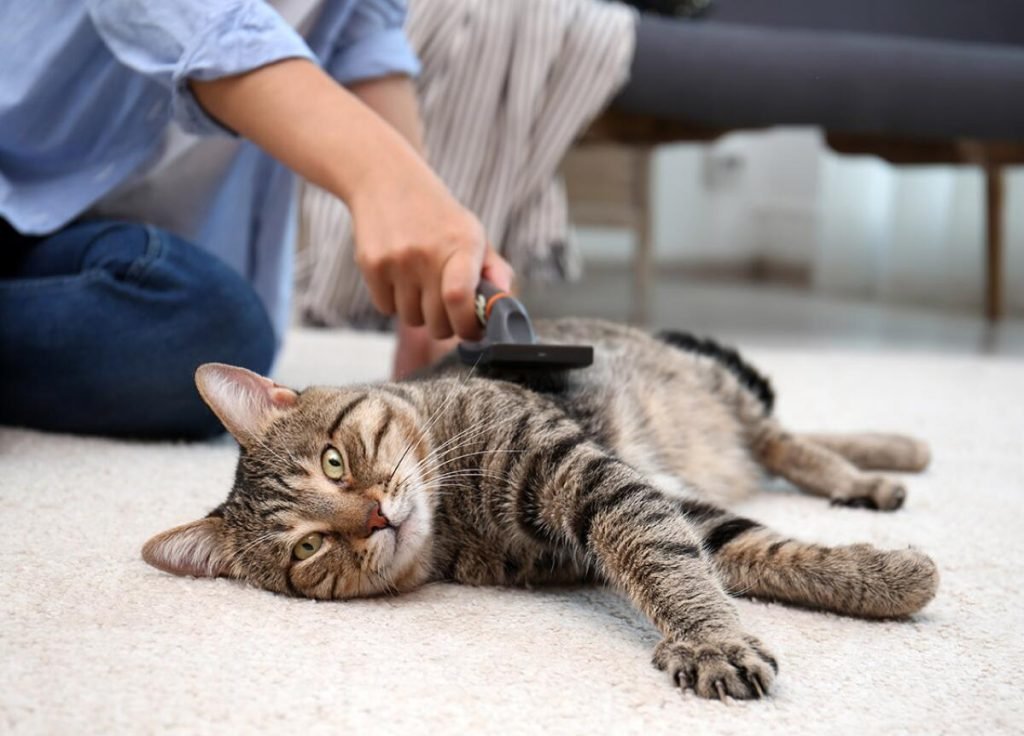
Taking care of your cat’s grooming at home can save you time, money, and stress. Imagine keeping your furry friend clean, healthy, and happy without the hassle of trips to the groomer.
You might think it’s difficult or that your cat won’t cooperate, but with the right tips and tricks, it can become a simple, bonding experience. Ready to discover how you can make at-home cat grooming easy and enjoyable for both you and your pet?
Keep reading to learn everything you need to know.

Credit: www.latimes.com
Benefits Of Home Cat Grooming
Grooming your cat at home brings more than just a cleaner coat. It offers several meaningful benefits that improve your cat’s health and your relationship. Spending a little time on grooming can make a big difference in your daily life together.
Strengthening Your Bond
Grooming is a quiet, focused activity that lets you connect deeply with your cat. It shows your pet that you care about their well-being beyond just feeding and playing. When you gently brush or comb your cat, you build trust and reduce their stress.
Have you noticed how your cat purrs or leans into your touch during grooming? That’s a sign they enjoy your attention. Regular sessions can turn grooming into a relaxing ritual both of you look forward to.
Cost Savings
Taking care of grooming at home cuts down on expenses for professional services. Groomers can charge a significant amount, especially if your cat needs special handling or frequent visits. By grooming your cat yourself, you save money on appointments and tips.
Additionally, having the right tools at home like brushes and nail clippers is a one-time investment that lasts for years. This makes home grooming not only budget-friendly but also convenient since you don’t have to schedule or travel anywhere.
Early Health Detection
Regular grooming helps you spot health issues before they become serious. While brushing, you may find unusual lumps, bumps, or skin problems that need attention. You also get familiar with your cat’s normal appearance, making changes easier to notice.
Checking your cat’s fur and skin often helps catch parasites like fleas early. Nail trimming reveals any pain or discomfort in paws. Would you prefer discovering a health issue early or waiting until it causes discomfort or costly treatments?

Credit: www.amazon.ca
Essential Grooming Tools
Having the right tools makes cat grooming at home easier and more enjoyable for both you and your feline friend. Essential grooming tools help keep your cat comfortable and safe during the process. Without them, grooming can become stressful and less effective.
Choosing The Right Brushes
Different cats need different brushes. Short-haired cats benefit from a soft-bristle brush that removes loose fur without irritating their skin. Long-haired cats require a slicker brush or a comb to detangle and prevent mats.
Pay attention to how your cat reacts when brushing. If they pull away or seem uncomfortable, try switching to a gentler option. Have you noticed your cat preferring one brush over another?
Nail Clippers And Trimmers
Keeping your cat’s nails trimmed prevents scratches and helps protect your furniture. Use clippers designed specifically for cats, as they provide better control and safety. Avoid using human nail scissors or clippers that can splinter your cat’s nails.
Trim nails carefully, cutting only the sharp tips to avoid hitting the quick, which can cause pain and bleeding. If your cat resists, try trimming just one or two nails at a time over several days. What’s your cat’s reaction to nail trims?
Safe Shampoos And Wipes
Bathing cats requires shampoos made for their sensitive skin and fur. Choose products free from harsh chemicals, fragrances, and dyes to avoid irritation. Dry shampoos and grooming wipes are handy for quick cleanups between baths.
Use wipes to gently clean your cat’s face and paws without causing stress. Always test a small patch first to see how your cat’s skin reacts. Have you found a shampoo or wipe your cat actually enjoys?
Preparing Your Cat For Grooming
Preparing your cat for grooming is key to a smooth experience. Cats can be sensitive to touch and new activities. Taking time to get them ready helps reduce stress. It also makes grooming easier for both of you. Gentle preparation creates trust and calmness before grooming begins.
Creating A Calm Environment
Choose a quiet room with few distractions. Soft lighting and a comfortable temperature help your cat relax. Remove loud noises like TVs or radios. Use a soft blanket or towel for your cat to sit on. A calm space helps your cat feel safe and less anxious.
Getting Your Cat Comfortable
Let your cat explore grooming tools before use. Show brushes and combs gently without forcing. Pet your cat softly to build comfort. Speak in a calm, soothing voice. Reward your cat with treats or praise during this time. This builds positive feelings about grooming.
Timing And Frequency
Choose a time when your cat is naturally calm or sleepy. Avoid grooming right after meals or playtime. Short sessions work best to keep your cat patient. Regular grooming prevents matting and skin issues. Aim for a routine that suits your cat’s coat and personality.
Step-by-step Grooming Routine
Grooming your cat at home can strengthen your bond and keep your furry friend healthy. A clear routine helps you stay calm and confident, making the experience more pleasant for both of you. Let’s break down the essential grooming tasks into easy steps you can follow anytime.
Brushing Techniques
Choose a brush that fits your cat’s coat type—slicker brushes work well for long hair, while rubber brushes suit short-haired cats. Start gently, brushing in the direction of hair growth to avoid pulling on their skin. Notice how your cat reacts; some areas might be more sensitive than others.
Try brushing during quiet moments, like while watching TV together. This makes grooming feel like a shared activity, not a chore. Have you ever found a secret spot your cat loves to be brushed?
Bathing Tips
Most cats don’t need frequent baths, but when you do, use a cat-specific shampoo. Fill the tub or sink with a few inches of lukewarm water—too hot or cold can upset your cat. Keep a calm voice and use a cup or sprayer to wet and rinse your cat gently.
Place a towel at the bottom to prevent slipping. After the bath, wrap your cat in a warm towel and gently pat dry. How does your cat respond to water? Finding the right approach can make a big difference.
Nail Care
Trim your cat’s nails regularly to prevent scratches and keep furniture safe. Use nail clippers designed for cats and avoid cutting too close to the quick, the pink area inside the nail. If your cat struggles, try trimming after a nap when they’re more relaxed.
Hold a paw gently but firmly, and offer treats to keep the mood positive. Have you noticed your cat’s nails clicking on hard floors? That’s a sign it’s time for a trim.
Ear And Eye Cleaning
Check your cat’s ears weekly for dirt or wax buildup. Use a cotton ball or soft cloth dampened with a vet-approved ear cleaner to wipe gently. Never insert anything deep into the ear canal to avoid injury.
For eyes, use a damp cotton pad to wipe away any discharge, moving from the inside corner outward. Keep an eye on unusual redness or swelling, which might need a vet’s attention. How often do you check your cat’s ears and eyes? Regular care here can prevent bigger problems.
Handling Common Grooming Challenges
Handling common grooming challenges at home can feel tricky, but you have more control than you might think. Cats have unique needs, and understanding these can turn a stressful task into a bonding experience. Let’s look at some practical ways to tackle shedding, matted fur, and anxiety during grooming.
Dealing With Shedding
Shedding can leave fur everywhere, but regular brushing helps keep it under control. Use a brush designed for your cat’s fur type—slicker brushes work well for long-haired breeds, while rubber grooming gloves suit short-haired cats.
Try brushing your cat in short, calm sessions instead of long, intense ones. This prevents irritation and keeps your cat more relaxed. Have you noticed certain times of the year when shedding spikes? Increasing grooming during these periods can save your furniture from a fur takeover.
Managing Matted Fur
Matted fur can cause discomfort and skin problems. If you spot mats early, gently detangle them with your fingers before using a wide-tooth comb. For tough mats, carefully use a dematting tool or scissors, but never cut close to the skin.
Patience is key—rushing can hurt your cat and make future grooming harder. Breaking the task into small parts over several days can help your cat tolerate the process better. Have you tried rewarding your cat with treats after each session? It builds positive associations with grooming.
Calming Anxious Cats
Some cats resist grooming because they feel scared or uncomfortable. To ease anxiety, create a quiet and safe space for grooming with minimal distractions. Speak softly and move slowly to avoid startling your cat.
- Use gentle, reassuring strokes.
- Take breaks often to let your cat relax.
- Offer treats or favorite toys as positive reinforcement.
Have you ever noticed how some cats respond well to pheromone sprays or calming collars? These can reduce stress and make grooming smoother.
When To Seek Professional Help
Knowing when to seek professional help is key in cat grooming. Some grooming tasks require skill beyond what an owner can safely provide. Recognizing signs that call for expert care protects your cat’s health and comfort. It also ensures grooming is done safely and effectively.
Recognizing Grooming Limits
Some cats have thick or matted fur that is hard to manage. Grooming tools might not remove severe mats without hurting the cat. Cats that become very stressed or aggressive during grooming need expert handling. Health issues like skin infections or wounds need special care. Professional groomers have the training to handle these challenges safely.
Here are signs to watch for:
- Excessive matting or tangles
- Unusual skin redness or sores
- Strong resistance or fear during grooming
- Changes in behavior after grooming attempts
Finding A Trusted Groomer
Choose a groomer with experience in cat care. Look for someone who is patient and gentle with animals. Ask about their training and how they handle nervous cats. A good groomer explains the process and answers your questions clearly. Reading reviews and asking other cat owners helps find reliable options.
Visit the groomer before your appointment. Check if the place is clean and calm. See how the staff treats the cats. Trust your instincts about the environment and people. A trusted groomer makes the grooming experience safe and less stressful for your cat.

Credit: paw-swing.com
Frequently Asked Questions
How Often Should I Groom My Cat At Home?
Groom your cat weekly to remove loose fur and prevent mats. Long-haired cats may need grooming twice a week. Regular grooming also helps monitor your cat’s skin and health.
What Tools Do I Need For At-home Cat Grooming?
Use a soft-bristle brush, comb, nail clippers, and grooming wipes. Choose tools suitable for your cat’s fur type. Gentle tools ensure comfort and effective grooming.
How Can I Make Grooming Stress-free For My Cat?
Create a calm environment and use treats as rewards. Groom in short sessions and be gentle to avoid stress. Patience helps build your cat’s trust during grooming.
Can I Safely Trim My Cat’s Nails At Home?
Yes, trimming nails at home is safe with proper tools. Use cat-specific clippers and avoid cutting the quick. Regular nail trims prevent scratching and keep paws healthy.
Conclusion
Grooming your cat at home builds trust and comfort. It helps keep your cat clean and healthy. Regular brushing reduces hairballs and shedding. Use gentle tools and speak softly to calm your pet. Short sessions work best to avoid stress.
Remember, patience makes grooming easier for both. Your cat will enjoy the care and attention. Start with small steps and grow your routine. Home grooming saves money and strengthens your bond. Try these tips to make grooming a positive experience.
