

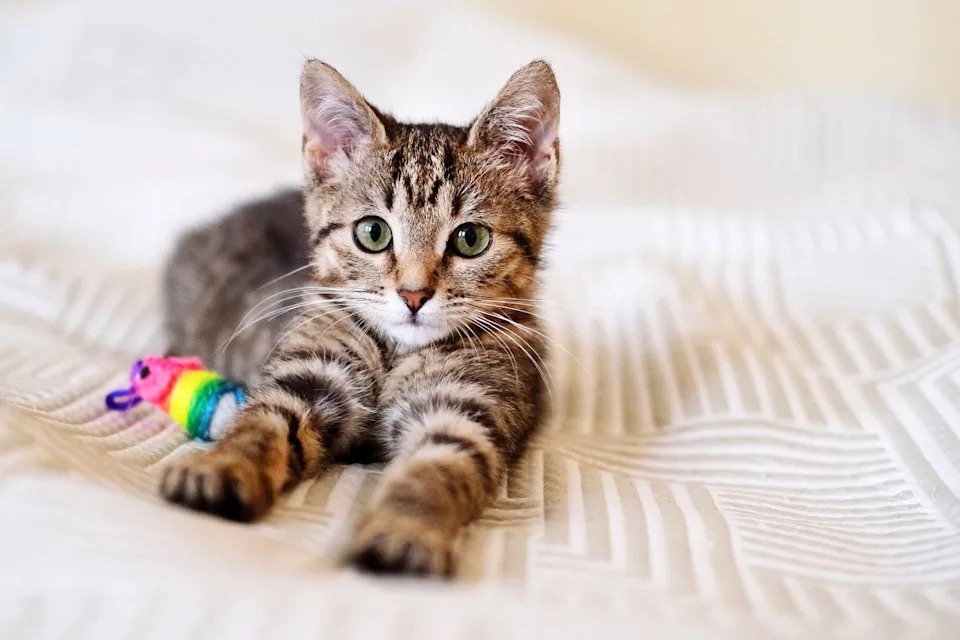
Have you ever wondered if having a cat could actually improve your mental health? If you’re feeling stressed, lonely, or anxious, a furry friend might be just what you need.
Cats are more than cute companions—they can bring real comfort and calm into your life. You’ll discover surprising ways cats can boost your mood and help you feel better every day. Keep reading to find out how a simple purr could change the way you handle life’s challenges.
Credit: prezi.com
Mental Health Benefits Of Cats
Having a cat can do more than just brighten your living space—they can genuinely support your mental health in meaningful ways. The simple presence of a feline friend offers tangible benefits that affect how you handle stress, anxiety, and your overall mood. Let’s look closely at how cats can become a natural boost for your mental well-being.
Stress Reduction
Ever noticed how stroking a cat’s soft fur can instantly calm your nerves? Petting a cat lowers your body’s stress hormones and triggers the release of calming chemicals like serotonin. This interaction helps slow your heart rate and ease tension, making it easier to tackle your daily challenges.
Having a cat nearby during a hectic day can create small moments of peace. You might find yourself more centered and less overwhelmed simply because your cat’s presence encourages you to pause and breathe.
Lowering Anxiety Levels
Cats offer a quiet companionship that can make anxious thoughts feel less intense. Their predictable routines and gentle behavior provide a comforting structure, helping you feel more grounded. When anxiety spikes, focusing on your cat’s gentle purring or playful antics can redirect your mind away from worries.
Think about how your cat responds to your mood changes—sometimes they nudge you or curl up on your lap just when you need it most. This subtle support can ease feelings of isolation and make anxiety easier to manage.
Boosting Mood
Interacting with your cat triggers the release of dopamine and oxytocin, chemicals linked to happiness and bonding. This natural lift can help counter feelings of sadness or low energy. Spending time playing or simply watching your cat’s curious behavior can spark joy and lighten your mood.
Have you noticed how your cat’s antics can make you smile even on tough days? That small burst of laughter or delight can shift your mental state and remind you of simple pleasures. Your cat’s presence might be one of the easiest ways to add a positive boost to your day.
How Cats Improve Emotional Well-being
Cats have a unique way of boosting emotional health. Their presence can soothe stress and bring comfort. Interacting with cats helps people feel calmer and happier. The bond with a cat often leads to a better mood and less anxiety. Here are some ways cats improve emotional well-being.
Providing Companionship
Cats offer steady companionship without asking for much. Their quiet presence fills empty spaces in the home. This connection helps reduce feelings of loneliness. Having a cat nearby gives a sense of purpose. Petting and caring for a cat creates a daily routine. This routine can bring stability and comfort.
Encouraging Mindfulness
Cats live in the moment and remind people to do the same. Watching a cat’s slow movements invites calm and focus. Playing with a cat diverts the mind from worries. This encourages being present and appreciating small joys. The gentle purring sound relaxes the nervous system. These moments help reduce stress and increase peace.
Offering Unconditional Love
Cats provide affection without judgment or conditions. Their love feels simple and pure. This unconditional love can boost self-esteem and reduce sadness. Cats often respond to emotions, offering comfort during tough times. Feeling loved by a cat creates a safe emotional space. This bond can heal emotional wounds and build resilience.
Physical Health Links To Mental Wellness
Physical health and mental wellness often go hand in hand, and cats can play a unique role in bridging the two. Their presence influences your body in subtle ways that ripple into your emotional state. Understanding these connections can help you appreciate how a feline friend might improve your overall well-being.
Impact On Blood Pressure
Interacting with cats can lead to noticeable drops in your blood pressure. Stroking a purring cat often calms your nervous system, reducing stress hormones that spike your blood pressure. This calming effect can protect your heart and improve how you handle daily challenges.
Have you noticed how your pulse slows down when you sit quietly with your cat? That simple act might be a natural way to keep your cardiovascular health in check.
Promoting Relaxation
Cats have an uncanny ability to create a peaceful environment. Their gentle movements and soothing purrs encourage your brain to relax and release tension.
Try spending a few minutes each day just observing your cat. This small habit can help you shift from a busy mind to a more tranquil state, making it easier to manage anxiety and stress.
Enhancing Sleep Quality
Good sleep is essential for mental health, and cats can contribute positively here as well. Their presence can create a comforting routine that helps signal your body it’s time to rest.
Many cat owners report falling asleep faster and feeling more secure with their cat nearby. Have you considered how your pet’s calm presence might improve your nights?

Credit: www.justfur-babies.com
Cats And Social Connection
Cats play a special role in building social connections. They help people bond and create shared experiences. Their presence often sparks conversations and brings people together. Cats can act as a bridge between individuals, especially in social settings or community spaces.
Facilitating Social Interaction
Cats encourage people to talk and interact more. Pet owners often meet others while walking or caring for their cats. Cats’ playful or curious behavior draws attention and invites conversation. People enjoy sharing stories about their cats, creating common ground. Cat cafes and shelters become social hubs where people connect easily.
Reducing Feelings Of Loneliness
Loneliness affects many people, but cats can help reduce it. Their companionship provides comfort and a sense of purpose. Talking to a cat can feel like talking to a friend. Cats offer non-judgmental presence, easing feelings of isolation. People often feel less alone with a cat by their side.
Choosing The Right Cat For Mental Health
Choosing the right cat can greatly affect your mental health benefits. Cats have different traits that suit different lifestyles and emotional needs. Picking a cat with the right temperament and care needs makes bonding easier. This section helps you find a cat that fits your mental health goals.
Temperament And Personality
Some cats are calm and gentle, while others are playful and active. A quiet cat may help reduce stress and anxiety. Energetic cats can encourage exercise and social interaction. Look for cats that match your energy level and mood.
Friendly and affectionate cats often provide comfort and companionship. Independent cats may suit those who want less attention. Pay attention to a cat’s behavior before adopting. Spending time together helps understand their personality.
Age And Care Requirements
Kittens need more time, patience, and training. They can be lively and require constant attention. Adult cats are usually calmer and more predictable. Senior cats are gentle and may need special medical care.
Consider your ability to meet the cat’s needs. Feeding, grooming, and vet visits vary by age. Choose a cat whose care fits your daily routine. This balance supports a healthy relationship and mental well-being.
Potential Challenges With Cat Ownership
Owning a cat can bring joy and comfort, but it also comes with its own set of challenges. Understanding these potential difficulties helps you decide if a feline friend fits your lifestyle. It’s important to weigh the benefits against the realities of cat ownership before making a commitment.
Allergies And Sensitivities
Cat allergies affect many people, sometimes even those who never had issues before. Symptoms like sneezing, itchy eyes, or skin rashes can become constant annoyances. You might think keeping your cat clean solves the problem, but allergens are often in dander and saliva, which are harder to control.
Have you noticed unexplained sniffles or irritation after spending time around cats? It could mean your home isn’t the best environment for you or your family members. Allergy-friendly breeds exist, but no cat is completely hypoallergenic.
Time And Commitment
Cats may seem low-maintenance, but they still need daily care and attention. Feeding, litter box cleaning, and playtime add up to a regular routine you can’t skip. Cats also thrive on interaction; a lonely cat can develop anxiety or destructive behaviors.
Consider if your current schedule allows you to meet these needs consistently. Are you ready to adjust weekends, holidays, or even travel plans around your cat’s care? Owning a cat means making them a priority even on busy days.
Managing Behavioral Issues
Not all cats behave perfectly. Scratching furniture, nighttime activity, or refusal to use the litter box can test your patience. These behaviors often signal stress, boredom, or health problems, not just mischief.
Have you encountered a cat that suddenly started hiding or acting out? Understanding their body language and triggers can help you manage these issues effectively. Sometimes, professional advice from a vet or animal behaviorist is necessary to restore peace at home.

Credit: www.aol.com
Frequently Asked Questions
Are Cats Proven To Reduce Stress Levels?
Yes, cats help reduce stress by providing companionship and comfort. Petting a cat releases calming hormones, lowering anxiety and stress.
How Do Cats Improve Mental Health?
Cats offer emotional support and reduce feelings of loneliness. Their playful behavior boosts mood and encourages relaxation, enhancing mental well-being.
Can Owning A Cat Help With Depression?
Owning a cat can ease depression symptoms by offering routine and unconditional love. Interaction with cats increases serotonin and dopamine, improving mood.
Do Cats Help With Anxiety Relief?
Cats provide a calming presence that reduces anxiety. Their purring sounds and gentle touch promote relaxation and lower heart rates.
Conclusion
Cats offer comfort and calm in daily life. Their presence can lower stress and bring joy. Spending time with cats helps many feel less lonely. Petting a cat can ease anxiety quickly. They provide gentle companionship without much fuss. Not everyone may feel the same, but many find peace with cats.
Caring for a cat also gives purpose and routine. These small pets can boost mood in simple ways. Cats and mental health often connect in positive ways. A quiet purring friend might be just what you need.
