

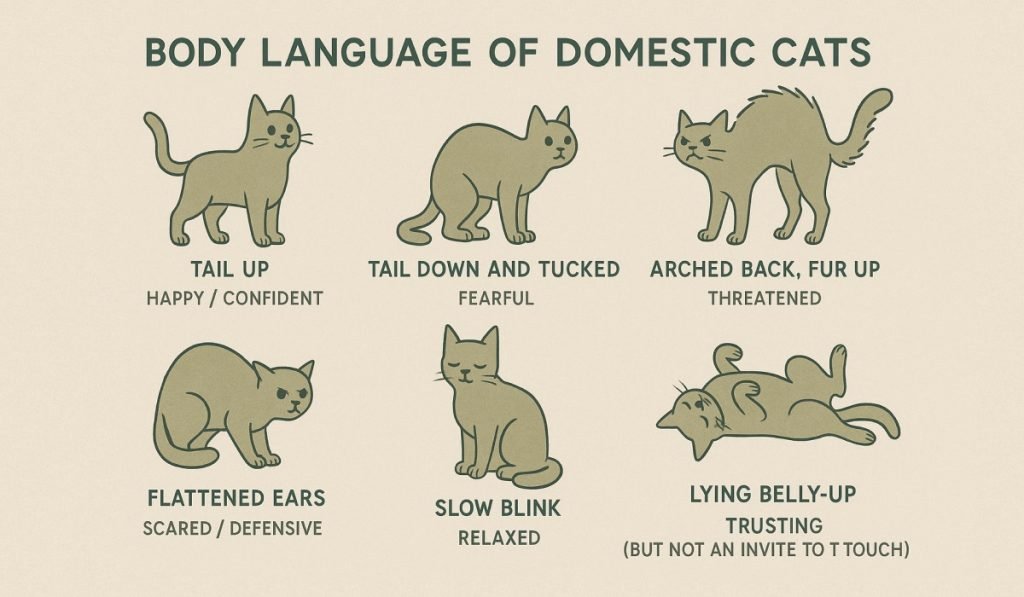
Is your cat acting differently lately? Maybe they’re hiding more, or perhaps they’re unusually jumpy?
You might be witnessing signs of anxious cat behavior. Understanding why your feline friend feels this way is crucial for their well-being. After all, a stressed cat can lead to a stressed you. But don’t worry—you’re not alone, and there are solutions.
You’ll discover the common triggers of cat anxiety and learn practical steps to help your furry companion feel calm and secure. Ready to transform your anxious kitty into a purring bundle of joy? Let’s dive in and explore what you can do today to make a difference.
Signs Of Anxiety In Cats
Recognizing signs of anxiety in your cat can change how you support their well-being. Anxiety doesn’t always look the same in every cat, and some signs might be subtle. Paying attention early can help you ease their discomfort before it escalates.
Physical Symptoms
When a cat is anxious, their body often reacts first. You might notice:
- Excessive grooming, sometimes leading to bald patches or sores
- Rapid breathing or panting
- Trembling or shaking
- Changes in appetite, either eating less or more
- Frequent hiding or reluctance to move
One of my cats started licking her paws obsessively after a move. It took me a week to realize this was anxiety, not just a grooming habit.
Behavioral Changes
Behavior often shows anxiety in ways you might not expect. Watch for:
- Sudden aggression or irritability
- Excessive vocalization, like yowling or meowing
- Restlessness or pacing back and forth
- Avoiding interaction or becoming unusually clingy
- Changes in litter box habits, such as accidents outside the box
Has your cat started acting differently around guests or new objects? This could be their way of telling you they feel uneasy.
Triggers To Watch For
Knowing what sets off your cat’s anxiety helps you prevent stressful situations. Common triggers include:
- Changes in routine or environment, like moving or renovations
- Introduction of new pets or people
- Loud noises such as fireworks or thunderstorms
- Separation or being left alone for long periods
- Visiting the vet or unfamiliar carriers
Have you noticed your cat’s stress spikes around certain times or events? Identifying these triggers lets you create a safer, calmer space.

Credit: www.holistapet.com
Common Causes Of Cat Anxiety
Cat anxiety can stem from many triggers. Understanding these common causes helps keep your cat calm. Some factors lie in their surroundings, health, and social life. Identifying these triggers can improve their well-being and reduce stress.
Environmental Factors
Changes in a cat’s environment often cause anxiety. Moving to a new home or rearranging furniture can unsettle them. Loud noises like thunder or fireworks create fear. Lack of hiding places can make cats feel unsafe. Crowded spaces or constant visitors can overwhelm sensitive cats.
Health Issues
Physical discomfort often leads to anxious behavior. Pain from injuries or illnesses increases stress. Conditions like arthritis, dental problems, or infections cause unease. Hormonal imbalances can also affect mood. Regular vet checkups catch these problems early.
Social Stressors
Cats are sensitive to social changes. Introducing new pets or family members can cause tension. Conflicts with other animals increase fear and anxiety. Lack of human interaction may lead to loneliness. Sudden changes in routine disrupt their sense of security.
Creating A Calm Environment
Creating a calm environment is essential for helping your anxious cat feel safe and secure. A peaceful setting can reduce stress and prevent anxiety from escalating. You might notice a significant change in your cat’s behavior once their surroundings support relaxation.
Safe Spaces
Your cat needs a quiet spot where they can retreat anytime they feel overwhelmed. This could be a cozy corner, a covered bed, or even a cardboard box with soft blankets inside. Think about places where your cat already likes to hide or rest, and make those areas extra comfortable.
Try adding familiar scents like your worn t-shirt or their favorite toy to the safe space. This helps your cat associate the area with comfort and security. Have you noticed your cat seeking out specific spots during stressful times? That’s a clue to where their safe space should be.
Soothing Sounds
Background noise can either soothe or stress your cat. Gentle sounds like soft classical music or nature noises often calm anxious cats. Experiment with low-volume white noise or calming playlists designed for pets.
Sudden loud noises, like vacuum cleaners or fireworks, can trigger panic. If you can’t eliminate these sounds, try to mask them with calming music or move your cat to their safe space. What sounds seem to relax your cat the most? Observing their reactions can guide your choices.
Consistent Routines
Cats thrive on predictability. Keeping feeding, playtime, and bedtime on a regular schedule gives your cat a sense of control and safety. Even small changes in routine can cause anxiety, so try to stick to a steady daily rhythm.
When you travel or have visitors, maintaining parts of your cat’s usual routine can help reduce stress. Have you ever seen your cat act calmer when things go as expected? That’s the power of consistency in action.
Effective Relaxation Techniques
Helping your anxious cat find calm can be a rewarding experience. Relaxation techniques are key to easing their stress and building trust. These simple strategies make a big difference in your cat’s mood and behavior.
Pheromone Products
Pheromone products mimic natural cat scents that promote comfort and security. You can use diffusers, sprays, or collars that release these calming chemicals around your home. Many cat owners notice reduced hiding, less scratching, and fewer vocal outbursts after using these products.
Have you tried placing a diffuser near your cat’s favorite resting spot? It often helps create a peaceful atmosphere without any effort on your part.
Interactive Play
Engaging your cat in interactive play channels their nervous energy into something positive. Toys like feather wands or laser pointers encourage movement and focus, which can reduce anxiety levels. Play sessions also strengthen your bond, giving your cat a sense of safety.
Try short but frequent playtimes daily—just a few minutes can make a noticeable impact. Does your cat prefer chasing or pouncing? Matching their style keeps them interested and relaxed.
Massage And Touch
Gentle massage and calm touch soothe your cat’s muscles and mind. Use slow strokes along their back, head, and cheeks while watching their reaction carefully. Many cats respond with purring or relaxed postures, signaling they feel safe.
Don’t rush; pay attention to signs of discomfort or overstimulation. Could quiet moments of touch be the break your anxious cat needs during a stressful day?
Diet And Supplements For Calmness
Diet and supplements play a vital role in managing anxious behaviour in cats. What you feed your cat can influence their mood and stress levels in surprising ways. Adjusting their diet and adding specific supplements could help your feline friend stay calm during stressful times.
Nutritional Support
Your cat’s diet should include balanced nutrients that support brain health and reduce anxiety. Foods rich in omega-3 fatty acids, like fish oil, are known to promote calmness and improve overall mood. Also, proteins containing tryptophan help produce serotonin, a natural mood stabilizer.
Look for cat foods labeled as calming or anxiety-reducing, but always check the ingredients to ensure quality. Avoid excessive fillers or artificial additives that might make anxiety worse. Have you noticed how your cat reacts after certain meals? Tracking this can reveal helpful patterns.
Natural Remedies
Some natural supplements can soothe your cat’s nerves without side effects. Ingredients like L-theanine, valerian root, and chamomile are commonly used to calm anxious cats. These supplements come in various forms—treats, powders, or liquids—making it easy to add them to your cat’s routine.
Introducing these gently and observing your cat’s response is key. Too much of any supplement might cause unwanted effects, so start with small amounts. Have you tried herbal remedies with your cat before? Their reaction can guide your choices.
Consulting Your Vet
Before changing your cat’s diet or adding supplements, talk to your veterinarian. They can recommend safe options tailored to your cat’s health and anxiety level. Your vet might also suggest blood tests to rule out medical causes behind anxious behaviour.
Veterinarians can guide you on proper dosages and potential interactions with other medications your cat may be taking. Don’t hesitate to ask about new products or concerns—you know your cat best, but your vet’s expertise is crucial. How often do you discuss your cat’s emotional health during vet visits?

Credit: soykitty.com
When To Seek Professional Help
Recognizing when your cat’s anxious behavior needs professional attention can be challenging. Some signs may seem minor but could signal deeper issues that require expert care. Understanding when to seek help ensures your cat receives the right support and improves their quality of life.
Behavioral Therapy
Behavioral therapy can help your cat overcome anxiety by changing negative patterns. A professional animal behaviorist will observe your cat’s behavior and create a tailored plan. This often includes gradual exposure to stress triggers and positive reinforcement techniques.
Have you noticed your cat hiding constantly or reacting aggressively to simple situations? These could be signals that behavioral therapy is needed. Consistent guidance from a professional can help your cat feel more secure and relaxed over time.
Medication Options
In some cases, medication may be necessary alongside behavioral therapy. Vets can prescribe anti-anxiety drugs to help manage severe symptoms. These medications balance brain chemicals to reduce panic and stress responses in your cat.
Medication isn’t a cure but a tool to support your cat while they adjust to new coping strategies. Always consult your vet before starting any treatment and monitor your cat closely for side effects. Would you feel confident discussing these options with your vet?
Follow-up Care
After starting therapy or medication, follow-up care is crucial for success. Regular check-ins with your vet or behaviorist track progress and allow adjustments to the plan. This ongoing support helps prevent setbacks and keeps anxiety under control.
Keeping a journal of your cat’s behavior changes can be a valuable tool during follow-ups. It helps you and the professional see what works and what doesn’t. How often do you review your cat’s mood and habits to catch early signs of anxiety?
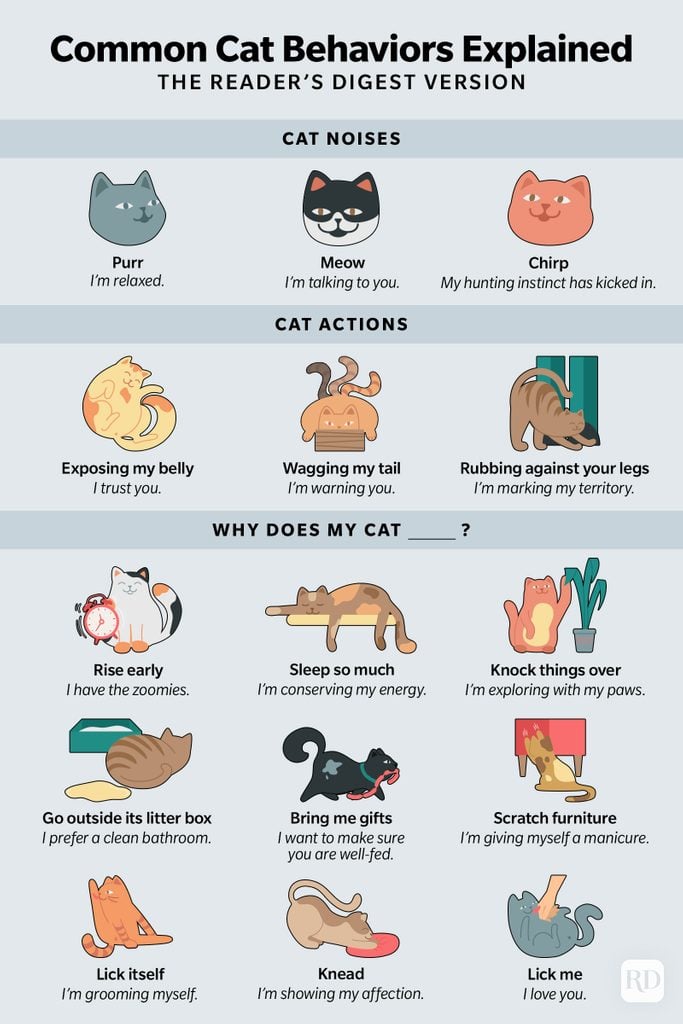
Credit: www.rd.com
Frequently Asked Questions
What Causes Anxious Cat Behaviour?
Anxious cat behaviour often stems from stress, fear, or changes in environment. Common triggers include loud noises, new pets, or unfamiliar people. Understanding these causes helps in managing anxiety effectively and improving your cat’s comfort and well-being.
How Can I Calm My Anxious Cat?
To calm an anxious cat, create a safe, quiet space with familiar items. Use gentle petting, soothing voices, and pheromone diffusers. Consistency and patience are key in reducing stress and helping your cat feel secure.
What Are Common Signs Of Cat Anxiety?
Common signs include excessive hiding, aggressive behaviour, over-grooming, loss of appetite, and vocalization. Recognizing these signs early helps in addressing anxiety and improving your cat’s mental health promptly.
Can Diet Affect A Cat’s Anxiety Levels?
Yes, diet can influence a cat’s anxiety. Nutritional imbalances or lack of certain nutrients may worsen stress. Providing a balanced diet rich in omega-3 fatty acids and antioxidants supports brain health and reduces anxiety symptoms.
Conclusion
Anxious cat behavior can cause stress for both cats and owners. Paying attention to signs helps you understand your pet better. Small changes in the environment may ease your cat’s anxiety. Providing a safe and calm space works well. Patience and gentle care build trust over time.
Every cat is different, so observe what helps most. With love and attention, anxious cats can feel more secure. Keep learning about your cat’s needs for a happier home.
